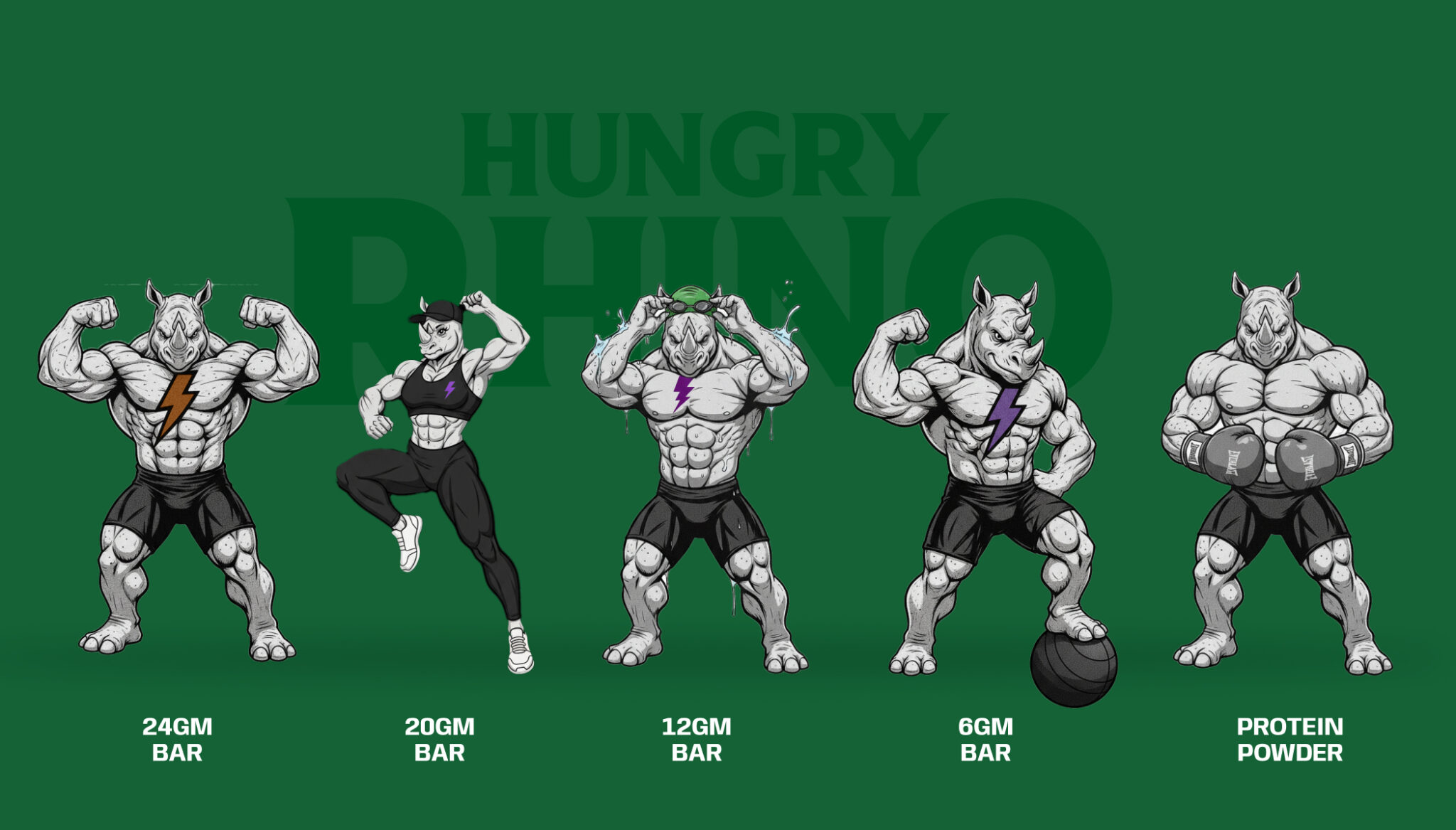



Branding: Definition and Importance
Branding is the process of creating a unique identity for a business, product, or service that distinguishes it from competitors. It involves elements such as the company name, logo, colours, typography, messaging, values, and customer experience. Effective branding helps build recognition, trust, and loyalty, making it easier for customers to identify and remember a business. A strong brand also communicates the company’s personality and promises, influencing how customers perceive and connect with it.
Example:
Think of brands like Apple or Nike. Their logos, colours, and messaging instantly make them recognisable and convey a specific image and reputation.
Why the Brands People Remember Are Not Always the Ones They Choose First
We live in an era where customers have access to more products, services, and alternatives than ever before. A few clicks can reveal dozens of competing solutions, each promising similar outcomes. In this environment, visibility alone is no longer enough to secure growth. The brands that succeed are the ones that create lasting impressions long before a purchase decision is made. When choice becomes overwhelming, memory often becomes the deciding factor.
The Choice Overload Problem
Modern consumers are constantly navigating a sea of options. Whether they’re selecting a software platform, a fashion brand, or a financial service, they are faced with countless alternatives that often look remarkably similar. While abundant choice sounds empowering, research shows it can lead to decision fatigue and hesitation.
When evaluating every option becomes impractical, people rely on shortcuts to make decisions. They gravitate toward names they recognize, companies they trust, and brands that feel familiar. In many cases, branding becomes the mechanism that simplifies complexity and reduces uncertainty. The stronger the brand perception, the easier it becomes for customers to choose.

Explore the Branding behind the Shivam.
Why Customers Remember Some Brands More Than Others
Before making a purchase, customers often narrow down their choices to a small group of brands they already recognize. This mental filtering process happens quickly and is influenced by previous exposure and familiarity.
- Repeated Exposure Builds Familiarity: Customers are more likely to trust brands they encounter consistently across multiple channels.
- Clear Positioning Improves Recall: Brands with a distinct message are easier to remember when a need arises.
- Positive Experiences Strengthen Memory: Every successful interaction reinforces brand recognition and increases future consideration.
These factors help explain why certain brands remain top-of-mind even in highly competitive industries. Being remembered creates a significant advantage when customers begin evaluating their options.
What Branding Really Means Today
Branding is often mistaken for visual identity alone, but modern branding extends far beyond logos, colors, and typography. It encompasses every interaction a customer has with a company, from the first website visit to post-purchase support. Every touchpoint contributes to how people perceive a business.
A customer doesn’t separate design from experience or marketing from service. Instead, they form a holistic impression based on the sum of those interactions. Branding is the reputation that emerges from consistently delivering value, communicating clearly, and meeting expectations. It’s not simply what a company says about itself, it’s what customers come to believe.
Why Branding Matters More Than Ever
As technology advances and barriers to entry decrease, products are becoming increasingly similar. Competitors can replicate features, match pricing strategies, and launch comparable offerings faster than ever before. This makes differentiation through functionality alone difficult to sustain.
In this landscape, branding becomes a powerful competitive advantage. It gives customers a reason to choose one company over another, even when the products appear nearly identical. Strong brands create meaning beyond utility, helping customers connect with a company’s mission, values, and identity. That connection often becomes the deciding factor when features no longer provide enough distinction.
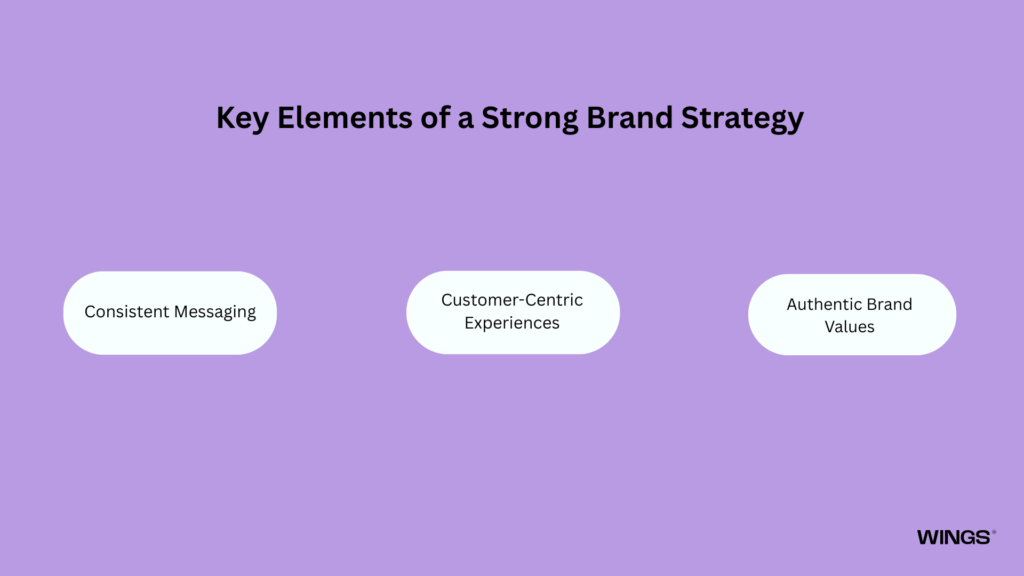
Key Elements of a Strong Brand Strategy
Building a memorable brand requires more than creative design. It involves creating a consistent experience that customers can recognize and trust over time.
- Consistent Messaging: Communicating the same core value proposition across all touchpoints.
- Customer-Centric Experiences: Designing interactions that solve problems and exceed expectations.
- Authentic Brand Values: Demonstrating principles and commitments that resonate with customers.
When these elements work together, they create a cohesive brand experience that strengthens customer perception and increases trust.
How Strong Brands Reduce Customer Friction
Every purchase involves a degree of risk. Customers wonder whether a product will meet expectations, whether support will be available, and whether the company can be trusted. These questions create friction throughout the decision-making process and can slow conversions significantly.
Strong brands reduce this friction by creating confidence before the purchase even begins. When customers recognize and trust a company, they spend less time validating credibility and more time evaluating value. Familiarity shortens the path to conversion because the brand has already done part of the persuasion work. Trust effectively lowers the perceived risk of choosing.
The New Currency: Trust
Trust has become one of the most valuable assets a business can build. In a world filled with sponsored content, AI-generated messaging, and endless marketing claims, customers are becoming increasingly skeptical. They want evidence, consistency, and authenticity before they commit.
Strong branding helps establish trust by aligning promises with actual experiences. Every fulfilled expectation reinforces credibility, while every inconsistency weakens it. Over time, trust compounds into loyalty, advocacy, and preference. Companies that earn trust don’t need to convince customers repeatedly, they become the default choice.

Explore the Branding behind the Blyp.
Brand Consistency Creates Recognition
Recognition is rarely built through a single campaign or interaction. Instead, it emerges through consistent exposure to the same visual identity, messaging, and experience across multiple touchpoints. Every repeated encounter strengthens familiarity and reinforces memory.
Consistency creates a sense of reliability. Customers know what to expect, which makes the brand easier to understand and remember. Over time, that familiarity increases mental availability, the likelihood that a customer thinks of the brand when a need arises. In competitive markets, being remembered is often more valuable than being noticed.
How Digital Experiences Shape Brand Perception
Today, a customer’s perception of a brand is heavily influenced by digital interactions. A website’s usability, social media presence, customer reviews, and online support experiences all contribute to how people evaluate a company. In many cases, these interactions occur before a customer ever speaks with a representative or makes a purchase.
Businesses that deliver seamless and consistent digital experiences strengthen their brand reputation at every touchpoint.
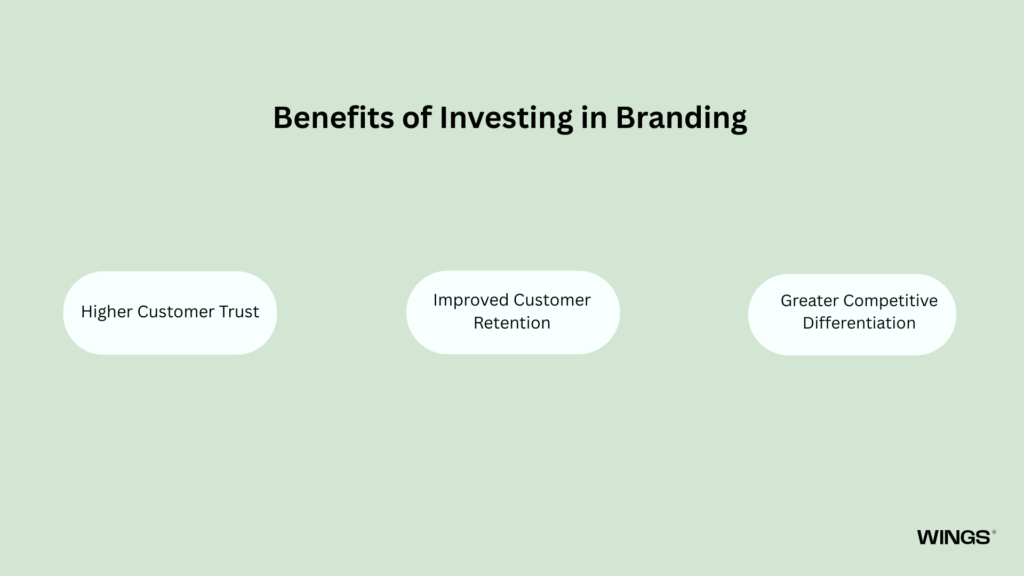
Benefits of Investing in Branding
Strong branding creates measurable business advantages that extend beyond marketing performance.
- Higher Customer Trust: Trusted brands reduce uncertainty and accelerate purchase decisions.
- Improved Customer Retention: Loyal customers are more likely to return and recommend the brand to others.
- Greater Competitive Differentiation: Strong brands stand out even when competitors offer similar products and services.
These benefits accumulate over time, creating a sustainable advantage that competitors may struggle to replicate.
Emotional Branding in a Rational Marketplace
Businesses frequently assume customers make decisions based entirely on logic, but human behavior tells a different story. While people compare prices, features, and specifications, emotions often influence which option ultimately feels right. Logic may justify a purchase, but emotion often drives it.
The most successful brands understand this dynamic and build experiences that resonate on a deeper level. They tell stories, express values, and create moments that customers identify with personally. These emotional connections foster loyalty that extends beyond product performance. When customers feel connected to a brand, they become less sensitive to competitors’ offers.
The Role of Brand Storytelling in Building Connections
People naturally connect with stories more than facts alone. While product features and specifications are important, they rarely create lasting emotional engagement. A compelling brand story helps customers understand the purpose behind a business and gives them something meaningful to relate to.
Effective storytelling humanizes a brand by highlighting its mission, values, challenges, and vision. Customers are more likely to support companies that stand for something beyond profit. When a brand consistently communicates its story across marketing channels, it creates a deeper emotional connection that strengthens trust and loyalty over time.
Branding Impact on Business Performance
- Increases brand recognition: Strong branding helps customers easily recognise and remember a business.
- Improves customer acquisition: Recognisable brands attract more customers during purchasing decisions.
- Builds customer trust: Consistent branding creates confidence and reduces uncertainty.
- Enhances conversion rates: Trusted brands encourage customers to make purchase decisions more quickly.
- Strengthens customer loyalty: Emotional connections with customers lead to repeat purchases and long-term relationships.
- Encourages customer advocacy: Loyal customers are more likely to recommend the brand to others.
- Supports premium pricing: Customers are willing to pay higher prices for brands they perceive as high-quality and reliable.
- Creates competitive differentiation: Clear brand positioning helps a business stand out in competitive markets.
- Boosts word-of-mouth marketing: Positive customer experiences generate organic recommendations.
- Ensures long-term growth: Consistent messaging, visual identity, and customer experience keep the brand memorable and support sustainable business success.
From Awareness to Advocacy: The Ultimate Branding Goal
- The goal is to create brand advocates: Successful brands turn customers into loyal supporters who actively promote the brand.
- Advocates recommend the brand: They share positive experiences with friends, family, colleagues, and online communities.
- Organic promotion is powerful: Customer recommendations are often more trusted than traditional advertising.
- Advocacy is earned: It results from consistently delivering positive customer experiences.
- Strong relationships build loyalty: Customers who trust a brand are more likely to remain loyal.
- Shared values strengthen connections: Customers support brands that align with their beliefs and values.
- Advocates expand brand reach: Loyal customers help attract new customers through referrals.
- Creates a growth cycle: Strong branding leads to customer loyalty, loyalty creates advocacy, and advocacy drives long-term business growth.
- Supports sustainable success: Brand advocacy contributes to continued market growth and a stronger competitive position.
Branding and Long-Term Business Growth
- Branding is more than marketing: It contributes to the overall growth and success of a business, not just its marketing efforts.
- Improves customer acquisition: A strong brand attracts new customers more effectively and efficiently.
- Supports premium pricing: Well-established brands can charge higher prices because customers perceive greater value.
- Increases customer retention: Strong branding encourages customer loyalty and repeat purchases.
- Boosts word-of-mouth marketing: Satisfied customers are more likely to recommend the brand to others.
- Creates sustainable competitive advantage: Consistent branding helps businesses stand out from competitors over the long term.
- Builds long-term value: Unlike short-term marketing campaigns, the benefits of branding continue to grow over time.
- Reinforces positive perceptions: Every positive customer experience strengthens the brand’s reputation and image.
- Strengthens market position: A strong brand helps maintain customer trust and market leadership.
- Provides lasting business value: Businesses that invest consistently in branding create a valuable asset that continues to generate benefits even after individual marketing campaigns have ended.

Explore the Branding behind the Diamensions.
The Future of Branding
- AI is changing branding: Artificial intelligence is making it easier and more affordable to create content, launch products, and build digital experiences.
- Greater competition: As businesses gain access to similar technologies and tools, offering similar products and services will become more common.
- Brand identity matters more: Success will depend less on what a company sells and more on what it represents and stands for.
- Authenticity is essential: Brands that are genuine, transparent, and trustworthy will build stronger customer relationships.
- Community building: Creating loyal communities around a brand will become a key factor for long-term success.
- Meaningful customer experiences: Businesses must focus on delivering valuable and memorable experiences rather than just products.
- Human connection remains important: Even in an increasingly automated world, customers will continue to value personal and emotional connections.
- Trust and emotional appeal: Strong brands will be built on trust, identity, and emotional resonance with customers.
- Technology supports branding: While technology will transform business operations, it cannot replace the importance of a strong brand.
- Long-term success: Companies that prioritise authenticity, trust, and customer relationships will remain relevant and competitive in the future.
Conclusion: In a World of Infinite Choices, Clarity Wins
The challenge facing modern businesses is no longer access to customers, it’s earning a place in their minds. Every day, consumers encounter hundreds of competing messages, products, and recommendations. In such a crowded landscape, attention is fleeting and differentiation is difficult.
Strong branding provides clarity amid the noise. It helps customers understand who you are, what you stand for, and why you matter. More importantly, it creates the trust and familiarity needed to influence decisions when countless alternatives exist.
In the age of infinite choices, the brands that win are not always the ones with the biggest budgets or the most features. They are the ones customers remember, trust, and feel connected to. When choosing becomes difficult, familiarity becomes powerful, and strong branding makes choosing feel easy.

Akshita Shivani Sundar
Senior Graphic Designer