

The global food trading industry is built on trust, consistency and relationships. Businesses operate across borders, work with multiple suppliers and buyers, and manage complex supply chains. While product quality and pricing remain important, how a company presents itself to the market can influence whether potential partners see it as a credible business.
Yet, branding often takes a back seat in this industry. Many food trading companies focus heavily on sourcing, distribution and operations, while overlooking the importance of a distinctive brand identity and a professional digital presence. In an increasingly competitive global marketplace, that gap can become a missed business opportunity.
Why Branding Is Becoming Important for Food Trading Businesses
Food trading is a relationship-driven industry. Buyers and distributors need confidence in the businesses they work with, particularly when transactions involve international markets, multiple stakeholders and long-term supply agreements.
A strong brand helps establish that confidence before the first conversation takes place. A consistent visual identity, clear brand messaging and professional communication make it easier for potential partners to understand what a company represents and what it brings to the market.
Branding also helps businesses differentiate themselves in a sector where several companies may offer similar products and services. Instead of competing solely on pricing or product availability, companies can build recognition around their credibility, capabilities and approach to business.
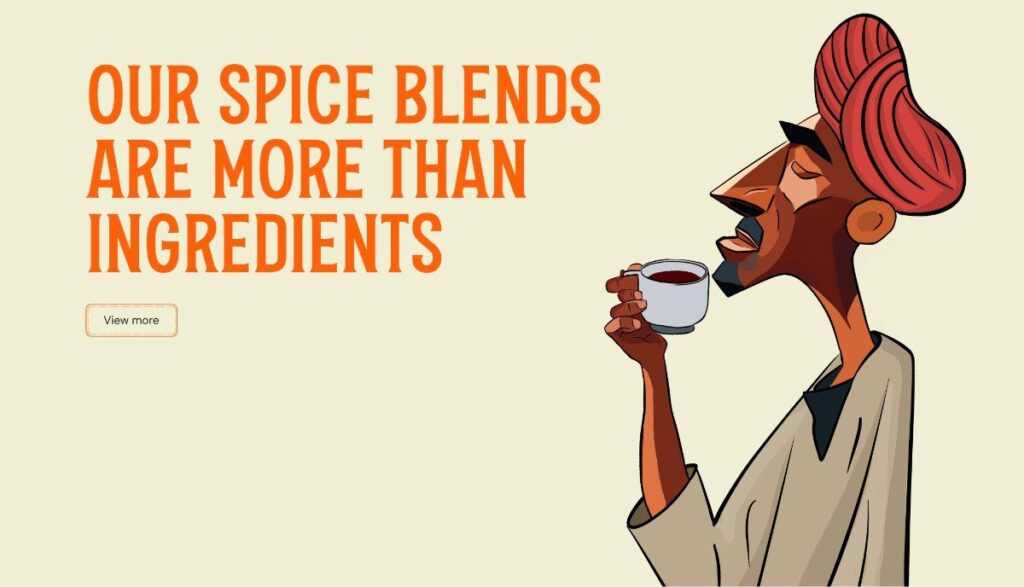
Explore the Rajveda branding and website design project by Wings Design.
Building a Brand Identity That Reflects Business Credibility
A brand identity is more than a logo or a colour palette. It is the visual and verbal language through which a business communicates its values, positioning and capabilities.
For food trading companies, this means developing an identity that balances industry relevance with a professional, contemporary appearance. Typography, colours, visual elements and messaging should work together to communicate reliability and create a recognisable presence across business touchpoints.
Consistency is equally important. From company presentations and product catalogues to websites and digital communications, every interaction should reinforce the same brand perception. This creates a more cohesive experience for buyers, suppliers and business partners across different markets.
Why a Professional Website Matters in International Food Trading
For businesses operating across international markets, a website often serves as the first point of reference for potential buyers and partners. It needs to do more than introduce the company. It should communicate its capabilities, product offerings and business proposition clearly.
A well-structured website makes it easier for visitors to explore product categories, understand the company’s operations and identify relevant business opportunities. Clear navigation, intuitive user experience and a considered content structure help reduce friction and make important information accessible.
For food trading businesses, product presentation also plays a significant role. Organised product categories, informative descriptions and a consistent visual language can make complex product networks easier to navigate. When supported by responsive design and reliable website development, the digital experience becomes an extension of the company’s professional identity.
Connecting Brand Strategy with Digital Experience
Branding and website development should not operate as separate exercises. When both are approached together, businesses can create a consistent experience from the first brand impression to the point where a potential customer makes an enquiry.
This requires alignment between brand positioning, content strategy, information architecture and user experience. The messaging should communicate what the company does, the design should reinforce its positioning, and the website structure should help visitors find the information they need.
For businesses in food trading and agro-processing, this integration is particularly valuable. A company may serve different markets, offer diverse product categories and work with multiple types of business customers. A thoughtfully designed digital experience can bring these elements together without overwhelming the visitor.

Rajveda: Bringing Brand Identity and Digital Presence Together
Rajveda, a food trading company based in Chennai, India, operates within the global food trading ecosystem, supplying products across international markets. The business needed a brand and digital presence that could communicate its capabilities while establishing a professional impression for its audience.
Wings Design approached the project by developing a digital experience centred on clarity, scale and professionalism. The engagement covered UX research, website strategy, information architecture, user flow and design, alongside WooCommerce development.
The website was structured to showcase Rajveda’s product network and present the business in a clear, organised manner. The result brings brand presentation and digital functionality together, giving the company a more cohesive platform to communicate its business offering.
What Food Trading Businesses Should Prioritise When Building Their Brand
As the industry becomes increasingly connected, businesses need to think beyond traditional marketing and invest in how they present themselves across digital and offline touchpoints.
A few priorities can make a meaningful difference:
- Clear brand positioning: Communicate what the business offers, which markets it serves and what makes its approach distinctive.
- Consistent visual identity: Establish a recognisable design language across websites, presentations, product catalogues and communication materials.
- Structured product presentation: Make product categories and business capabilities easy for potential buyers to understand.
- Intuitive website experience: Build a website that prioritises navigation, accessibility, responsive design and clear information.
- Scalable digital foundations: Ensure the brand and website can accommodate new markets, products and evolving business requirements.
These elements help create a stronger foundation for businesses looking to build recognition and establish long-term relationships in competitive markets.
Building a Stronger Brand for a Global Market
In food trading, business credibility is shaped by more than the products a company supplies. Its identity, communication and digital presence all contribute to how potential partners perceive its capabilities.
Investing in strategic branding and a well-designed website allows businesses to communicate with greater clarity, create consistent brand experiences and present themselves with confidence across markets.
At Wings Design, we bring branding, user experience and website development together to create digital experiences that support business growth. Whether you’re building a new brand or strengthening an established business, the right creative direction can change how your company is perceived.
Looking to build a brand that stands out in your industry?
Explore our branding services and discover how strategic design can shape your business’s next chapter.