

Typography Explained: Understanding How Text Works in Design
Sep 30, 2025 ● 15 Mins Read
Table of Contents
Introduction
Typography isn’t just about picking a pretty font. It’s the invisible architecture behind every digital experience — the quiet framework that shapes how people read, feel, and act. In a world where users scroll through content in seconds, typography becomes more than design; it becomes strategy.
Every typeface, line break, and spacing choice influences how your brand speaks. A clean sans-serif can feel bold and modern. A classic serif can create a sense of heritage and trust. Even subtle changes — like increasing line spacing or adjusting contrast — can dramatically shift how a user interacts with your content.
For decision-makers, this isn’t a design “nice to have.” Typography impacts clarity, perception, and behavior. It decides whether your message lands or disappears in the noise. In short: good typography doesn’t just look right. It feels right — and it drives action.
What Typography Actually Does
Typography is often underestimated because it works in silence. Users rarely say, “I love the line height on this landing page.” But they feel it. They stay longer, read more, and engage better when the text is structured with care.
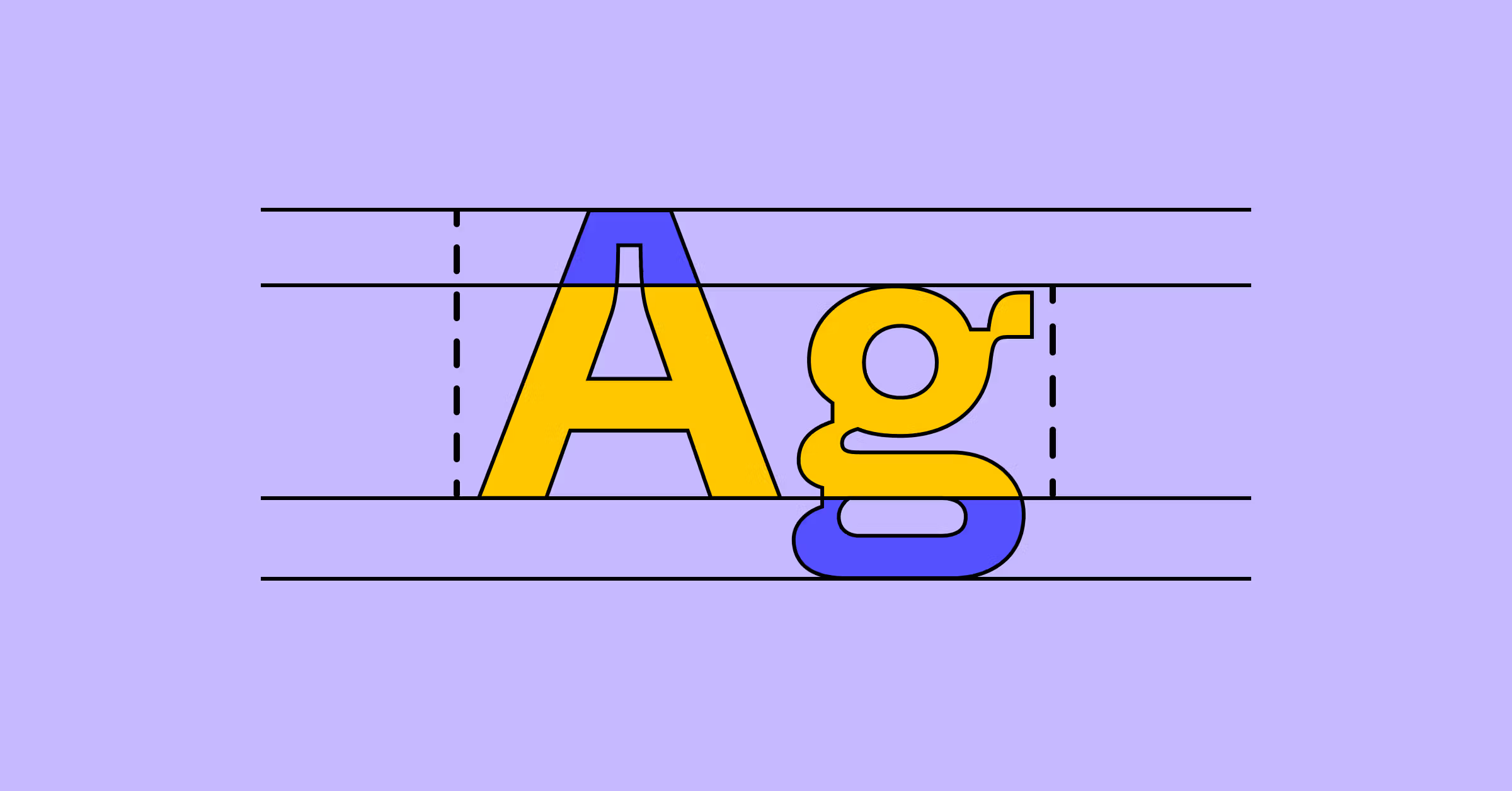
Typography creates flow. It tells the eye where to move and when to pause. Font families, sizes, weights, spacing, and alignment all work together to build a rhythm that keeps readers anchored. When done well, typography makes content effortless to absorb. When done poorly, it creates friction — users bounce, scroll past, or miss the message entirely.
Strategic typography:
- Enhances readability and comprehension.
- Sets the emotional tone of the brand.
- Guides users through a structured information path.
- Reduces cognitive overload, especially on content-heavy screens.
In design, typography is not a layer on top of content — it is the content’s voice.
Choosing Fonts With Purpose
The best font choices are rarely about trends; they’re about alignment. Every brand has a tone. Typography gives that tone a visual form.
A minimal sans-serif font can feel fresh, digital-first, and approachable — perfect for tech startups or lifestyle brands. A refined serif, on the other hand, can signal trust, tradition, and authority, making it ideal for established institutions or B2B players.
But choosing a font is only half the work. Pairing fonts effectively elevates the entire experience. A strong display font for headlines paired with a clean, readable body text font creates visual contrast without chaos. And importantly, readability must hold across devices — a typeface that looks elegant on desktop can become cramped on mobile if not tested carefully.
When making font decisions, decision-makers should focus on:
- Brand fit: Does the font align with the company’s voice and values?
- Legibility: Is it easy to read at various sizes and weights?
- Hierarchy support: Can it clearly differentiate between heading, subheading, and body text?
- Scalability: Does it hold up across multiple screen sizes and resolutions?
Fonts aren’t just visual elements — they’re brand assets. Choose them with intent.
Creating Hierarchy That Guides, Not Overwhelms
Hierarchy is the heartbeat of good typography. It’s what transforms a wall of text into a structured journey.
The goal of typographic hierarchy isn’t to decorate — it’s to guide attention. Headings and subheadings tell readers where to look first. Font weight, size, and spacing help them navigate information without feeling lost. Even the smallest adjustments — like adding more white space or increasing line height — can make content instantly more digestible.
Think of hierarchy like storytelling:
- Headings set the stage.
- Subheadings break down complexity.
- Body text delivers clarity.
- White space gives breathing room.
Strong hierarchy also supports accessibility. It reduces cognitive strain, helping users scan and understand faster. For brands, this can mean higher engagement, longer on-page time, and stronger conversion signals.
Accessibility Isn’t Optional
Good design isn’t truly good if it’s not accessible. Typography plays a huge role here. It ensures every user — regardless of ability — can consume content comfortably.
Accessible typography starts with legibility. A minimum of 16px for body text is recommended for screens, ensuring the text is clear on all devices. Contrast ratios must be high enough to prevent eye strain — light grey text on a white background, for instance, may look sleek but is often unreadable.
Decorative fonts may seem tempting, but they often make long-form content difficult to process. Simplicity is powerful. Proper line spacing ensures words don’t blur together, especially for users with dyslexia or visual impairments.
Beyond ethics, accessibility has a business upside. Search engines reward accessible content with better rankings. Accessible typography widens your audience reach. And most importantly, it communicates that your brand values every user.
Conclusion: Typography Speaks Louder Than Words
Typography is more than an aesthetic layer. It’s a language. It shapes how users feel before they even process a single word. It builds trust without needing to explain itself. It guides attention, creates clarity, and defines the voice of a brand.
For decision-makers, understanding typography isn’t about becoming a designer — it’s about recognizing its strategic value. Strong typography translates to stronger engagement, better accessibility, and sharper brand perception.
In a digital world where attention is scarce, typography is the quiet, confident voice that cuts through the noise.
And the brands that master it? They don’t just communicate — they connect.
Driven by a passion for user-centric design, I focus on crafting intuitive and visually compelling digital experiences. With an eye for detail and a commitment to functionality, I strive to enhance usability and engagement in every project. Outside of work, my love for movies and books sparks creativity and inspiration, influencing new design perspectives.

Naveen S
Senior UI/UX Designer