Approach To Fintech
Fintech reshapes how people save, spend, invest, and transact—but trust remains its foundation. As products grow more complex and regulation tighter, fintech companies must communicate reliability, security, and value without friction. Beyond features, successful fintech brands design experiences that feel transparent, intuitive, and dependable. Across branding, UI/UX, web development, and social media, digital touchpoints influence onboarding, engagement, and long-term confidence. From consumer apps and dashboards to enterprise platforms and financial storytelling, cohesive digital ecosystems help fintech organizations simplify complexity, build credibility, and scale responsibly within highly regulated, fast-evolving markets.
/ Expertise
Fintech products earn adoption through credibility, clarity, and experience—supported by strong brands, intuitive platforms, and scalable digital systems.


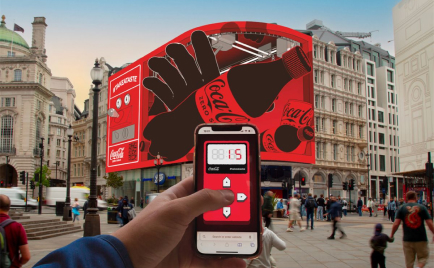

We help fintech organizations build trust, simplify financial complexity, and scale confidently across products, platforms, and regulated environments.
FAQ’s
Insights worth knowing before we begin working together
Human-centered design focuses on real user needs, behaviors, and pain points, making financial tools easier to understand and use. By simplifying workflows, reducing friction, and presenting data clearly, fintech platforms help users make confident decisions. Thoughtful UX/UI design minimizes confusion, supports compliance, and improves onboarding and retention. This approach ensures that even complex financial products feel intuitive, transparent, and accessible to diverse user groups.
Digital credibility is built through consistent branding, secure platforms, transparent communication, and reliable performance. Clear design, verified messaging, and visible compliance signals reassure users. Positive user experiences across websites, apps, and social channels reinforce trust. Credibility grows when fintech companies consistently deliver clarity, security, and value.
Branding in fintech goes beyond visuals—it communicates trust, stability, and credibility. A strong brand strategy helps fintech companies differentiate in competitive markets while reinforcing transparency and reliability. Consistent messaging, tone, and visual identity across platforms build recognition and confidence. When branding aligns with product experience, it reassures users, strengthens emotional connection, and supports growth within regulated and fast-evolving financial environments.
User experience directly affects whether people choose to use a product or service. Intuitive design, smooth onboarding, and minimal friction encourage adoption. If users can easily understand and navigate an experience, they are more likely to continue using it. Positive experiences reduce drop-offs and increase satisfaction.
Future-ready experiences are flexible, scalable, and user-focused. Strong foundations, adaptable systems, and continuous learning help organizations evolve with changing needs. By prioritizing clarity, consistency, and trust, digital experiences remain effective as expectations grow.
Design systems provide structured frameworks that ensure consistency across fintech platforms, teams, and communication channels. They support compliance, reduce design inconsistencies, and speed up product development. By standardizing components, layouts, and content guidelines, fintech companies can scale efficiently while maintaining trust and usability. Design systems also help teams adapt quickly to regulatory changes without compromising brand cohesion or user experience.
Clarity reduces confusion and builds trust in financial interactions. Users need to understand products, fees, risks, and outcomes easily. Clear language, visual cues, and structured content help users make informed decisions. In fintech, clarity is not optional—it is essential for compliance, usability, and credibility across all digital touchpoints.
Complex information becomes manageable when broken into clear sections and presented visually. Using simple language, diagrams, and step-by-step flows helps users process details efficiently. Prioritizing key information and reducing clutter improves comprehension and decision-making without overwhelming the user.
/WHAT’S NEW
Design, tech & people are things we notice, question and occasionally obsess over. Here’s where we unpack them.
//Reach us
India – Dubai – Singapore – USA – Australia


India – Dubai – Singapore – USA – Australia