Approach To Culture & Heritage
Culture and heritage organisations carry responsibility beyond visibility—they preserve narratives, identities, and collective memory across generations. As audiences increasingly engage through digital channels, these stories must be communicated with sensitivity, clarity, and care. Strong brand systems and accessible digital experiences help institutions present archives, exhibitions, and initiatives in ways that feel relevant without losing authenticity. Across branding, UI/UX, web development, and social media, digital platforms shape discovery, education, and engagement. From museum websites and cultural archives to storytelling platforms and community outreach, cohesive digital foundations help cultural organisations extend reach, deepen understanding, and ensure long-term relevance in a changing world.
/ Expertise
Cultural and heritage institutions share history, identity, and meaning through thoughtful branding, accessible digital experiences, and platforms built for continuity.

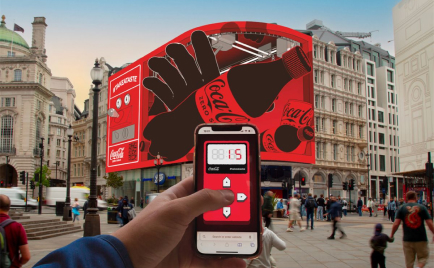

We help cultural and heritage organisations share stories responsibly, expand access, and sustain relevance across digital platforms and communities.
FAQ’s
Insights worth knowing before we begin working together
Digital platforms allow cultural and heritage organisations to extend access beyond physical spaces. A well-designed digital presence helps share archives, exhibitions, and narratives with wider audiences while preserving historical accuracy and meaning. It supports education, engagement, and long-term relevance by making cultural stories accessible, discoverable, and responsibly presented across generations and communities.
We approach each project with research, context, and collaboration. By understanding the history, values, and communities connected to the culture, we design digital experiences that respect authenticity while remaining clear and accessible. Content structure, language, and visual systems are developed carefully to avoid misrepresentation and maintain cultural integrity.
Yes. We design digital archives, exhibition platforms, and content hubs that present cultural material clearly and thoughtfully. Our focus is on accessibility, intuitive navigation, and structured storytelling—ensuring users can explore collections meaningfully without overwhelming complexity.
We create design systems, frameworks, and content guidelines that ensure consistency across websites, archives, exhibitions, and social platforms. This helps organisations communicate clearly while supporting future growth and evolving initiatives.
Our approach to long-term sustainability focuses on creating scalable, adaptable, and resilient digital systems that evolve with your organisation’s needs. We design structured archives, content frameworks, and modular platforms that can accommodate new initiatives, exhibitions, and research over time. This ensures consistency, accessibility, and reliability while maintaining cultural authenticity. By planning for growth, updates, and intergenerational engagement, we help institutions preserve heritage responsibly, extend public access, and maintain relevance across changing audiences, technologies, and digital landscapes for the future.
Multilingual digital platforms allow cultural organisations to share heritage with broader and more inclusive audiences. Supporting multiple languages helps preserve regional identity while improving accessibility for researchers, students, and communities. Clear language structures and navigation ensure content remains consistent and accurate across translations. This approach strengthens cultural representation, encourages participation, and ensures heritage narratives are accessible without losing context or meaning in digital environments. It also supports education, policy goals, and international cultural exchange efforts across institutions and generations worldwide.
Accessibility ensures cultural and heritage content can be engaged with by all audiences, including people with disabilities or those using varied devices. We design clear navigation, readable typography, and inclusive interactions to allow users to explore, learn, and participate meaningfully. Accessible digital platforms expand reach, improve educational outcomes, and promote inclusivity. They also support institutional responsibility, ensuring cultural narratives remain available, understandable, and engaging for diverse audiences while sustaining relevance, credibility, and public trust over time across generations and platforms.
Yes. We design digital platforms that accommodate multilingual and region-specific content to ensure inclusivity and accessibility. Clear content structures and translation frameworks maintain accuracy, context, and cultural meaning across languages. This allows institutions to share heritage narratives with wider audiences, support education, and strengthen representation. Multilingual support also fosters research collaboration, community engagement, and global accessibility, ensuring cultural stories remain relevant and respected across diverse linguistic and regional groups while preserving identity, authenticity, and historical integrity.
/WHAT’S NEW
Design, tech & people are things we notice, question and occasionally obsess over. Here’s where we unpack them.
//Reach us
India – Dubai – Singapore – USA – Australia


India – Dubai – Singapore – USA – Australia