Approach To IOT
IoT transforms physical environments into connected ecosystems, generating data that powers decisions, automation, and efficiency. But as systems grow more complex, usability and communication become critical. IoT companies must design experiences that make networks, data, and control intuitive for users, operators, and stakeholders. Beyond hardware, digital platforms define how products are understood, adopted, and trusted. Across branding, UI/UX, web development, and social media, digital touchpoints shape onboarding, monitoring, and long-term engagement. From dashboards and device interfaces to product websites and communication platforms, cohesive digital foundations help IoT organisations present capability clearly, support adoption, and scale across industries, use cases, and evolving technologies.
/ Expertise
IoT products succeed when data, interfaces, and communication work together—supported by strong brands, intuitive platforms, and scalable digital systems.
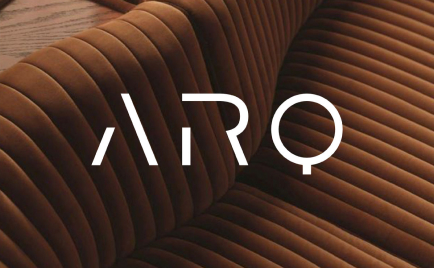
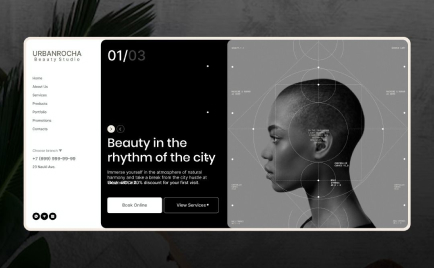
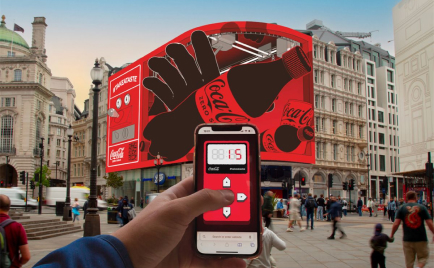

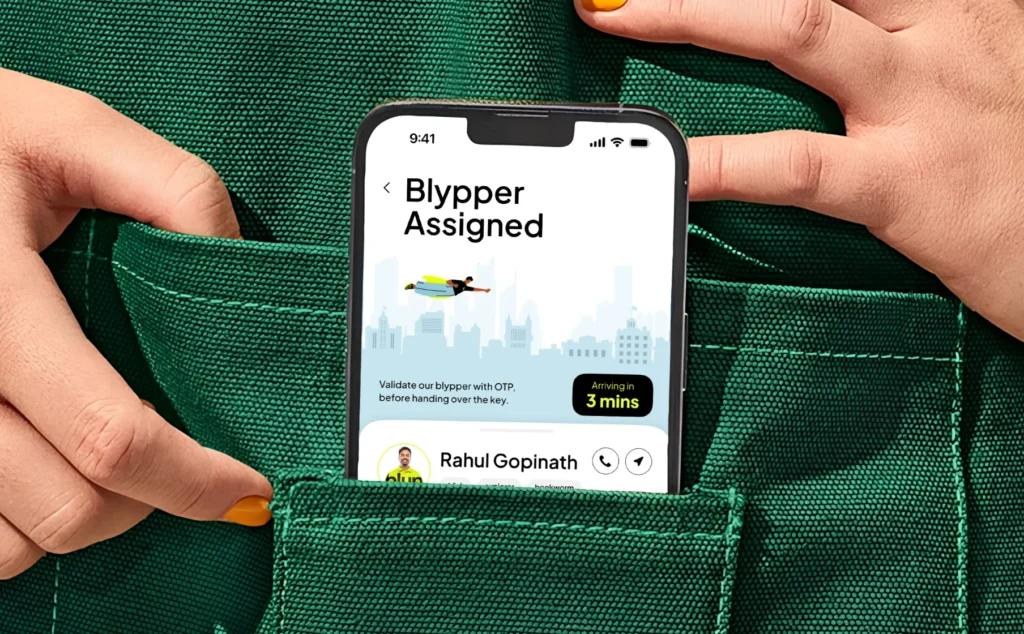
We help IoT companies design usable platforms, communicate value clearly, and scale connected experiences across products and ecosystems.
FAQ’s
Insights worth knowing before we begin working together
Yes. We support IoT organisations across the full digital transformation journey—from defining brand strategy and digital vision to designing platforms, interfaces, and scalable systems. Our approach aligns technology, design, and communication to ensure connected products are usable, clearly positioned, and ready to scale. By focusing on digital touchpoints alongside hardware ecosystems, we help businesses improve adoption, efficiency, and long-term engagement.
We focus on clarity, hierarchy, and usability to manage complexity. By understanding users, workflows, and data priorities, we design interfaces that surface the most important information at the right time. Structured layouts, intuitive interactions, and consistent patterns help users navigate connected systems confidently, even as devices, data streams, and environments grow more complex.
Yes. We design around existing platforms while improving usability, consistency, and communication. Our approach modernises interfaces, aligns digital touchpoints, and introduces scalable frameworks without disrupting core functionality. This allows IoT organisations to evolve their systems gradually, improve user experience, and prepare for future technologies without starting from scratch.
Yes. We design solutions with global users in mind, ensuring interfaces, data presentation, and workflows scale seamlessly across regions and markets. Our approach prioritises accessibility, clarity, and consistency, allowing users to interact confidently regardless of location or language. By planning for localisation, regional standards, and diverse usage patterns from the outset, we help organisations deliver cohesive digital experiences that remain intuitive, reliable, and effective as platforms expand globally while supporting long term growth, compliance, collaboration, and evolving technological ecosystems worldwide.
We use shared design systems, content frameworks, and usability standards to maintain consistency across platforms and regions. These foundations ensure every regional version aligns with core brand identity, visual language, and user experience principles. By establishing clear guidelines for layouts, components, and content structure, teams can adapt interfaces locally without fragmenting the experience. This approach supports scalability, reduces design and development effort, and ensures users receive a reliable, coherent experience regardless of geography, language, or market context and operational needs.
An integrated digital approach ensures that branding, UI/UX, platforms, and communication work together as a cohesive system. For IoT products, this means dashboards, device interfaces, websites, and content are aligned in structure, language, and experience. Integration reduces complexity, improves usability, and ensures users can easily understand data, control systems, and trust the product across all touchpoints.
Yes. Existing systems can be modernised and upgraded without rebuilding from scratch. We assess current platforms, identify gaps, and implement design, interface, and functionality improvements while preserving core operations. This approach allows organisations to enhance usability, scalability, and performance efficiently. By leveraging existing infrastructure and introducing scalable design systems, frameworks, and digital touchpoints, we ensure continuity, reduce disruption, and deliver modern, intuitive platforms that align with evolving business needs and technological advancements.
We build scalable design systems, frameworks, and content guidelines that grow with your organisation. These systems ensure consistency across products, teams, and platforms while allowing flexibility for new features, devices, and use cases. Scalability is embedded from the start, enabling IoT ecosystems to evolve without compromising usability or brand clarity.
/WHAT’S NEW
Design, tech & people are things we notice, question and occasionally obsess over. Here’s where we unpack them.
//Reach us
India – Dubai – Singapore – USA – Australia


India – Dubai – Singapore – USA – Australia