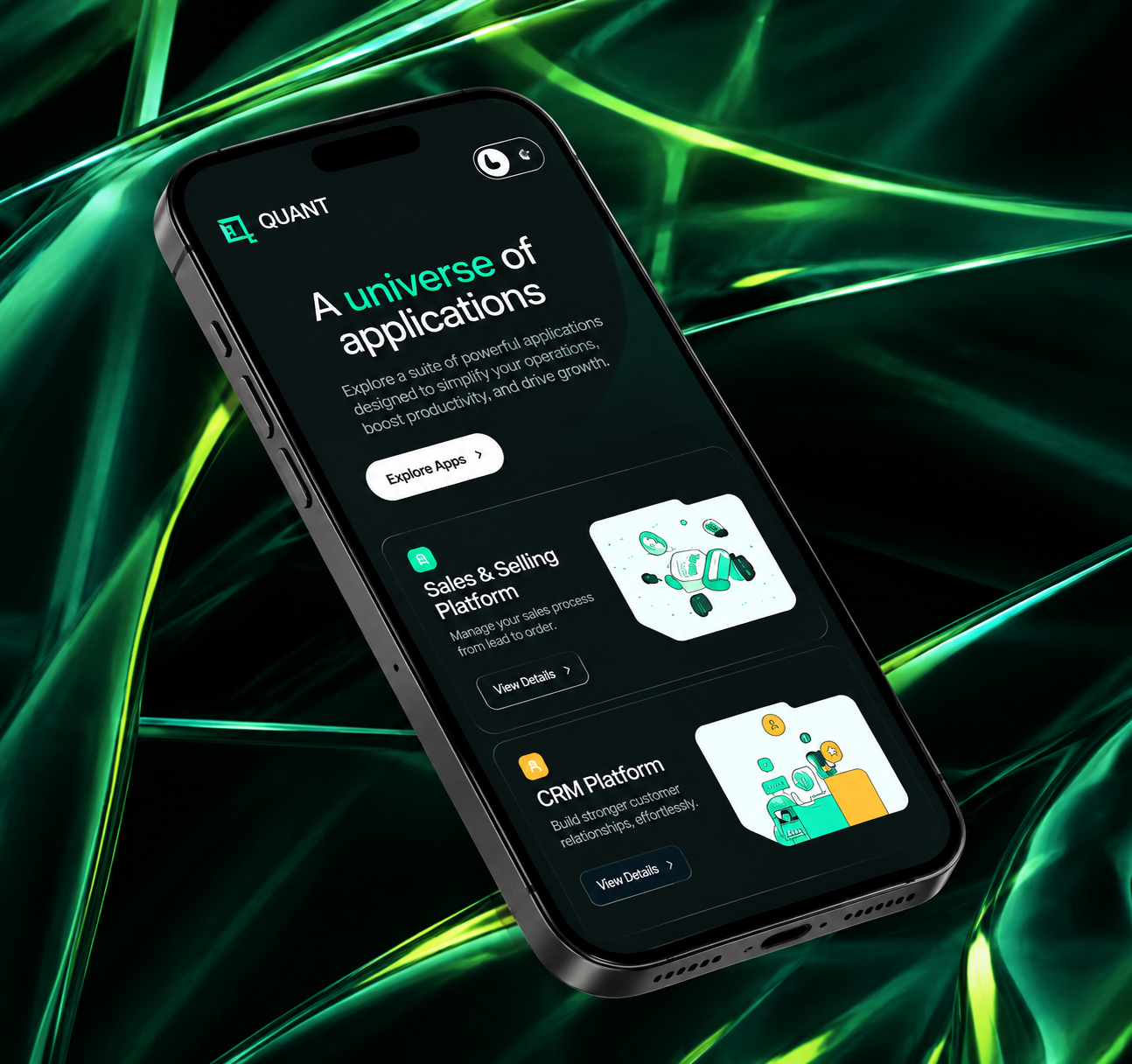
Animating Trust: Why Financial, Tech, and Healthcare Brands Need Motion Design

For all its groundbreaking innovation, crypto still struggles with a fundamental perception problem. To outsiders, it feels abstract, highly technical, and often intimidating. Words like “tokens,” “wallets,” and “exchanges” don’t evoke trust or warmth—they sound more like software manuals than human-centered solutions. In a market where skepticism is the norm, brand identity becomes far more than surface-level design.

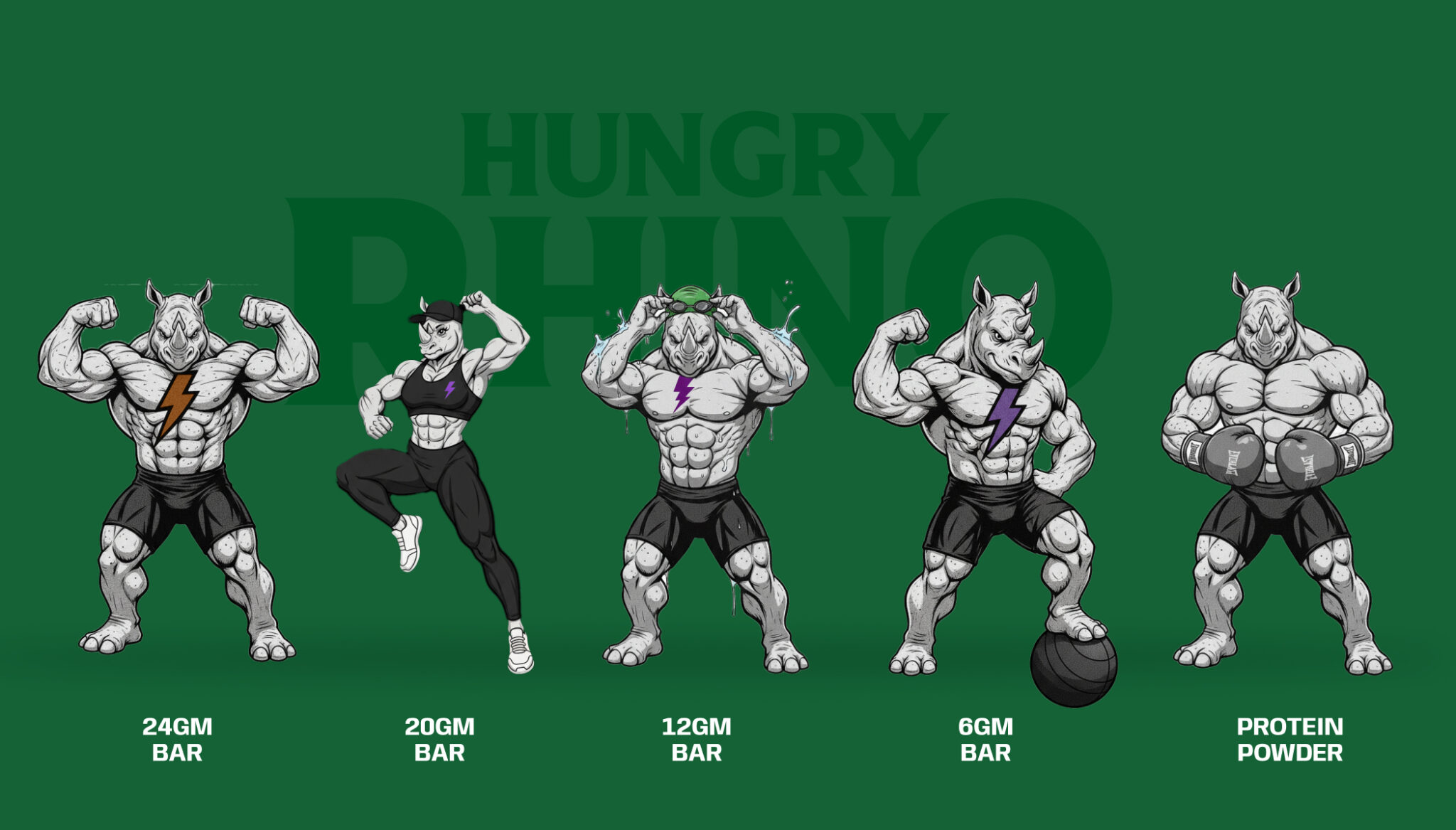
The Silent Salesperson: How Packaging Design Speaks Before the Brand Does

The organizations that prioritize experience-led branding are not just creating a name; they are crafting an ecosystem where every interaction becomes a moment of engagement, trust, and loyalty. For decision-makers, understanding this shift is crucial. It’s no longer enough to have a great product; how your brand is perceived across touchpoints determines whether customers stay or drift to competitors.

Tokenized Experiences: Designing Interfaces for Utility NFTs

The organizations that prioritize experience-led branding are not just creating a name; they are crafting an ecosystem where every interaction becomes a moment of engagement, trust, and loyalty. For decision-makers, understanding this shift is crucial. It’s no longer enough to have a great product; how your brand is perceived across touchpoints determines whether customers stay or drift to competitors.

How Motion Design Shapes Brand Identity in a Digital-First World

The organizations that prioritize experience-led branding are not just creating a name; they are crafting an ecosystem where every interaction becomes a moment of engagement, trust, and loyalty. For decision-makers, understanding this shift is crucial. It’s no longer enough to have a great product; how your brand is perceived across touchpoints determines whether customers stay or drift to competitors.

Immersive Brand Storytelling in the Experience Era

In the logistics industry, speed, reliability, and precision aren’t just operational goals — they’re brand promises. Your clients expect shipments to be tracked in real-time, routes to be optimised, and deliveries to be on schedule. But here’s a question many logistics companies overlook: does your website deliver the same standard of performance that your business does?
A high-performance website isn’t just about looking modern. It’s about reflecting your company’s ability to execute with efficiency and reliability. In an industry where decisions are made fast, the first impression often happens online — and a slow, outdated, or hard-to-navigate site can mean losing the contract before you’ve even had the chance to talk.

The Psychology Behind Successful EV Branding: Shaping Consumer Perception Without Losing Loyalty

The organizations that prioritize experience-led branding are not just creating a name; they are crafting an ecosystem where every interaction becomes a moment of engagement, trust, and loyalty. For decision-makers, understanding this shift is crucial. It’s no longer enough to have a great product; how your brand is perceived across touchpoints determines whether customers stay or drift to competitors.

From Token to Touchpoint: Building Emotional Connection in Crypto Branding

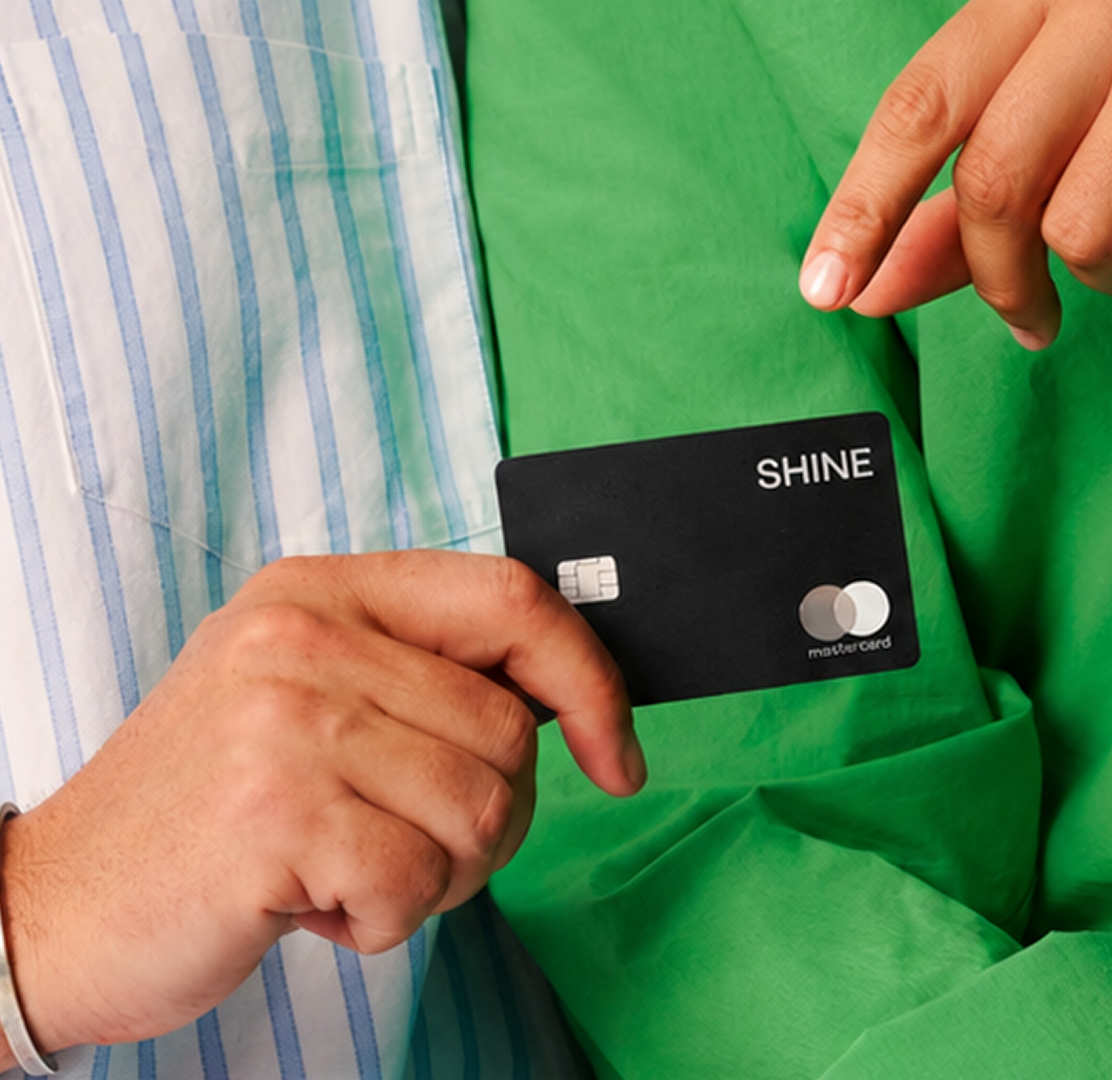
For all its groundbreaking innovation, crypto still struggles with a fundamental perception problem. To outsiders, it feels abstract, highly technical, and often intimidating. Words like “tokens,” “wallets,” and “exchanges” don’t evoke trust or warmth—they sound more like software manuals than human-centered solutions. In a market where skepticism is the norm, brand identity becomes far more than surface-level design.

Shiny Jewellery, Sloppy Creatives: The Silent Brand Killer

In the jewellery business, beauty isn’t optional — it’s the foundation. From the sparkle of a diamond to the gleam of gold, your customers expect perfection. But here’s the truth that many jewellery brands ignore: you can’t sell “luxury” with sloppy visuals. If your social media creatives, website banners, packaging, and store signage look rushed or outdated, you’re quietly telling your audience that your brand doesn’t take details seriously.

Why Experience-Led Branding Wins Customers and Loyalty ?

The organizations that prioritize experience-led branding are not just creating a name; they are crafting an ecosystem where every interaction becomes a moment of engagement, trust, and loyalty. For decision-makers, understanding this shift is crucial. It’s no longer enough to have a great product; how your brand is perceived across touchpoints determines whether customers stay or drift to competitors.

You’ve Built a Premium Brand. Don’t Let Your Website Undervalue It

You’ve done the hard work. You’ve refined your brand into something intentional and elevated. Your product is differentiated, your messaging is clear, your visual identity is sharp, and you’ve staked out a position in the market that signals quality, trust, and confidence. Internally, your teams rally behind a shared vision; externally, your audience sees you as a brand worth paying attention to. But there’s a silent problem that many premium-positioned companies face: their website doesn’t reflect the brand they’ve built. It underdelivers. And in doing so, it quietly undermines the entire perception you’ve worked so hard to create. Because no matter how refined your product or how strategic your brand positioning, if your website feels inconsistent, outdated, or unremarkable, it casts a shadow of doubt—and doubt is the last thing a premium brand can afford.