


Branding Is More Than Design, It’s Experience
Your brand isn’t just a logo. It’s not a tagline. And it isn’t something that lives only on your website. Your brand is the feeling someone gets when they think about your business, from the first impression to long after a purchase. And when people feel truly connected to a brand? They remember it. They come back. They tell their friends.
In a world where customers are overwhelmed with choice, branding is what makes you unforgettable. That’s why in this guide we’ll go beyond definitions, and walk you through what branding means, how it works, and how you can build a brand that doesn’t just look good but truly resonates with your audience.
What Is Branding?
Branding is more than just a logo or a catchy slogan, it’s the experience people have with your business. It shapes how they perceive you, both consciously and subconsciously. Every interaction, from your website to customer service, contributes to this perception. Good branding communicates your values, personality, and promise clearly. In the end, it’s what makes people remember, trust, and choose your business over others.
It includes:
- Your Words – The messaging, promises, and tone you use to communicate.
- Visuals – Logo, colors, typography, and overall design style.
- Emotions – How your brand makes people feel, like trust, excitement, or confidence.
- Consistency – Ensuring every touchpoint reflects the same personality and values.
- Reputation – The overall impression people form, both intentionally and unintentionally.
The Core Elements of Branding
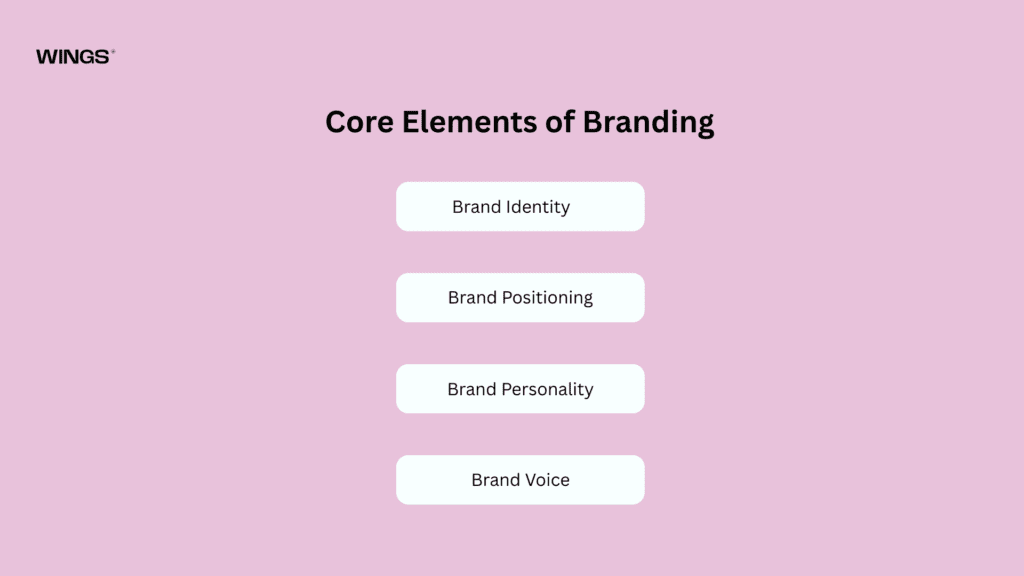
Your brand is made up of several key pieces that work together to create a complete experience. Each element plays a specific role in shaping how people perceive your business. Understanding these pieces helps you build a brand that is consistent, memorable, and trustworthy. By focusing on what matters most, you ensure your brand leaves a lasting impression.
-
Brand Identity — What You Show
Your brand identity is essentially your visual personality, the way your business presents itself to the world. It includes elements like your logo, color palette, typography, and overall design style. These visuals help people recognize your brand instantly, even without reading your name. A strong, consistent identity builds trust and makes your brand memorable. In short, it’s the first impression that sticks long after people encounter your business.
This includes:
- Logo
- Color palette
- Typography
- Graphic style
- Visual consistency
Why it matters:
Recognizable visuals make your brand instantly memorable and trustworthy. A consistent identity helps people immediately connect and think, “Oh yeah, I know them.” Even simple symbols, like a swoosh or a bitten apple, evoke strong feelings. These visuals communicate your personality without words. That’s why brand identity matters, it’s how people remember and relate to you.
-
Brand Positioning — Where You Sit in People’s Minds
Brand positioning answers one of the most important questions for any business: why should someone choose you over your competitors? It defines your unique place in the minds of your audience. Positioning clarifies who your product or service is for and what problem it solves. It highlights what makes you different and why that difference matters. In essence, strong positioning ensures your brand stands out and is remembered for the right reasons.
It’s about clearly defining:
- Target Audience – Clearly define who your product or service is designed for.
- Customer Needs – Identify the problem or challenge your offering.
- Unique Value – Highlight what sets your brand apart from competitors.
- Key Benefits – Show the specific advantages customers gain by choosing you.
- Market Position – Establish your place in the market so people understand why you exist.
Why it matters:
Clear brand positioning makes your business stand out in a crowded market. It helps people immediately understand why they should choose you over competitors. By defining your target audience, needs, and unique value, you create a message that resonates. Strong positioning communicates your purpose and benefits without confusion. That’s why brand positioning matters, it’s how people remember, trust, and choose your brand.
-
Brand Personality — How You Communicate
Your brand personality is the style and tone of your communication, the way your brand “speaks” to people across every interaction. It gives your business a recognizable character that feels consistent and authentic. Some brands are friendly and upbeat, others professional and reliable, bold and adventurous, or calm and reassuring. The right personality helps people connect with your brand on an emotional level, and emotional connections build loyalty over time.
It’s about clearly defining:
- Tone – Decide how your brand expresses itself (friendly, formal, playful, etc.).
- Consistency – Ensure every message feels like it’s coming from the same personality.
- Emotional Connection – Evoke feelings that make people relate to your brand.
- Communication Style – Shape how you interact in writing, visuals, and speech.
- Behavior & Attitude – Reflect your personality in customer interactions and overall presence.
Why it matters:
A clear brand personality makes your business feel human and relatable. It helps people immediately recognize your style across touchpoints. Consistent personality builds trust, makes interactions memorable, and encourages loyalty. By defining your personality, you create emotional connections that turn casual customers into advocates. That’s why brand personality matters, it’s how people feel connected, engaged, and confident in your brand.
-
Brand Voice — How You Sound
Your brand voice is how your personality comes to life through words. It gives your brand a recognizable tone that stays consistent across all communication, from website copy and social media posts to emails, product descriptions, and customer support messages. An effective voice feels familiar and trustworthy, like talking to a friend who really understands you. Typical traits of a strong brand voice include clarity, confidence, friendliness, and helpfulness. Consistency in voice reinforces your personality and makes every interaction feel authentically “you.”
It’s about clearly defining:
- Tone – Decide how your brand sounds (friendly, professional, witty, inspiring).
- Consistency – Keep the same voice across all channels and touchpoints.
- Clarity – Avoid jargon and confusing language.
- Emotional Connection – Make your audience feel understood and valued.
- Guidelines – Create do’s and don’ts to help everyone communicate in your voice.
Why it matters:
A clear and consistent brand voice makes your business memorable and trustworthy. It helps people immediately recognize your style and feel confident engaging with you. When your voice reflects your personality, it builds emotional connections, strengthens loyalty, and keeps your messaging aligned across all platforms. That’s why brand voice matters, it’s how people hear, relate to, and trust your brand.
Branding vs. Marketing — What’s the Difference?
Branding and marketing are two sides of the same success coin. Branding defines who you are and how people see you. Marketing promotes what you offer and drives people to act.
| Branding | Marketing |
| Defines who you are | Tells people about what you sell |
| Builds recognition over time | Drives actions now |
| Emotional connection | Measurable performance |
| Long-term value | Short-term conversions |
Think of branding as your identity, the core of who you are as a business. It defines your values, personality, and the experience you deliver. Marketing, on the other hand, is the engine that drives your brand forward. It puts your identity in front of the right people at the right time. Together, branding and marketing ensure your business is both remembered and chosen.

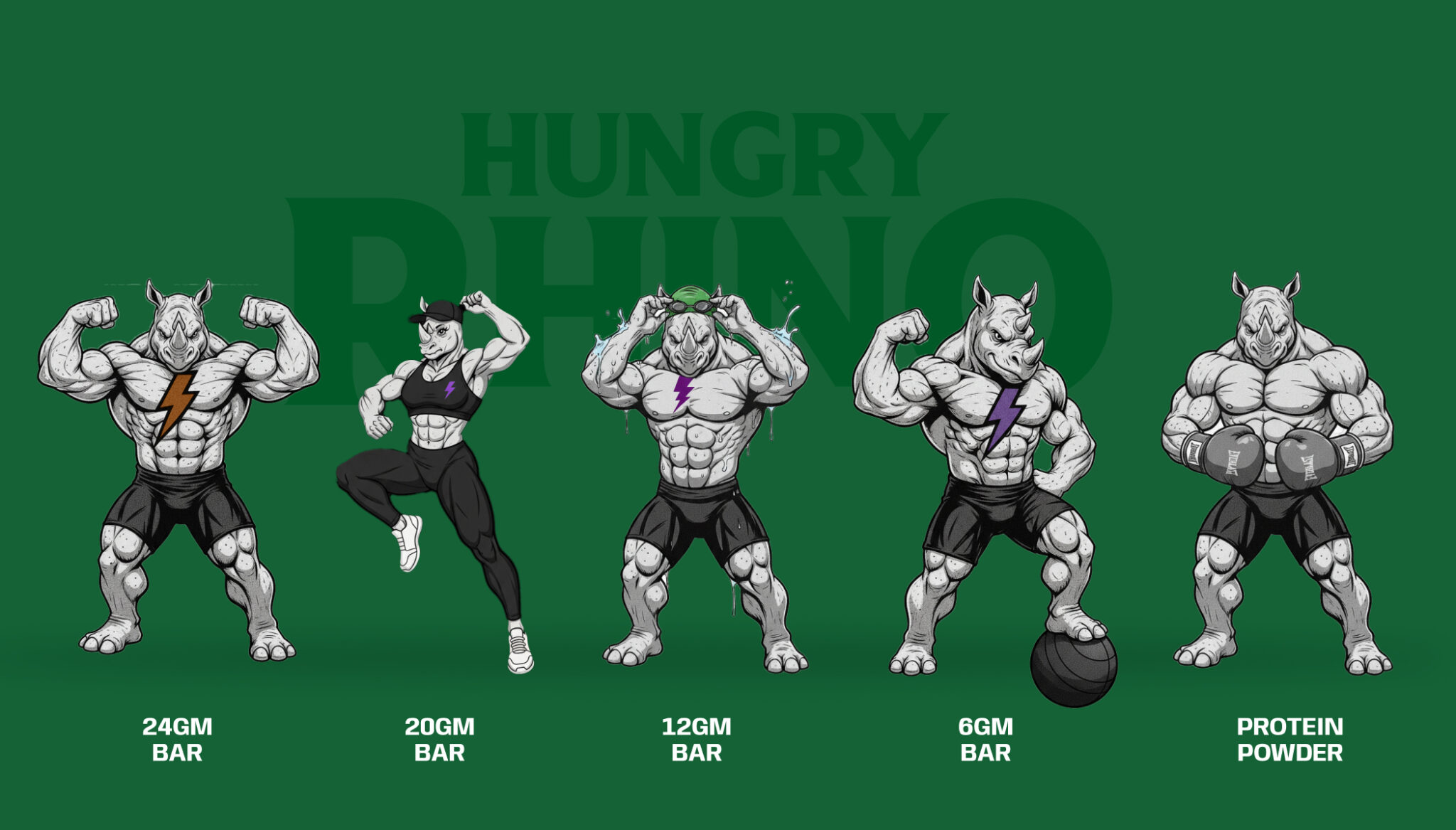
Explore the Branding behind the Hungry Rhino.
Why Branding Matters
Good branding isn’t just about looking nice, it drives results. Strong brands build trust, tell a clear story, and create lasting connections. They deliver real impact that goes beyond visuals and messaging.
-
Builds Trust
Consistent messaging and professional visuals make your brand feel reliable and credible. When people recognize your brand across channels, they develop confidence in your business. Trust encourages people to engage, make purchases, and return for more. Over time, this trust translates into stronger customer relationships. In short, trust is the foundation for lasting conversions and loyalty.
-
Tells a Clear Story
A strong brand tells a story that sets you apart from competitors. It communicates who you are, what you stand for, and why your audience should care. Clear storytelling makes your business memorable and relatable. People connect emotionally when they understand your purpose. Ultimately, a compelling story helps your brand resonate and stay top-of-mind.
-
Enables Premium Pricing
Trusted brands can command higher prices because people value reputation over cost. When customers believe in your quality and reliability, they’re willing to invest more. Strong branding signals professionalism and authority in your market. It shifts the focus from price alone to perceived value. This allows your business to thrive while maintaining profitability.
-
Creates Customer Loyalty
A brand that resonates emotionally keeps customers coming back. Loyal customers don’t just purchase repeatedly, they also share your brand with others. Consistency in experience and messaging strengthens these connections. Over time, this builds a community of advocates who promote your business naturally. Customer loyalty becomes a key driver of growth and long-term success.

Explore the Branding behind the Crypto & Beans.
How to Define Your Brand Voice (Step‑by‑Step)
Great brands don’t leave their voice to chance, they define it intentionally. A clear brand voice ensures consistency across all communications. Here’s a simple framework you can follow to create yours.
Step 1: Define Your Brand Traits
Start by choosing 3–5 words that capture how you want your brand to sound, such as helpful, confident, simple, inspiring, energetic, or thoughtful. These traits form the foundation of your brand’s personality. They guide the tone and style of all your communication. By defining these traits clearly, everyone in your team understands the voice you want to project. This ensures your brand speaks consistently, no matter the platform or audience.
Step 2: Create Voice Guidelines
Next, write simple voice guidelines that clarify how your brand communicates. For example, you might note: “We are professional, not cold; confident, not arrogant; friendly, not casual.” These rules act as a reference for anyone creating content for your brand. They help maintain consistency across website copy, social media, emails, and other channels. Clear guidelines ensure your brand voice is always recognizable and cohesive.
Step 3: Create “Do” and “Don’t” Lists
A practical way to enforce your brand voice is with “Do” and “Don’t” lists. Specify phrases and styles your brand should use, like “Let’s get you launched” or “Discover what’s possible.” At the same time, list what to avoid, such as “Purchase here” or “Lowest price guarantee.” This approach prevents your messaging from sounding pushy or inconsistent. It keeps your communication helpful, inspiring, and aligned with your brand personality.
Step 4: Test and Refine
Before rolling out your brand voice fully, test it across different channels and audiences. A/B test headlines, observe emotional reactions, and identify any words or phrases that feel off. Gather feedback to see how well your voice resonates with your target audience. Over time, refine your voice while keeping it anchored in your core traits. Continuous improvement ensures your brand voice remains relevant, engaging, and authentic.
Real‑World Branding: Why It Worked
Let’s explore how successful brands bring their voice and identity to life. By using consistent messaging and visuals, they create strong recognition. These strategies show how branding drives connection and loyalty.
-
. Apple — Simplicity & Confidence
Apple focuses on the impact of its products rather than explaining every technical feature. Its messaging is clear, minimal, and confident, creating a sense of trust and elegance. This simplicity allows people to understand the value instantly. Apple’s consistent brand voice and visual identity reinforce its premium image. That clarity and confidence are what make Apple instantly recognizable and memorable.
-
Nike — Inspiration First
Nike centers its messaging around the customer, the athlete, the dreamer, the mover rather than technical specs. Its brand voice feels like a motivational pep talk, inspiring action and confidence. By connecting emotionally, Nike builds loyalty and encourages personal achievement. The combination of consistent visuals, slogans, and storytelling strengthens its identity. That emotional resonance is what makes Nike a powerful and unforgettable brand.
Branding in Practice: Step‑by‑Step Guide
Here’s how you can start building your brand today. By taking deliberate steps, you can create a clear and memorable identity. These actions will help your business connect with the right audience and stand out in the market.
Step 1: Know Your Purpose
Start by asking yourself why your business exists and what meaningful change it brings to people’s lives. Your purpose forms the foundation of your brand and guides every decision. It helps you communicate authentically and attract the right audience. A clear purpose also inspires your team and builds alignment. Your brand truly begins with understanding the “why” behind what you do.
Step 2: Know Your Audience
Identify who your ideal customers are and what keeps them up at night. Understand their needs, preferences, and the language they use. By speaking directly to them, your brand becomes relatable and memorable. Avoid generic industry jargon that doesn’t resonate. A brand that truly knows its audience builds stronger connections and loyalty.
Step 3: Build Your Identity
Choose your brand’s visual elements, colors, fonts, logo style, that reflect your personality and values. Apply these consistently across your website, social media, emails, and marketing materials. Consistency reinforces recognition and builds trust. Your identity is how people see and remember your brand at a glance. Strong visual identity ensures your brand stands out in a crowded market.
Step 4: Write Your Brand Guidelines
Document your brand voice and visual standards in a clear, easy-to-follow guide. This ensures everyone, whether internal team members or external partners, communicates consistently. Guidelines cover tone, style, visuals, and messaging. They help prevent misrepresentation and keep your brand cohesive. Clear guidelines make it easier to maintain a strong, recognizable brand.
Step 5: Update Regularly
As your business grows and markets evolve, your brand should adapt while staying true to its core identity. Regular updates ensure your messaging and visuals remain relevant and engaging. Review your guidelines and materials periodically to reflect new insights or changes. Evolution helps your brand stay fresh and resonate with your audience. Continuous refinement keeps your brand consistent yet dynamic.
Common Branding Mistakes to Avoid
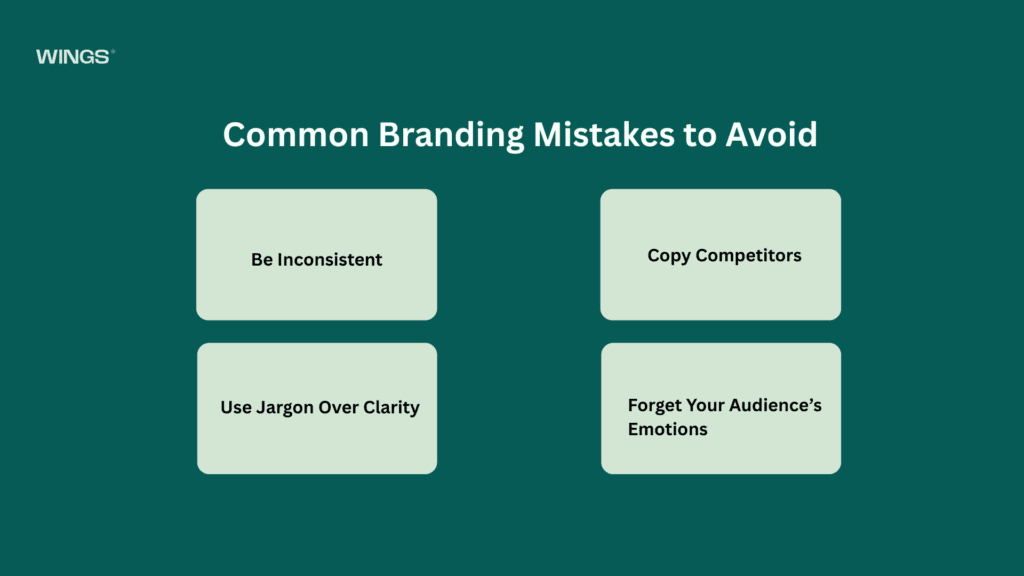
Branding isn’t just about being creative, it’s a strategic process that shapes perception. Avoid common mistakes that weaken your identity. Here’s what not to do to build a strong, memorable brand.
Be Inconsistent, Different Tone on Website vs. Social Media
Using different tones across channels confuses your audience and weakens your brand identity. Consistency in messaging and style helps people recognize and trust your brand. Every interaction should feel like it comes from the same “voice.” Inconsistent communication makes your brand feel scattered or unreliable. Strong branding requires a cohesive experience everywhere your audience encounters you.
Copy Competitors, Mimicry Never Builds Identity
Imitating other brands might feel safe, but it prevents you from standing out. Your audience wants something authentic and original, not a copy of someone else. Unique branding differentiates you in a crowded market. Developing your own identity builds credibility and trust over time. True brand loyalty comes from originality, not imitation.
Use Jargon Over Clarity
Overly technical or complicated language can alienate your audience. Clear, simple messaging ensures people understand your value instantly. Avoiding jargon helps your brand feel approachable and human. When your audience easily grasps what you offer, they’re more likely to engage. Clarity strengthens recognition and emotional connection with your brand.
Forget Your Audience’s Emotions
Brands that ignore how their audience feels fail to create meaningful connections. Emotional resonance drives loyalty, trust, and long-term engagement. Consider how people experience your messaging, visuals, and interactions. Tapping into feelings helps your brand stand out and be remembered. Great branding always balances strategy with empathy.
Conclusion
Branding isn’t a logo.
It’s not just marketing.
It’s the story you tell, through visuals, voice, and consistent experience.
When you clearly articulate who you are as a business and why it matters, you go beyond simply being seen. People start to understand your values, purpose, and the unique impact you bring. This clarity helps your audience relate to your brand on a deeper level. It turns casual observers into engaged customers who care about your story. A strong brand creates emotional connections that last over time. That’s the true power of a great brand, being remembered, trusted, and chosen.

Thanseem
Junior UI/UX Designer