
A website is one of the most important investments a growing business can make. It shapes how customers perceive a brand, how easily they access information, and how confidently they engage with its products or services. Yet, many businesses approach website development as a one-time project, focusing primarily on design, delivery timelines, and development costs. What often gets overlooked is how the website will support the business as it grows.
As India’s digital economy continues to evolve, businesses are becoming more conscious of the role their websites play in customer acquisition, brand positioning, and operational efficiency. From emerging startups to established enterprises, the expectations are shifting towards digital platforms that are visually distinctive, technically reliable, and built for long-term use.
Before investing in website development in India, businesses need to understand what goes into building an effective digital presence, which capabilities matter, and how to choose an approach that delivers value beyond launch day.
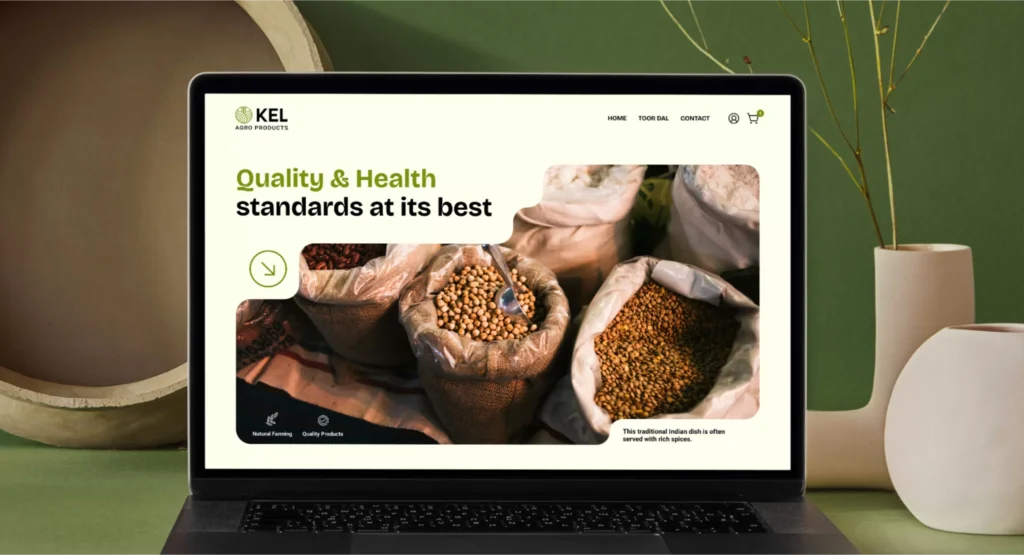
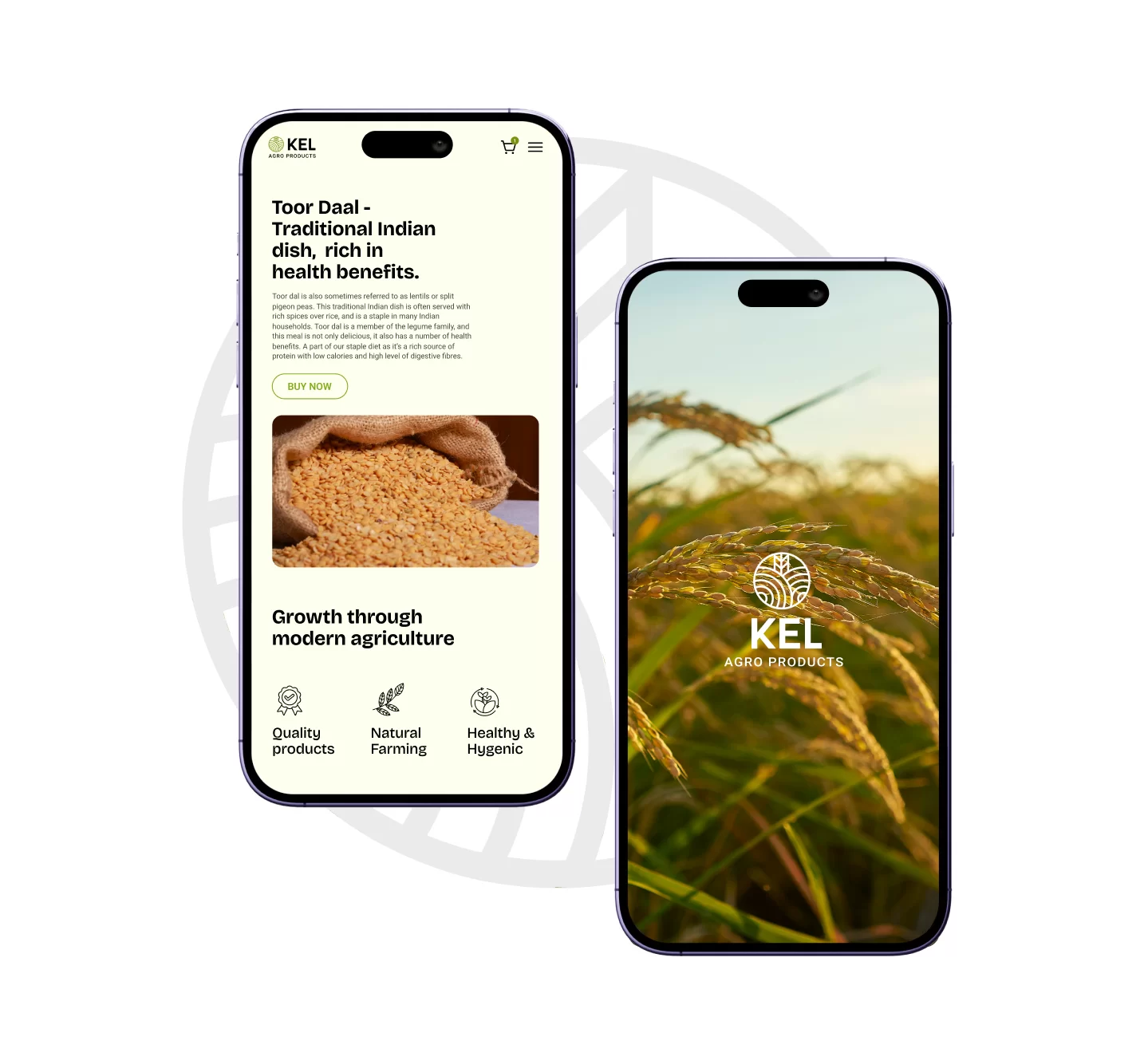
Explore Wings Design’s branding and website development for Kel
1. Start With Business Objectives, Not Just Website Features
One of the most common mistakes businesses make is beginning a website project with a list of features rather than a clear understanding of what the website needs to achieve. A corporate website, for instance, may need to communicate organisational capabilities and generate qualified enquiries, while an ecommerce platform needs to simplify product discovery and purchasing.
Defining the purpose of the website helps establish the right direction for design, development, and content. Businesses should consider their target audience, key conversion goals, brand positioning, and the role the website will play within their larger marketing strategy. These decisions influence everything from the information architecture to the technology stack, ensuring that the final platform serves a meaningful business purpose.
2. Understand the Importance of UI/UX Design
A website may have impressive visuals, but that does not automatically make it effective. Its success depends on how easily visitors can navigate the platform, understand the information, and complete their intended actions. This is where user interface and user experience design become essential.
A thoughtful UI/UX process considers user behaviour, navigation patterns, content hierarchy, accessibility, and consistency across devices. It ensures that every interaction has a purpose and that the overall experience feels intuitive. For growing businesses, investing in good UX can help reduce friction, improve engagement, and create a stronger impression of the brand.
3. Choose the Right Website Development Approach
Not every business needs the same development approach. The choice of platform and technology should depend on the website’s objectives, complexity, content requirements, and future plans.
For design-led corporate websites, Webflow offers flexibility in visual execution and content management. Businesses looking to build or expand online stores may find Shopify suitable for managing products, collections, and transactions. Projects involving specialised workflows, complex integrations, or unique functionality may benefit from custom website development.
The important consideration is not choosing the most popular technology, but selecting one that aligns with your business requirements. A suitable development approach should make the website easier to manage today while allowing it to evolve without unnecessary technical limitations.
4. Consider Scalability Before You Invest
A growing business rarely has the same digital requirements two or three years down the line. New services, changing customer expectations, additional markets, and expanding content requirements can all influence how a website needs to function.
This makes scalability an important consideration during development. A flexible content management system, well-structured architecture, reusable components, and carefully planned integrations can make future updates easier. Businesses should also consider how the website will accommodate new landing pages, marketing campaigns, additional languages, and third-party tools.
Planning for growth at the beginning can prevent expensive redevelopment later. Instead of building only for immediate requirements, businesses should invest in a platform that can adapt as their priorities change.

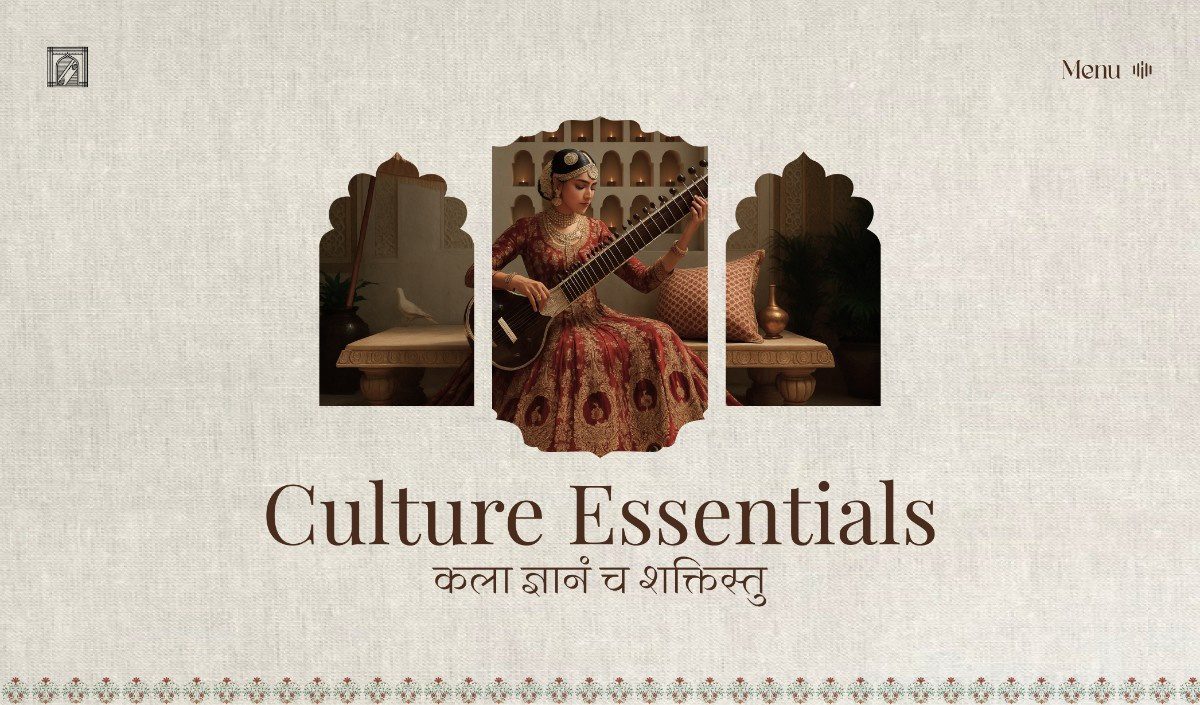
Explore Wings Design’s website design for Culture Essentials
5. Don’t Overlook Website Performance and SEO
A visually engaging website needs a strong technical foundation to perform effectively. Slow loading times, poor mobile experiences, broken links, and inefficient page structures can affect both usability and search visibility.
Performance optimisation should be considered throughout the development process. This includes responsive design, image compression, efficient code, appropriate hosting, and reliable integrations. Search engine optimisation also needs to be incorporated into the website architecture through crawlable navigation, clean URL structures, metadata, heading hierarchy, structured data, and internal linking.
When SEO is considered from the beginning rather than added after launch, businesses have a stronger foundation for organic visibility. It also reduces the need for extensive structural changes when the website begins targeting competitive search terms.
6. Evaluate the Total Investment, Not Just Development Costs
Website development costs can vary considerably depending on the scope, design complexity, technology, integrations, and level of customisation involved. Comparing agencies purely on their initial quotations can therefore lead to decisions that overlook the actual value of the project.
Businesses should consider the complete investment, including discovery, strategy, UI/UX design, development, content integration, testing, hosting, maintenance, and future improvements. A lower initial cost may not necessarily translate into better long-term value if the website requires frequent fixes, has limited flexibility, or cannot accommodate new requirements.
The objective should be to invest in a website that meets business needs, offers a strong user experience, and remains maintainable as the organisation grows.
7. Choose a Website Development Company That Understands Your Business
The agency you choose can have a significant influence on the quality and direction of your website. Beyond technical capabilities, look for a team that understands your industry, audience, business objectives, and brand positioning.
Review its portfolio to understand the quality of its design and development work. Evaluate its approach to discovery, communication, project management, testing, and post-launch support. It is also worth understanding whether the team brings design, branding, and development expertise together or treats them as disconnected activities.
A strong development partner should be able to question assumptions, identify opportunities, and recommend solutions that make sense for your business. This collaborative approach helps ensure that the website is not simply delivered, but thoughtfully built around the organisation’s long-term direction.
8. Plan for What Happens After Launch
Launching a website is an important milestone, but it is not the end of the process. Digital platforms need regular attention to remain relevant, secure, and effective. Content updates, performance monitoring, technical maintenance, security checks, and improvements based on user behaviour all contribute to the long-term success of a website.
Businesses should establish a clear post-launch plan that covers maintenance responsibilities, content management, analytics, and future enhancements. Tracking metrics such as engagement, enquiry submissions, conversion rates, and organic traffic can also reveal where the experience needs improvement.
Treating the website as an evolving business asset rather than a finished project helps organisations get more value from their initial investment.
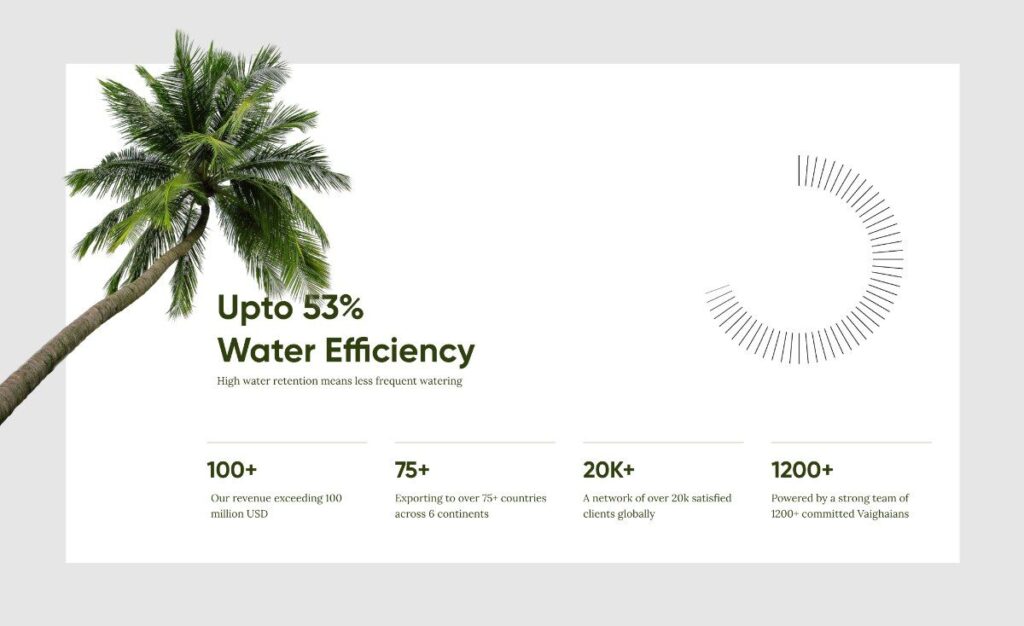
Explore Wings Design’s digital experience for Vaighai
Building a Website That Is Ready for What’s Next
Investing in website development in India is about more than selecting a platform, finalising a design, or finding a team that can deliver within a deadline. It requires a clear understanding of business objectives, customer expectations, technology, and the role digital experiences play in long-term growth.
For businesses looking to establish a stronger digital presence, the right approach brings strategy, branding, user experience, and development together. At Wings Design, we create design-led digital experiences that help businesses communicate better, engage their audiences, and build for what comes next.
From corporate websites and ecommerce platforms to custom digital experiences, our focus is on creating websites that combine thoughtful design with technology built for scale.
Planning your next website investment? Explore Wings Design’s website development ser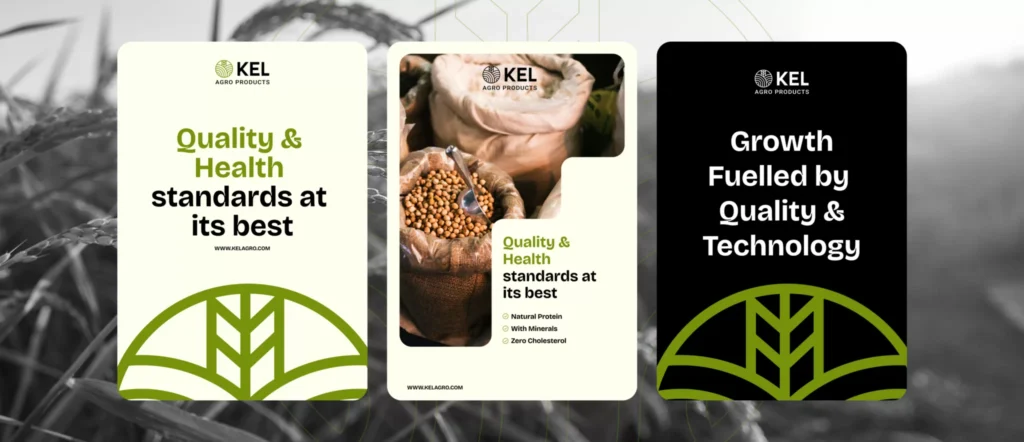 vices and discover what’s possible when strategy, design, and technology work together.