
For large organisations, branding goes far beyond choosing a logo, defining brand colours, or creating a memorable tagline. It is about building a recognisable identity that communicates what the business stands for, earns customer trust, and maintains consistency across markets, platforms, and business units. As enterprises expand their operations, enter new markets, and serve increasingly diverse audiences, a well-defined brand becomes an important business asset.
Enterprise branding brings together strategy, visual identity, messaging, and customer experience to create a unified brand presence. It helps established businesses communicate their value more effectively, differentiate themselves from competitors, and build stronger relationships with customers, employees, and stakeholders.
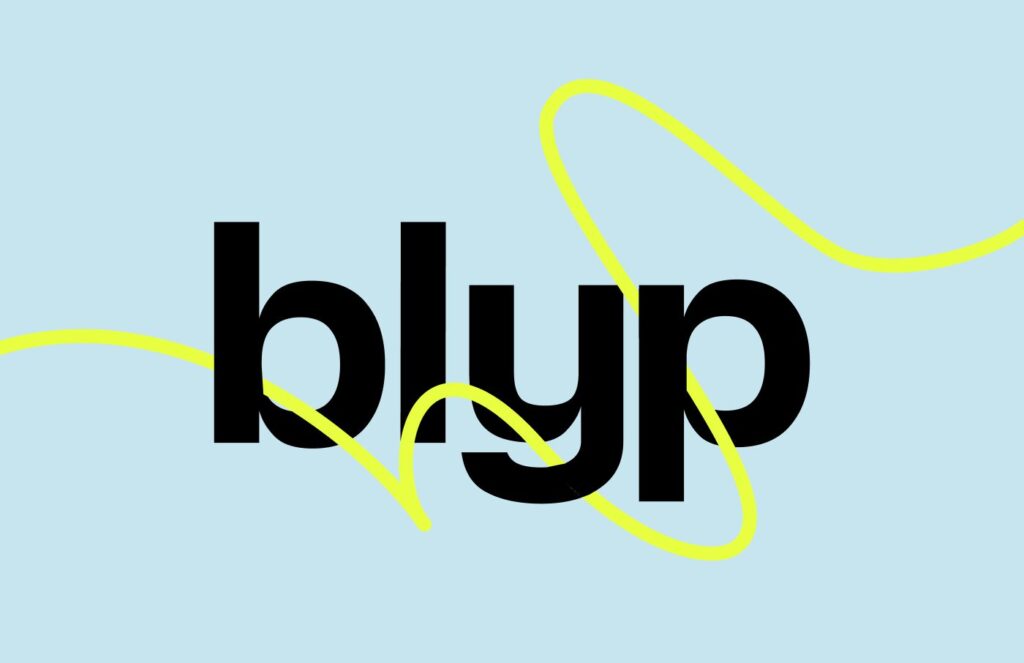
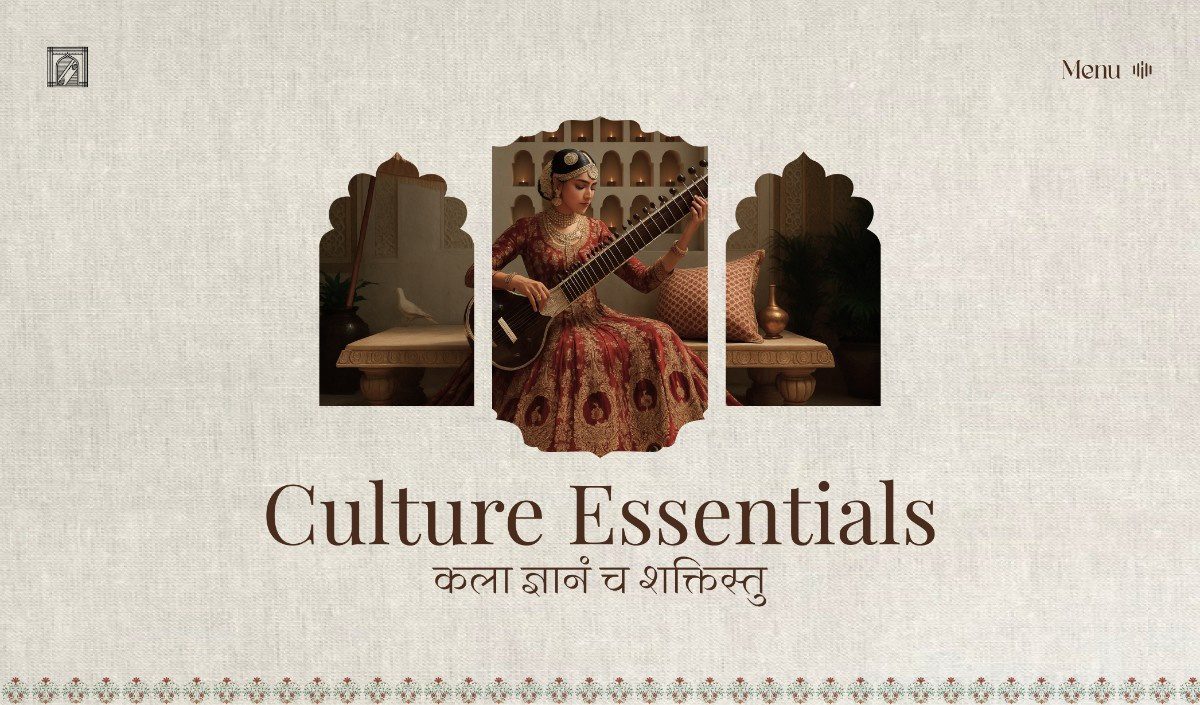
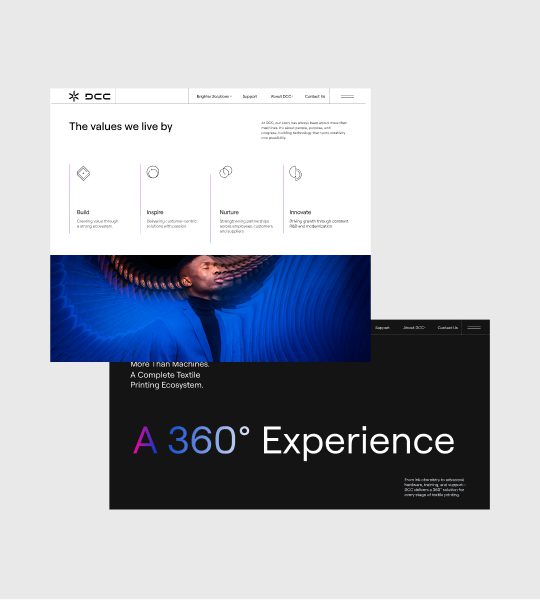
Explore Wings Design’s branding and website design for Blyp.
Why Enterprise Branding Matters for Established Businesses
As businesses grow, maintaining a consistent brand identity becomes increasingly complex. Different departments, regional teams, product lines, and communication channels can create fragmented brand experiences. Without a clear branding framework, even established organisations risk losing their distinct identity.
A strategic enterprise branding approach establishes a common direction across the organisation. It ensures that every interaction, from a corporate website and sales presentation to packaging and internal communication, reflects the same brand values. This consistency strengthens recognition and helps customers develop a clearer understanding of the organisation.
More importantly, strong branding gives enterprises a competitive advantage. In crowded industries, businesses with a distinctive identity and clearly communicated positioning are better equipped to build credibility and remain relevant.
5 Key Elements of a Successful Enterprise Branding Strategy
1. A Clear and Distinct Brand Positioning
Brand positioning defines how an organisation wants to be perceived in its market. For enterprises operating across multiple industries or geographical regions, a clear positioning strategy helps communicate their unique strengths and business value.
It involves understanding the target audience, competitive landscape, organisational strengths, and long-term business objectives. A well-defined positioning framework ensures that brand communication remains relevant while creating a recognisable difference in the marketplace.
2. A Consistent Corporate Visual Identity
Visual identity plays a significant role in how people recognise and remember a brand. It includes the logo, typography, colour palette, imagery, graphic elements, and overall design language.
For large organisations, these elements need to work consistently across digital platforms, marketing materials, corporate documents, product packaging, and physical environments. A comprehensive brand identity system gives internal teams the flexibility to create communication materials while maintaining visual consistency.
3. Strategic Brand Messaging and Communication
An enterprise brand must communicate its value clearly across different audiences. Customers, investors, employees, and business partners may each interact with the organisation for different reasons.
A strong brand messaging framework establishes the organisation’s tone of voice, key messages, brand narrative, and communication principles. This ensures that every touchpoint communicates a consistent story without making the brand sound repetitive or disconnected.
4. A Scalable Brand Architecture
As enterprises introduce new products, acquire businesses, or expand into different markets, their brand structures can become increasingly complicated. Brand architecture provides a clear framework for organising the parent brand, subsidiaries, product brands, and service offerings.
A well-planned architecture helps customers understand the relationship between different offerings while preserving the overall identity of the organisation. It also makes future brand expansion and portfolio management more structured.
5. Consistent Digital Brand Experiences
A corporate website is often one of the first places potential customers, investors, and business partners interact with an enterprise. Its design, navigation, content, and functionality should reflect the organisation’s positioning and brand identity.
Enterprise digital branding extends beyond websites to include mobile applications, social media, digital campaigns, presentations, and other online touchpoints. Creating a consistent digital experience helps businesses communicate credibility, improve engagement, and establish a stronger online presence.
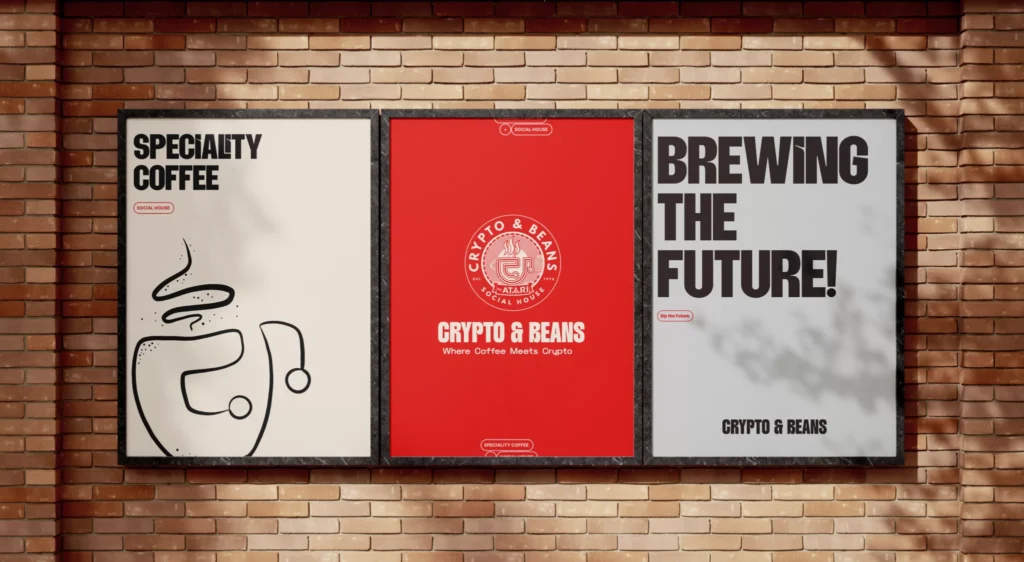
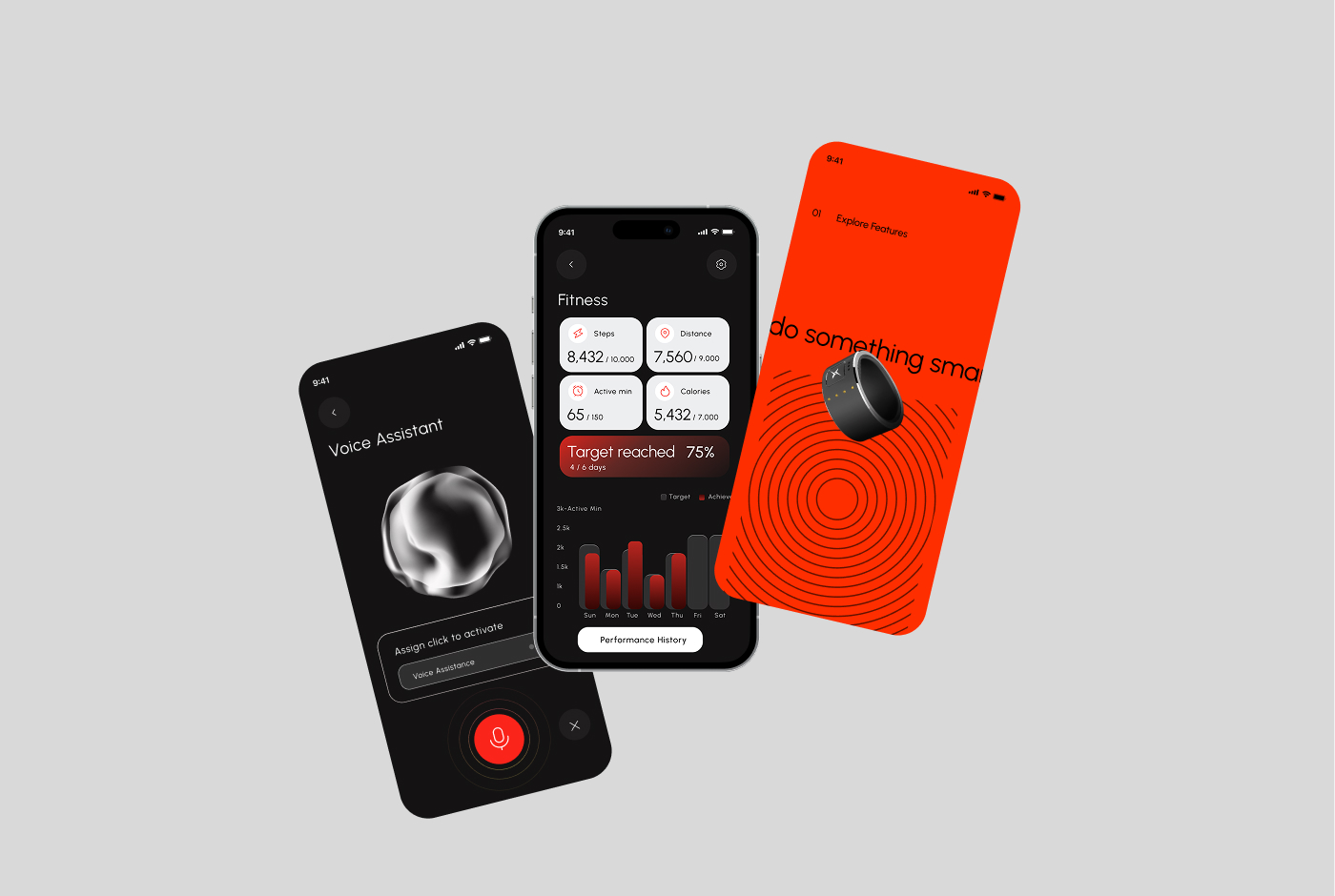
Explore Wings Design’s branding for Crypto Bean.
The Role of Brand Guidelines in Enterprise Growth
Brand guidelines are essential for maintaining consistency across large organisations. They document how visual and verbal brand elements should be used, giving internal teams, marketing departments, and external agencies a shared reference point.
Comprehensive brand guidelines typically cover logo applications, typography, colours, imagery, layouts, tone of voice, messaging, and digital design standards. They also establish rules for adapting brand assets across different platforms and communication formats.
For enterprises operating across multiple locations, these guidelines help reduce inconsistencies and ensure that every team communicates the same brand identity. They also make onboarding new employees, agencies, and business partners more efficient.
When Should an Enterprise Consider Rebranding?
Rebranding is not limited to businesses experiencing declining recognition or outdated visual identities. Established organisations may need to revisit their branding as their business objectives, market positioning, or customer expectations evolve.
Some common reasons to consider an enterprise rebrand include:
- Business expansion: Entering new markets or introducing new services may require a more relevant brand positioning.
- Mergers and acquisitions: Combining different organisations requires a unified brand strategy and identity.
- Changing customer expectations: Evolving audience preferences may call for more contemporary brand communication.
- Inconsistent brand experiences: Disconnected messaging and visual identities across departments can weaken brand recognition.
- Digital transformation: New digital products and platforms may require a more flexible and scalable identity system.
A successful rebrand should be guided by business strategy rather than visual trends alone. The objective is to create a brand that reflects the organisation’s direction while preserving the trust and recognition it has already established.

Explore Wings Design’s branding and visual identity for Hungry Rhino.
How a Branding Agency Can Help Enterprises Build Stronger Brands
Building and managing an enterprise brand requires strategic thinking, creative expertise, and a clear understanding of business objectives. A specialised branding agency can help organisations translate their vision into a distinctive and consistent brand experience.
From brand research and positioning to visual identity development, brand architecture, and digital applications, the process brings together different aspects of brand building under one strategic direction.
The right branding agency also considers scalability from the beginning. This ensures that the identity system can adapt to new markets, products, and communication channels without losing its core character.
Build a Stronger Enterprise Brand with the Right Branding Agency in Mumbai
Building a distinctive enterprise brand requires more than an attractive visual identity. It calls for a strategic approach that connects business objectives with brand positioning, communication, and customer experience. Whether you are establishing a new identity or evolving an established brand, the right creative direction can help your organisation stand out in competitive markets.
Wings Design brings together branding strategy, visual identity, and digital expertise to create cohesive brand experiences for ambitious businesses. As a branding agency in Mumbai, Wings Design helps organisations build distinctive identities that communicate value, strengthen recognition, and support long-term business growth.
Explore Wings Design’s branding services in Mumbai to discover how strategic branding can move your business forward.