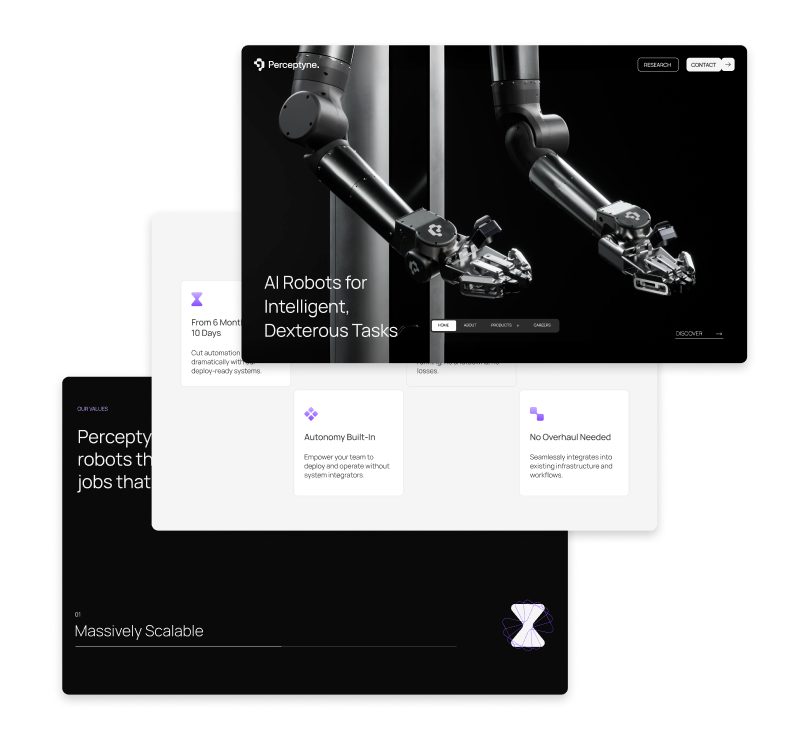


Imagine a potential customer shortlisting three companies for an important business requirement. All three offer comparable services, have credible experience and appear capable of delivering the job. Naturally, the customer visits their websites to understand what each business brings to the table. One website feels outdated, another communicates little beyond a list of services, while the third presents its expertise through a polished interface, compelling project showcases and clear messaging. Even before speaking to anyone, the customer has started forming an opinion.
This is where your website becomes more than a digital address. It becomes an extension of your brand, a reflection of your business standards and an important part of how potential customers evaluate your credibility. Your company might have years of experience, an impressive client portfolio and a strong delivery record, but if your website fails to communicate that effectively, those strengths may not receive the attention they deserve.
In competitive markets, having a website is no longer enough. What matters is how well it represents your business, communicates your value and creates confidence among the people you want to reach. And if your competitors are doing that better, it might be time to look beyond what you offer and examine how your business is being perceived online.
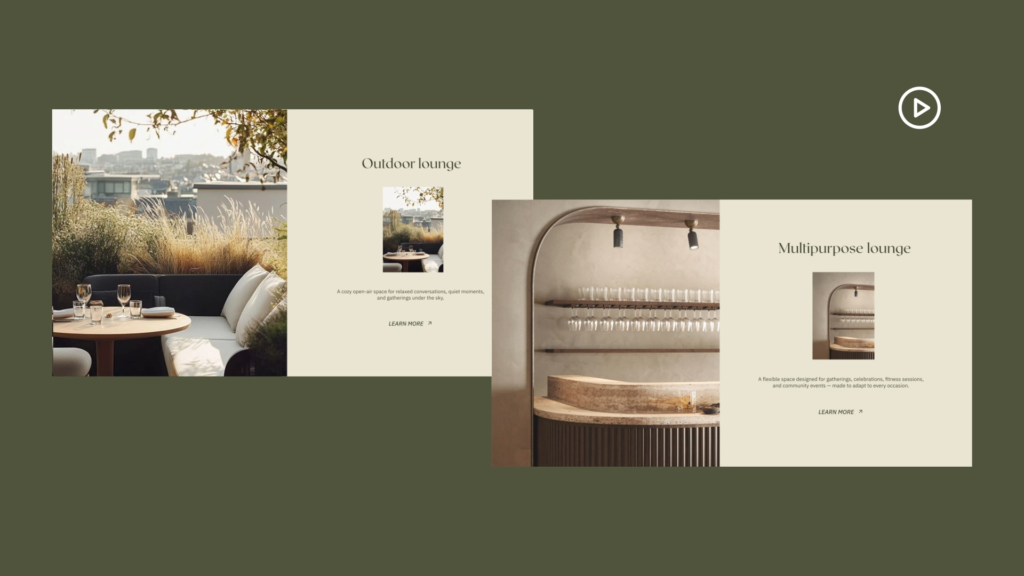
Explore Wings Design’s website design for Evos, a real estate company from Chennai, India.
1. Customers Don’t Just Compare Services. They Compare Experiences.
Businesses often assume that customers make decisions based primarily on pricing, service quality, expertise or reputation. While these factors remain important, the digital experience surrounding a brand increasingly influences how customers evaluate their options. A website is often one of the first places where potential customers look for evidence that a company can deliver on its promises.
Consider two businesses offering similar services. One has a cluttered website with outdated visuals, unclear service descriptions and difficult navigation. The other communicates its capabilities through a structured layout, relevant case studies, strong visual storytelling and straightforward calls to action. The second business has already made it easier for visitors to understand its value. It has reduced uncertainty and created a more confident impression without requiring a sales conversation.
This does not mean a better-looking website automatically wins every customer. However, a well-designed digital experience can influence whether people stay long enough to explore your services, understand your expertise and consider taking the next step. When customers have several options, every interaction contributes to their perception of the business behind it.
2. Five Website Problems That Can Undermine Your Business Credibility
A website does not necessarily need a complete overhaul to create a better impression. Sometimes, a handful of overlooked design and experience issues can make a business appear less capable or relevant than it actually is. Identifying these problems is the first step towards building a stronger digital presence.
1. An Outdated Visual Identity
Visual design influences how people interpret a brand. Inconsistent typography, dated layouts, low-quality imagery and an interface that feels disconnected from your current positioning can make your business appear out of step with the market. This becomes particularly noticeable when competitors present their brands through more considered and contemporary digital experiences.
An outdated website can also create a disconnect between the quality of your actual work and how that quality is represented online. If your business has evolved, expanded its capabilities or moved towards a more premium market, your website should reflect that progress. A thoughtful visual identity helps establish consistency between what your business delivers and what customers experience.
2. Unclear Messaging and Service Positioning
Visitors should not have to work hard to understand what your business does. When the homepage relies on generic statements, service descriptions lack clarity or the value proposition is buried beneath unnecessary content, potential customers may struggle to identify whether your company is right for them.
Effective website communication goes beyond listing services. It explains what you do, who you serve and what makes your approach relevant. Clear messaging, supported by a well-planned content hierarchy, helps visitors navigate information without confusion. More importantly, it gives your business a distinct voice instead of making it sound like every other company in the industry.
3. Poor Navigation and User Experience
Even a visually impressive website can lose its impact when visitors cannot find what they need. Complicated menus, inconsistent page structures, excessive clicks and confusing navigation create friction throughout the browsing experience. These problems become more significant on corporate websites with multiple service categories, industries, case studies and information-heavy sections.
User experience design addresses these challenges by organising information around how people actually explore a website. Intuitive navigation, logical page flows, clear visual hierarchy and accessible interactions make it easier for visitors to move from discovery to consideration. When the experience feels effortless, customers can focus on evaluating your business rather than figuring out how your website works.
4. Generic Templates That Fail to Differentiate Your Brand
Templates can offer a convenient starting point, but a website that looks and feels like dozens of others may struggle to communicate what makes your business distinctive. Repeated layouts, predictable visual patterns and generic stock imagery often leave little room for meaningful brand expression.
Your website should be shaped around your business objectives, audience expectations and brand positioning. Custom website design allows the visual language, content structure and interactions to work together as one coherent experience. The goal is not to make your website unnecessarily complicated. It is to create something recognisable, relevant and aligned with the identity you want your business to establish.
5. A Weak Mobile Experience
Your website might look impressive on a desktop, but that is only one part of the experience. Potential customers, business stakeholders and decision-makers also browse websites on smartphones and tablets. If content becomes difficult to read, buttons are poorly positioned or navigation feels awkward on smaller screens, the experience can quickly lose its effectiveness.
Responsive website design ensures that layouts, typography, imagery and interactions adapt to different screen sizes. It is not simply about shrinking a desktop design to fit a mobile screen. It requires a considered approach to content prioritisation, usability and performance across devices. A consistent experience helps maintain your brand’s credibility regardless of how someone accesses your website.
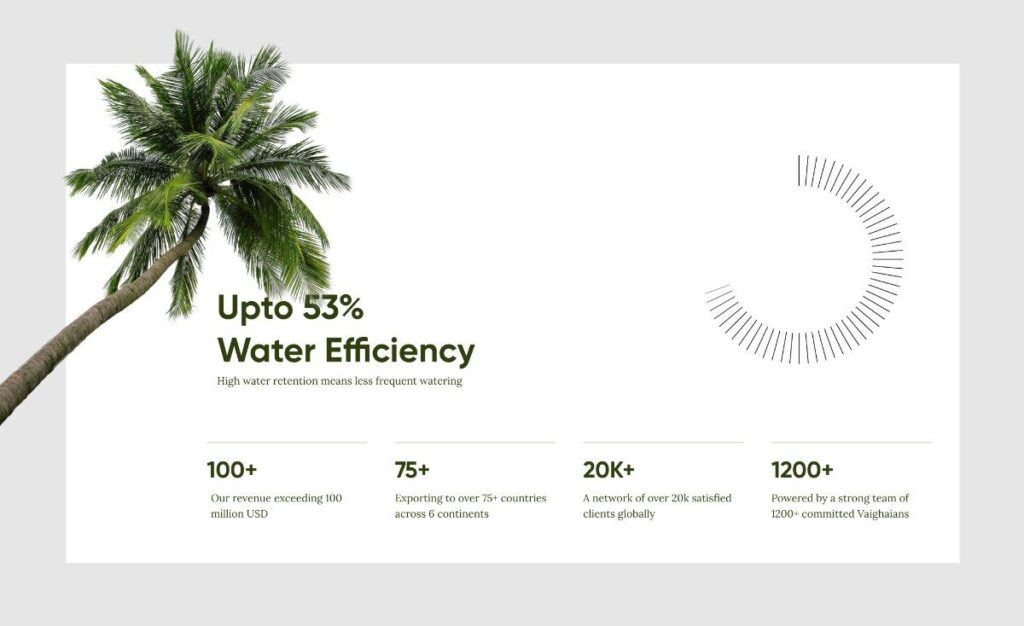
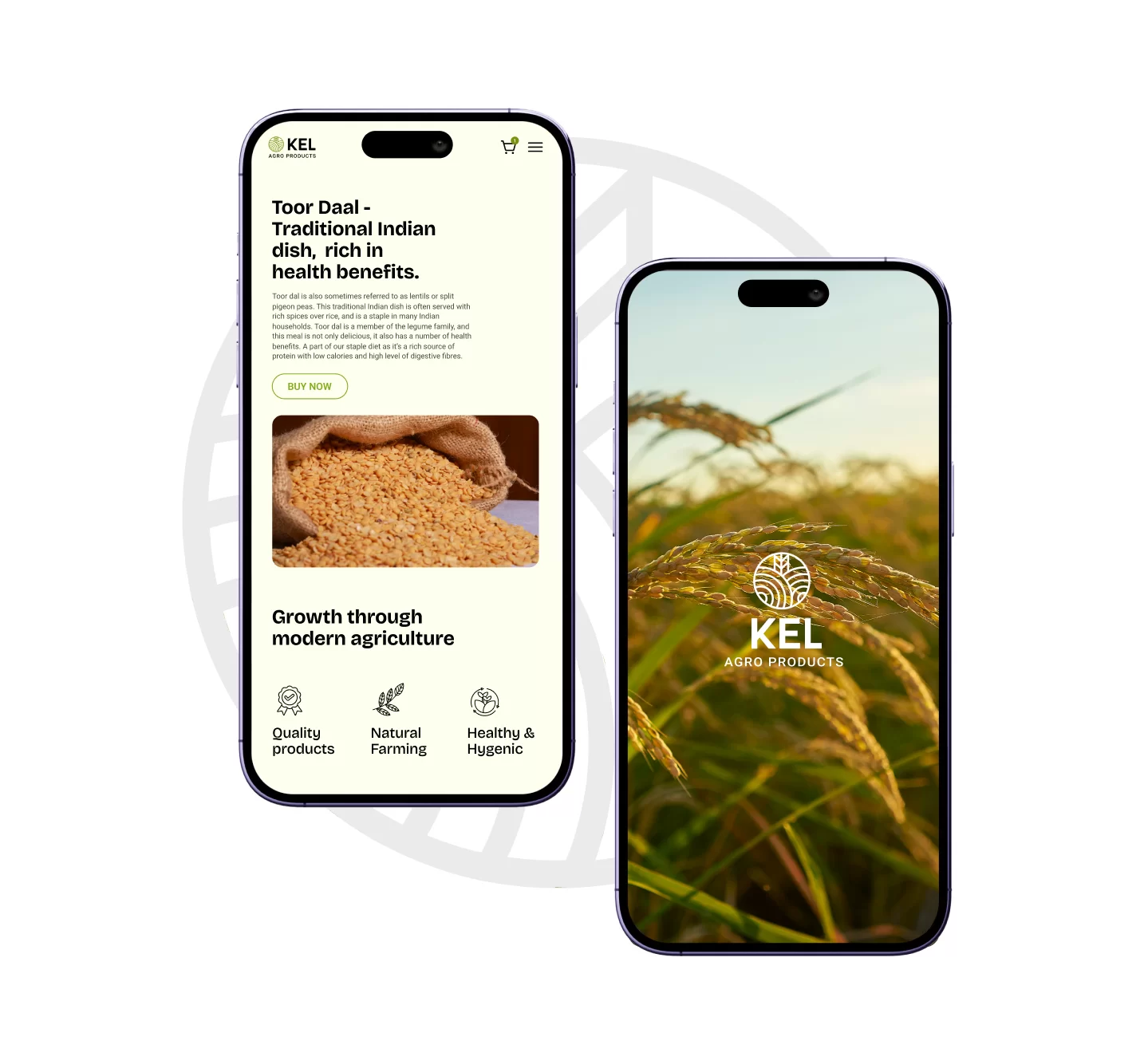
Explore Wings Design’s website design for Vaighai, an agricultural and food processing company from Madurai, India.
3. Your Website Should Reflect the Quality of Your Business
There is often a significant gap between what a business delivers and what its website communicates. An established company may have an impressive track record, a capable team and a portfolio of complex projects, yet its digital presence might still rely on an outdated design or generic messaging. This disconnect can weaken the way potential customers perceive its capabilities.
A well-designed business website bridges that gap. It brings together brand identity, content strategy, user experience and technology to create a digital presence that reflects the organisation’s actual strengths. From the way services are introduced to how case studies are presented, every element should contribute to a consistent understanding of the business.
For growing companies, this becomes even more important. As businesses enter new markets, target larger clients or introduce new services, their websites need to evolve alongside those ambitions. A digital presence built for an earlier stage of growth may no longer communicate the scale, sophistication or direction of the organisation. Investing in the right website design and development approach helps ensure that your online presence keeps pace with your business.
4. What Makes a Business Website Feel Credible?
Credibility is rarely established through a single design element. It emerges from the combined effect of visual presentation, communication, usability and the quality of information available to visitors. A website that gets these fundamentals right creates a more cohesive and reassuring experience.
A distinctive visual identity: Consistent typography, considered colour palettes, purposeful imagery and a cohesive design language help create a recognisable brand presence. Every page should feel like part of the same organisation rather than a collection of disconnected layouts.
Clear positioning and messaging: Visitors should quickly understand what your business offers and why it matters. Well-written headlines, concise service descriptions and a logical content hierarchy make your value proposition easier to understand.
Intuitive navigation: Information should be organised around the needs of your audience. Clear menus, predictable interactions and well-structured pages help visitors explore your business without unnecessary friction.
Relevant work and social proof: Case studies, client stories, project outcomes, testimonials and industry experience provide meaningful context about your capabilities. They help move your website beyond claims and give potential customers something tangible to evaluate.
Responsive design and performance: A credible digital experience should remain consistent across devices. Fast-loading pages, accessible interfaces and reliable functionality contribute to a smoother experience and help visitors engage with your content.
Together, these elements create a website that does more than look professional. They help communicate the standards, expertise and positioning behind your business.
5. A Website Redesign Is More Than a Visual Upgrade
When businesses consider redesigning their websites, the conversation often begins with appearance. They want a cleaner homepage, better imagery, contemporary typography or more engaging animations. While these improvements can make a difference, a successful website redesign should address much more than visual presentation.
It should begin with understanding what the existing website is failing to achieve. Are visitors struggling to understand your services? Are important pages difficult to discover? Does the current structure support your business objectives? Is the website aligned with your latest brand positioning? These questions help identify the underlying problems before any design decisions are made.
The next step is to bring strategy, content, UX and development together. Information architecture establishes how content is organised, UX design determines how visitors interact with it, and visual design gives the experience its distinctive character. Development then brings these decisions to life through a reliable, responsive and scalable website.
For businesses planning a redesign, the objective should be to build a stronger digital foundation rather than simply replace an old interface with a new one. That means considering long-term usability, content management, search visibility, performance and the flexibility to accommodate future business requirements.

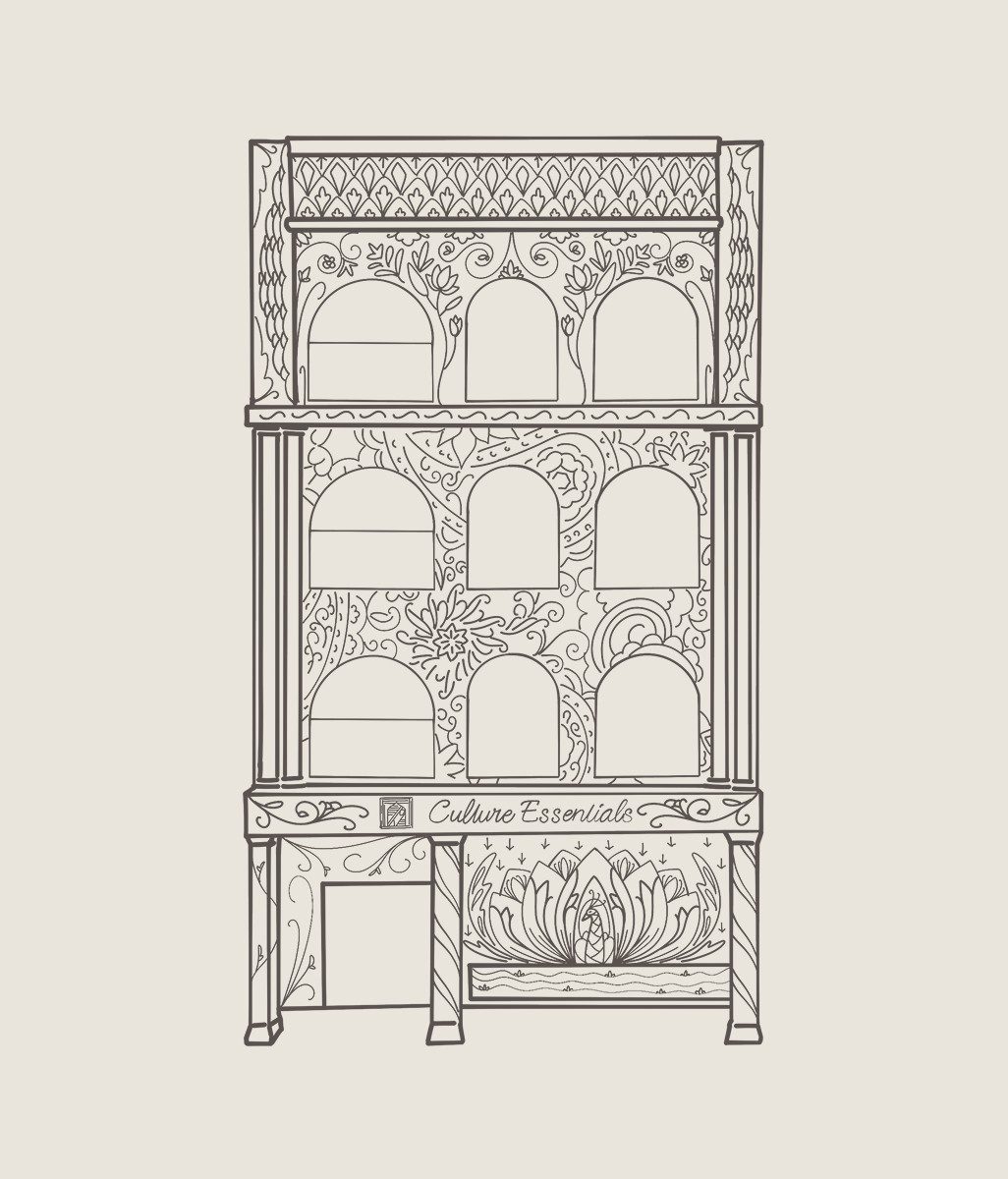
Explore Wings Design’s website design for Culture Essentials, a lifestyle and cultural brand from Delhi, India.
6. How to Know If Your Website Is Falling Behind Your Competitors
Your website does not need to be completely broken to require attention. In many cases, the warning signs are subtle and become apparent only when you evaluate your digital presence against your current business goals and market expectations.
Start by reviewing your competitors’ websites. Look at how they communicate their services, present their projects, organise their content and guide visitors towards an enquiry. The objective is not to replicate their design but to understand what your audience has come to expect from businesses in your category.
Next, evaluate your own website from the perspective of a first-time visitor. Can someone understand your business within a few seconds? Are your most important services easy to find? Does your portfolio communicate the quality of your work? Is the mobile experience as considered as the desktop version? Do your calls to action make the next step clear?
You can also use tools such as Google Analytics 4 and Google Search Console to understand how people interact with your website, which pages attract organic traffic and where opportunities for improvement exist. Combine this data with qualitative feedback and usability reviews to identify areas that need attention.
Most importantly, assess your website against where your business is heading, not just where it stands today. A digital experience that once served your needs may no longer be suitable for your current audience, positioning or growth ambitions.
7. The Competitive Advantage of Getting Your Digital Presence Right
A well-designed website cannot compensate for poor products, weak services or an unreliable business. However, it can help ensure that your actual capabilities are communicated effectively to the people evaluating your company. This distinction matters because credibility is influenced by more than what a business claims. It is also shaped by how consistently those claims are presented across every customer touchpoint.
When your website combines clear messaging, distinctive branding, thoughtful UX and reliable technology, it becomes a more effective business asset. It helps potential customers understand your offering, explore your expertise and take meaningful next steps. It also creates a consistent foundation for other marketing activities, from search engine optimisation and paid campaigns to social media and sales outreach.
For businesses competing in crowded markets, these improvements can make a meaningful difference to how they are discovered and evaluated. Your competitors may already be investing in better digital experiences. The opportunity is to make sure your business is not being overlooked because its website fails to communicate its true value.
Conclusion: Don’t Let Your Website Undersell Your Business
Your business may have the expertise, experience and capabilities to outperform its competitors. But if your website does not communicate those strengths, potential customers may never get the opportunity to discover them. An outdated interface, unclear messaging or frustrating user experience can create unnecessary doubts at precisely the moment when your business needs to establish trust.
The solution is not to chase every design trend or make your website look like someone else’s. It is to build a digital experience that accurately reflects your brand, communicates your value and makes every interaction count. When strategy, branding, UI/UX and development work together, your website becomes a stronger representation of the business behind it.
At Wings Design Studio, we bring strategy, branding, UI/UX and website development together to create distinctive digital experiences for ambitious businesses. From corporate websites and custom digital platforms to immersive web experiences, we design and build digital solutions that help brands communicate with clarity and move forward with confidence.
Your business has evolved. Has your website kept up?
Let’s Move //Forward