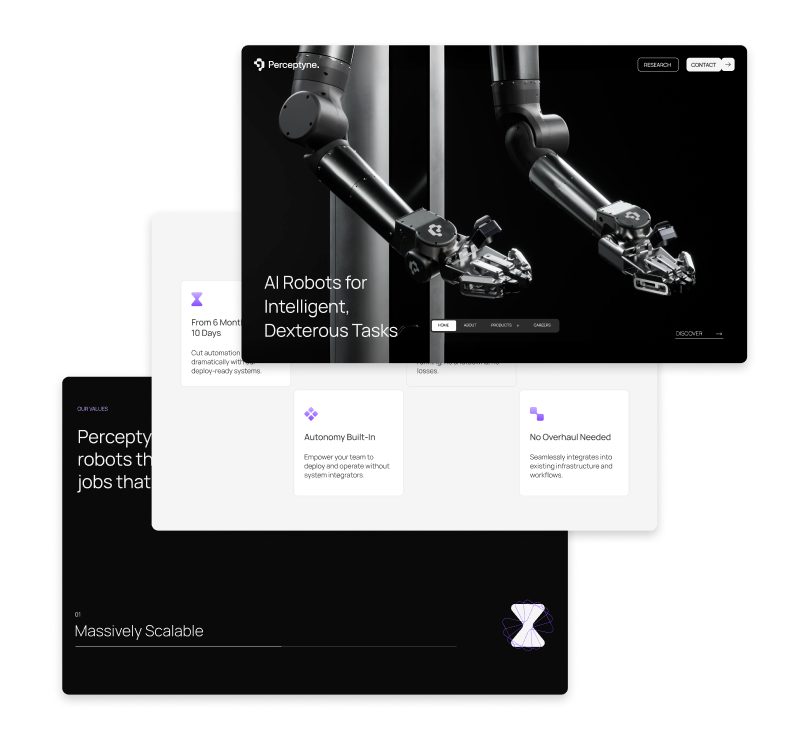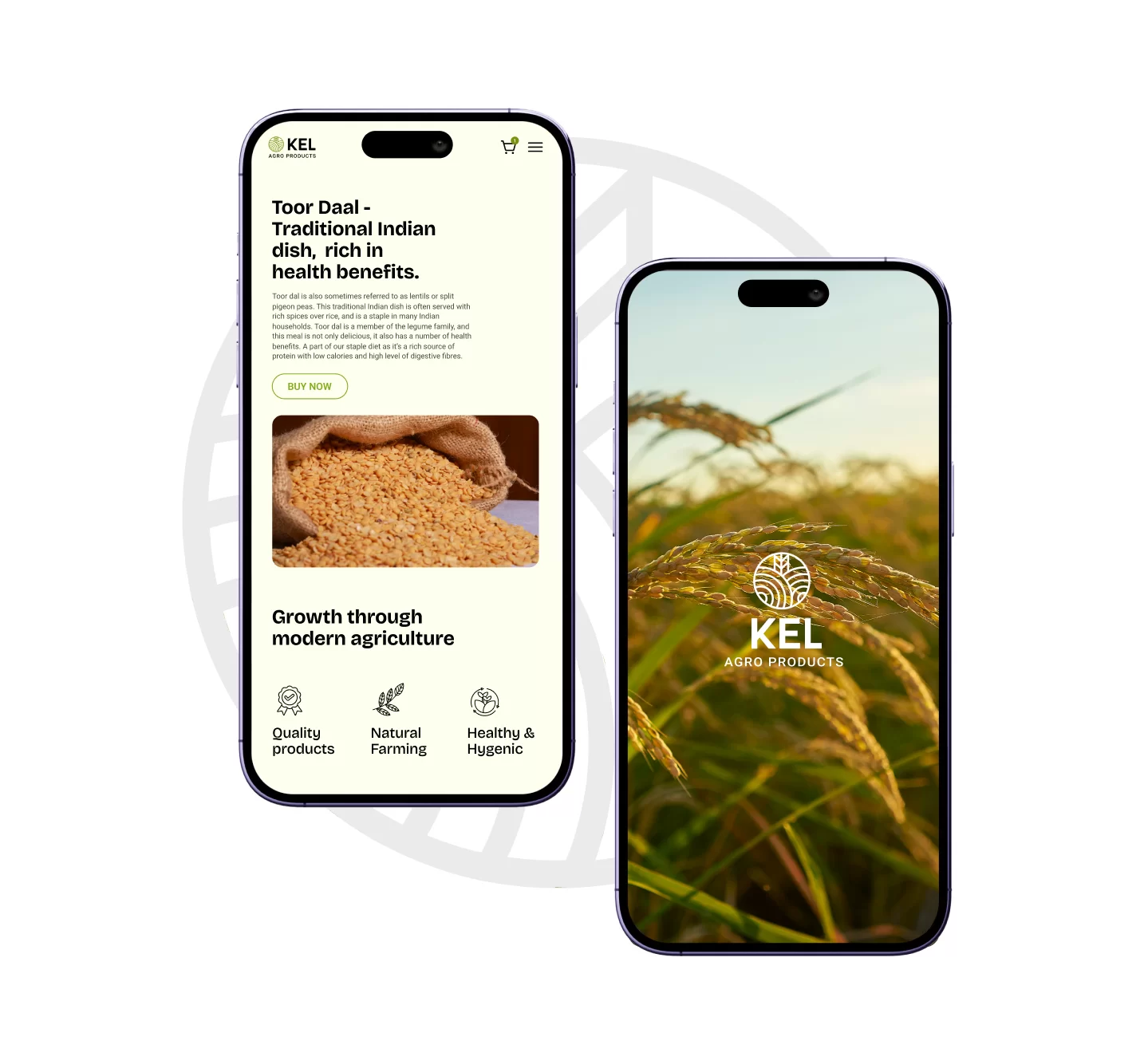


A well-designed website can make a strong first impression. But what happens after someone lands on it? Can they find what they need, understand what your business offers, interact with your services and take the next step without friction? These questions matter far more than how visually impressive a website looks. As customer expectations evolve, businesses need to think beyond websites as digital storefronts and start treating them as connected experiences that influence how people discover, evaluate and engage with their brands.
Today, a digital presence extends across websites, mobile applications, digital products, customer portals and online platforms. Each interaction contributes to how people perceive a business. A disconnected experience across these touchpoints can create confusion, reduce trust and affect conversion. This is why businesses are moving towards a more integrated approach to digital experience design, where strategy, branding, user experience and technology work together.
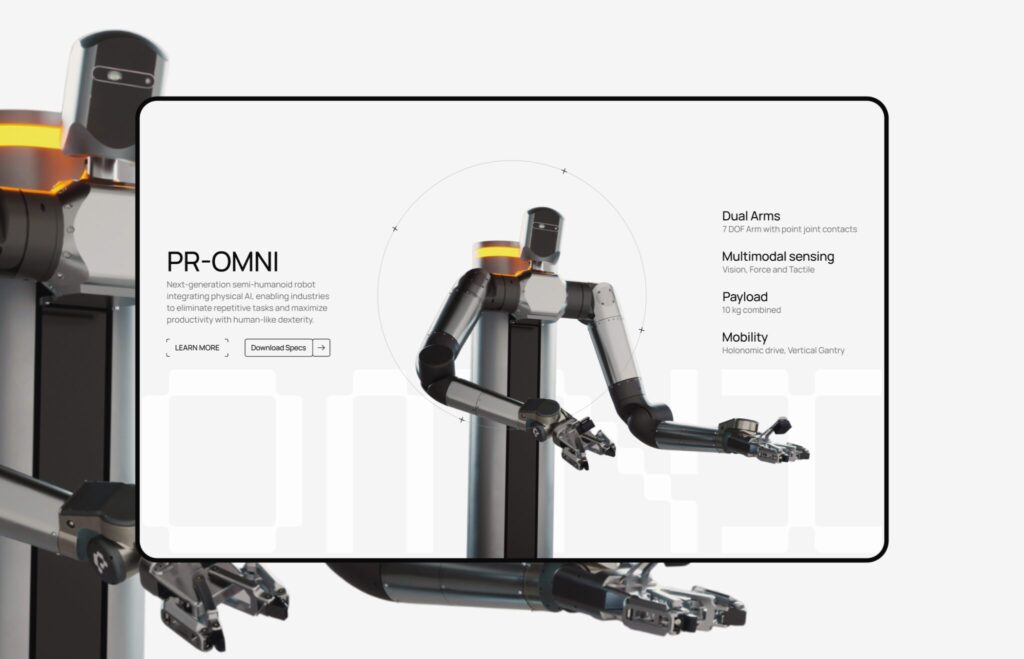
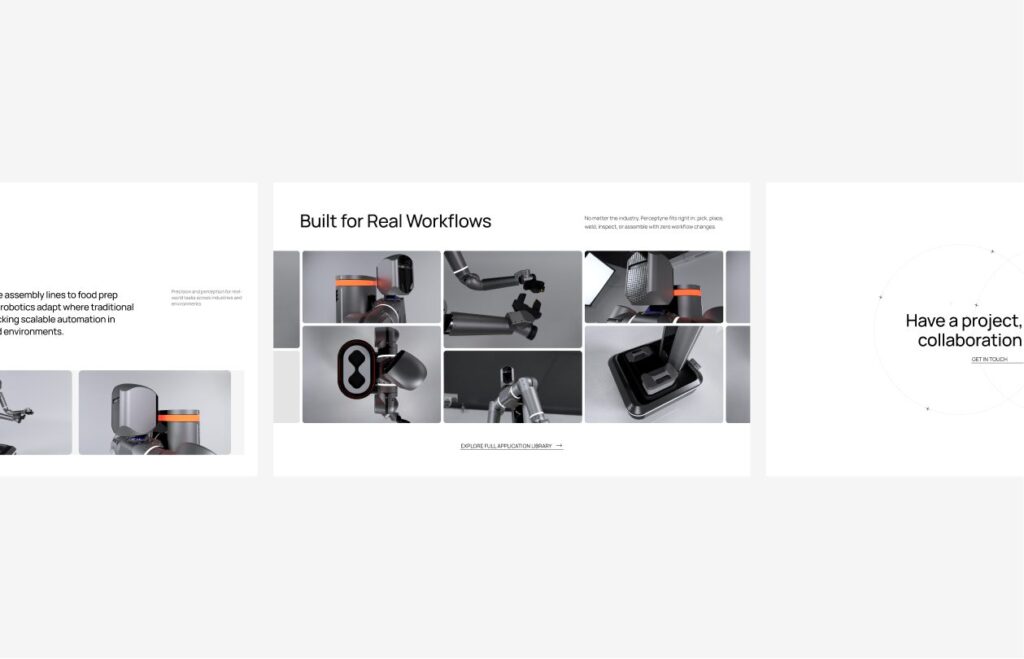
Explore Wings Design’s digital experience and website design work for Perceptyne.
1. A Website Is Just One Part of the Digital Experience
For years, having a functional and visually appealing website was considered enough to establish a credible online presence. Businesses invested in attractive layouts, compelling imagery and clear service pages to communicate their offerings. While these elements remain important, they represent only one part of a much larger digital ecosystem.
Customers rarely interact with a brand through a single platform. They might discover a business through a search engine, explore its website, check its social media presence, use a mobile application and eventually contact its sales team. Every interaction shapes their understanding of the brand. If these experiences feel disconnected, even a well-designed website may struggle to create lasting engagement.
Businesses need to look at their digital presence as a complete journey rather than a collection of independent platforms. This means creating consistency in how information is presented, how users navigate between touchpoints and how the brand communicates at every stage.
2. User Experience Determines Whether People Stay or Leave
Visual design attracts attention, but user experience determines what happens next. A website can have an impressive interface and still frustrate visitors if its navigation is confusing, content is difficult to understand or important actions are buried beneath unnecessary steps.
Good UX design starts with understanding people. What are they looking for? What questions do they have? What prevents them from completing an action? Answering these questions helps businesses create digital experiences that are intuitive, accessible and aligned with actual user behaviour.
From information architecture and content hierarchy to navigation patterns and interaction design, every decision influences how easily people use a digital platform. A thoughtful user experience reduces friction, builds confidence and makes it easier for customers to engage with a business.
For growing companies, this is particularly important. As products, services and customer expectations become more complex, digital platforms must evolve to support them without compromising usability.
3. Brand Identity Must Extend Beyond Visual Design
A brand is not experienced through its logo alone. People form opinions through every interaction they have with a business, from the language used on its website to the way its digital products function. When these elements lack consistency, the brand experience becomes fragmented.
Strong digital experiences translate brand positioning into something people can actually interact with. Typography, colour, imagery, content, motion and interface behaviour should all communicate a consistent identity. More importantly, the experience should reflect what the business stands for and what makes it different.
This requires branding and digital design to work together from the beginning. A distinctive visual identity establishes recognition, while a consistent digital experience reinforces that recognition across platforms. Businesses that approach branding this way create more than attractive interfaces. They build familiar, recognisable experiences that strengthen customer trust over time.
4. Technology Should Support the Experience, Not Complicate It
Behind every effective digital experience is a technology foundation that makes it work. A visually engaging website means little if it loads slowly, performs inconsistently or becomes difficult to manage as the business grows. Technology decisions directly influence performance, flexibility and the ability to introduce new features.
Businesses need to consider scalability, integrations, content management, security and performance when planning digital platforms. The right development approach should support current requirements while leaving room for future growth. Whether it involves a custom website, a Webflow implementation, a Shopify storefront or a more complex digital product, the technology should serve the intended experience.
This is also where collaboration between designers and developers becomes essential. When design and development operate in isolation, the final product can lose the clarity and functionality envisioned during the design stage. Bringing both disciplines together creates a more cohesive process, where usability, aesthetics and technical performance are considered throughout the project.
5. Connected Experiences Create Stronger Customer Journeys
Customers expect consistency regardless of where or how they interact with a business. Moving from a website to a mobile application should not feel like entering an entirely different brand environment. Similarly, information, functionality and visual language should remain familiar across relevant touchpoints.
This is particularly important for businesses with multiple services, customer segments or digital platforms. An inconsistent experience can create unnecessary friction, while a connected ecosystem helps customers move naturally from discovery to consideration and action.
Creating these connections requires more than matching colours and design elements. Businesses need to understand how different platforms serve different purposes, where users move between them and what information or functionality should remain consistent.
A well-planned digital ecosystem makes interactions feel more natural. It also gives businesses greater control over how customers experience their brand, regardless of the channel they choose.
6. Digital Experiences Need to Evolve with Business Growth
A digital platform should not be treated as a finished product that remains unchanged for years. Business priorities shift, customer behaviour evolves and technology introduces new possibilities. What works today may become a limitation as the organisation expands.
This makes flexibility an important part of digital experience planning. Websites and applications should be designed with future requirements in mind, allowing businesses to introduce new services, update content, integrate systems and improve functionality without rebuilding everything from scratch.
Continuous improvement also plays an important role. Analytics, user feedback and performance insights can reveal where people struggle, which features receive engagement and what needs to change. These insights help businesses make informed decisions instead of relying entirely on assumptions.
The strongest digital experiences are not necessarily the ones with the most features. They are the ones that adapt to changing needs while remaining useful, intuitive and relevant to the people who use them.
What Businesses Should Consider Before Investing in a Digital Experience
Moving beyond conventional website design requires a broader understanding of what the business wants its digital presence to achieve. Before starting a project, decision-makers should consider a few important questions:
- Business objectives: What should the digital platform achieve? Generate enquiries, improve customer engagement, support sales or simplify operations?
- Audience expectations: Who will use the platform, what are they looking for and how do they prefer to interact with the business?
- User journeys: How should people move from discovering the brand to taking meaningful action?
- Brand consistency: Does the experience communicate a recognisable identity across all relevant touchpoints?
- Technology requirements: Can the platform support integrations, performance expectations and future business needs?
- Measurable outcomes: How will the business evaluate whether the digital experience is delivering value?
Addressing these questions early creates a stronger foundation for design and development. It also ensures that investment decisions are guided by business priorities rather than visual trends alone.
Building Digital Experiences That Move Businesses Forward
The next generation of digital platforms will be defined by how effectively they connect people, brands and technology. Businesses that focus only on making their websites look better risk overlooking the larger opportunity: creating experiences that make interactions simpler, communication clearer and digital engagement more meaningful.
At Wings Design Studio, we approach digital experiences through the intersection of strategy, design and technology. From user experience and brand identity to website design and development, we bring different disciplines together to create digital platforms that are purposeful, engaging and built to scale.
Whether you are rethinking an existing website, launching a new digital product or building a connected brand experience, the starting point should always be the people who will use it.
Because a website might introduce your business. A well-designed digital experience gives people a reason to stay, engage and come back.
Let’s Move //Forward.