Approach To Logistics & Trade
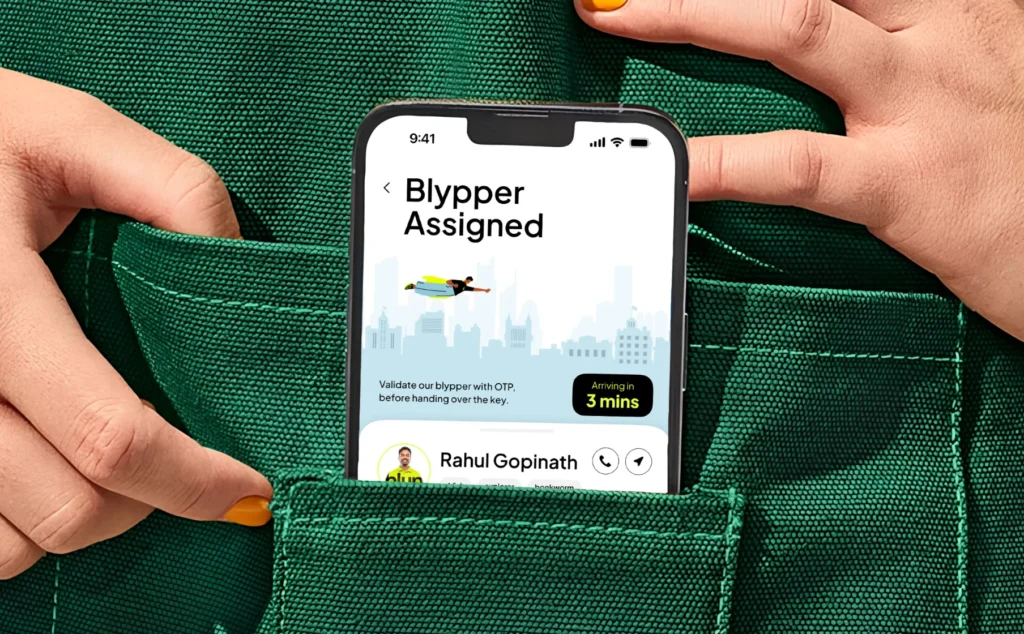
Logistics and trade power global economies through complex networks of movement, data, and coordination. As supply chains grow more interconnected and digitally driven, organizations must communicate reliability, capability, and efficiency across multiple stakeholders. Beyond operations, brands in logistics and trade must support clarity across platforms, processes, and interfaces. Thoughtfully designed digital experiences help teams manage information, track performance, and maintain confidence across borders and timelines. Across branding, UI/UX, web development, and social media, digital ecosystems shape how logistics providers present scale, capability, and transparency. Cohesive systems enable smoother operations, stronger partnerships, and long-term resilience in an increasingly dynamic global trade environment.
/ Expertise
Logistics and trade organizations operate through precision, coordination, and scale—supported by clear brands, functional digital experiences, and resilient platforms.


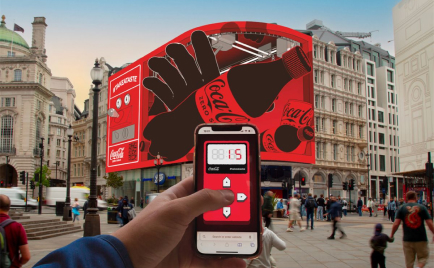

We help logistics and trade organizations simplify operations, strengthen coordination, and scale confidently across platforms, regions, and global networks.
FAQ’s
Insights worth knowing before we begin working together
We design systems that reflect the scale and complexity of modern logistics networks. Our work balances operational precision with usability, ensuring platforms support high volumes of data, multiple stakeholders, and time-critical decision-making. By aligning brand strategy, UX/UI, and digital infrastructure, we help logistics organizations communicate reliability while enabling teams to operate efficiently across regions, modes of transport, and supply chain touchpoints.
Yes. We design and optimize UX/UI for logistics platforms, including shipment tracking, performance dashboards, internal tools, and customer portals. Our focus is on visibility, efficiency, and reducing friction across complex operational workflows.
We work closely with internal teams through structured workshops, alignment sessions, and ongoing feedback loops to ensure clarity at every stage. Our collaborative process emphasizes transparency, shared understanding, and adaptability, allowing solutions to evolve alongside business goals. By balancing strategic direction with practical execution, we align user needs, operational requirements, and long-term scalability—creating outcomes that are not only effective today but resilient and flexible for future growth.
Yes. We create scalable brand and design systems that maintain consistency across regions while allowing flexibility for local requirements. Our frameworks support multilingual content, regional regulations, and varied operational contexts—ensuring cohesive communication and user experience across borders, partners, and platforms.
In logistics and trade, trust and reliability are essential. Strong branding communicates scale, operational confidence, and professionalism across every touchpoint. We help organizations express their capabilities clearly—strengthening credibility with partners, customers, and stakeholders while supporting long-term growth in competitive global markets.
We design for complex logistics and trade ecosystems by prioritizing scale, coordination, and clarity across every touchpoint. Our approach considers multi-stakeholder environments, cross-border operations, regulatory constraints, and real-time data flows. By aligning brand strategy, UX/UI, and digital platforms, we create systems that support operational precision, visibility, and confident decision-making. The result is cohesive, resilient digital experiences that help organizations manage complexity, strengthen partnerships, and operate efficiently across global supply chains.
We design systems that support fast decision-making without compromising accuracy. By prioritizing clear information hierarchy, intuitive workflows, and meaningful data visualization, we help teams act quickly while maintaining control. Our approach reduces cognitive load, minimizes errors, and ensures critical information is always accessible—supporting high-volume, time-sensitive logistics operations across complex global networks.
We ensure solutions align with business goals by grounding every decision in clearly defined objectives. Stakeholders are aligned early through discovery and ongoing collaboration, allowing priorities to remain visible throughout the project. By continuously revisiting goals during strategy, design, and execution, we create solutions that support measurable outcomes. This approach ensures the work is not only visually compelling, but also practical, scalable, and closely aligned with broader organizational priorities and long-term growth.
/WHAT’S NEW
Design, tech & people are things we notice, question and occasionally obsess over. Here’s where we unpack them.
//Reach us
India – Dubai – Singapore – USA – Australia


India – Dubai – Singapore – USA – Australia