

Introduction: Animation
Animation is the process of creating the illusion of movement by showing a sequence of still images quickly. It is widely used in cartoons, movies, video games, advertisements, and educational videos. There are different types of animation, including 2D, 3D, and stop-motion animation. Animators create characters and objects, then move them frame by frame to produce smooth motion. Animation is a creative and effective way to entertain, educate, and communicate ideas visually.
Why Motion Is Becoming the Fastest Language in Executive Communication
Every executive team today faces the same invisible constraint: attention velocity. Markets move faster, audiences process more information, and decisions happen in seconds. In this environment, organizations that communicate clearly gain a strategic advantage.
Animation has evolved from a creative tool into a business asset. It now drives onboarding, product adoption, investor storytelling, training, sales enablement, and brand communication. Its value is not aesthetic, it is cognitive.
Animation accelerates understanding. It transforms complexity into clarity, increasing what can be called cognitive velocity: how quickly information is understood, retained, and converted into action. Today, companies compete not only on products or operations, but on how fast stakeholders understand value. The faster the understanding, the faster the decision-making, and animation is becoming a key driver of that speed.

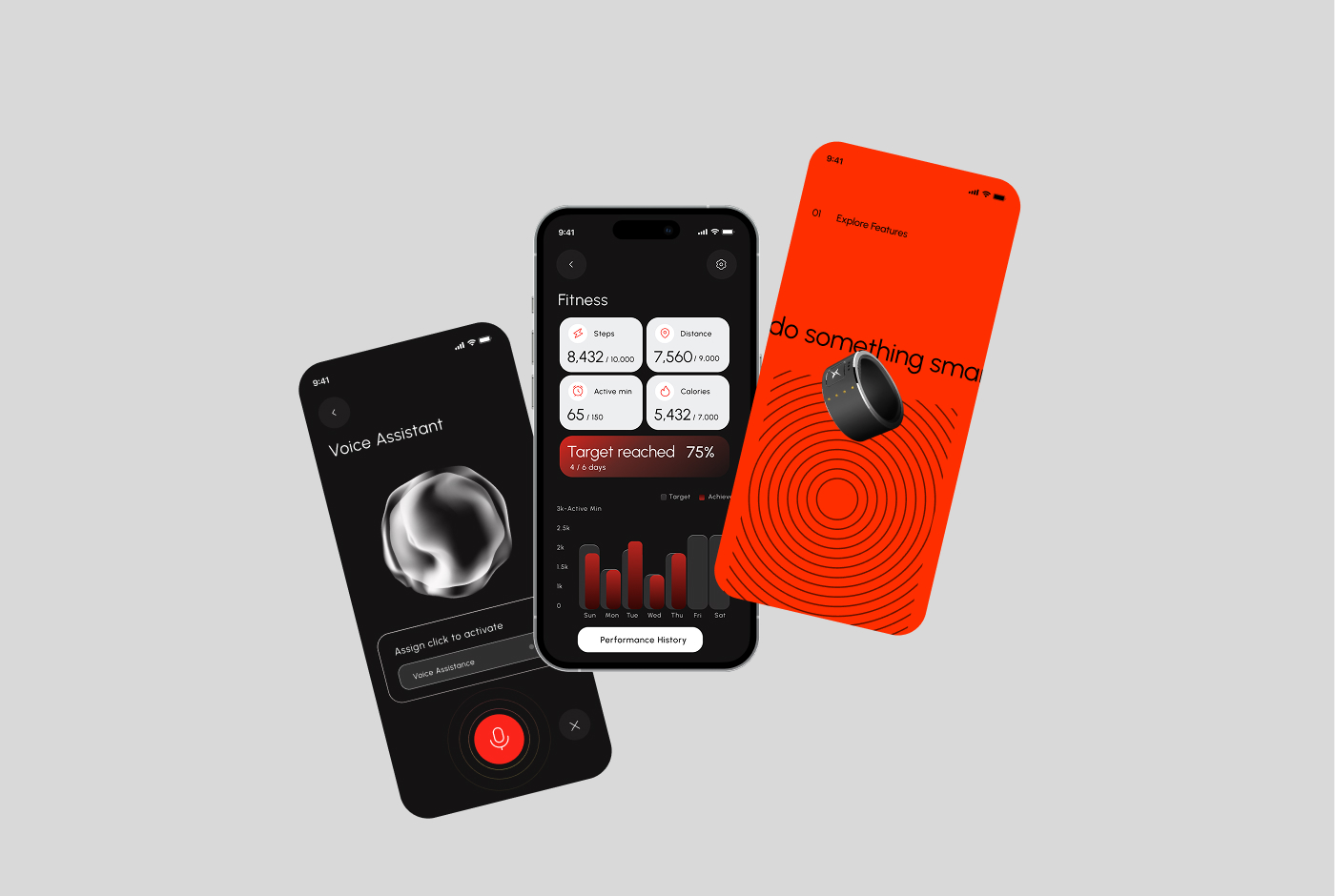
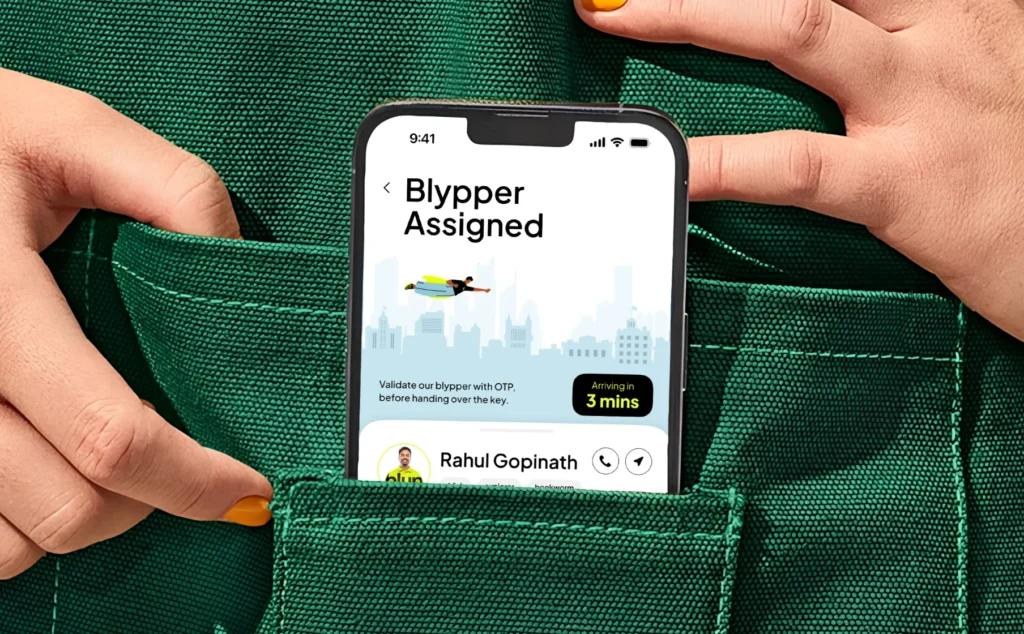
Explore the Animation process behind the Maverick AI.
Understanding Cognitive Velocity
Cognitive velocity refers to the speed at which the human brain receives, interprets, contextualizes, and stores information. Traditional business communication relies heavily on text, static visuals, spreadsheets, presentations, and verbal explanation. While these formats remain important, they often demand significant cognitive effort from the audience.
Executives routinely encounter:
- Dense reports
- Multi-page strategy decks
- Technical product specifications
- Data-heavy dashboards
- Long-form training manuals
- Complicated process documentation
The challenge is not simply information overload. The challenge is interpretation friction. The brain consumes energy when converting abstract concepts into mental models. Animation reduces that friction. Instead of forcing the audience to construct understanding manually, animation pre-builds the mental model through motion, sequencing, timing, narrative structure, and visual emphasis.
In practical terms, animation enables organizations to:
- Explain complex systems rapidly
- Demonstrate invisible processes visually
- Simplify technical communication
- Reduce ambiguity in stakeholder messaging
- Improve retention across distributed teams
- Accelerate learning curves
- Increase conversion efficiency in sales and marketing
Executives should view animation not as decoration, but as a cognition multiplier.
Why the Brain Responds Faster to Motion
Human cognition evolved to prioritize movement. From an evolutionary perspective, motion signaled opportunity, danger, change, and relevance. The brain naturally allocates attention toward moving objects faster than static information. This principle explains why animation consistently outperforms static communication in many business contexts.
The brain processes animation through multiple simultaneous channels:
- Visual recognition
- Spatial reasoning
- Temporal sequencing
- Emotional association
- Narrative interpretation
- Pattern prediction
When these systems activate together, understanding accelerates. Static content often requires sequential decoding. Animation delivers contextual relationships instantly.

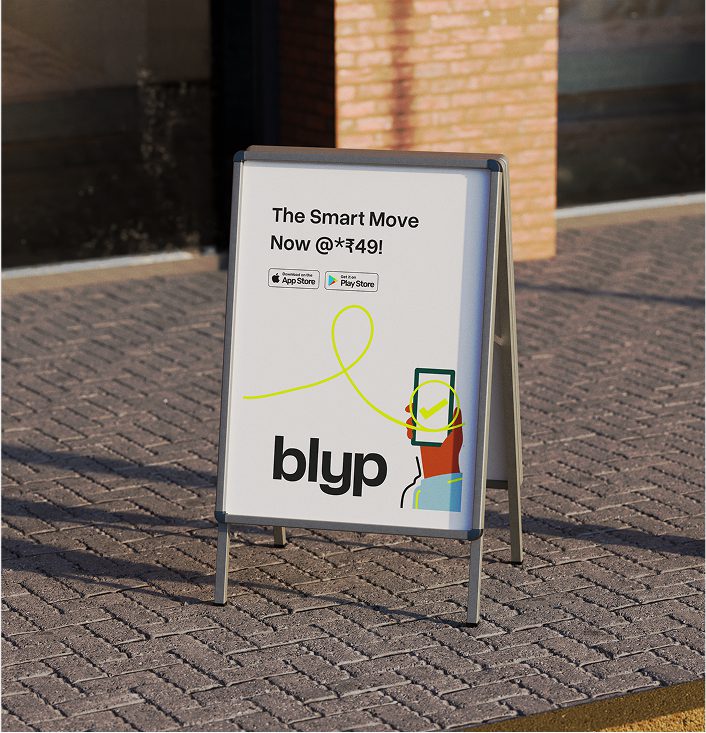
Explore the Animation process behind the Vedic City.
The Executive Shift: From Information Delivery to Cognitive Design
Historically, organizations focused on delivering information. Today, leading organizations focus on designing understanding. This distinction matters. Information delivery assumes audiences will invest the effort necessary to decode complexity. Cognitive design assumes the communicator is responsible for reducing comprehension effort. Animation sits at the center of this shift. The most successful enterprises increasingly think like media organizations. They understand that communication quality directly influences operational performance.
Modern leadership teams now ask:
- How quickly can customers understand our value?
- How clearly can employees absorb procedures?
- How efficiently can investors understand market opportunity?
- How rapidly can stakeholders align around strategic direction?
These are not branding questions.They are operational questions. Animation transforms abstract strategy into observable systems. A well-designed animated explanation can clarify:
- Enterprise software architecture
- AI workflows
- Financial ecosystems
- Cybersecurity models
- Healthcare procedures
- Manufacturing operations
- Infrastructure planning
- Sustainability initiatives
- Data pipelines
- Customer journeys
The executive value lies in compression.Animation compresses complexity into intuitive understanding.
The Strategic Business Functions of Animation
Animation is no longer confined to marketing departments.Its impact spans nearly every major enterprise function. The following table outlines how animation contributes to organizational performance across departments.
| Business Function | Executive Challenge | How Animation Accelerates Cognitive Velocity | Strategic Outcome |
| Marketing | Low audience attention spans | Delivers rapid emotional and visual comprehension | Higher engagement and conversion |
| Sales | Complex product explanation | Simplifies technical or abstract value propositions | Faster buyer decisions |
| Investor Relations | Difficulty communicating growth models | Visualizes market opportunities and projections | Improved investor clarity |
| HR and Training | Slow onboarding and inconsistent learning | Standardizes instruction through visual demonstration | Reduced onboarding time |
| Operations | Process complexity across teams | Clarifies workflows and system dependencies | Better operational alignment |
| Product Teams | Feature adoption friction | Demonstrates product usage contextually | Higher product adoption |
| Healthcare Communication | Difficult patient education | Explains procedures visually and empathetically | Increased patient understanding |
| Manufacturing | Safety and process training challenges | Simulates procedures and machinery interaction | Improved compliance and safety |
| Customer Support | Repetitive issue resolution | Provides visual self-service guidance | Reduced support load |
| Executive Leadership | Cross-functional strategic alignment | Communicates vision with narrative clarity | Faster organizational alignment |
The pattern is consistent across industries.Animation reduces the time required for understanding while increasing retention quality. That combination has direct business value.
Animation as a Strategic Advantage in the Attention Economy
Most organizations underestimate how aggressively attention scarcity affects business outcomes. Executives often assume communication failure results from weak messaging.
In reality, communication frequently fails because audiences lack the cognitive bandwidth to process complexity. The average decision maker now consumes:
- Hundreds of emails daily
- Continuous dashboard updates
- Frequent virtual meetings
- Multiple communication platforms
- Constant mobile notifications
- Real-time market information
Attention fragmentation has become structural. Animation performs exceptionally well in fragmented environments because it delivers layered information quickly.
This is especially important in:
- LinkedIn executive campaigns
- Investor presentations
- Product launches
- SaaS onboarding
- Internal change management
- Corporate training
- Healthcare instruction
- B2B sales demonstrations
Organizations that fail to optimize for cognitive efficiency risk becoming informationally invisible. The future competitive advantage does not belong to companies that communicate the most. It belongs to companies that are understood the fastest.
The Rise of Motion-First Enterprise Communication
A significant shift is occurring inside enterprise communication systems. Businesses are moving from document-first communication to motion-first communication. This transition resembles earlier transformations:
- From print to digital
- From desktop to mobile
- From text to visual interfaces
- From static websites to interactive experiences
Motion-first communication prioritizes:
- Demonstration over explanation
- Visual sequence over dense documentation
- Interactive learning over passive reading
- Narrative flow over fragmented data presentation
This does not mean text disappears. Rather, text becomes supportive while animation becomes interpretive. Executives increasingly recognize that motion accelerates organizational understanding in ways static formats cannot.
Examples include:
Enterprise Software
Complex SaaS products are difficult to explain through screenshots and manuals alone. Animated onboarding flows reduce confusion dramatically by showing interactions in context.
Healthcare Systems
Hospitals and medical organizations use animation to explain surgeries, treatments, medication protocols, and patient journeys. Patients retain information more effectively when they can visualize biological processes.
Industrial Operations
Manufacturing firms use simulation-based animation for safety training, equipment handling, and workflow coordination. This minimizes operational risk while improving consistency.
Financial Services
Banks and fintech organizations increasingly use animated storytelling to explain investment systems, risk models, blockchain structures, and digital financial ecosystems. Abstract financial systems become easier to trust when they are visually understandable.
Artificial Intelligence Platforms
AI companies rely heavily on animation because machine learning systems are conceptually difficult for non-technical audiences. Animation translates invisible computational logic into observable narratives.
This is particularly important when executives seek investor confidence or enterprise adoption.
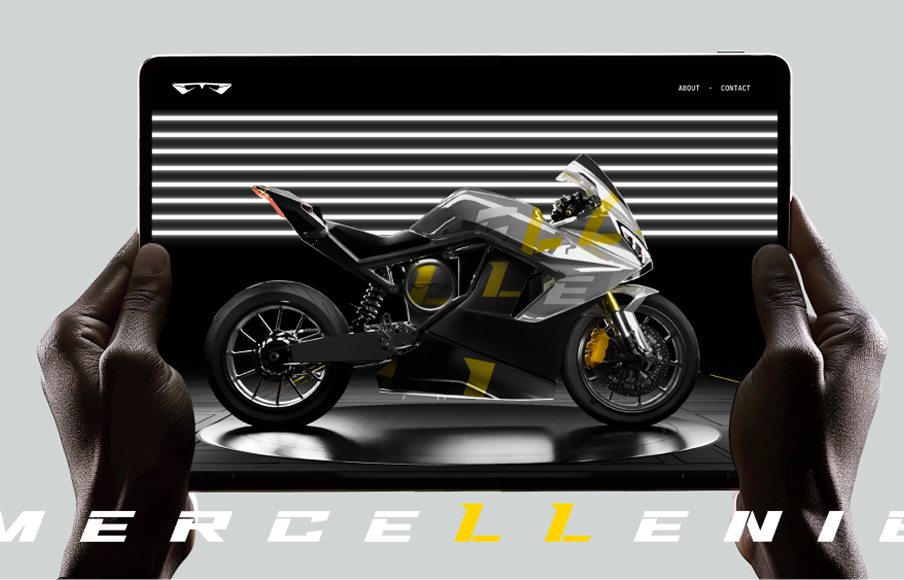
Explore the Animation process behind the Mercellenie.
The Neuroscience of Retention and Animated Learning
Understanding is valuable. Retention is even more valuable. Organizations lose enormous productivity due to poor information retention.
Employees forget training.
Customers forget product capabilities.
Stakeholders forget strategic messaging.
Patients forget instructions.
Animation improves retention because it activates multiple memory systems simultaneously. Research across learning science consistently shows that multimodal communication improves memory encoding.
Animation combines:
- Visual memory
- Spatial memory
- Emotional memory
- Sequential memory
- Auditory reinforcement
This layered encoding increases recall probability. For executives, this matters because organizational effectiveness depends on retained understanding. A message that is briefly understood but rapidly forgotten has limited strategic value. Animated learning systems increasingly outperform traditional instruction because they reduce cognitive fatigue while increasing memory reinforcement.
This is why many global enterprises now invest heavily in:
- Animated learning modules
- Interactive training systems
- Motion-based onboarding
- Simulation environments
- Scenario visualization
- Microlearning content
The objective is not merely engagement. The objective is durable comprehension.
Cognitive Velocity and Decision Compression
One of the least discussed advantages of animation is its impact on decision compression. Decision compression refers to reducing the time between exposure to information and confident action. Executives operate in environments where delayed understanding creates measurable costs.
Examples include:
- Delayed customer purchases
- Slower enterprise adoption
- Prolonged onboarding cycles
- Misaligned teams
- Investor hesitation
- Reduced operational responsiveness
Animation accelerates decision readiness because it reduces ambiguity.
Humans make decisions faster when:
- Systems appear understandable
- Outcomes feel observable
- Processes seem predictable
- Complexity feels manageable
Animation creates these conditions.
Why Decision Makers Must Think Beyond Entertainment
A common executive misconception is that animation belongs primarily to entertainment or advertising. This perspective is outdated. Animation today functions as infrastructure for modern communication. The shift mirrors the evolution of design itself. Decades ago, design was considered cosmetic. Today, design shapes usability, conversion, trust, and operational performance. Animation is undergoing the same transition.
It is becoming a strategic communication layer embedded across:
- Product experiences
- Learning systems
- Executive messaging
- Digital interfaces
- Corporate storytelling
- Data visualization
- Simulation environments
- AI interaction systems
Decision makers who continue viewing animation as optional creative decoration risk underestimating its operational leverage.The question is no longer: “Should we use animation?” The better question is: “Where does accelerated understanding create the highest business value?” That reframing changes investment priorities.
The Economic Value of Faster Understanding
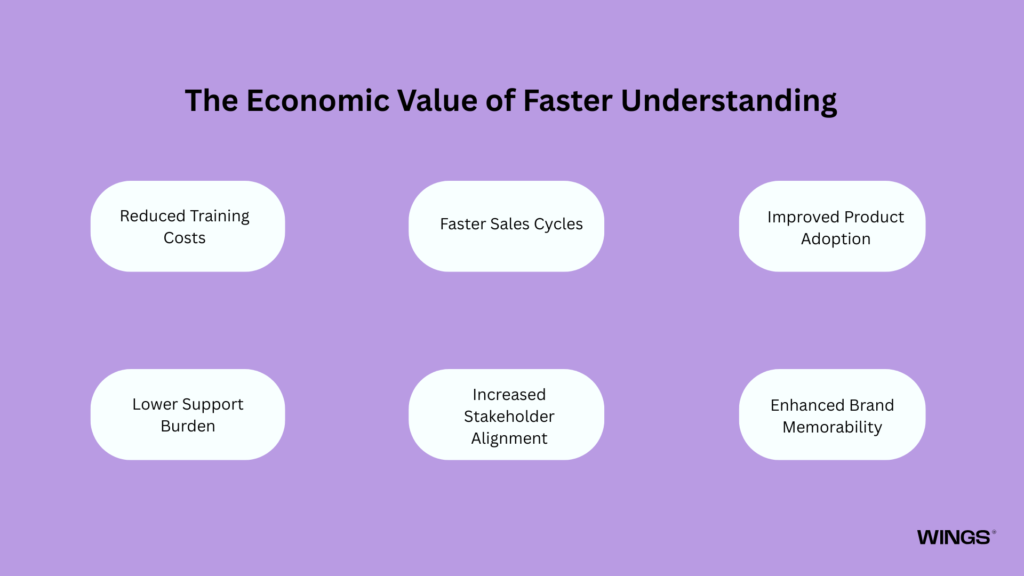
Executives often evaluate communication investments through subjective metrics such as creativity or brand perception. A more strategic approach is to evaluate communication through economic impact. Animation contributes measurable value in several areas.
Reduced Training Costs
Animated training systems decrease instructor dependency and improve standardization. This reduces retraining requirements and operational inconsistency.
Faster Sales Cycles
When buyers understand products quickly, sales conversations progress faster.
This is especially important for:
- Enterprise software
- Technical platforms
- Industrial products
- AI systems
- Healthcare technologies
Improved Product Adoption
Users abandon products they do not understand. Animation improves onboarding clarity and feature discoverability.
Lower Support Burden
Visual guidance reduces repetitive customer support interactions. Animated walkthroughs often resolve confusion before escalation occurs.
Increased Stakeholder Alignment
Organizations lose time when departments interpret strategy differently. Animated communication creates shared mental models.
Enhanced Brand Memorability
Motion increases recall. Memorable communication improves long-term brand recognition and trust. The cumulative economic impact can be substantial. Executives should therefore evaluate animation not as a media expense, but as a performance acceleration asset.
AI, Automation, and the Future of Animated Communication
The rise of artificial intelligence is dramatically increasing the importance of animation. As systems become more automated and abstract, organizations face a growing communication challenge. Many modern technologies are fundamentally invisible.
Customers cannot physically observe:
- Machine learning processes
- Cloud infrastructure
- Data orchestration
- API interactions
- Cybersecurity protection
- Algorithmic optimization
Animation bridges this visibility gap. It transforms invisible systems into understandable narratives. This is particularly critical in the AI era because trust depends heavily on comprehensibility. Executives introducing AI products or AI-enabled operations must answer questions such as:
- What does the system actually do?
- How does automation improve outcomes?
- Where does human oversight exist?
- How does data move through the system?
- Why should users trust the process?
Animation communicates these answers more effectively than static explanation alone. As AI adoption expands, motion-based communication will likely become foundational. Organizations unable to explain intelligent systems clearly may struggle to achieve adoption confidence.
Internal Communication and Organizational Cohesion
One of the most underutilized applications of animation is internal communication. Large organizations frequently suffer from alignment fragmentation. Different departments interpret priorities differently.
Employees often struggle to understand:
- Organizational direction
- Process dependencies
- Strategic initiatives
- System interactions
- Workflow responsibilities
Traditional internal communication methods often fail because they rely heavily on static documents and presentation overload. Animation creates organizational clarity. When employees can visually observe how systems connect, understanding improves significantly.
Examples include:
- Change management communication
- Digital transformation rollouts
- Security awareness training
- Organizational restructuring
- Process standardization
- Leadership vision communication
In many cases, animation reduces resistance because it lowers uncertainty. People resist what they cannot understand. Visualization increases perceived predictability. For executives leading transformation initiatives, this can materially improve implementation outcomes.
The Emotional Layer of Cognitive Velocity
Cognition is not purely rational. Emotion strongly influences attention, retention, and decision making. Animation possesses a unique ability to combine logical explanation with emotional resonance. This matters because executives are not communicating with machines. They are communicating with humans operating under stress, distraction, uncertainty, and information overload. Motion, pacing, sound design, visual rhythm, and narrative sequencing can create emotional engagement that static communication rarely achieves.
Emotion influences:
- Trust
- Confidence
- Motivation
- Curiosity
- Memorability
- Perceived clarity
A well-designed animated narrative can make complex systems feel:
- More intuitive
- More approachable
- More credible
- More human
This emotional accessibility is increasingly important in industries involving technical complexity.
For example:
Healthcare organizations use animation to reduce patient anxiety. Financial institutions use animation to simplify intimidating investment concepts. AI companies use animation to humanize abstract computational systems. Executives should recognize that emotional comprehension often precedes rational commitment. People engage more deeply with information they emotionally understand.
Measuring the Effectiveness of Animation
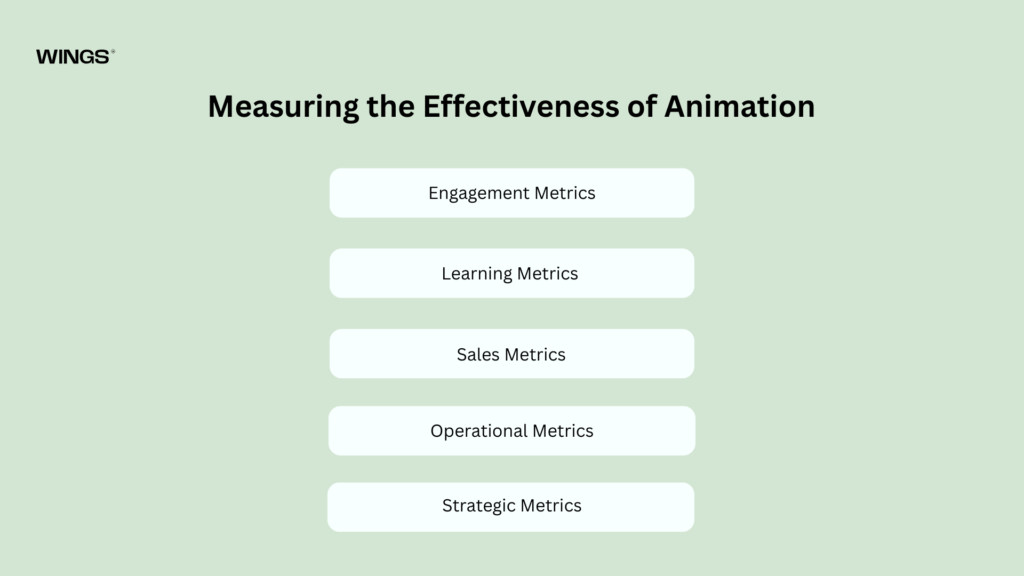
Decision makers increasingly seek measurable communication outcomes. Animation performance can be evaluated through multiple operational metrics.
Common indicators include:
Engagement Metrics
- Completion rates
- Watch duration
- Interaction depth
- Click-through rates
- Session retention
Learning Metrics
- Knowledge retention
- Assessment performance
- Training completion speed
- Error reduction
- Procedural consistency
Sales Metrics
- Conversion rates
- Sales cycle duration
- Demo engagement
- Lead qualification speed
- Customer understanding
Operational Metrics
- Support ticket reduction
- Onboarding efficiency
- Cross-functional alignment
- Adoption rates
- Compliance accuracy
Strategic Metrics
- Investor comprehension
- Stakeholder confidence
- Executive alignment
- Brand recall
- Organizational clarity
Animation should therefore be treated as a measurable business system rather than a subjective creative asset. The organizations gaining the greatest value from animation are those integrating it directly into performance strategy.
The Risk of Cognitive Lag
If cognitive velocity is accelerating globally, then organizations unable to communicate rapidly face a growing strategic risk. This risk can be called cognitive lag. Cognitive lag occurs when the complexity of communication exceeds the audience’s willingness or capacity to process it.
Symptoms include:
- Slow product adoption
- Poor stakeholder alignment
- Customer confusion
- Weak onboarding
- Delayed purchasing decisions
- Training inefficiency
- Communication fatigue
- Strategic misunderstanding
Many organizations incorrectly attribute these outcomes to market conditions or operational problems. In reality, communication friction is often the hidden variable. Animation helps reduce that friction.
The Future Executive Skill: Designing Understanding
The next generation of leadership will require a different communication mindset. Executives will increasingly need to think not only as operators or strategists, but as architects of understanding.
This means:
- Designing clarity intentionally
- Reducing unnecessary cognitive effort
- Translating complexity into intuition
- Accelerating organizational alignment
- Building trust through explainability
Animation is one of the most powerful tools available for achieving these outcomes. Importantly, this does not mean every organization must become visually extravagant. The goal is not entertainment. The goal is precision. Effective animation is strategic when it:
- Clarifies complexity
- Accelerates learning
- Increases retention
- Reduces ambiguity
- Enhances decision confidence
- Compresses understanding time
As technology ecosystems grow more sophisticated, the ability to explain systems clearly may become as valuable as building them. This is especially true in:
- Artificial intelligence
- Biotechnology
- Healthcare innovation
- Enterprise software
- Financial technology
- Industrial automation
- Smart infrastructure
The organizations that communicate advanced systems simply will likely outperform those that communicate them poorly.

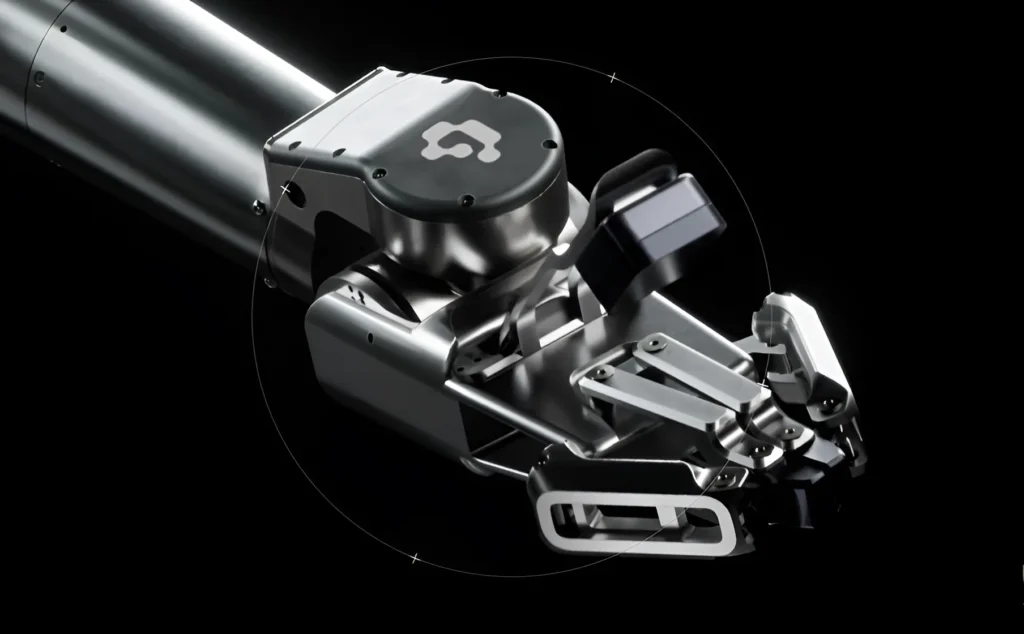
Explore the Animation process behind the Importex.
Conclusion
Animation is transforming modern business communication by making complex ideas easier to understand. It helps organizations communicate clearly in a fast-paced world with information overload and limited attention. Through visual storytelling and motion, animation improves understanding, engagement, and memory. Businesses use animation to enhance training, marketing, teamwork, and customer communication. It also supports faster decision-making by simplifying technical and detailed information. As a result, animation has become a valuable tool for improving communication and gaining a competitive advantage.

Vidhya Shree
Senior Visual Designer