

Web Design Is No Longer Just About Pages
Web design is no longer just about visuals and layout, it has become a strategic business decision that affects performance, scalability, and how quickly a company can grow online.
For leaders like founders and marketing heads, choosing between WordPress and a headless CMS is not about preference, but about long-term digital strategy. WordPress offers speed, simplicity, and ease of use, making it ideal for quick launches and smaller teams. However, it can become limiting as businesses scale across multiple platforms or require advanced performance and flexibility.
A headless CMS, on the other hand, separates content from design and delivers it through APIs. This makes it far more scalable and adaptable for omnichannel experiences like websites, apps, and other digital platforms.
In essence, the CMS you choose directly impacts how fast your business can publish, adapt, and scale, making it a core part of your digital growth strategy, not just a technical tool.
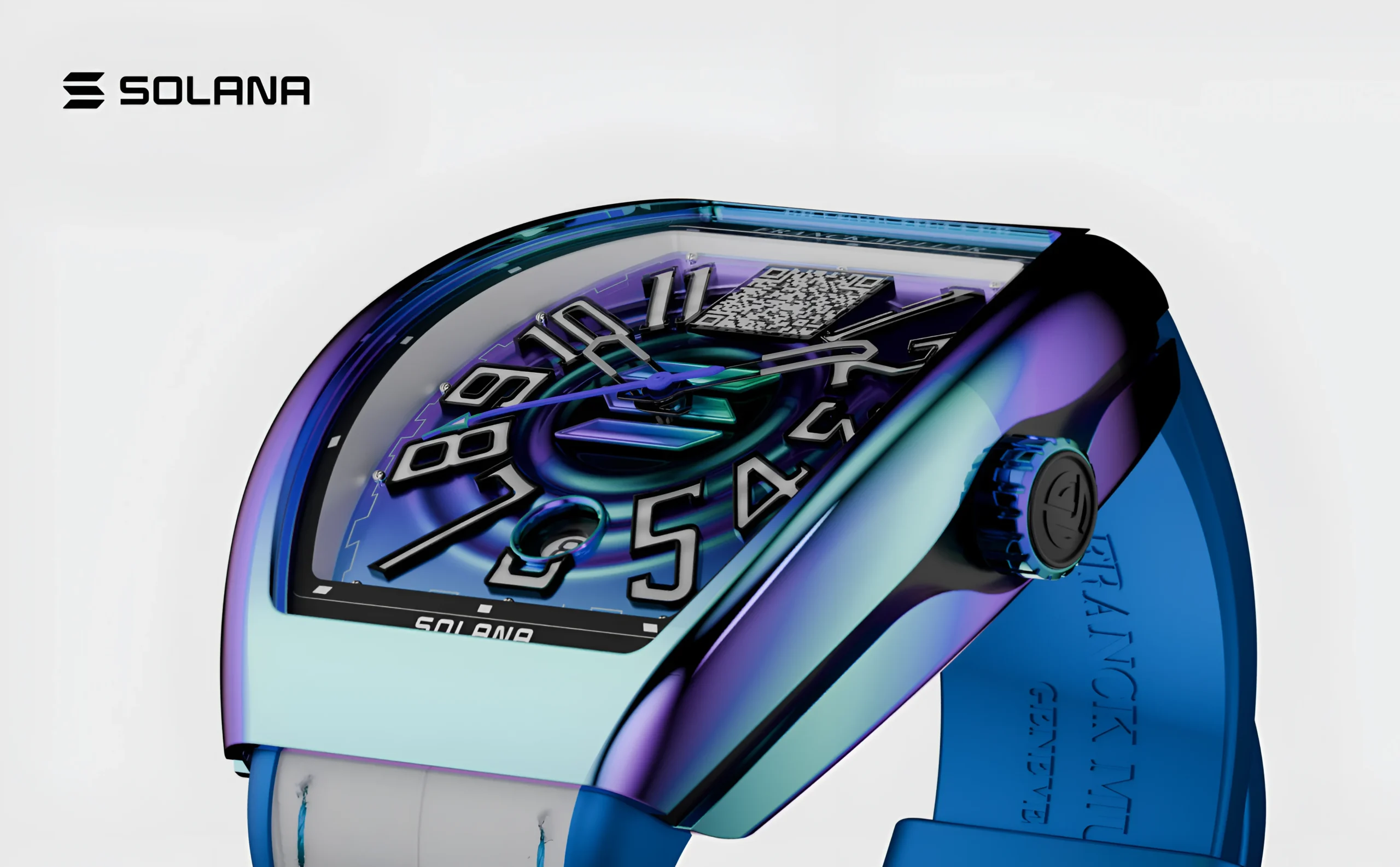
Explore the Web development process behind the Franck muller.
WordPress: The Structured, Familiar Ecosystem
WordPress is a traditional content management system (CMS) where the backend (content) and frontend (design and presentation) are closely connected. What you create in the admin panel is directly reflected on the website, making it a tightly integrated system.
This structure makes WordPress highly effective for speed, simplicity, and ease of use, especially for teams that want to launch quickly without complex engineering setup.
Key characteristics:
- Built-in themes and predefined page structures
- Visual editors and a vast plugin ecosystem
- Quick deployment for blogs, business sites, and standard web projects
- Strong global community and extensive developer support
Because of these strengths, WordPress is often the preferred choice for blogs, corporate websites, portfolios, and small to mid-scale digital platforms.
However, its tightly coupled architecture can become restrictive as digital needs grow. When businesses require multi-platform content delivery (web, mobile apps, digital kiosks, etc.) or highly customized, high-performance user experiences, WordPress can start to feel less flexible. Scaling often depends on plugins or custom workarounds, which may increase complexity over time.
Headless CMS: The Decoupled, API-First Approach
A Headless CMS removes the traditional front-end layer and focuses entirely on content management. Instead of being tied to a specific website design, content is delivered through APIs to any digital interface, websites, mobile applications, kiosks, wearables, or IoT devices.
This separation of content and presentation gives organizations far greater flexibility, but it also introduces more architectural complexity and requires stronger technical capabilities.
Key characteristics:
- Content is stored independently from how it is designed or displayed
- Front-end is built using modern frameworks like React, Next.js, or Vue
- API-driven content delivery enables seamless integration across platforms
- Single content source can power multiple channels simultaneously
Headless CMS architectures are built for scalability, performance, and omnichannel delivery rather than simple website publishing. They are especially valuable for businesses that need consistent content across many platforms and want the freedom to design highly customized,
Key Differences That Impact Business Strategy
The distinction between WordPress and a headless CMS goes beyond technology, it shapes how a business builds, manages, and scales its digital presence.
| Area | WordPress | Headless CMS |
| Architecture | Coupled | Decoupled |
| Flexibility | Moderate | High |
| Setup Speed | Fast | Slower initially |
| Scalability | Limited at scale | Highly scalable |
| Developer Dependency | Low | High |
| Multi-platform support | Limited | Strong |
In practical terms, WordPress prioritizes speed and simplicity, making it ideal for quick launches and straightforward websites. A headless CMS, however, prioritizes flexibility and long-term scalability, enabling businesses to deliver content seamlessly across multiple platforms and devices.
The real decision is not about which system has more features, it is about how much control, adaptability, and future readiness a business needs within its digital ecosystem.
Performance, Flexibility, and Scalability
Performance is one of the most underestimated differences between WordPress and headless CMS architectures, yet it has a direct impact on user experience and business outcomes.
In WordPress, performance is largely influenced by the choice of theme, number of plugins, and quality of hosting. As functionality grows, sites often become heavier, requiring ongoing optimization such as caching, image compression, database tuning, and plugin management. This means performance can remain strong but it is highly dependent on continuous maintenance and careful configuration.
In contrast, a headless CMS separates content management from front-end rendering. This allows developers to use modern frameworks like React or Next.js, which are optimized for speed, efficient rendering, and advanced performance techniques such as static generation and server-side rendering. Because the front-end is decoupled, it can be engineered specifically for speed without being constrained by the CMS structure.
This architectural difference results in several key advantages for headless systems:
- Faster page load times and smoother user experiences
- Stronger Core Web Vitals scores, improving SEO and usability
- Easier global scalability through CDNs and distributed hosting
- Greater control over how and when content is rendered
At scale, performance becomes more than a technical consideration, it directly influences conversion rates, engagement, and retention. Even small improvements in load time can significantly affect user behavior, making performance a core business metric rather than just an engineering concern.
Explore the Web development process behind the DCC.
Content Operations and Team Workflow
WordPress and headless CMS platforms create very different working models for content teams, shaping how marketing and engineering collaborate on a day-to-day basis.
In WordPress, content management is centralized in a single interface. Marketers, editors, and content creators can directly create, edit, and publish content without needing developer involvement. This makes the workflow highly accessible and efficient, especially for fast-moving teams that need frequent updates.
WordPress workflow advantages:
- Marketing teams can publish independently
- Faster edits, updates, and content iterations
- Minimal technical dependency for routine changes
This unified system reduces friction and allows businesses to respond quickly to campaigns, announcements, and content updates.
In a headless CMS, content is also managed centrally, but the presentation layer is handled separately by developers using a front-end framework. This creates a more structured but divided workflow between content and engineering teams.
Headless CMS workflow characteristics:
- Strong emphasis on structured content modeling
- Front-end experience defined and built by developers
- More controlled and governed publishing processes
This separation introduces greater consistency and scalability, but it also requires tighter coordination between teams. Content changes may need developer support if they affect layout or user experience.
Ultimately, the tradeoff is clear: WordPress prioritizes speed and autonomy for content teams, while headless CMS prioritizes structure, control, and long-term precision in how content is delivered.
SEO, Marketing, and Digital Growth Impact
From an SEO perspective, WordPress has long been considered a strong foundation because of its built-in structure and rich ecosystem of plugins. Tools for metadata management, XML sitemaps, schema markup, and content optimization make it relatively easy for marketing teams to implement standard SEO practices without deep technical involvement.
However, SEO today has evolved beyond on-page optimization alone. Search engines increasingly prioritize performance, user experience, and mobile-first delivery, which is where headless CMS architectures can gain a significant advantage when implemented correctly.
In a headless setup, SEO performance is not dependent on a CMS plugin ecosystem but on how the front-end is engineered. This enables more advanced and granular control over how content is rendered and delivered.
Advantages of headless CMS for SEO include:
- Custom rendering strategies (SSR, SSG, hybrid approaches) for faster indexing
- Stronger performance optimization leading to improved Core Web Vitals
- More precise schema markup implementation tailored to content types
- Faster and more responsive mobile experiences
As a result, headless architectures can outperform traditional setups in search visibility and engagement metrics, provided they are properly designed and maintained.
Ultimately, SEO is no longer just about optimizing content in isolation. It is increasingly about how efficiently content is delivered, how fast pages load, and how seamless the user experience feels across devices. This shifts SEO from a purely content-driven discipline to a broader intersection of engineering, performance, and marketing strategy.
Cost, Maintenance, and Long-Term Ownership
Cost is one of the most important factors in choosing between WordPress and a headless CMS, and it plays out very differently across short-term and long-term horizons.
With WordPress, the upfront cost is generally lower. Businesses can launch quickly using pre-built themes and plugin-based functionality, which reduces the need for extensive custom development. This makes it attractive for startups, small businesses, and teams that need to get online quickly without heavy engineering investment.
However, over time, maintenance costs can accumulate. As websites grow in complexity, they often require ongoing attention to manage plugin compatibility, security patches, performance optimization, and occasional refactoring. This can gradually increase operational overhead, especially for heavily customized sites.
In contrast, a headless CMS typically requires a higher initial investment. It involves building a custom front-end, setting up API-driven architecture, and relying more on developer resources during the early stages. This increases the cost and complexity at the beginning of the project.
However, the long-term model is often more efficient and stable. Because functionality is not dependent on large plugin ecosystems, there is:
- Reduced risk of plugin conflicts
- Fewer breaking changes during updates
- Lower long-term technical debt
- More predictable scaling as traffic and complexity grow
Over time, this can lead to a more maintainable and future-proof architecture, especially for businesses that expect continuous growth, multi-platform expansion, or high-performance digital products.
In essence, WordPress optimizes for low entry cost and fast deployment, while headless CMS optimizes for long-term stability, scalability, and reduced architectural friction.
When to Choose WordPress vs Headless CMS
Choosing between WordPress and a headless CMS depends less on technology preference and more on business goals, scale, and long-term digital strategy.
Choose WordPress when:
- You need fast website deployment with minimal setup time
- Your content is primarily blog, marketing, or informational in nature
- Budget constraints and speed-to-market are top priorities
- You want a system that allows non-technical teams to manage content independently
- You prefer minimal engineering involvement for day-to-day operations
WordPress is best suited for businesses that prioritize simplicity, rapid launch cycles, and straightforward content management without complex multi-channel requirements.
Choose a Headless CMS when:
- You are building a broader digital product ecosystem beyond just a website
- You need to deliver content across multiple platforms (web, mobile apps, kiosks, etc.)
- Performance, scalability, and custom user experiences are critical to success
- You have access to a strong engineering or product development team
- You want full control over front-end design and system architecture
Headless CMS platforms are better suited for organizations focused on long-term scalability, omnichannel delivery, and high-performance digital experiences.
In summary, WordPress prioritizes speed, accessibility, and simplicity, while headless CMS prioritizes flexibility, scalability, and architectural control.

Explore the Web development process behind the Shivam.
Strategic Decision Framework
The choice between WordPress and a headless CMS should not be driven by trends, popularity, or what competitors are using. It should be guided by system requirements and long-term business goals.
Instead of asking “Which CMS is better?”, the more important question is “What does our digital system need to achieve?”
A practical decision framework includes the following questions:
- Do we need speed or scalability first?
If the priority is rapid launch and quick iteration, simpler systems like WordPress are often sufficient. If long-term scale and flexibility matter more, headless architectures become more relevant. - Is content delivery single-channel or multi-channel?
A single website or blog fits well within traditional CMS structures. Multi-platform delivery (web, apps, IoT, digital touchpoints) strongly favors a headless approach. - How important is performance optimization at scale?
For basic websites, standard optimization may be enough. For high-traffic, global, or performance-critical applications, deeper architectural control becomes essential. - How technical is our internal team?
Teams with limited engineering resources benefit from managed, all-in-one systems. Teams with strong developers can fully leverage the flexibility of headless systems.
Ultimately, the right choice is not defined by technology preference, but by how the system must behave under real business conditions, today and in the future.
Conclusion
The comparison between WordPress and a headless CMS is not about identifying a superior platform, but about choosing the system that best aligns with business goals, operational maturity, and long-term digital ambition.
WordPress provides simplicity, rapid deployment, and accessibility, making it ideal for teams that prioritize speed and ease of management. It enables organizations to quickly establish a digital presence without heavy technical overhead.
Headless CMS, on the other hand, delivers flexibility, scalability, and architectural control. It is designed for organizations that need to support multiple platforms, optimize performance at scale, and build highly customized digital experiences.
For decision makers, the key consideration is not just what is being built today, but how the digital ecosystem must evolve over time. As businesses grow, their content needs often expand beyond a single website into a broader network of channels and experiences.
In this context, the CMS is no longer just a content tool, it becomes a foundational layer of digital infrastructure that shapes speed, scalability, and future innovation.

Prasanna M
WordPress Developer