


Why Trust Matters in E-commerce
In e-commerce, customers cannot physically touch a product, speak directly with a salesperson, or examine a store before making a purchase. Instead, they rely on what they see online to decide whether a business is trustworthy. This makes branding one of the most important factors in creating confidence and encouraging customers to buy.
A strong e-commerce brand communicates more than what a business sells. It tells customers who the business is, what it stands for, and what kind of experience they can expect. From the website design and product images to the tone of communication and packaging, every interaction contributes to the customer’s perception of the brand.
Think about the difference between an online store that looks professional, has consistent visuals, clear product information, customer reviews, and transparent policies, and another store with poor-quality images, confusing navigation, and inconsistent messaging. Even if both businesses sell similar products at similar prices, customers are naturally more likely to trust the first one.
This is where effective branding becomes a competitive advantage.
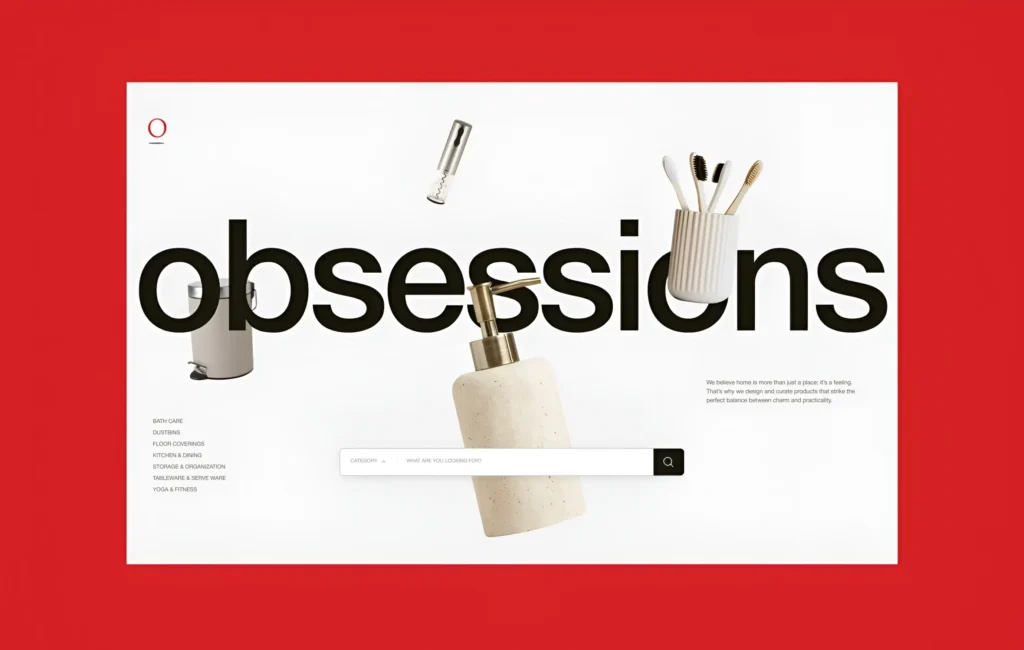
Explore the E-Commerce branding process behind the Obsessions.
What Is E-commerce Branding?
E-commerce branding is the process of creating a distinctive identity and customer experience for an online business. It includes visual elements such as logos, colors, typography, imagery, and packaging, but it goes much further than appearance.
Effective branding also includes the voice, personality, values, messaging, and experience associated with a business.
For example, a technology-focused e-commerce brand may use clean visuals, precise language, modern typography, and minimal design to communicate innovation and reliability. A sustainable lifestyle brand may use natural imagery, educational content, and messaging focused on environmental responsibility.
The goal is to create a consistent identity that customers can recognize and understand.
Branding Is More Than a Logo
One of the most common misconceptions about branding is that it simply means having a logo.
A logo is certainly an important part of a brand identity, but it represents only one piece of the bigger picture.
Imagine visiting an online store with an attractive logo but poor product descriptions, inconsistent images, unclear policies, and an unreliable customer support experience. A good logo cannot compensate for an inconsistent overall experience.
Strong branding brings different elements together, including:
- Visual identity: Logo, colors, fonts, graphics, and imagery
- Brand voice: How the business communicates with customers
- Brand values: What the business believes and represents
- Customer experience: How customers interact with the business
- Product presentation: How products are displayed and explained
- Consistency: How the brand appears across different touchpoints
When these elements work together, they create a recognizable and trustworthy identity.

Explore the E-Commerce branding process behind the Pureforma.
How Branding Builds Customer Trust
Creating a Professional First Impression
A customer’s first interaction with an e-commerce brand can happen anywhere, through a Google search, social media advertisement, marketplace listing, or directly on the website.
That first impression matters.
A well-designed website, high-quality product photography, consistent colors, and clear messaging immediately communicate professionalism. Customers may not consciously analyze these elements, but they often use them to form an opinion about the business.
For example, a website with:
- Clear navigation
- Professional product images
- Easy-to-understand descriptions
- Consistent branding
- Visible contact information
- Secure payment options
- Transparent shipping and return policies
can create a stronger sense of credibility.
On the other hand, broken links, inconsistent designs, poor-quality images, or unclear information can make customers question whether the business is trustworthy.
Professional branding doesn’t guarantee trust, but poor branding can make trust much harder to earn.

Explore the Branding behind the Shivam.
The Importance of Consistent Branding
Consistency is one of the most important elements of building trust.
Imagine seeing a brand on social media with a particular logo, color palette, and tone of voice. When you visit its website, however, the design looks completely different. Then you receive an email with another style and different messaging.
This inconsistency can create uncertainty.
Customers may wonder whether they are interacting with the same company.
Consistent branding creates familiarity across every customer touchpoint. This includes:
- Website
- Social media
- Email marketing
- Online advertisements
- Product packaging
- Customer service
- Marketplace listings
- Printed materials
The more consistently a brand presents itself, the easier it becomes for customers to recognize it.

Explore the Branding behind the Diamensions.
Why Familiarity Matters
People generally become more comfortable with things they recognize.
In e-commerce, repeated exposure to a consistent brand identity can make future interactions feel more familiar. A customer who has already seen a brand several times may be more likely to remember it when they are ready to purchase.
This is particularly useful in competitive markets where customers encounter dozens of businesses selling similar products.
A recognizable brand can help answer an important question in the customer’s mind:
“Why should I choose this business instead of another one?”
The answer may not always be the lowest price. It could be reputation, quality, experience, values, service, or simply the confidence that the brand has created over time.
Turning Trust Into Customer Loyalty
Building trust is not only about securing one transaction. The bigger objective is creating relationships that encourage customers to return.
When customers have a positive experience with a brand, several things can happen.
They may:
- Purchase again.
- Recommend the business to friends or family.
- Leave a positive review.
- Follow the brand on social media.
- Subscribe to emails or loyalty programs.
- Become advocates for the brand.
This is where branding becomes particularly powerful.
A memorable brand experience can transform a one-time customer into a long-term customer.
Trust Must Be Reinforced After the Purchase
Branding shouldn’t stop once the customer clicks “Buy Now.”
Post-purchase communication is equally important.
Order confirmation emails, shipping updates, packaging, customer support, follow-up messages, and return experiences all contribute to the customer’s perception of the brand.
For example, thoughtful packaging can reinforce a premium brand identity, while helpful customer support can strengthen a brand built around reliability and service.
Every interaction either reinforces or weakens trust.
The Role of Transparency in E-commerce Branding
Transparency is another major factor in building credibility.
Customers appreciate brands that provide straightforward information about:
- Product specifications
- Pricing
- Shipping costs
- Delivery timelines
- Returns and refunds
- Availability
- Terms and conditions
Hidden fees or misleading information can quickly damage trust.
A transparent brand doesn’t try to hide inconvenient information. Instead, it communicates clearly and allows customers to make informed decisions.
This creates a healthier relationship between the customer and the business.
The Key Elements of a Trustworthy E-commerce Brand
Building trust in e-commerce requires more than having a professional-looking website. Customers experience a brand through multiple touchpoints, and each one contributes to their overall perception of the business.
From the logo they see on an advertisement to the packaging they receive at their doorstep, every detail sends a message. When these elements work together consistently, they create a brand experience that feels reliable, professional, and memorable.
Logo and Visual Identity
A logo is often one of the first elements customers associate with a business. While a logo alone cannot create trust, a thoughtfully designed visual identity can make a brand appear more established and recognizable.
An effective e-commerce visual identity typically includes:
- Logo
- Brand colors
- Typography
- Photography style
- Graphic elements
- Icons and illustrations
- Packaging design
The key is consistency.
If the same visual language appears across the website, social media, advertisements, emails, and packaging, customers begin to recognize the brand more easily.
For example, a technology-focused e-commerce business may use a clean and structured visual identity to communicate innovation and precision. A fashion brand may use a more expressive identity to communicate creativity and personality.
The visual style should reflect what the brand represents and what its target customers expect.
Brand Colors and Typography
Colors and typography may appear like small design choices, but they play an important role in creating a recognizable identity.
A consistent color palette can help customers immediately associate certain colors with a particular brand. Typography also influences how a business communicates its personality.
A premium brand might choose elegant typography and a restrained color palette, while a modern technology brand may use clean fonts and a minimalist design system.
There is no single color or font that automatically creates trust.
What matters most is intentionality and consistency.
When customers encounter the same design elements across multiple platforms, the brand becomes more familiar and easier to recognize.

Explore the Branding behind the Blyp.
Consistent Messaging and Tone
Visual branding is only one side of the equation. The way a brand communicates is equally important.
A brand’s tone of voice should remain relatively consistent across product descriptions, advertisements, emails, social media posts, and customer support.
For example, a brand positioned around expertise and reliability may use clear, informative, and confident language. A lifestyle brand targeting a younger audience might use a more conversational and energetic tone.
The important thing is that the communication feels authentic.
Customers should be able to recognize the personality of the brand regardless of where they encounter it.
Why Tone Builds Confidence
Imagine a brand describing itself as professional and premium but using confusing, poorly written product descriptions. The visual identity may look impressive, but the communication creates doubt.
Clear and consistent messaging demonstrates attention to detail.
When a business explains its products, policies, benefits, and processes in a straightforward way, customers have fewer reasons to feel uncertain.
High-Quality Product Presentation
In e-commerce, customers cannot physically examine a product before purchasing it. This makes product presentation particularly important.
Images, videos, descriptions, specifications, and demonstrations need to provide customers with enough information to understand what they are buying.
High-quality product presentation can include:
- Multiple product images
- Different product angles
- Detailed descriptions
- Product dimensions and specifications
- Demonstration videos
- Clear pricing
- Available variations
- Usage instructions
- Frequently asked questions
The objective isn’t simply to make products look attractive.
It is to reduce uncertainty.
When customers can clearly understand a product before purchasing, they are more likely to feel confident about their decision.
Professional Website Design
For many e-commerce businesses, the website is the primary location where trust is either strengthened or weakened.
A visually attractive website is useful, but usability is just as important.
Customers should be able to quickly find what they need without unnecessary confusion.
Important elements include:
Easy Navigation
Categories, search functionality, filters, and menus should help customers find products efficiently.
Mobile-Friendly Design
A significant portion of online shopping happens on mobile devices. A website that doesn’t work properly on smaller screens can create frustration and reduce confidence.
Clear Product Information
Customers shouldn’t have to search through multiple pages to understand basic information about a product.
Simple Checkout
The checkout process should be straightforward, transparent, and easy to understand.
Accessible Customer Support
Customers should know how to contact the business if they have questions or problems.
These features may not always be considered traditional “branding,” but they contribute directly to the brand experience.
Reviews, Ratings, and Social Proof
Customers often look to other people’s experiences before trusting an unfamiliar business.
Reviews and ratings can therefore become powerful trust signals.
A customer may be more comfortable purchasing from a brand after seeing genuine feedback from people who have already bought the product.
Social proof can include:
- Customer reviews
- Star ratings
- Testimonials
- User-generated content
- Product photos from customers
- Case studies
- Expert opinions
- Social media mentions
However, authenticity is critical.
Businesses should avoid fake reviews or misleading testimonials. Attempts to artificially manufacture trust can ultimately damage credibility if customers discover the truth.
Instead, brands should encourage genuine customers to share their experiences.
Packaging as a Branding Touchpoint
The customer’s relationship with a brand doesn’t end when the order arrives.
Packaging is another opportunity to reinforce the brand identity.
Consider the experience of receiving a package that is carefully designed, professionally presented, and consistent with the website’s visual identity. It can make the purchase feel more valuable and memorable.
Packaging can communicate:
- Brand personality
- Product quality
- Attention to detail
- Sustainability values
- Premium positioning
Even simple packaging can be effective when it is thoughtfully designed.
The goal isn’t necessarily to make packaging expensive. It is to make it consistent with the brand promise.
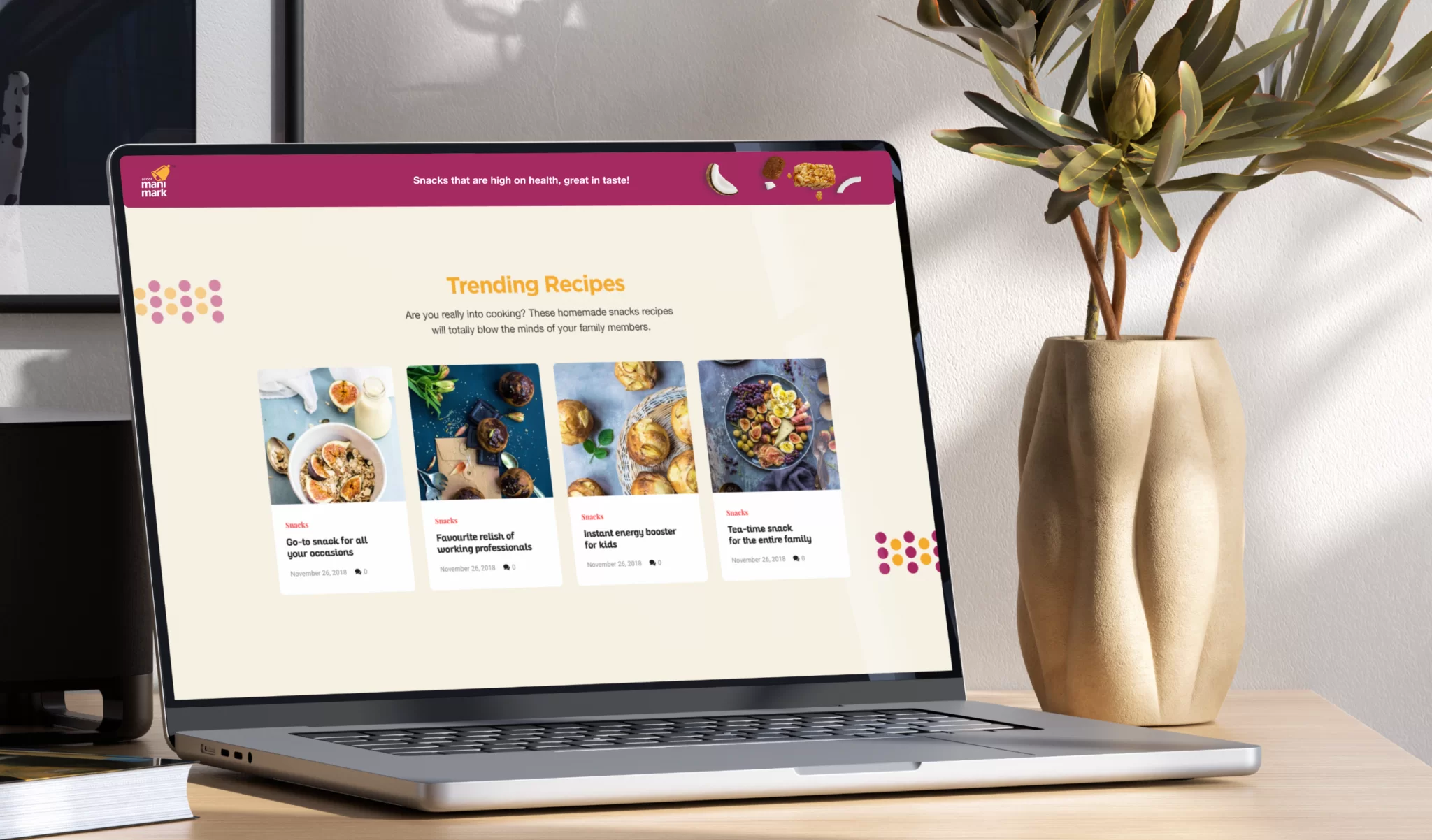
Explore the Branding behind the Mani Mark
Customer Service as Part of Branding
Customer service is one of the strongest tests of whether a brand actually delivers on its promises.
A business may have an excellent website and attractive branding, but if customers receive slow responses or unhelpful support, trust can quickly disappear.
Good customer service should reflect the same values communicated through the rest of the brand.
If a company positions itself as customer-focused, its support should be responsive and helpful.
If it positions itself as an expert brand, its support team should be knowledgeable and capable of answering product-related questions.
In other words:
Customer service isn’t separate from branding, it is branding in action.
Creating One Consistent Customer Experience
The strongest e-commerce brands understand that customers don’t experience individual branding elements separately. They experience them as one complete journey.
A customer might:
See an advertisement → Visit the website → Explore a product → Read reviews → Make a purchase → Receive an email → Get the product → Contact support.
Every one of these interactions contributes to the customer’s perception.
If the experience is consistent, trust becomes stronger.
If the experience is inconsistent, customers may become uncertain.
Therefore, e-commerce businesses should regularly evaluate every customer touchpoint and ask:
“Does this interaction feel like the same brand?”
Turning Brand Trust Into Long-Term E-commerce Growth
Building trust is not the final goal of e-commerce branding. The real objective is to turn that trust into customer loyalty, repeat purchases, and sustainable business growth.
Once customers recognize a brand and feel confident purchasing from it, businesses have an opportunity to build relationships that go beyond a single transaction. This final phase focuses on strengthening those relationships, measuring branding performance, avoiding common mistakes, and creating a brand customers want to return to.
Turning First-Time Buyers Into Loyal Customers
A first purchase is only the beginning of the customer relationship.
After customers have experienced a product and interacted with the business, their perception of the brand becomes much stronger. If the experience meets or exceeds their expectations, they are more likely to purchase again.
Businesses can encourage this relationship through:
- Personalized follow-up emails
- Loyalty programs
- Exclusive offers
- Helpful educational content
- Product recommendations
- Early access to new products
- Excellent customer support
However, loyalty should not be built entirely around discounts.
Customers may return because they trust the quality of the products, appreciate the customer service, identify with the brand’s values, or simply enjoy the overall experience.
A strong brand gives customers a reason to return beyond price.
Creating Memorable Customer Experiences
In a competitive e-commerce environment, products can often be copied, prices can be matched, and competitors can offer similar features.
Customer experience is therefore becoming an increasingly important differentiator.
A memorable experience can come from small details:
- A simple and enjoyable website
- Helpful product recommendations
- Clear communication
- Attractive packaging
- Fast and reliable support
- Personalized messages
- Easy returns
- Post-purchase assistance
When these details consistently reflect the brand’s personality, customers begin to associate positive experiences with the business.
This can strengthen both trust and loyalty.
Building a Community Around the Brand
The strongest e-commerce brands don’t always treat customers as transactions. They create communities around shared interests, lifestyles, or values.
Social media can be particularly useful for this.
Instead of constantly promoting products, brands can share:
- Educational content
- Behind-the-scenes stories
- Customer experiences
- Tutorials
- Industry insights
- User-generated content
- Brand stories
This encourages customers to interact with the brand even when they aren’t planning to make a purchase.
Over time, the brand becomes part of the customer’s interests and lifestyle rather than simply another online store.
Common E-commerce Branding Mistakes to Avoid
Even businesses that invest heavily in branding can make mistakes that weaken customer trust.
Inconsistent Brand Identity
Using different logos, colors, fonts, or messaging across platforms can make a business appear disorganized.
Poor-Quality Product Images
Customers depend heavily on visuals when shopping online. Blurry or misleading images can create uncertainty.
Overpromising
Marketing claims that don’t match the actual product experience can damage credibility.
Ignoring Customer Feedback
Reviews and customer comments provide valuable insight into how people perceive the brand. Ignoring recurring complaints can allow small problems to become major reputation issues.
Focusing Only on Price
Competing entirely on price makes it difficult to create long-term differentiation. A strong brand provides value through quality, experience, trust, and identity—not just discounts.

Explore the Branding behind the Sukkubhai
Strategies to Strengthen Your E-commerce Brand
Businesses looking to improve their brand can begin with a few practical steps.
1. Define Your Brand Values
Identify what the business stands for and what makes it different.
2. Understand Your Audience
Learn what customers care about, what problems they face, and what influences their purchasing decisions.
3. Create a Consistent Visual Identity
Use a clear design system across your website, social media, advertisements, packaging, and other customer touchpoints.
4. Improve the Customer Experience
Look beyond aesthetics. Make browsing, purchasing, delivery, returns, and customer support as simple as possible.
5. Use Social Proof
Encourage genuine customers to share reviews, testimonials, photos, and experiences.
6. Communicate Transparently
Make product information, pricing, shipping, returns, and policies easy to understand.
7. Deliver on Your Brand Promise
Perhaps the most important strategy is also the simplest: do what you say you will do.
A beautiful brand can attract attention, but consistent performance is what ultimately builds trust.
Conclusion: Build a Brand Customers Can Trust
In e-commerce, branding is much more than creating an attractive logo or choosing the right colors. It is about creating a consistent experience that makes customers feel confident, understood, and valued.
From the first website visit to post-purchase support, every interaction contributes to the customer’s perception of a business.
A trustworthy brand combines professional design with authentic communication, transparent information, quality products, reliable service, and consistent customer experiences.
Ultimately, customers don’t just remember what they purchased. They remember how they felt about the brand throughout the entire experience.
For e-commerce businesses looking to grow in a competitive market, investing in branding isn’t simply an investment in appearance. It is an investment in trust, loyalty, reputation, and long-term growth.

Akshita Shivani Sundar
Senior Graphic Designer