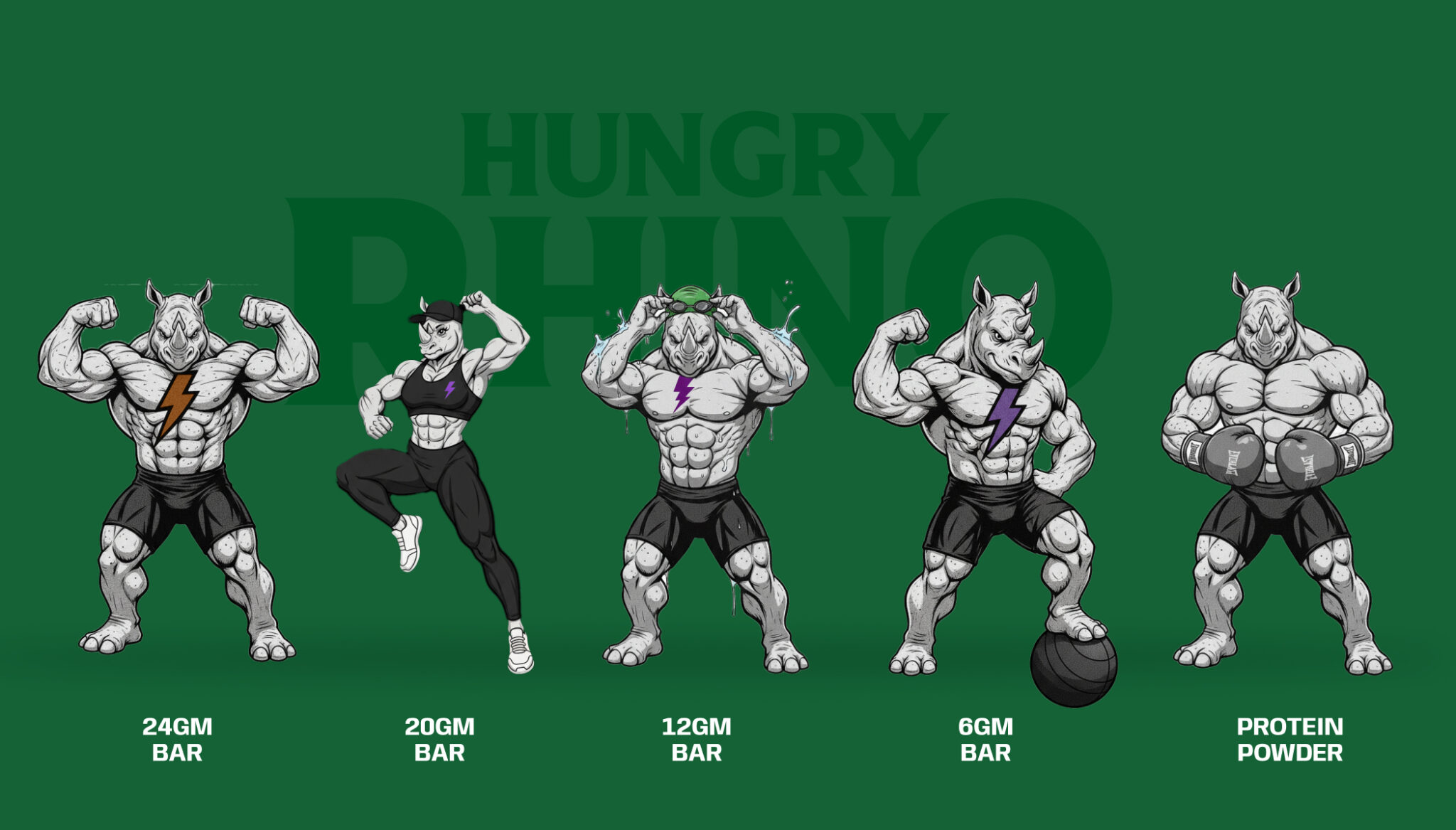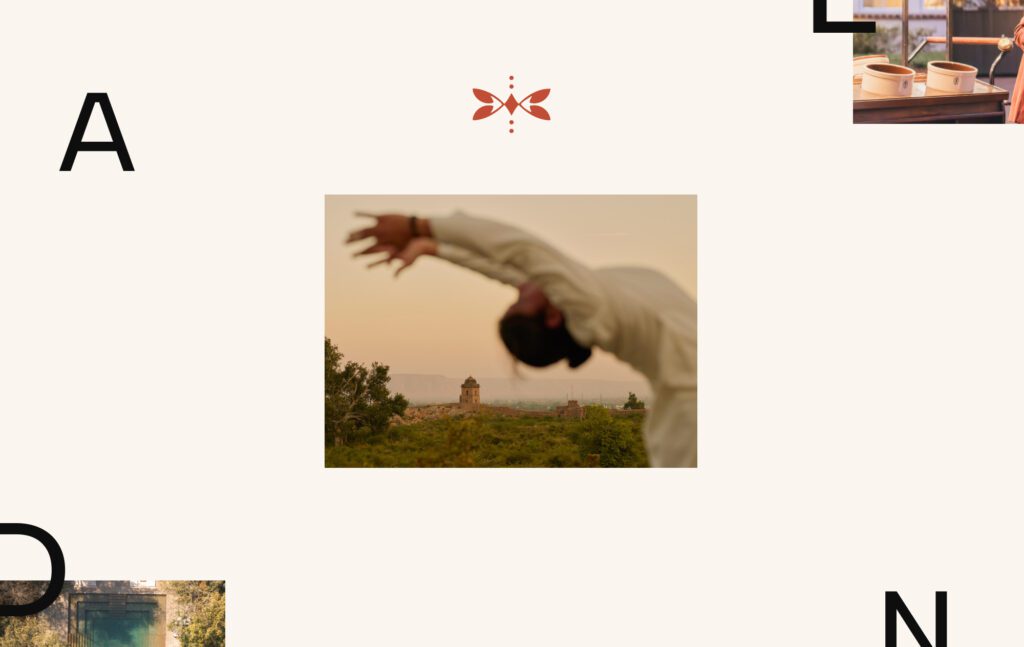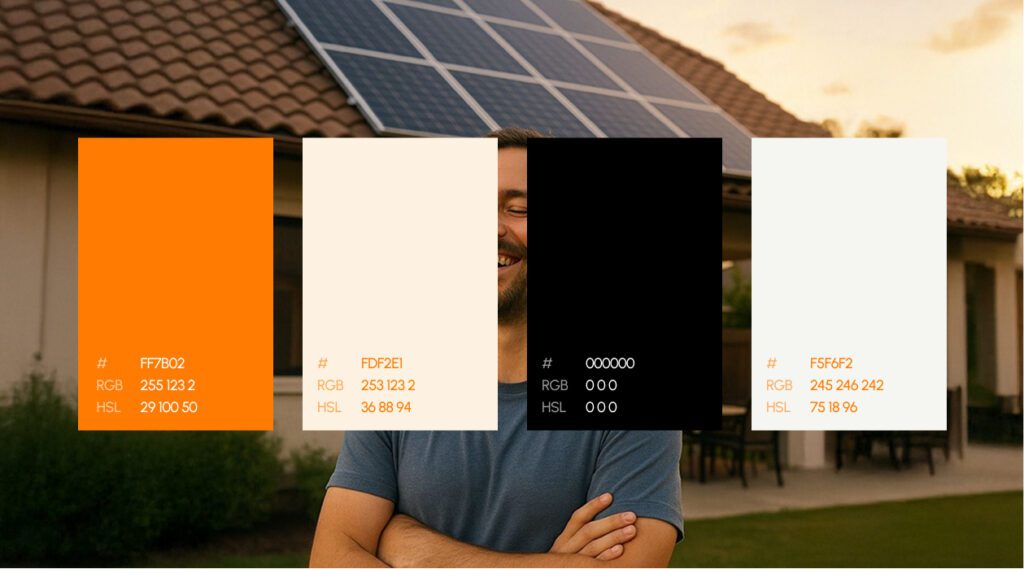


What Is a Brand System?
A strong brand is much more than a recognizable logo. While a logo may be the most visible part of a brand, it is only one element within a much larger framework. A brand system brings together the visual, verbal, and strategic elements that define how a business presents itself and communicates with its audience.
Think of a brand system as the framework behind a brand experience. It determines how a company looks, sounds, communicates, and behaves across different platforms and customer touchpoints.
For example, a company may have a logo, specific colors, fonts, photography styles, messaging guidelines, and a particular tone of voice. When these elements work together consistently, they form a cohesive brand system.
A well-designed brand system helps businesses create a recognizable identity while making it easier for teams to maintain consistency as the company grows.

Explore the Logo design process behind the krishna group
Why Do Businesses Need Brand Systems?
As businesses expand, their branding appears in more places than ever before. A company might communicate with customers through its website, social media, advertisements, packaging, email campaigns, presentations, mobile applications, and physical spaces.
Without a structured brand system, these touchpoints can quickly become inconsistent.
One advertisement might use different colors, another might use a different tone, and the website may look completely unrelated to the company’s social media presence. Although each individual piece may look acceptable, the overall brand can feel fragmented.
A brand system solves this problem by establishing a clear set of principles and components that guide every brand interaction.
It provides teams with answers to questions such as:
- Which colors should we use?
- How should our logo appear?
- Which fonts represent the brand?
- What type of photography fits our identity?
- How should we communicate with customers?
- What should our social media content look and sound like?
The result is a more consistent and recognizable brand experience.
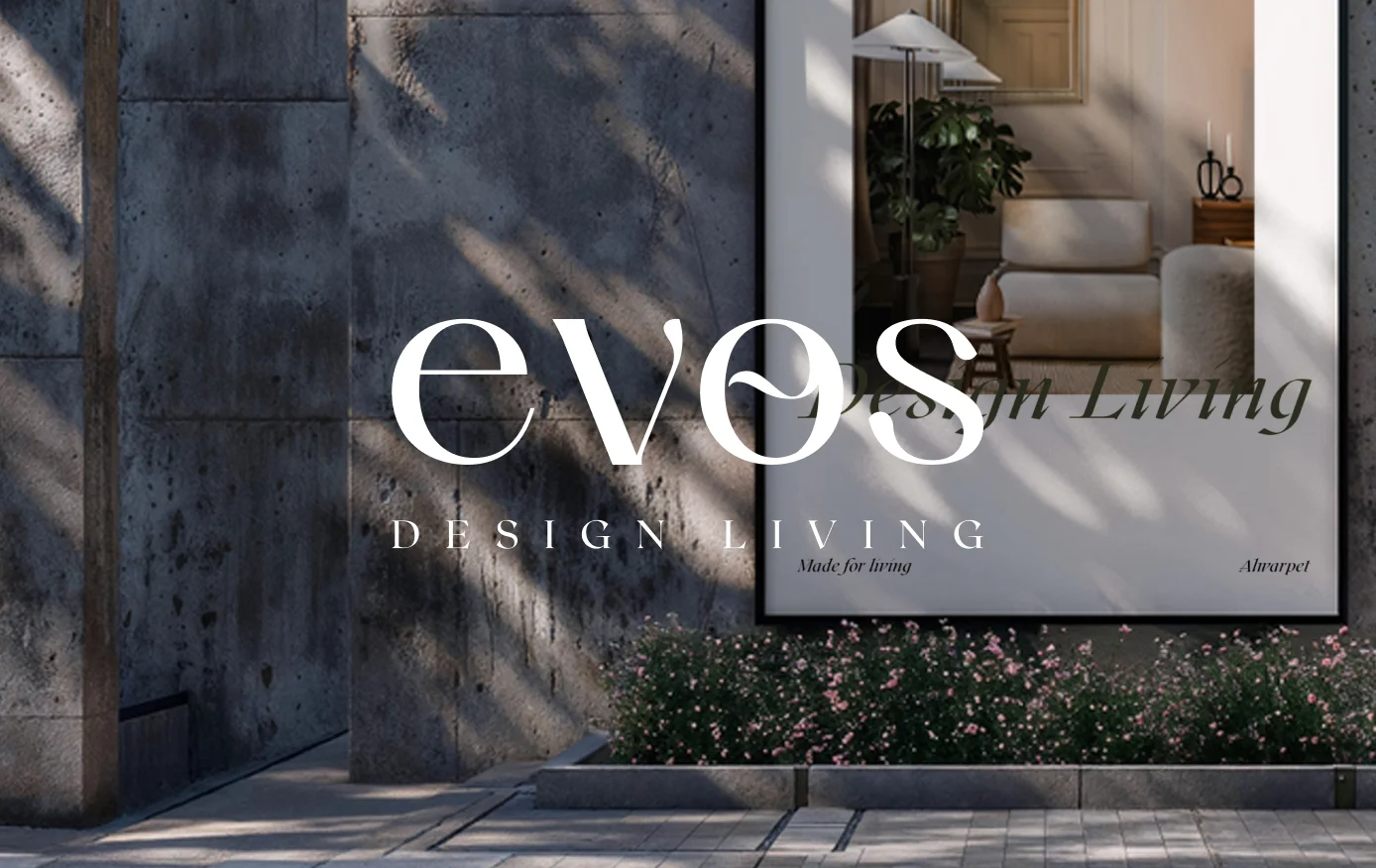
Explore the Branding behind the Evos.
Brand System vs. Brand Identity
The terms brand system and brand identity are often used interchangeably, but they are not exactly the same.
Brand identity generally refers to the collection of elements that represent a brand, including its logo, colors, typography, imagery, messaging, and other recognizable characteristics.
A brand system goes a step further. It defines how these elements work together and how they should be applied across different situations.
For instance, a brand identity may specify a particular color palette. A brand system explains how those colors should be combined across websites, advertisements, packaging, presentations, and social media.
In simple terms, brand identity defines what the brand looks and sounds like, while a brand system establishes how that identity works consistently across the brand experience.
The Role of a Logo in a Brand System
The logo is often the first element people associate with a brand. It provides a visual identifier that helps audiences recognize a business.
However, relying on a logo alone is not enough to create a strong brand.
Imagine removing the logo from a company’s advertisement. If the colors, typography, imagery, layout, messaging, and overall visual style still make the company recognizable, that business has a stronger brand system.
This is why modern branding focuses on creating a complete visual and verbal language rather than simply designing a memorable logo.
A logo should work as part of a larger system. Its variations, proportions, spacing, colors, placement, and relationship with other design elements should all be clearly defined.
Why Consistency Matters
Consistency is one of the most important principles of an effective brand system.
When customers repeatedly encounter the same visual language and communication style, they begin to associate those elements with the business. Over time, this familiarity can strengthen recognition and trust.
Consistency does not mean that every piece of content needs to look identical. Instead, it means that different applications should share recognizable characteristics.
A website, social media post, business card, and advertisement can each have a different purpose while still feeling like they belong to the same brand.
That balance between consistency and flexibility is what makes a brand system valuable.

Explore the Logo design process behind the Blyp.
The Key Elements of a Brand System
A successful brand system combines several interconnected elements. Each component has its own role, but the real strength comes from how these elements work together.
01. Brand Strategy
Before designing visual elements, businesses need to understand what the brand stands for.
Brand strategy establishes the foundation of the system. It can include the company’s purpose, values, positioning, target audience, personality, and differentiation.
For example, a technology company targeting enterprise customers may want to communicate reliability, expertise, and innovation. A lifestyle brand targeting younger consumers may focus more on energy, creativity, and individuality.
These strategic decisions influence everything that follows, from visual design to messaging.
02. Logo and Visual Identity
The logo is an important component of the visual identity, but it works alongside other elements.
A complete visual identity can include:
- Primary and secondary logos
- Color palette
- Typography
- Photography
- Illustration style
- Icons
- Patterns
- Shapes
- Layout principles
- Graphic elements
Together, these components create a recognizable visual language.
A strong visual identity should also be flexible enough to work across different sizes, formats, and platforms.
03. Color Palette
Color plays an important psychological and recognizable role in branding.
A brand system should establish primary and secondary colors and define how they should be used.
For example, primary colors may be reserved for major brand elements, while secondary colors can support campaigns, illustrations, backgrounds, or digital interfaces.
Clear color rules help maintain consistency while giving designers enough flexibility to create varied content.
04. Typography
Typography is another major part of a brand system.
The fonts a company chooses can influence how its personality is perceived. A modern sans-serif typeface may communicate simplicity and technology, while a serif typeface might create a more traditional or sophisticated impression.
A complete typography system typically defines:
- Primary typeface
- Secondary typeface
- Heading styles
- Body text styles
- Font sizes
- Weight hierarchy
- Spacing
- Digital and print applications
This ensures that written content has a consistent visual character across platforms.
05. Imagery and Graphic Elements
Photography, illustrations, icons, textures, shapes, and other graphic elements can make a brand more distinctive.
For example, a brand may consistently use natural photography with soft compositions, while another may use bold illustrations and geometric graphics.
The important thing is to establish clear principles rather than selecting visuals randomly.
These elements give designers additional tools to express the brand without depending entirely on the logo.
06. Brand Voice and Messaging
A brand system isn’t only visual.
The way a company communicates is equally important. Brand voice defines the personality behind the words.
Is the brand professional and authoritative? Friendly and conversational? Bold and provocative? Helpful and educational?
Once the voice is established, it can be adapted to different situations while maintaining the same underlying personality.
For example, a brand might use a friendly tone on social media while adopting a more formal tone in a legal document. The communication style changes according to context, but the core personality remains recognizable.
Bringing Everything Together
The real power of a brand system comes from the relationship between these elements.
A logo, color palette, typography, imagery, and brand voice should not feel like separate decisions. They should work together to communicate the same underlying brand idea.
When strategy informs design and design supports communication, the result is a more complete and memorable brand experience.
From Logo Design to a Complete Brand Experience
A logo is often where a branding project begins, but it should not be where the process ends. A successful brand system connects the logo with every other element customers encounter, creating a consistent and recognizable experience across multiple touchpoints.
Why a Logo Alone Isn’t a Brand
A logo identifies a business, but it does not fully communicate what that business represents.
Customers may see a logo for only a few seconds. Their overall perception of the company is shaped by many other factors, including the website experience, packaging, advertisements, customer service, social media content, photography, language, and even the way information is presented.
This means a memorable logo is valuable, but it needs a supporting system.
For example, two companies could use equally professional logos but create completely different impressions through their websites, colors, typography, imagery, and messaging. The stronger brand is usually the one where all these elements work together.
Connecting the Logo With Other Brand Elements
The logo should act as one part of a broader visual language.
Its design can influence other elements of the brand system, including color combinations, typography, shapes, patterns, icons, and layouts. These supporting elements can then be used even when the logo isn’t present.
A strong brand system should answer questions such as:
- How should the logo appear on light and dark backgrounds?
- When should the primary or secondary logo be used?
- What colors should accompany the logo?
- Which fonts complement the logo?
- How much space should surround it?
- What visual elements can be used alongside it?
These rules make it easier for different designers, marketers, and teams to create materials that still feel connected to the same brand.
Creating a Cohesive Visual Language
A cohesive visual language is what allows a brand to be recognizable beyond its logo.
Consider a social media post, website landing page, product package, and presentation deck. Each may have a different purpose, but they should share certain characteristics.
These characteristics might include:
- Consistent typography
- Recognizable color combinations
- Similar imagery styles
- Repeated graphic shapes
- Consistent spacing and layouts
- Distinctive illustration or icon styles
When these elements are used consistently, customers can begin to recognize the brand even before seeing its logo.

Explore the Branding behind the Diamensions.
Building the Brand Experience Across Touchpoints
A brand system becomes especially important when a business communicates through multiple channels.
Website
A company’s website is often one of its most important brand touchpoints. The colors, typography, photography, navigation, content, and user experience should reflect the broader brand system.
The website should feel like a natural extension of the brand rather than a separate design project.
Social Media
Social media requires flexibility because content needs to be produced frequently and often in different formats.
A clear brand system gives social media teams reusable design principles. Templates, typography rules, color usage, imagery guidelines, and tone-of-voice principles can make content production faster while maintaining consistency.
Packaging
For product-based businesses, packaging can become a major part of the brand experience.
Packaging should communicate the brand personality while also making the product easy to recognize. Consistent use of colors, typography, illustrations, and other visual elements can create a recognizable product family.
Advertising and Marketing
Advertising campaigns may change from one season to another, but the underlying brand should remain recognizable.
A flexible brand system allows campaigns to have their own creative direction while maintaining connections to the parent brand.
This is particularly important for businesses running multiple campaigns across different channels.
Designing for Consistency and Flexibility
One of the biggest challenges in creating a brand system is finding the right balance between consistency and creativity.
If the rules are too restrictive, every piece of communication may look identical. This can make the brand feel repetitive and limit creative possibilities.
If there are no clear rules, however, every designer may interpret the brand differently.
A good brand system provides principles rather than unnecessary restrictions. It establishes the essential characteristics that must remain consistent while allowing room for creative interpretation.
For example, a brand may define a specific typography hierarchy and color palette but allow designers to create different layouts depending on the content.
Making the Brand System Scalable
A brand system should be designed with the future in mind.
Businesses rarely remain the same size or communicate through the same channels forever. They may launch new products, enter new markets, create new digital experiences, or develop new campaigns.
A scalable system makes these changes easier.
Instead of redesigning the brand every time something changes, teams can use existing principles to develop new applications. This saves time, improves consistency, and helps the brand evolve without losing its identity.
The Complete Brand Experience
Ultimately, a brand system is about creating a unified experience.
The logo may introduce the brand. The colors may make it recognizable. Typography may establish its personality. Imagery may communicate its values. Messaging may shape how it speaks. The customer experience then brings all of these elements together.
When every part supports the same brand idea, the result is more than a collection of design assets. It becomes a complete brand experience that customers can recognize, understand, and remember.

Explore the Branding behind the Shivam.
Building and Managing a Scalable Brand System
A strong brand system should not only look good when it is first launched, it should continue to work as the business grows. As companies introduce new products, enter new markets, hire larger teams, and expand across digital and physical channels, their brand needs to remain recognizable while adapting to new situations.
How to Build a Brand System Step by Step
Creating an effective brand system starts with understanding the business rather than immediately designing visual assets.
01. Start With Brand Strategy
Define the brand’s purpose, values, target audience, positioning, personality, and key differentiators. These decisions provide the foundation for the visual and verbal identity.
02. Develop the Visual Identity
Create the logo system, color palette, typography, imagery direction, icons, illustrations, patterns, and other supporting visual elements.
The goal is to create a visual language that can be applied consistently across different formats.
03. Establish the Brand Voice
Define how the brand communicates. Establish its tone, vocabulary, messaging principles, and communication style.
This helps ensure that the brand sounds consistent regardless of who is creating the content.
04. Create Usage Guidelines
Document how the different elements should be used. Guidelines can cover logo placement, colors, typography, imagery, layouts, messaging, and digital applications.
The guidelines should be practical enough that teams can use them in their everyday work.
05. Test the System
Before finalizing the system, test it across real-world applications such as websites, social media posts, advertisements, presentations, packaging, and other customer touchpoints.
Testing can reveal whether certain elements are difficult to use or whether the system provides enough flexibility.
Common Brand System Mistakes to Avoid
Even businesses with professional branding can struggle with consistency. Some of the most common mistakes include:
Focusing only on the logo: A logo is important, but it is only one component of the overall brand system.
Creating too many rules: Excessive restrictions can make the system difficult to use and prevent creative teams from producing fresh work.
Ignoring digital applications: A brand system designed only for print may not work effectively across websites, mobile interfaces, social media, and other digital environments.
Inconsistent messaging: Visual consistency means little if the brand sounds completely different from one channel to another.
Failing to evolve: A brand system should be stable enough to remain recognizable but flexible enough to adapt as the business changes.
Brand Guidelines as the Operating Manual
Brand guidelines turn a brand system into something teams can actually use.
A useful guideline document doesn’t simply display logos and color codes. It explains how the entire system works.
It may include sections covering:
- Brand strategy
- Logo usage
- Color specifications
- Typography
- Photography
- Illustration
- Iconography
- Layout principles
- Brand voice
- Messaging
- Digital applications
- Print applications
- Examples of correct and incorrect usage
The best guidelines are clear, accessible, and easy to reference. They help designers, marketers, agencies, content creators, and internal teams make decisions without constantly reinventing the brand.

Explore the Branding behind the Chaitanya
The Future of Brand Systems
Brand systems are becoming increasingly important as businesses communicate across more platforms.
Digital products, social media, AI-generated content, personalized marketing, and emerging technologies are creating more opportunities, and more challenges, for brand consistency.
Modern systems therefore need to be flexible and adaptable. Instead of relying solely on fixed assets, brands are increasingly developing design principles, reusable components, templates, and modular visual languages.
This allows the brand to maintain a recognizable identity while adapting to different audiences, platforms, and content formats.
Final Thoughts
A logo may be the starting point of a brand identity, but a brand system is what turns that identity into a complete and consistent brand experience.
From strategy and logo design to typography, color, imagery, messaging, digital experiences, and brand guidelines, every element should work together toward the same purpose.
The strongest brand systems are not simply collections of beautiful design assets. They are scalable frameworks that help businesses communicate consistently, build recognition, and create meaningful experiences at every customer touchpoint.
When designed thoughtfully, a brand system gives a business something far more valuable than a logo, it gives the brand a foundation that can grow with it.

Akshita Shivani Sundar
Senior Graphic Designer