


A strong brand is more than a memorable logo, attractive colors, or a catchy tagline. Behind every successful brand is a clear strategy that defines how the business wants to be perceived by its audience. However, having a brand strategy alone is not enough. Businesses need to put that strategy into action across every customer touchpoint. This process is known as brand implementation.
Brand implementation transforms your brand strategy from a plan into a consistent, recognizable experience. It ensures that your visual identity, messaging, communication style, customer experience, and internal culture all reflect the same brand promise.
In this guide, we’ll explore what brand implementation means, why it matters, and the key foundations you need before putting your brand strategy into practice.
What Is Brand Implementation?
Brand implementation is the process of applying a company’s brand strategy consistently across all internal and external business activities.
It is the practical stage that follows brand strategy and brand development. While brand strategy determines what your brand stands for, brand implementation determines how those ideas appear in the real world.
For example, a brand strategy might define a company as:
- Professional and trustworthy
- Innovative and technology-focused
- Friendly and approachable
- Premium and sophisticated
Brand implementation makes these characteristics visible through the company’s website, social media, packaging, advertisements, sales presentations, customer service, employee communications, and other brand touchpoints. The goal is to make sure customers experience the same brand wherever they interact with the business.

Explore the Branding behind the Evos.
Brand Strategy vs. Brand Implementation
Brand strategy and brand implementation are closely connected, but they serve different purposes. Brand strategy establishes the foundation of the brand. It defines elements such as:
- Target audience
- Brand positioning
- Mission and vision
- Core values
- Brand personality
- Unique value proposition
- Brand messaging
Why Is Brand Implementation Important?
A brand interacts with customers through dozens, and sometimes hundreds, of touchpoints. A customer might discover a company through Google, visit its website, see an Instagram post, receive an email, speak with a salesperson, and eventually purchase a product.
If every interaction looks and sounds different, the brand can quickly become difficult to recognize.
Effective brand implementation creates consistency across these experiences.
01. Builds Brand Consistency
Consistency is one of the most important benefits of brand implementation. When businesses consistently use the same visual identity, messaging, tone, and customer experience, audiences can recognize the brand more easily.
This does not mean every piece of communication has to look identical. Instead, every communication should feel like it comes from the same brand.
For example, your website may have a different layout from your social media profiles, but both should use the same brand colors, typography, personality, and messaging principles.
02. Strengthens Brand Recognition
The more consistently a brand appears across different platforms, the easier it becomes for customers to recognize it.
Visual elements such as logos, colors, fonts, imagery, and design styles contribute to recognition. However, recognition also comes from less visible elements, including your brand voice, values, customer service style, and overall experience.
Strong implementation helps connect these elements into one recognizable identity.
03. Creates a Better Customer Experience
Customers do not experience a brand through a single channel. They experience it through every interaction they have with the company.
Imagine visiting a website that presents a premium and professional image, only to receive poorly written emails and inconsistent customer service. The disconnect can reduce trust.
Brand implementation helps ensure that the promise made through marketing is reflected in the actual customer experience.
04. Aligns Employees With the Brand
Brand implementation is not only an external activity. Employees also need to understand and represent the brand.
When employees understand the company’s values, positioning, personality, and communication style, they can make decisions that are aligned with the brand.
For example, if a company positions itself as friendly and customer-focused, its employees should understand what that means in practical situations, from responding to customer questions to handling complaints.

Explore the Branding behind the Blyp.
Key Elements of Brand Implementation
Before moving into the implementation process, it is important to understand the major elements that need to work together.
Brand Identity
Your brand identity includes the visual elements that represent your business. These may include:
- Logo
- Color palette
- Typography
- Photography style
- Illustrations
- Icons
- Graphic elements
A clearly defined visual identity makes it easier for teams and external partners to create consistent brand materials.
Brand Messaging
Brand messaging explains what your company communicates to its audience and how those messages support your positioning.
It can include:
- Brand story
- Tagline
- Value proposition
- Key messages
- Product or service descriptions
- Marketing copy
Strong messaging ensures that different teams communicate the same core ideas, even when creating content for different audiences or channels.
Brand Voice and Tone
Your brand voice determines how your brand communicates.
For example, a brand may want to sound:
- Professional
- Conversational
- Confident
- Helpful
- Inspirational
- Playful
Tone can then change depending on the situation. A social media post may be more casual, while a legal notice may require a more formal approach. Defining these guidelines helps prevent inconsistent communication.
Customer Experience
Brand implementation should extend beyond marketing. Every customer interaction should support the brand promise.
This includes:
- Website experience
- Sales interactions
- Customer support
- Packaging
- Product experience
- Email communication
- After-sales service
A successful brand is not simply something customers see. It is something they experience.

Explore the Branding behind the Diamensions.
Build the Foundation
Before implementing your brand across different channels, you need to establish a strong foundation.
Step 1: Define Your Brand Strategy
The first step is to make sure your brand strategy is clearly documented. Your team should have a clear understanding of:
Who are we?
Define your organization’s mission, values, personality, and purpose.
Who are we targeting?
Identify your ideal customers, their needs, expectations, challenges, and motivations.
What makes us different?
Clearly communicate your unique value proposition and competitive positioning.
How do we want to be perceived?
Determine the associations and feelings you want customers to have when they interact with your brand.
These strategic decisions become the foundation for everything that follows.
Step 2: Create Clear Brand Guidelines
Once your strategy is defined, turn it into practical guidelines that people can follow. Brand guidelines should explain how the brand should look, sound, and behave.
A comprehensive guideline may include:
- Logo usage
- Color specifications
- Typography
- Imagery
- Graphic design principles
- Brand voice
- Tone of communication
- Messaging principles
- Examples of correct and incorrect usage
The purpose of brand guidelines is not to restrict creativity. Instead, they provide a framework that allows different teams to create materials that remain recognizably connected to the same brand.
Step 3: Get Internal Alignment
One of the most overlooked parts of brand implementation is getting employees involved. Your marketing team may understand the new brand perfectly, but implementation can fail if sales, customer service, HR, leadership, and other departments are not aligned.
Introduce employees to the brand strategy and explain:
- What has changed
- Why it has changed
- What the brand represents
- How employees should communicate it
- How their role contributes to the customer experience
Internal alignment creates consistency from the inside out.
Putting Your Brand Strategy Into Action
Once your brand strategy, guidelines, and internal alignment are in place, the next step is to turn your strategy into visible and consistent brand experiences. This is where brand implementation becomes practical. Your brand should not exist only in a brand guideline document. It should be reflected everywhere customers interact with your business, from your website and social media profiles to sales presentations, packaging, emails, and customer service.
Step 4: Implement Your Visual Identity
Your visual identity is one of the first things customers notice about your brand. During implementation, make sure your approved visual elements are consistently applied across all relevant materials.
Start with your:
- Logo
- Brand colors
- Fonts and typography
- Photography
- Illustrations
- Icons
- Layout styles
- Other graphic elements
Update existing materials rather than creating new designs that follow different visual standards.
For example, if your brand has introduced a new color palette, that palette should be reflected across your website, presentations, advertisements, social media graphics, brochures, business cards, and other marketing assets.
Consistency makes your brand easier to recognize and helps create a more professional appearance.
Step 5: Apply Your Brand Messaging
Visual consistency is only one part of implementation. Your words also need to communicate the brand consistently.
Review your website copy, advertisements, social media content, emails, sales materials, product descriptions, and other communications.
Ask:
Does this content communicate what our brand stands for?
Does it speak to our target audience?
Does it clearly explain our value?
Does it sound like our brand?
Your key messages should remain consistent while being adapted for different platforms and audiences.
For example, a company may use a detailed explanation of its services on its website, a shorter version on social media, and a concise value proposition in an advertisement. Although the format changes, the central brand message should remain recognizable.
Step 6: Update Your Digital Channels
Digital platforms are often some of the most important customer touchpoints, making them a major part of brand implementation.
Start by reviewing your:
- Website
- Social media profiles
- Email templates
- Online advertisements
- Landing pages
- Mobile applications
- Digital presentations
Make sure each channel follows the same visual and messaging guidelines.
Your website should communicate the same positioning as your social media channels. Your email campaigns should use the same brand voice as your website. Your digital advertisements should reinforce the same core message.
This creates a connected experience rather than making every platform feel like a separate brand.
Step 7: Align Customer Touchpoints
Brand implementation should extend beyond marketing.
Consider every point where customers interact with your business.
This might include:
Before purchase:
Advertising, website content, social media, search results, sales calls, and product information.
During purchase:
Store experience, sales process, checkout, packaging, payment communication, and onboarding.
After purchase:
Customer support, follow-up emails, feedback requests, loyalty programs, and after-sales service.
Each touchpoint should support the brand promise.
For example, if your brand promises a simple and convenient customer experience, a complicated purchasing process can contradict that promise. Similarly, a premium brand should ensure that its packaging, website, customer service, and sales experience support its premium positioning.
Step 8: Align Internal Communications
Your employees play a major role in delivering the brand experience.
Internal documents, employee presentations, training materials, recruitment communications, and company announcements should also reflect the brand.
Employees should know:
- What the brand represents
- Who the target audience is
- What the brand promises
- How the brand communicates
- How they should represent the brand in their role
This is particularly important for employees who interact directly with customers.
A customer may forget an advertisement, but they are likely to remember how a company made them feel during an interaction.
Step 9: Create a Central Brand Asset Library
As implementation progresses, your organization will create and use many brand assets.
Without proper organization, teams may accidentally use outdated logos, incorrect colors, old messaging, or unapproved designs.
Create a centralized location where employees can access approved assets such as:
- Logo files
- Brand guidelines
- Fonts
- Color specifications
- Presentation templates
- Social media templates
- Photography
- Marketing materials
- Email templates
- Approved messaging
A centralized asset library makes implementation faster and reduces inconsistencies.

Explore the Branding behind the Shivam.
Common Brand Implementation Challenges
Even with a strong strategy, implementation can be challenging.
Inconsistent Brand Usage
Different departments or external agencies may interpret the brand differently. Clear guidelines, templates, and regular reviews can help maintain consistency.
Resistance to Change
Employees may be comfortable with existing processes and materials. Explain why the new brand is important and provide training to make the transition easier.
Outdated Brand Materials
Businesses often have years of existing content across multiple platforms. Identify outdated materials and create a practical schedule for updating them.
Maintaining Consistency Across Channels
Each platform has different requirements. Your website, social media, packaging, and advertisements may have different formats, but they should still share the same underlying brand identity.
Scaling the Brand
As your company grows, more employees, agencies, locations, and markets may become involved. Without clear systems, brand consistency can become harder to maintain.
How to Maintain Brand Consistency
Brand implementation does not end once the new identity is launched. It is an ongoing process.
Conduct regular brand audits to review how your brand appears across different channels.
Look for:
- Inconsistent logos
- Incorrect colors or fonts
- Outdated messaging
- Different communication styles
- Unaligned customer experiences
- Outdated marketing materials
Regular reviews help identify problems before they become widespread.
It is also useful to assign responsibility for brand management. A dedicated brand manager or team can oversee implementation, answer questions, approve major assets, and ensure that departments follow the brand guidelines.
Measuring Brand Implementation Success
Successful implementation should produce measurable improvements.
Depending on your goals, you can track:
- Brand awareness
- Website engagement
- Social media engagement
- Customer feedback
- Customer satisfaction
- Conversion rates
- Marketing performance
- Employee understanding of the brand
- Brand consistency across channels
Not every result will appear immediately. Brand implementation is often a long-term investment, and its impact becomes stronger as customers repeatedly experience the same brand.
Brand Implementation Checklist
Use this checklist to determine whether your brand is ready for consistent implementation.
Brand Strategy
- Brand mission is clearly defined
- Brand values are documented
- Target audience is identified
- Brand positioning is established
- Unique value proposition is clear
- Brand personality is defined
Visual Identity
- Logo system is finalized
- Brand colors are documented
- Typography is defined
- Photography style is established
- Graphic elements are documented
- Visual guidelines are available
Brand Messaging
- Brand story is established
- Key messages are documented
- Value proposition is clear
- Tagline or key brand statements are approved
- Brand voice is defined
- Tone guidelines are established
Digital Channels
- Website reflects the updated brand
- Social media profiles are aligned
- Email templates are updated
- Digital advertisements follow brand guidelines
- Landing pages are consistent
- Digital assets use approved branding
Internal Implementation
- Employees understand the brand
- Teams have received brand training
- Internal documents are updated
- Brand assets are centrally organized
- Brand responsibilities are assigned
Customer Experience
- Sales process reflects the brand
- Customer service follows the brand voice
- Packaging reflects the brand
- Product experience supports the brand promise
- Customer communications are consistent
How to Measure Brand Implementation Success
Brand implementation should be evaluated over time rather than treated as a one-time project.
Start by establishing clear objectives.
For example, your goal might be to improve brand recognition, create a more consistent customer experience, increase engagement, or strengthen market positioning.
You can then track relevant indicators such as:
Brand Awareness
Monitor whether more people recognize and remember your brand.
Customer Feedback
Ask customers whether they associate your brand with the qualities you want to communicate.
Engagement
Analyze website traffic, social media engagement, email interactions, and other relevant customer behaviors.
Conversion
Determine whether stronger brand consistency contributes to improvements in leads, sales, or other business outcomes.
Employee Alignment
Measure whether employees understand the brand strategy and know how to apply it in their roles.
The most important metrics will depend on your brand objectives and business model.
Brand Implementation vs. Rebranding
Brand implementation and rebranding are often confused, but they are not the same.
Rebranding involves changing or redefining elements of a brand. This could include its positioning, identity, messaging, or overall market perception.
Brand implementation is the process of putting the defined brand strategy and identity into practice.
A business may complete a rebranding project and then need a large-scale implementation process to introduce the new brand across its organization.
Building a Brand Governance System
Brand governance is the system used to maintain control and consistency over how a brand is represented.
As your organization grows, different departments may create their own presentations, campaigns, social media content, documents, and customer communications. Without clear oversight, these materials can slowly move away from the original brand strategy.
A brand governance system establishes:
- Who owns the brand
- Who approves brand materials
- Which guidelines employees must follow
- How brand assets are stored
- How exceptions are handled
- How frequently the brand is reviewed
The goal is not to control every creative decision. Instead, governance creates a framework that protects the most important elements of the brand.
Assign Clear Brand Responsibilities
One common implementation problem is that nobody knows who is responsible for maintaining the brand.
Assign specific responsibilities to individuals or teams.
For example:
Brand or marketing team:
Owns the overall brand strategy and guidelines.
Design team:
Maintains visual identity and approves major creative assets.
Content team:
Maintains brand messaging, voice, and tone.
HR team:
Supports internal brand communication and employee alignment.
Sales and customer service teams:
Ensure customer-facing interactions reflect the brand promise.
When responsibilities are clearly defined, brand management becomes part of everyday business operations rather than an occasional marketing activity.
Create a Brand Approval Process
Not every piece of content needs multiple layers of approval. However, important brand assets should have a defined review process.
For example, major campaigns, advertisements, website redesigns, packaging, and external announcements may require brand review before publication.
A simple approval process might include:
Create → Review → Revise → Approve → Publish
This process can prevent major inconsistencies while allowing teams to work efficiently.
For everyday content, pre-approved templates and guidelines can reduce the need for manual approval.
Scaling Your Brand Across Multiple Locations
Brand implementation becomes more complicated when a company expands into multiple locations or markets.
Different regions may have different languages, cultures, customer expectations, and marketing requirements.
The challenge is to balance global consistency with local relevance.
Core elements such as the brand purpose, positioning, logo, and fundamental messaging should generally remain consistent.
At the same time, local teams may need flexibility to adapt:
- Language
- Images
- Campaigns
- Cultural references
- Promotional messages
- Customer communication
A strong brand system provides clear boundaries while allowing appropriate local adaptation.
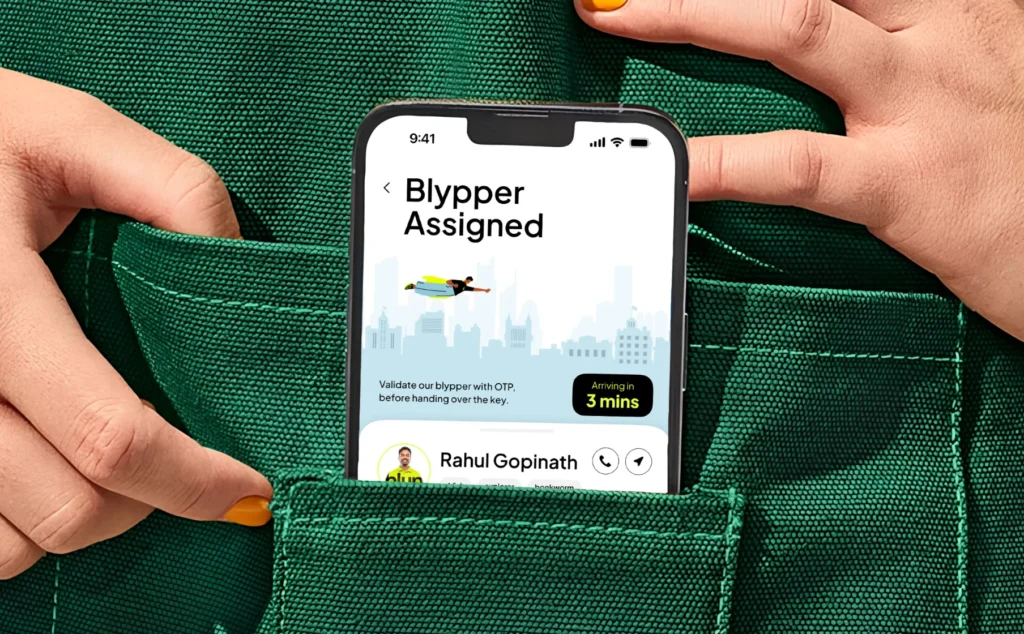
Explore the Branding behind the Blyp.
Scaling Your Brand Across Digital Platforms
New digital channels are constantly emerging, and brands need to adapt without losing their identity.
Your brand may eventually appear on websites, social platforms, mobile apps, video platforms, online communities, digital advertisements, and other emerging channels.
Each platform has its own content formats and audience expectations.
Rather than copying the exact same content everywhere, adapt the execution while preserving your core brand characteristics.
For example, your tone may become more conversational on social media while remaining professional in a corporate report. The expression changes, but the underlying personality remains consistent.
Managing External Partners
Businesses often work with advertising agencies, freelancers, designers, consultants, developers, printers, and other external partners.
These partners can have a major influence on how your brand is represented.
Provide them with:
- Brand guidelines
- Approved logos
- Design assets
- Messaging documents
- Voice and tone guidelines
- Examples of successful brand applications
- Clear approval procedures
Do not assume that an external partner automatically understands your brand.
The clearer the information you provide, the easier it becomes for them to produce work that aligns with your strategy.
When Should You Update Your Brand Guidelines?
Brand guidelines should be reviewed whenever your business undergoes significant changes.
You may need to update them when:
- Your target audience changes
- Your products or services expand
- Your company enters new markets
- Your positioning changes
- New digital channels become important
- Your visual identity is updated
- Customer expectations change
However, avoid changing brand elements simply because something feels outdated.
Every significant change should have a strategic reason behind it.
Brand Implementation as an Ongoing Process
The most successful organizations treat brand implementation as an ongoing process rather than a one-time project.
Your initial implementation establishes the foundation. Ongoing management keeps that foundation strong.
A simple long-term cycle looks like this:
Plan → Implement → Monitor → Measure → Improve → Repeat
This approach allows your brand to remain consistent while adapting to changes in the market.
The Role of Leadership in Brand Implementation
Leadership plays an important role in maintaining brand consistency.
Employees are more likely to take the brand seriously when company leaders actively demonstrate its values.
For example, if a business claims that transparency is one of its core values, leadership should demonstrate transparency through internal communication and decision-making.
A brand cannot be successfully implemented through marketing materials alone.
It must be reflected in organizational behavior.
Key Takeaways About Brand Implementation
Brand implementation is ultimately about turning a strategic idea into a consistent experience.
Here are the most important points to remember:
01. Strategy comes first.
You need to know what your brand stands for before you can implement it effectively.
02. Consistency matters.
Customers should experience the same fundamental brand wherever they interact with your business.
03. Employees are part of the brand.
Your team needs to understand and represent the brand in their everyday work.
04. Every touchpoint matters.
Your website, advertisements, packaging, emails, sales process, and customer service all contribute to brand perception.
05. Guidelines create clarity.
Clear brand guidelines help teams and external partners make consistent decisions.
06. Implementation is ongoing.
Your brand needs regular monitoring, maintenance, and improvement.
07. Consistency does not mean rigidity.
A strong brand can adapt to different platforms, audiences, and markets while maintaining its core identity.

Explore the Branding behind the Chaitanya
Common Mistakes to Avoid During Brand Implementation
Even well-planned implementation projects can fail when businesses overlook basic issues.
Focusing Only on the Logo
A logo is an important brand asset, but it represents only one part of the overall brand experience.
Do not consider implementation complete simply because the logo has been updated.
Ignoring Employees
Employees are often the people delivering the brand experience directly to customers.
Without employee understanding and alignment, external branding can feel disconnected from the actual organization.
Using Outdated Assets
Old presentations, advertisements, social media templates, and documents can create inconsistent brand experiences.
Create a process for replacing outdated assets.
Changing Everything at Once
A large-scale implementation can be overwhelming.
Prioritize the most important touchpoints and create a realistic rollout plan.
Forgetting the Customer Experience
Marketing may promise one experience while the actual product or service delivers another.
Always compare your brand promise with the experience customers actually receive.
Brand Implementation Checklist
Before considering your implementation complete, ask the following questions:
- Is our brand strategy clearly documented?
- Do employees understand the brand?
- Are our visual guidelines easy to follow?
- Is our brand voice clearly defined?
- Are our website and social media channels aligned?
- Are our marketing materials consistent?
- Does our customer service reflect our brand?
- Are outdated assets being removed?
- Is there a central location for approved brand assets?
- Does someone have responsibility for brand governance?
- Do we regularly audit our brand?
- Are we measuring whether the implementation is achieving its goals?
If the answer to these questions is yes, your organization is in a much stronger position to maintain a consistent and recognizable brand.
Final Conclusion
A successful brand is not created by strategy alone. It is created when that strategy is consistently reflected in what customers see, hear, experience, and remember.
Brand implementation is the bridge between your brand strategy and the real-world experience of your audience. From your visual identity and messaging to employee behavior and customer service, every interaction provides an opportunity to reinforce what your brand represents.
The most effective approach is to start with a clear strategy, create practical guidelines, align your team, implement the brand across important touchpoints, and continuously monitor the results.
When done correctly, brand implementation creates more than visual consistency. It creates a recognizable, coherent, and trustworthy brand experience that can support your business as it grows. Your brand strategy defines where you want your brand to go. Your brand implementation is what takes it there.

Akshita Shivani Sundar
Senior Graphic Designer