


Why Website Design Matters for Fashion Brands
In the fashion industry, first impressions matter. Before customers touch a fabric, try on a garment, or experience a brand in person, they often interact with it through a website. Your website is therefore much more than an online store, it is a digital representation of your brand identity, style, quality, and values.
A well-designed fashion website can capture attention within seconds, communicate what makes your brand unique, and guide visitors toward making a purchase. On the other hand, a cluttered layout, poor-quality images, confusing navigation, or slow loading speed can quickly drive potential customers away.
Fashion shoppers are highly visual. They want to see how products look, understand how they fit, discover new collections, and feel connected to the brand before purchasing. This makes thoughtful website design particularly important for fashion businesses.
A high-converting fashion website combines aesthetic appeal with functionality. It should look stylish while remaining easy to browse, informative, mobile-friendly, and trustworthy.
From your homepage and photography to product pages and checkout, every element should serve a purpose: helping visitors move confidently from discovery to purchase.
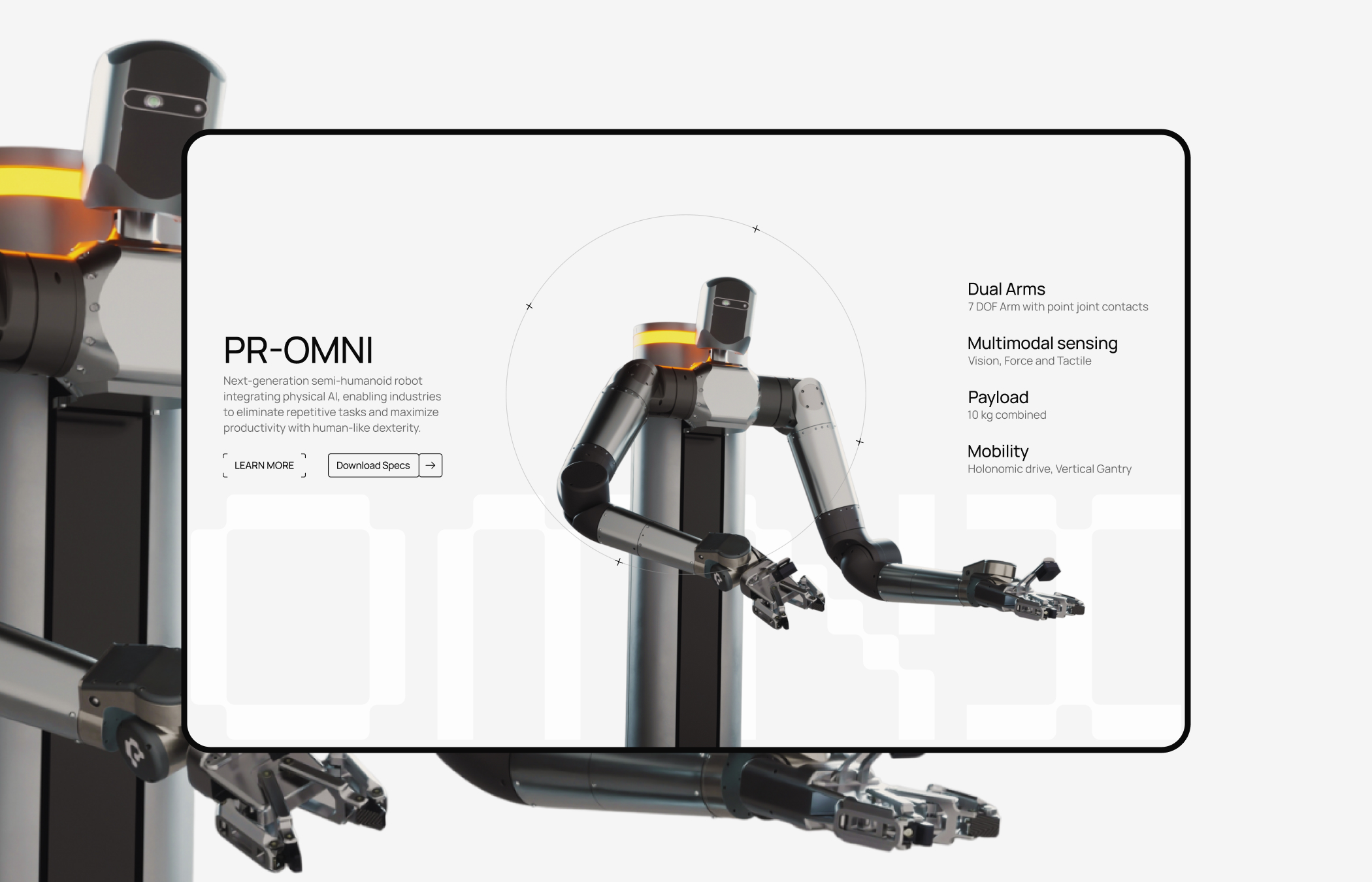
Explore the Web development process behind the perceptyne.
Strong Visual Identity
Creating a Memorable First Impression
Your fashion website should immediately communicate who you are as a brand. Whether your business focuses on luxury fashion, streetwear, sustainable clothing, ethnic wear, or contemporary designs, the visual experience should reflect your unique positioning.
A strong visual identity begins with consistency. When visitors see your website, they should recognize your brand through its colors, typography, photography, graphics, and overall design style.
For example, a luxury fashion brand may use minimalist layouts, elegant typography, muted colors, and sophisticated photography. A youth-focused streetwear brand might choose bold typography, energetic imagery, and a more dynamic layout.
The goal is not simply to make the website attractive. The goal is to make it recognizable and memorable.
Your homepage should answer three questions almost immediately:
- What does the brand sell?
- Who is it designed for?
- Why should customers choose it?
When these answers are communicated through a cohesive visual identity, visitors are more likely to understand the brand and continue exploring.
Consistent Colors, Fonts & Imagery
Consistency is one of the most important principles of fashion website design.
Choose a color palette that reflects your brand personality and use it consistently throughout the website. The same principle applies to fonts. Ideally, use a limited number of complementary typefaces for headings, body content, buttons, and other elements.
Your imagery should also follow a consistent visual direction. Mixing heavily edited product photographs with unrelated lifestyle images can make a website feel unprofessional.
Instead, establish a recognizable photography style. Consider factors such as:
- Backgrounds
- Lighting
- Model styling
- Image composition
- Color tones
- Photography angles
- Editing style
This consistency helps create a polished appearance and strengthens brand recognition.
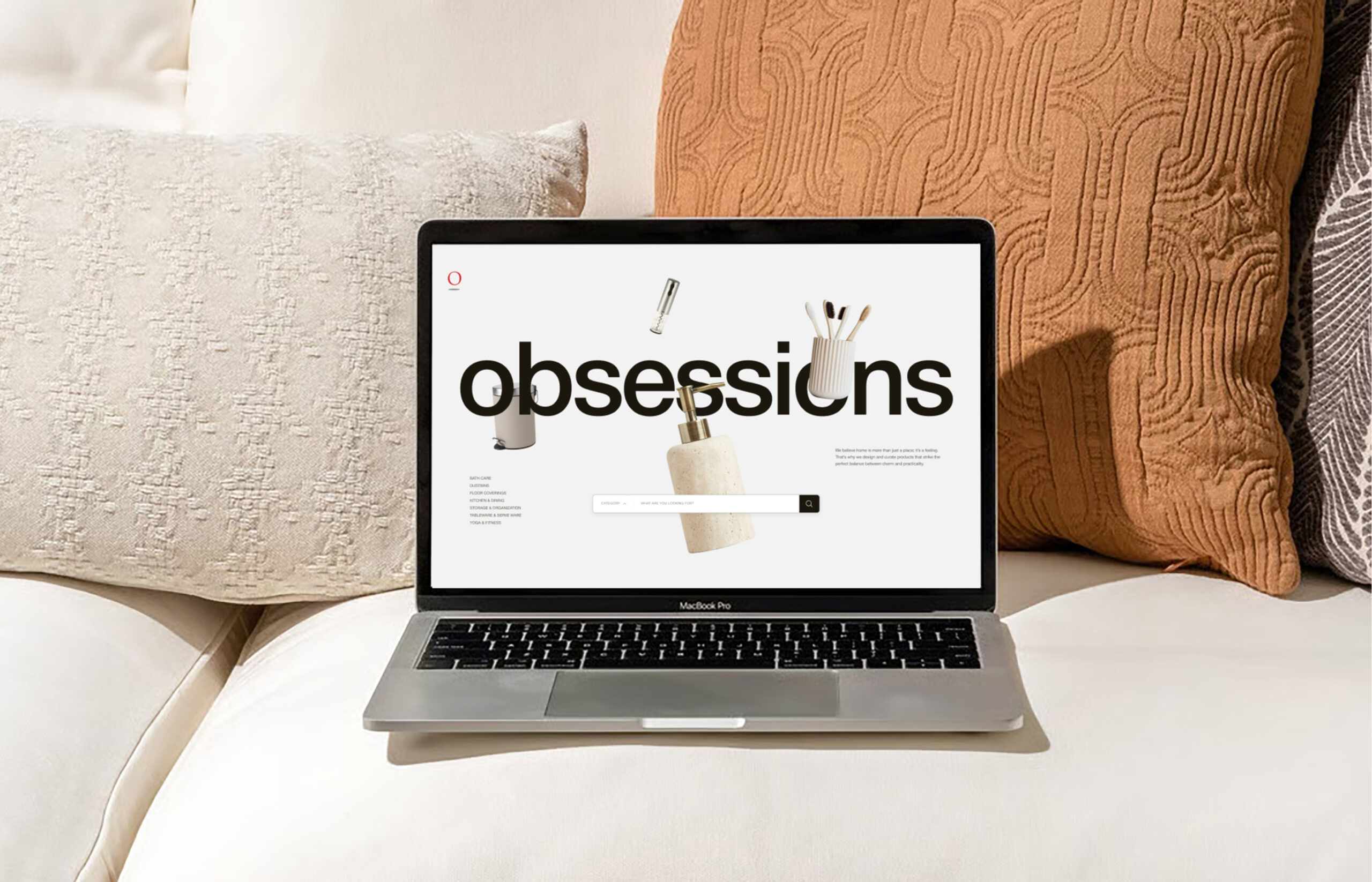
Explore the Web development process behind the Obession.
Compelling Homepage Design
Your homepage is often the first major interaction customers have with your fashion brand. It needs to create an immediate visual impact while making it easy for visitors to understand what they can do next.
Clear Hero Section
The hero section is the large visual area at the top of your homepage. It should feature a strong fashion image or campaign visual accompanied by a concise message.
Instead of filling the hero section with excessive text, focus on one clear message and one primary action.
For example:
New Season. New Statement.
Discover our latest collection.
A prominent “Shop Now” button can then guide visitors directly to the relevant collection.
Your hero section should feel visually compelling, but it should also have a purpose. Beautiful imagery without clear direction may attract attention but fail to generate engagement.
Featured Collections
After the hero section, introduce customers to your most important collections.
You might showcase:
- New arrivals
- Best sellers
- Seasonal collections
- Dresses
- Accessories
- Limited-edition pieces
Use high-quality imagery and concise labels to help visitors quickly understand what each collection offers.
Featured collections also provide an opportunity to tell your brand story. Instead of simply displaying products, you can create a visual journey that introduces customers to the latest trends, seasonal inspiration, or signature styles.
Strong Calls-to-Action
Every important section of your homepage should encourage visitors to take a logical next step.
Effective calls-to-action include:
- Shop Now
- Explore Collection
- View New Arrivals
- Discover More
- Shop Best Sellers
Keep your calls-to-action short and specific. A visitor should understand exactly what will happen when they click.
The combination of a strong visual identity, compelling homepage, and clear calls-to-action creates the foundation for a fashion website that not only looks impressive but also encourages visitors to explore and shop.
Next phase: We’ll cover high-quality fashion photography, intuitive navigation, and detailed product pages, three elements that help turn browsing visitors into confident buyers.
High-Quality Fashion Photography
Photography is one of the most powerful elements of a fashion website. Since customers cannot physically touch, feel, or try on products online, images play an important role in helping them understand what they are buying.
High-quality photography can make a product look desirable, communicate its details, and create an emotional connection with shoppers. Poor-quality images, however, can make even a well-designed garment appear less appealing.
Product Photography
Every fashion product should have clear, professional photographs that allow customers to examine it from different perspectives.
Include multiple images showing the front, back, side, and important details of the product. Close-up photographs can also highlight fabric texture, stitching, patterns, buttons, embroidery, or other design features.
Whenever possible, maintain consistency across product images. Similar backgrounds, lighting, image proportions, and styling create a more professional shopping experience.
Customers should be able to zoom in on images so they can examine the product before making a purchase.
Lifestyle & Editorial Images
While product photography explains what the product looks like, lifestyle and editorial photography shows customers how the product fits into their lifestyle.
For example, a clothing brand could photograph a dress in an elegant outdoor setting or showcase streetwear in an urban environment. These images help customers imagine themselves wearing the product.
Editorial photography can also communicate the personality of your brand. It allows you to move beyond simply selling clothing and create a visual story around your collections.
Consistent Visual Direction
Your website should have a consistent photography style. Images should feel like they belong to the same brand, even when they are used across different pages.
Think about your overall visual direction:
- What type of lighting represents your brand?
- Are your images minimalist or dramatic?
- Do you use studio backgrounds or lifestyle environments?
- What kind of models and styling reflect your target audience?
- Which colors dominate your photography?
A consistent visual direction creates a stronger brand identity and makes the website feel more premium and professional.
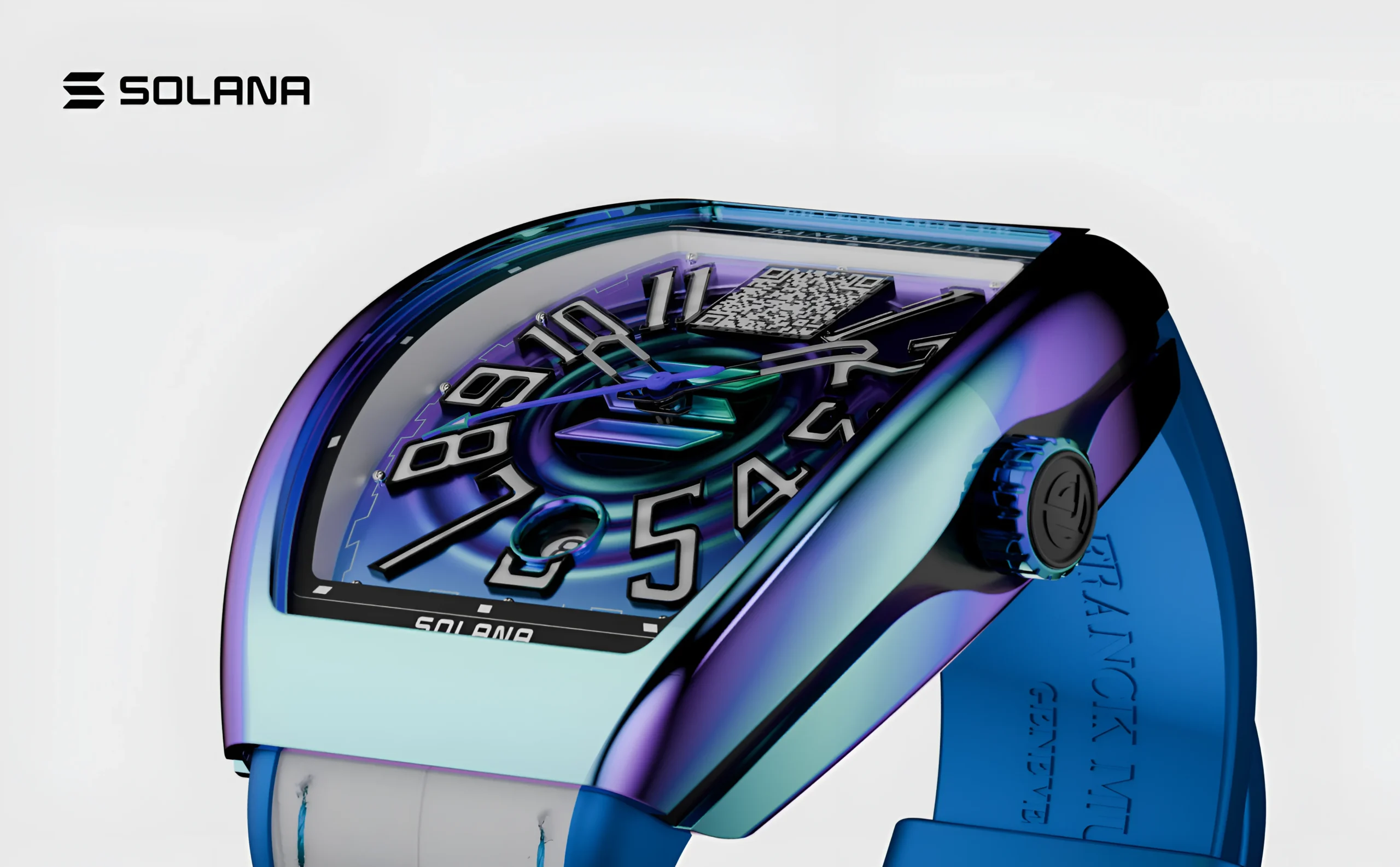
Explore the Web development process behind the franck muller.
Easy & Intuitive Navigation
A beautiful website is not enough if customers cannot easily find what they want.
Fashion websites often contain hundreds or even thousands of products. Without clear navigation, visitors can quickly become frustrated and leave without purchasing.
Your navigation should make discovering products feel effortless.
Simple Menu Structure
Keep your main navigation simple and organized. Avoid overwhelming visitors with too many categories.
A typical fashion website might organize products into sections such as:
Women | Men | New Arrivals | Collections | Accessories | Sale
Depending on the brand, these categories can be divided further into subcategories.
For example, selecting “Women” could reveal:
- Dresses
- Tops
- Bottoms
- Jackets
- Activewear
- Accessories
The objective is to help customers reach the products they want with as few unnecessary clicks as possible.
Product Categories & Filters
Filters become particularly important when customers are browsing large product collections.
Useful filters may include:
- Size
- Color
- Price
- Brand
- Style
- Material
- Availability
- Collection
Sorting options such as Newest, Best Selling, Price: Low to High, and Price: High to Low can also improve the shopping experience.
Effective filtering allows customers to narrow down hundreds of products and quickly find items that match their preferences.
Search Functionality
A powerful search feature is another essential element of a fashion website.
Visitors who already know what they want should not have to browse through multiple categories to find it. A search bar should be clearly visible and easy to use, especially on mobile devices.
Smart search functionality can also provide suggestions as customers type. For example, searching for “black dress” could display relevant products, categories, or popular searches.
A good search experience reduces friction and helps customers move closer to purchasing.

Explore the Web development process behind the Alriyami advocates
Detailed Product Pages
Once a visitor finds a product they like, the product page becomes one of the most important parts of their buying journey.
A strong product page should answer the customer’s questions before they need to contact customer support.
Product Information
Provide clear and useful information about every product.
Important details may include:
- Product name
- Price
- Available colors
- Available sizes
- Fabric or material
- Product features
- Care instructions
- Shipping information
- Return information
Avoid overly complicated descriptions. Instead, explain the product in a way that helps customers understand its design, benefits, and practical details.
For fashion products, details such as fabric feel, stretch, transparency, length, and fit can be particularly useful.
Size & Fit Guides
One of the biggest challenges in online fashion shopping is finding the correct size.
A detailed size guide can reduce uncertainty and potentially decrease returns caused by incorrect sizing.
Include measurements for each size and explain how customers should measure themselves. If possible, provide additional fit information such as:
Model height: 5’8″
Model size: Small
Fit: Relaxed
Length: Midi
Simple information like this helps customers make more informed decisions.
Multiple Product Images
Never rely on a single photograph for an important fashion product.
Customers want to see how a garment looks from different angles and how its details appear up close. Include a mixture of full-product images, close-ups, model photographs, and lifestyle images.
Video can also be valuable. A short product video can demonstrate movement, fabric behavior, fit, and overall appearance much better than a static image.
Reviews & Social Proof
Customers naturally look for reassurance before buying from a fashion brand, particularly if they are discovering the brand for the first time.
Customer reviews can provide that reassurance.
Display ratings and reviews prominently on product pages. Where appropriate, allow customers to upload photographs of themselves wearing the product.
User-generated content can be especially powerful because potential customers can see how real people style and wear the product.
A product page that combines high-quality photography, useful information, size guidance, and genuine reviews gives customers the confidence they need to move toward checkout.
Trust-Building Elements
Getting visitors to your fashion website is only the beginning. The next challenge is convincing them that your brand is reliable and that purchasing from you is safe.
Customers are more likely to buy when they feel confident about the product, payment process, shipping, returns, and customer support.
Trust should therefore be built throughout the entire website rather than added only at checkout.
Customer Reviews
Customer reviews are one of the most effective forms of social proof.
When shoppers see positive experiences from other customers, they may feel more confident about purchasing a product they have never seen or tried in person.
Display reviews directly on product pages and, where possible, include information such as:
- Star ratings
- Written reviews
- Customer photographs
- Verified-purchase indicators
- Reviews mentioning size and fit
For fashion brands, reviews discussing fit, fabric quality, comfort, and sizing can be particularly helpful.
Authenticity is important. Brands should avoid creating misleading reviews simply to make products appear more popular. Genuine customer feedback creates stronger and more sustainable trust.
Secure Payment Indicators
Customers need reassurance that their payment information is handled securely.
Clearly communicate the payment methods you accept and use appropriate security indicators where relevant. Familiar payment options can also make customers feel more comfortable completing their orders.
The checkout should look professional and consistent with the rest of the website.
Avoid sending customers to an unfamiliar or poorly designed payment experience, as this can create unnecessary doubt at the final stage of the buying journey.
Shipping & Returns Information
Uncertainty about delivery and returns can prevent customers from completing a purchase.
Make important information easy to find, including:
- Shipping charges
- Estimated delivery times
- Available delivery locations
- Return eligibility
- Exchange policies
- Refund procedures
- International shipping information, if applicable
Customers should not have to search through multiple pages to discover how returns work.
A clear and transparent policy can reduce hesitation and demonstrate that the brand values its customers.
Contact & Support Options
Customers may have questions before or after purchasing.
Provide convenient ways to contact your brand, such as:
- Email support
- Contact forms
- Live chat
- Phone support
- Frequently asked questions
For fashion businesses, customer support can be particularly useful for questions about sizing, fit, materials, delivery, and returns.
Easy access to support reassures customers that there is a real business behind the website.

Explore the Web development process behind the DCC.
Simple & Seamless Checkout
The checkout process is where interest becomes a completed purchase. Unfortunately, it is also one of the stages where customers may abandon their shopping carts.
A complicated checkout can undo all the work your website has done to attract and convince a customer.
The objective should be simple: make completing the purchase as easy as possible.
Fewer Checkout Steps
Customers should not have to complete unnecessary forms or navigate through multiple pages to place an order.
Ask only for information that is genuinely required to process the purchase.
A streamlined checkout might include:
Customer details → Shipping information → Payment → Order confirmation
The exact structure can vary, but unnecessary steps should be removed wherever possible.
Multiple Payment Options
Different customers prefer different payment methods.
Depending on your target market and location, consider offering a range of convenient payment options, such as cards, digital wallets, bank-based payments, or other locally relevant methods.
Providing familiar payment choices can reduce hesitation and make checkout more convenient.
Guest Checkout
Not every customer wants to create an account before purchasing.
Forcing visitors to register can create unnecessary friction, particularly for first-time buyers.
Offering a guest checkout allows customers to complete their purchase quickly while giving them the option to create an account later.
You can encourage account creation after the order has been completed rather than making it a requirement.
Clear Order Summary
Before customers complete payment, provide a clear summary of their order.
This should include:
- Product names
- Product images
- Selected sizes and colors
- Quantities
- Product prices
- Shipping costs
- Discounts
- Taxes, where applicable
- Final order total
Customers should be able to review and modify their order before making the payment.
Transparency at this stage can prevent mistakes and increase confidence.
Conclusion: Designing a Fashion Website That Converts
A high-converting fashion website combines creativity, usability, performance, and trust. Strong visuals and branding attract visitors, while simple navigation, quality product photography, detailed product pages, and mobile-friendly design make shopping easy.
Clear CTAs, fast loading speeds, trust signals, and a smooth checkout help turn visitors into customers.
The ideal customer journey is:
Discover → Explore → Evaluate → Trust → Purchase → Return
Ultimately, a successful fashion website balances brand storytelling with functionality, creating an attractive, trustworthy, and effortless shopping experience that builds sales and customer loyalty.

Thanseem
Junior UI/UX Designer