Approach To Robotics
Robotics sits at the intersection of hardware, software, and human interaction. As intelligent machines move from controlled environments into real-world applications, communication becomes as critical as engineering. Robotics organizations must explain capability, safety, and value to users, partners, and decision-makers with clarity and confidence. Thoughtful brand systems and intuitive digital experiences help bridge the gap between advanced technology and everyday understanding. Across branding, UI/UX, web development, and social media, digital platforms shape perception, usability, and trust. From product interfaces and dashboards to corporate platforms and storytelling, cohesive digital foundations support adoption, credibility, and long-term growth in a rapidly advancing robotics ecosystem.
/ Expertise
Robotics companies communicate capability, reliability, and progress through clear brands, intuitive digital experiences, and platforms built for adoption and scale.
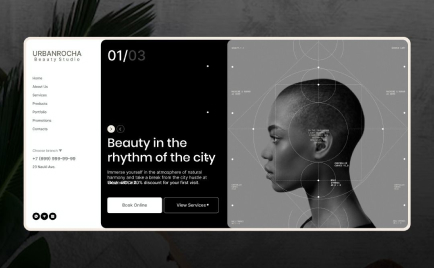
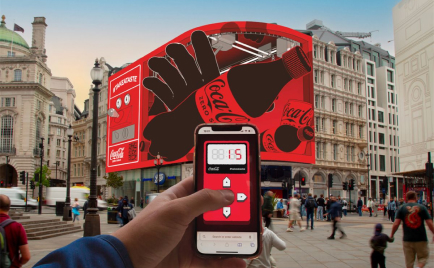

We help robotics organizations communicate advanced capability, design intuitive systems, and support adoption across products, platforms, and users.
FAQ’s
Insights worth knowing before we begin working together
We focus on reducing cognitive load while preserving technical accuracy. Through research, system mapping, and close collaboration with engineering teams, we design interfaces that present complex robotic behavior in clear, actionable ways. Information hierarchy, visual clarity, and predictable interaction patterns help users understand system status, make decisions quickly, and operate robotic systems confidently in real-world environments.
Safety is built into the experience through clear visual hierarchies, feedback loops, alerts, and fail-safe interactions. We design interfaces that reduce ambiguity, prevent errors, and support informed decision-making. By aligning UX patterns with operational workflows and safety requirements, we help ensure robotic systems are both easy to use and reliable in critical environments.
We support both early-stage startups and established robotics organizations. For startups, we help define positioning, credibility, and scalable foundations. For mature companies, we evolve brands and platforms to support growth, new products, and broader adoption. Our work scales with the organization’s complexity, market presence, and long-term vision.
We embed design thinking by emphasizing empathy, problem definition, ideation, prototyping, and testing. Teams explore user needs and technical constraints simultaneously, generating solutions that are feasible, desirable, and viable. Iterative cycles validate assumptions and refine designs. Collaboration with engineering ensures practicality while maintaining user-centered principles. By aligning design thinking with development processes, we create products that are innovative, usable, and aligned with both technical requirements and business objectives, reducing risk and improving adoption.
We establish clear communication channels, shared documentation, and cross-functional workshops. Collaboration ensures alignment on goals, constraints, and priorities. Agile processes, iterative reviews, and prototyping allow teams to validate ideas quickly. Stakeholder input is incorporated while maintaining design integrity and usability. This coordinated approach reduces misalignment, accelerates decision-making, and produces solutions that are technically feasible, user-friendly, and strategically aligned, fostering accountability and successful project outcomes across the organization.
Clear, intuitive digital experiences build trust, reduce training time, and lower barriers to adoption. When users understand how a robotic system works and feel confident using it, organizations see faster deployment, better performance, and stronger long-term engagement. Digital clarity directly supports successful adoption and growth.
ROI is measured through adoption rates, efficiency gains, user satisfaction, error reduction, and business impact metrics. Before project launch, we define clear KPIs tied to organizational goals. Post-launch, analytics, surveys, and usage data are monitored to assess outcomes. Insights inform iterative improvements to maximize value. By connecting user experience improvements to measurable performance indicators, we demonstrate tangible returns on investment, ensuring that design decisions positively influence both operational and strategic objectives.
We prioritize clarity, responsiveness, and feedback in interface design. Critical data is surfaced immediately, with visual hierarchy guiding attention to important alerts. Interactive controls allow operators to intervene or adjust operations quickly. Real-world testing ensures interfaces support timely decisions under pressure. By combining predictive analytics, visualization, and intuitive interactions, we create control systems that help users monitor, assess, and respond effectively to robotic operations in fast-paced, dynamic environments.
/WHAT’S NEW
Design, tech & people are things we notice, question and occasionally obsess over. Here’s where we unpack them.
//Reach us
India – Dubai – Singapore – USA – Australia


India – Dubai – Singapore – USA – Australia