Approach To Edutech
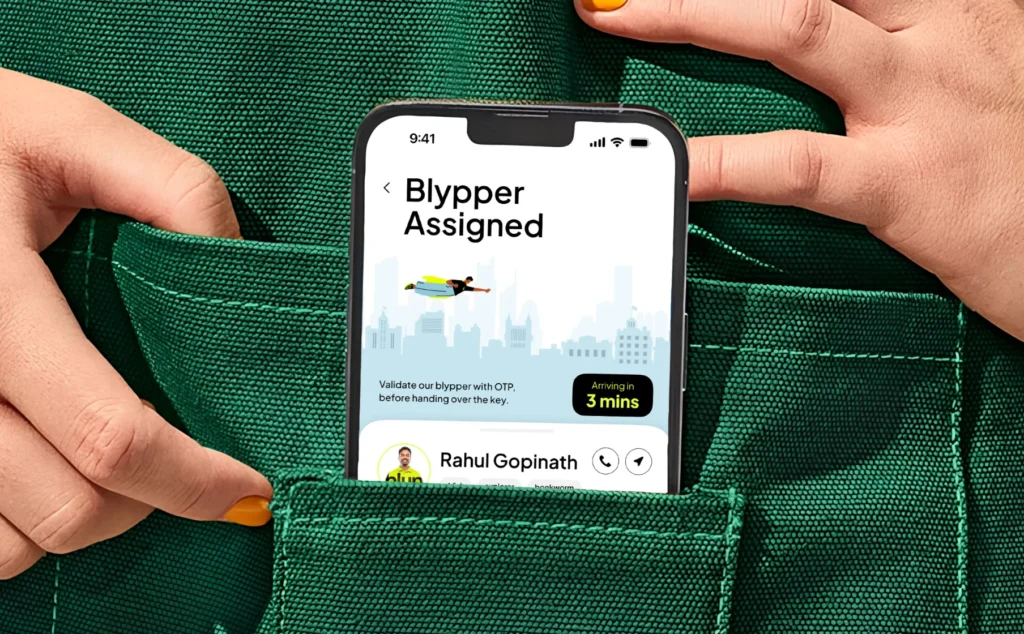
Edutech sits at the intersection of technology, pedagogy, and access. As learning moves across devices, formats, and global audiences, platforms must support clarity, engagement, and trust at every touchpoint. Beyond content delivery, edutech products are responsible for motivation, retention, and meaningful outcomes. Thoughtfully structured brands and well-designed digital experiences help learning platforms communicate value, guide users, and support diverse learner journeys. Across branding, UI/UX, web development, and social media, digital ecosystems shape how learners discover, engage with, and progress through educational content. Strong foundations enable scalability, inclusivity, and long-term impact in an evolving education landscape.
/ Expertise
Edutech platforms grow when learning feels intuitive, accessible, and human—supported by strong brands, clear experiences, and scalable digital systems.

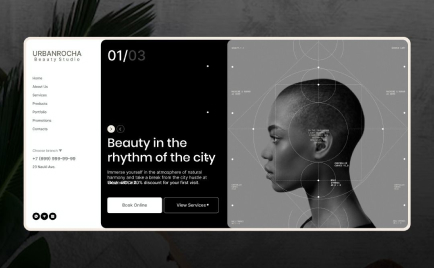


We help edutech organizations design intuitive learning ecosystems that support engagement, accessibility, and long-term educational impact.
FAQ’s
Insights worth knowing before we begin working together
We create learning experiences that combine UI/UX, branding, web development, and social media. UX ensures intuitive navigation, engaging interactions, and personalized learning paths. Branding communicates credibility, values, and purpose. Web development ensures responsive, secure, and accessible platforms. Social media amplifies learning content and encourages interaction. Together, these elements create ecosystems where learners can discover, understand, and progress efficiently, enhancing motivation, engagement, and retention while supporting scalable and inclusive educational experiences across devices and platforms.
Accessibility and inclusivity are integrated at every stage. UI/UX design follows WCAG standards, with clear navigation, readable typography, and adaptable interfaces. Branding ensures messaging is understandable and culturally sensitive. Web development implements keyboard navigation, screen-reader support, and responsive layouts. Social media content follows accessibility best practices, including captions and descriptive visuals. By designing for diverse users, we create digital ecosystems that are inclusive, approachable, and usable by all, improving engagement, reach, and trust.
We design responsive interfaces and flexible layouts for all devices. UX/UI ensures intuitive interactions and usability across screens. Branding maintains identity consistently, while web development focuses on fast performance, accessibility, and cross-device reliability. Social media content is adapted for device-specific engagement. By harmonizing visual design, interaction patterns, and technical performance, we deliver seamless experiences that allow users to engage with digital platforms effortlessly, regardless of device, enhancing satisfaction, reach, and loyalty.
We design systems with localisation in mind, adapting UX/UI, content, and branding for language and cultural context. Web development ensures scalable architectures and consistent functionality globally. Social media content is tailored to regional audiences while maintaining brand voice. Governance frameworks and design systems preserve identity and interaction standards across markets. This approach delivers cohesive, accessible, and culturally relevant experiences, allowing brands to expand internationally while maintaining credibility, usability, and consistent perception.
Accessibility is integrated into all aspects—UX/UI, branding, web development, and social media. Platforms follow WCAG standards with readable content, keyboard navigation, and assistive technology support. Branding ensures inclusive messaging, and web development delivers responsive, device-agnostic performance. Social media content is designed for comprehension and inclusivity. This approach ensures equitable learning opportunities for all users, improves engagement, and positions edutech brands as responsible, thoughtful, and learner-centric.
We monitor technology, pedagogy, UX/UI patterns, social media behavior, and branding trends to inform design and strategy. Insights guide platform features, content formats, accessibility enhancements, and engagement tactics. Web development adapts for new devices and technologies. Social media strategies align with emerging channels. This ensures edutech brands remain innovative, relevant, and effective, delivering learning experiences that resonate with modern learners and support measurable outcomes.
Data privacy is embedded in web development, UX, branding, and social media strategy. Platforms follow GDPR and local regulations. UX/UI ensures secure authentication and user-friendly consent. Branding communicates reliability and transparency. Social media strategies maintain responsible data practices. Together, these measures protect learner information, build trust, and uphold credibility while ensuring smooth, safe interactions across all digital touchpoints.
Complexity is managed using systems thinking in UX/UI, branding, web development, and social media. We create unified frameworks with consistent navigation, interaction patterns, and visual design. Reusable components and content guidelines reduce fragmentation. Web platforms integrate data and tools seamlessly, and social media aligns messaging across channels. This ensures learners, educators, and administrators experience coherent, intuitive, and efficient platforms, simplifying operations and enhancing engagement.
/WHAT’S NEW
Design, tech & people are things we notice, question and occasionally obsess over. Here’s where we unpack them.
//Reach us
India – Dubai – Singapore – USA – Australia


India – Dubai – Singapore – USA – Australia