

In a competitive marketplace, customers are surrounded by countless products that compete for their attention. Before a customer reads a product description, checks its features, or tries it for the first time, they often notice one thing first: the packaging. A well-designed package can immediately communicate what a brand stands for, what the product offers, and why it deserves attention.
This is why professional packaging design has become an important part of modern branding. Packaging is no longer simply a protective covering for a product. It is a powerful communication tool that can influence how customers perceive a brand and can contribute to a consistent and memorable brand experience.
The Role of Packaging in Modern Branding
Branding is about much more than a logo or company name. It includes every visual and emotional element that shapes how customers recognize and remember a business. Packaging plays a significant role in this process because it brings many of these brand elements together in a physical form.
Packaging also gives businesses an opportunity to communicate their personality. A premium brand may use refined typography, sophisticated layouts, and high-quality materials, while a playful consumer brand may use vibrant colors, expressive illustrations, and bold typography.
What Is Professional Packaging Design?
Professional packaging design is the process of creating the visual and structural presentation of a product based on its brand identity, target audience, product requirements, and market positioning.
It involves considerably more than creating an attractive graphic. A professional packaging designer considers how the package will look, function, communicate information, and work within its intended production process.
The process can include:
- Understanding the brand and target audience
- Researching competitors and market trends
- Developing packaging concepts
- Selecting appropriate colors and typography
- Creating illustrations, graphics, or product imagery
- Organizing product information clearly
- Designing labels, boxes, pouches, bottles, or other packaging formats
- Preparing artwork according to printing specifications
- Considering materials, finishes, and production requirements
This combination of creativity and technical understanding helps transform an initial packaging idea into a practical design that can be produced and used effectively.
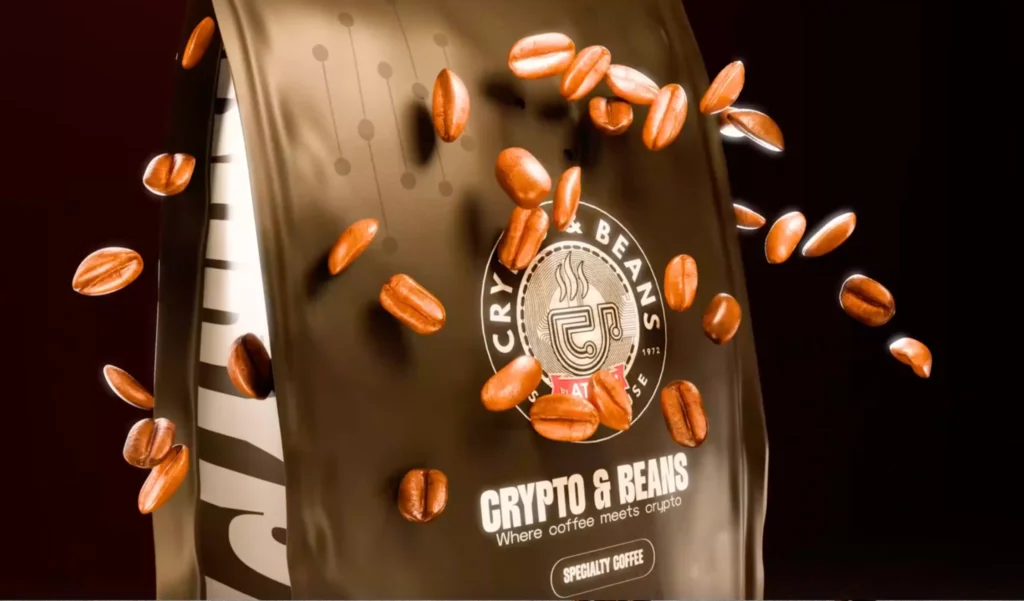
Explore the Packaging Design behind the Crypto & Bean
Why Packaging Design Matters for Brand Success
Professional packaging design can support a brand in several important ways.
Creates a Strong First Impression
Customers often make quick judgments when browsing products. Packaging may be one of the first interactions a potential customer has with a product, particularly in retail environments.
A cluttered, inconsistent, or poorly executed package can make a product appear less trustworthy or less relevant to its intended audience. In contrast, a clear and professionally designed package can create a more organized and credible impression.
Builds Brand Recognition
Consistent packaging can help customers recognize a brand across different products and locations.
When a business uses a recognizable combination of colors, typography, imagery, and design elements, customers may begin associating those visual characteristics with the brand. This is particularly valuable for companies with multiple products or product variations.
Communicates Product Value
Packaging can also influence how customers perceive a product’s positioning.
Design choices such as typography, color palettes, imagery, materials, finishes, and layout can communicate whether a product is positioned as premium, affordable, natural, youthful, professional, traditional, or innovative.
Influences Purchasing Decisions
Packaging can play a role in the decision-making process, especially when customers are comparing multiple products.
Clear product information helps customers understand what they are buying, while strong visual hierarchy helps them find important details quickly. At the same time, distinctive branding can help a product attract attention among competing options.
How Packaging Design Shapes Consumer Perception
Packaging does more than present a product; it can influence how customers interpret the product and the brand behind it. When people encounter a package, they quickly process visual information such as color, typography, imagery, shape, and layout. These elements can create an immediate impression before the customer has had an opportunity to learn more about the product.
Professional packaging design brings these elements together with a clear purpose. Instead of using visual elements simply because they look appealing, designers consider how each element contributes to the overall message.
The Connection Between Packaging and Brand Identity
A strong brand identity provides a foundation for effective packaging design. When packaging reflects the same visual language used across a company’s website, advertising, social media, and other marketing materials, the overall brand becomes easier to recognize.
Brand identity can include elements such as:
- Logo
- Brand colors
- Typography
- Photography style
- Illustration style
- Graphic patterns
- Icons and visual symbols
- Tone and messaging
Professional packaging design uses these elements strategically rather than treating them as separate components.
For businesses with several products, this becomes particularly important. A packaging design system can create consistency across an entire product range while allowing individual products to have their own variations.
Key Elements of Effective Packaging Design
Creating successful packaging requires careful attention to several design elements. Each component should contribute to a package that is attractive, understandable, functional, and aligned with the brand.
Colors and Visuals
Color is one of the most noticeable elements of packaging. It can attract attention and contribute to brand recognition while helping communicate the personality or positioning of a product.
However, choosing colors should involve more than simply selecting a favorite palette. Designers need to consider the target audience, product category, competitors, printing limitations, and existing brand guidelines.
Typography
Typography affects both the personality and readability of packaging.
A professional design should make important information easy to find. Product names, descriptions, features, ingredients, instructions, and other required information need to be organized according to a clear visual hierarchy.
Logo and Brand Elements
The logo is often an important recognition element on product packaging. Its placement, size, and relationship with other information should be carefully considered.
A logo that is too small may become difficult to identify, while one that dominates the package may distract from the product itself. Professional packaging design establishes an appropriate hierarchy between the brand name, product name, supporting information, and visual elements.
Packaging Structure and Materials
Packaging design is not limited to the artwork printed on a package. The physical structure and material can also affect the overall customer experience.
Depending on the product, packaging may involve cartons, bottles, jars, pouches, tubes, wrappers, labels, or other formats. Designers need to understand the dimensions and structural limitations of the selected packaging format.
Product Information
Good packaging should communicate essential information without overwhelming the customer.
Information needs to be organized logically so that shoppers can quickly understand what the product is and why it may be relevant to them. Depending on the product category and market, packaging may need to include information such as product descriptions, ingredients, usage instructions, quantity, warnings, manufacturer details, or other required details.
Designing for Both Beauty and Function
An attractive package is valuable, but appearance alone does not make packaging successful. A design also needs to work in real-world situations.
Customers should be able to open, handle, store, and use the packaging conveniently. Retailers may also have specific requirements relating to dimensions, shelf placement, labeling, and transportation.
Professional Packaging Design vs. DIY Packaging
- DIY packaging can be cost-effective, especially with online design tools and ready-made templates.
- However, packaging design involves technical and strategic considerations that may be difficult without professional experience.
- DIY designs often focus mainly on visual appearance.
- Professional packaging design considers the complete product experience, including:
- Brand consistency
- Customer expectations
- Information hierarchy
- Packaging dimensions
- Print requirements
- Materials
- Production limitations
- A professional designer can create a flexible packaging system that grows with the brand.
- The same design system can be adapted for:
- Different products
- Different sizes
- Different flavors
- Different product variations
- Consistent packaging helps customers recognize the brand and distinguish between products.
- Professional design can help reduce production and printing problems.
- Designers consider important technical requirements such as:
- Bleed areas
- Color modes
- Dielines
- Folds
- Cutting areas
- Image resolution
- Printing specifications
- Addressing these requirements early can help prevent avoidable production errors and additional costs.
How Good Packaging Helps Products Stand Out on Retail Shelves
- Retail spaces are highly competitive, with many products competing for customers’ attention.
- A shelf often contains numerous brands and products within a limited visual space.
- Packaging needs to communicate quickly and clearly.
- Important elements that help customers identify a product include:
- Clear product name
- Recognizable branding
- Strong visual hierarchy
- Distinctive design
- The goal is not necessarily to create the loudest packaging.
- Instead, packaging should:
- Stand out from competitors
- Remain relevant to the product category
- Appeal to the target audience
- Packaging consistency can strengthen brand recognition.
- When products from the same brand share common design elements, they can create a recognizable visual block on the shelf.
- Professional packaging designers consider how the package looks:
- On its own
- Alongside other products
- Within the actual retail environment
- This broader approach can help businesses create packaging that is visually effective, recognizable, and suitable for real-world retail settings.

Explore the Packaging Design behind the Hungry rhino
The Importance of Packaging Design for E-commerce Brands
Packaging has an important role in e-commerce as well, although the customer experience is different from traditional retail.
- Online shoppers may first see packaging through websites, marketplaces, social media, or search results.
- Packaging should look good in product photographs.
- Packaging should communicate the product clearly through digital images.
- Physical packaging becomes part of the customer’s unboxing experience.
- Good packaging reinforces brand identity.
- Attractive packaging may encourage customers to share photos or unboxing videos.
- Packaging should protect the product during transportation.
- Packaging should have an appropriate size.
- Materials should be used efficiently.
- Attractive packaging must also be practical and protective.
How Sustainable Packaging Design Supports Modern Brands
- Sustainability is an important consideration in packaging.
- Businesses are examining how packaging is sourced, produced, used, and disposed of.
- Sustainable packaging can involve:
- Reducing unnecessary materials
- Using recyclable or renewable materials
- Minimizing excessive layers
- Considering disposal and reuse
- Green colors and natural images do not automatically make packaging sustainable.
- Actual materials and production methods are important.
- Packaging structure and end-of-life considerations should also be considered.
- Professional designers can balance sustainability with:
- Product protection
- Functionality
- Production requirements
- Brand presentation
- Environmental claims should be clear and accurate.
- Brands should avoid misleading customers about the environmental benefits of their packaging.
Packaging as Part of the Complete Customer Experience
- Packaging influences different stages of the customer journey.
- It helps customers notice and identify the product.
- Packaging communicates the brand identity and product information.
- After purchase, packaging becomes part of the product-use experience.
- Unlike advertisements, packaging can stay with customers for weeks or months.
- Packaging should be treated as part of the overall brand experience.
- Good packaging combines:
- Visual design
- Clear messaging
- Functionality
- Customer expectations
- Effective packaging creates a strong connection between the brand and customers.
Common Packaging Design Mistakes to Avoid
Even a well-established brand can face challenges when its packaging is not designed strategically. Avoiding common mistakes can help businesses create packaging that communicates clearly and supports a consistent brand experience.
Overloading the Design With Information
Including too much information can make packaging difficult to understand. Customers should be able to identify the brand and product quickly without having to search through a crowded layout.
A strong visual hierarchy helps separate important information from supporting details. Product name, brand identity, key benefits, and other essential information should have appropriate visual priority.
Ignoring the Target Audience
Packaging should be designed with the intended customer in mind. A design that appeals to one demographic may not communicate effectively with another.
Understanding customer expectations, preferences, purchasing habits, and the product category can help designers develop a more relevant visual direction.
Using Inconsistent Branding
When packaging looks disconnected from a brand’s website, advertising, social media, or other materials, customers may struggle to recognize the relationship between them.
Consistent colors, typography, imagery, logos, and design principles can help create a unified brand identity across different customer touchpoints.
Focusing Only on Appearance
Visual appeal is important, but packaging also needs to be functional and practical. A package that looks impressive but is difficult to open, store, transport, or use may negatively affect the customer experience.
Professional packaging design considers both aesthetics and functionality from the beginning.
Not Considering Production Requirements
A design may look excellent on screen but create problems during printing or manufacturing if technical requirements are overlooked.
Packaging artwork should be prepared according to the printer’s specifications and the selected packaging format. Factors such as dimensions, dielines, bleed, resolution, color settings, finishes, and material characteristics need to be considered before production.
How to Choose the Right Packaging Design Service
- Choose the right packaging design service
- Select a designer or agency that understands both creative design and packaging production.
- Make sure they can meet your product and business requirements.
- Review the portfolio
- Check the designer’s previous packaging projects.
- Look for experience with similar products and packaging formats.
- Review their creativity, design quality, and attention to detail.
- See whether they can work with different brand styles.
- Understand the design process
- A professional designer may follow several steps:
- Brand research
- Competitor analysis
- Target audience research
- Concept development
- Design refinement
- Final artwork preparation
- A professional designer may follow several steps:
- Consider communication
- Clear communication helps avoid misunderstandings.
- Packaging projects may involve business owners, marketers, printers, manufacturers, and suppliers.
- Make sure there is a clear process for:
- Giving feedback
- Making changes
- Approving the final design
- Check what the service includes
- Different designers may offer different services.
- These may include:
- Packaging design
- Label design
- Concept development
- Structural packaging considerations
- Print-ready artwork
- Product mockups
- Design revisions
- Production support
- Clarify costs and deliverables
- Understand exactly what you will receive.
- Confirm the number of revisions included.
- Check whether printing and production support are included.
- Set realistic expectations
- Discuss the timeline, responsibilities, and final deliverables before starting.
- Clear expectations can make the project more efficient and reduce problems later.

Explore the Packaging Design behind the Rajveda.
How Professional Packaging Design Can Support Long-Term Brand Growth
- Packaging should support long-term brand growth, not just a product launch.
- A consistent packaging system makes it easier to introduce new products and variations.
- Brands can keep the same structure while changing colors, names, or illustrations.
- This provides flexibility while maintaining brand recognition.
- Packaging can support rebranding, modernization, or entering new markets.
- Changes should preserve important elements that existing customers recognize.
- Effective packaging connects the product, brand, and customer experience.
- Packaging represents the brand throughout the customer’s interaction with the product.
Conclusion
Professional packaging design helps build a recognizable and consistent brand by combining visual appeal, functionality, brand identity, and customer needs.
From creating a strong first impression to improving brand recognition, shelf presence, and the e-commerce experience, effective packaging supports the customer journey.
For businesses launching or refreshing a product, professional packaging design provides a strategic way to create packaging that is attractive, practical, and aligned with the brand. Ultimately, packaging becomes more than a container, it becomes a valuable brand touchpoint.