

What Is Packaging Design?
Packaging design is the process of creating the visual appearance, structure, and functionality of a product’s packaging to protect the product while making it attractive and easy to use. It combines elements such as colors, typography, graphics, materials, shape, and branding to create a package that not only safeguards the product but also communicates important information and reflects the brand’s identity. More than just a container, packaging is a powerful marketing tool that captures attention, influences purchasing decisions, builds customer trust, and enhances the overall user experience, making it an essential part of a product’s success in today’s competitive market.
Why Packaging Design Is So Important
Walk through any supermarket, scroll through an online store, or open a delivery box at your doorstep. Before you taste the coffee, try the skincare product, or use the gadget, one thing speaks to you first: the packaging.
In a world where consumers are bombarded with thousands of products every day, packaging is no longer just a protective layer. It is a brand’s first handshake, a silent salesperson, and often the deciding factor between “add to cart” and “keep scrolling.” So, why is packaging design so important? The answer goes far beyond making a product look attractive.
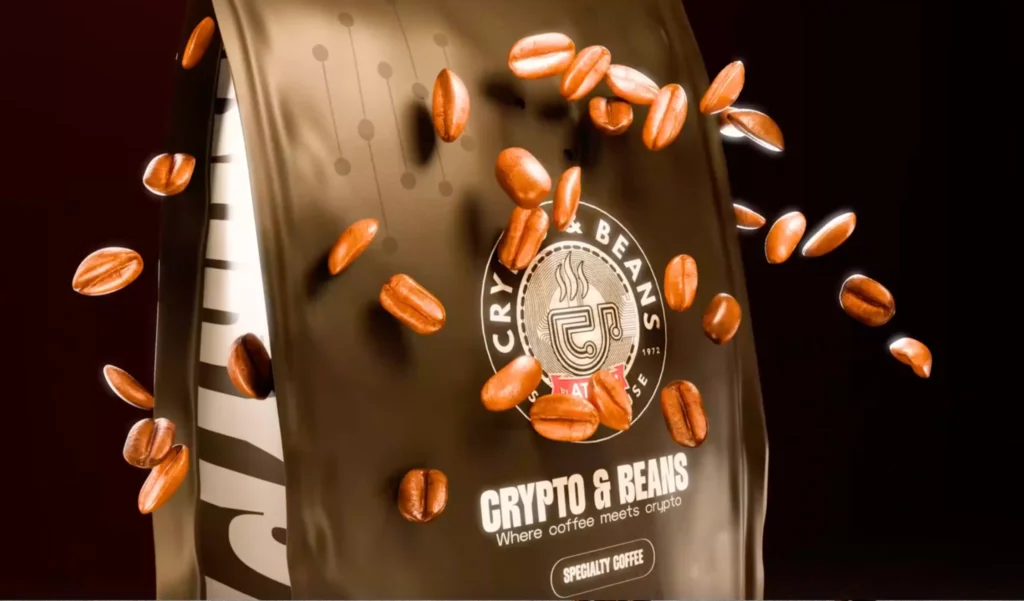
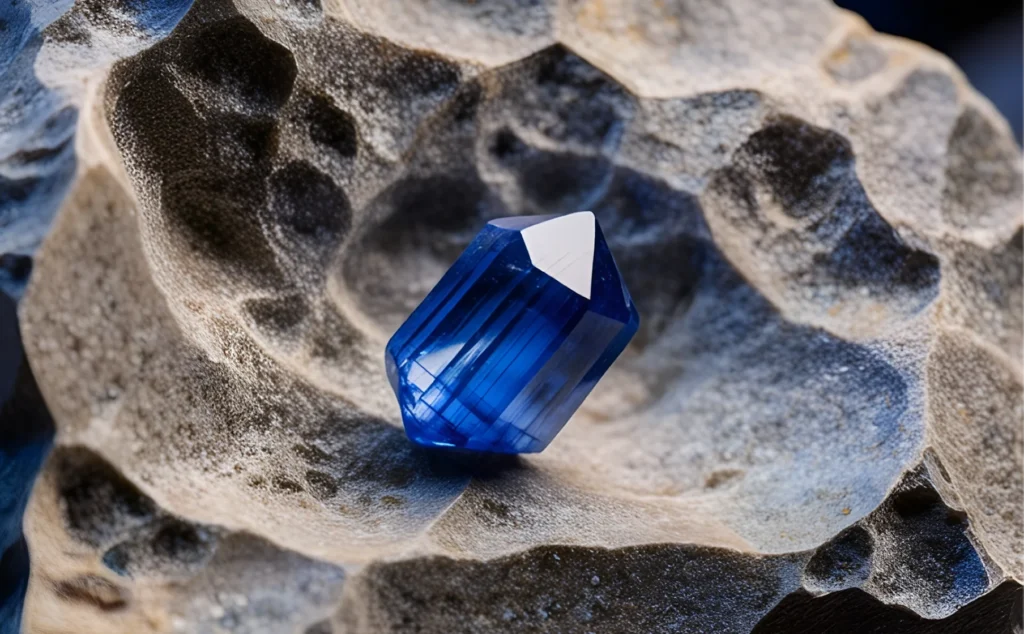
Explore the packaging design of Crypto & Bean.
The 7-Second Rule: First Impressions Happen Fast
Research consistently shows that consumers form opinions within seconds. Imagine standing in a store aisle with ten similar products in front of you. You probably don’t read every label first, you notice the colors, shape, typography, and overall presentation.
That instant reaction determines whether a product earns your attention.
A beautifully designed package can:
- Make a product stand out on a crowded shelf
- Create curiosity
- Signal quality before the product is even used
- Encourage a customer to pick it up
On the other hand, poor packaging can make an excellent product appear cheap, outdated, or untrustworthy.
The reality: customers often judge the product by the package before they judge the product itself.
Packaging Is Your Brand in Physical Form
Think of iconic brands like Apple, Coca-Cola, or Tiffany & Co. You can probably recognize their packaging even without seeing the logo clearly.
That is the power of brand identity.
Great packaging uses:
- Consistent colors
- Distinct typography
- Strategic logo placement
- Unique shapes and materials
These elements work together to create recognition and trust. When customers repeatedly see the same visual language, the brand becomes familiar, and familiarity often leads to purchase confidence.
A customer may forget an advertisement, but they are far less likely to forget a package that felt premium, clever, or emotionally appealing.
The Psychology Behind Packaging
Packaging does something remarkable: it influences how people feel about a product.
A matte black box suggests luxury.
Bright colors create excitement.
Minimalist design communicates sophistication.
Eco-friendly materials signal responsibility.
This is consumer psychology in action.
For example, two products with identical ingredients can be perceived very differently simply because of their packaging. One may seem premium and worth a higher price, while the other appears budget-friendly.
In many cases, customers are not just buying a product, they are buying the experience and identity that the packaging represents.

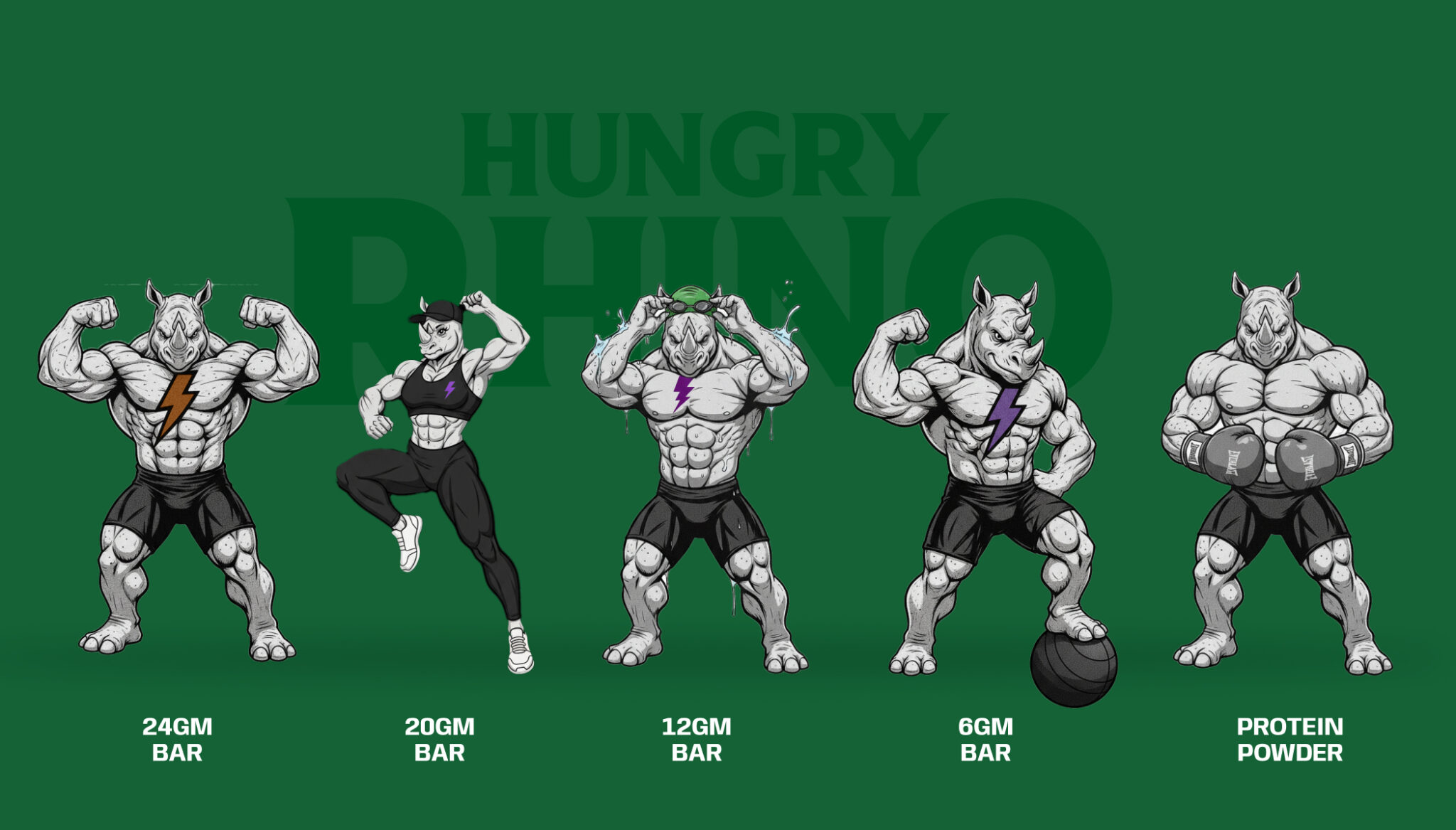
Explore the packaging design of Manimark.
It Does More Than Look Good: It Protects the Product
A stunning design means nothing if the product arrives damaged.
Effective packaging must balance aesthetics with functionality.
Good packaging:
- Protects products during shipping
- Prevents contamination
- Reduces breakage and leakage
- Extends shelf life
- Makes storage easier
This is especially critical for food, cosmetics, electronics, and pharmaceutical products.
A cracked bottle or damaged item doesn’t just create a return, it creates a negative brand memory.
Packaging Is a Communication Tool
Customers expect packaging to answer important questions quickly.
A well-designed package clearly communicates:
- Ingredients
- Usage instructions
- Safety warnings
- Nutritional information
- Certifications (organic, cruelty-free, recyclable, etc.)
- Legal and regulatory details
The best packaging presents this information in a way that is easy to scan, easy to understand, and visually organized.
Confusing labels frustrate customers. Clear communication builds trust.
The Unboxing Experience Has Become a Marketing Channel
Social media has transformed packaging into shareable content.
People post unboxing videos, product reveals, and aesthetically pleasing packages on platforms like Instagram, TikTok, and YouTube. A memorable unboxing experience can generate free word-of-mouth marketing.
Think about the difference between:
- A plain brown box with excessive tape
- A thoughtfully designed package with custom inserts, tissue paper, a thank-you note, and an easy-open structure
The second experience feels intentional. It makes customers feel valued.
And when customers feel valued, they are more likely to buy again.
Packaging Can Increase Sales Without Changing the Product
Marketers often call packaging the “silent salesperson.”
Why? Because it continues selling even when no salesperson is present.
Effective packaging can:
- Highlight product benefits
- Promote limited editions
- Introduce new features
- Encourage impulse purchases
- Drive online engagement through QR codes and interactive elements
In retail environments, packaging competes for attention every second. A strong design can significantly improve shelf visibility and conversion rates.
Sustainability Is No Longer Optional
Modern consumers increasingly care about environmental impact. Excessive plastic, unnecessary layers, and non-recyclable materials can damage a brand’s reputation.
Sustainable packaging offers multiple benefits:
- Reduced environmental footprint
- Lower material waste
- Improved brand perception
- Alignment with consumer values
Companies are now adopting:
- Recyclable materials
- Compostable packaging
- Refillable systems
- Minimalist designs that use fewer resources
Importantly, sustainability should not feel like a compromise. The most successful brands combine eco-conscious materials with premium design.
The Cost Myth: Good Packaging Is an Investment
Some businesses view packaging as an expense to minimize. However, poor packaging often costs more in the long run through:
- Product damage
- Returns and replacements
- Lost sales
- Weak brand perception
- Reduced customer loyalty
High-quality packaging can deliver measurable ROI by increasing perceived value, improving customer satisfaction, and encouraging repeat purchases.
A product that looks premium can often command a higher price point, even when production costs remain similar.
Current Packaging Trends Shaping the Future
The packaging industry is evolving rapidly, driven by changing consumer expectations, technological advancements, and the growing need for stronger brand engagement. Modern packaging is no longer limited to protecting products, it has become a powerful marketing tool and a key part of the customer experience. Some of the most influential trends shaping the future of packaging include:
Minimalist Design
Simple layouts, clean typography, ample white space, and limited visual elements create a modern, premium appearance while making product information easier to understand.
Smart Packaging
Technologies such as QR codes, NFC tags, and augmented reality (AR) enable consumers to access product information, authentication features, usage instructions, and interactive digital experiences directly from the package.
Personalized Packaging
Brands are increasingly using customized names, messages, limited-edition artwork, and region-specific designs to create stronger emotional connections and improve customer engagement.
Interactive Packaging
Packaging is becoming a gateway to digital experiences, allowing consumers to access tutorials, promotional campaigns, loyalty programs, games, and exclusive content through their smartphones.
AI-Assisted Design
Artificial intelligence is helping designers optimize packaging layouts, color palettes, typography, and graphics by analyzing consumer preferences, market trends, and performance data. AI also supports faster prototyping and more effective design decisions.
Together, these trends reflect a significant transformation in the packaging industry. Packaging is evolving from a purely functional container into an integrated physical and digital touchpoint that enhances brand identity, improves customer experiences, and strengthens consumer engagement.
Popular Packaging Design Services
Businesses across industries require customized packaging solutions that combine creativity, functionality, and strong branding. Professional packaging design services help brands create packaging that protects products while making a lasting impression on customers. Some of the most in-demand packaging design solutions include:
- Packaging Design for Food: Food packaging should preserve freshness, meet regulatory requirements, and attract customers with eye-catching designs. From snacks and beverages to organic products and frozen foods, effective food packaging increases shelf appeal and brand recognition.
- Packaging Design Services: Comprehensive packaging design services cover concept development, structural packaging, label design, branding, material selection, prototype creation, and print-ready artwork for businesses across various industries.
- Packaging Design for Chocolate: Chocolate packaging should reflect premium quality and indulgence while protecting the product. Elegant boxes, luxury wrappers, eco-friendly materials, and creative graphics enhance the customer experience and make chocolates ideal for gifting.
- Packaging Design for Perfume: Perfume packaging focuses on luxury, elegance, and brand identity. High-end perfume boxes, custom bottle labels, premium finishes, and sophisticated structural designs help fragrance brands stand out in a competitive market.
- Packaging Design Bottle: Custom bottle packaging design is essential for beverages, cosmetics, skincare, pharmaceuticals, and personal care products. A well-designed bottle combines ergonomic functionality with attractive labeling and distinctive branding.
- Packaging Design for Jewelry: Jewelry packaging enhances the perceived value of premium accessories through elegant boxes, velvet inserts, magnetic closures, embossed logos, and luxury finishing that creates a memorable unboxing experience.
Common Packaging Mistakes That Hurt Brands
Even high-quality products can struggle in the marketplace if their packaging fails to meet consumer expectations. Poor packaging decisions can weaken brand perception, reduce customer satisfaction, and negatively impact sales. Some of the most common mistakes include:
Overcrowded Design
Using excessive text, too many colors, or numerous graphic elements creates visual clutter and makes it difficult for consumers to identify key product information quickly.
Poor Readability
Small font sizes, low color contrast, and unclear typography reduce readability, making important details such as ingredients, instructions, or product benefits difficult to find.
Inconsistent Branding
Packaging that does not align with a brand’s visual identity across its website, advertising, or product range can confuse consumers and weaken brand recognition.
Ignoring the Target Audience
Designing packaging without considering the preferences, needs, and expectations of the intended audience often results in reduced customer engagement and lower market appeal.
Prioritizing Appearance Over Functionality
While attractive packaging can capture attention, it should also be practical. Packaging that is difficult to open, reseal, carry, or store can frustrate customers and negatively affect their overall product experience.
Avoiding these common mistakes helps brands create packaging that is visually appealing, functional, and consistent with their identity. Effective packaging not only protects the product but also enhances customer satisfaction, strengthens brand loyalty, and supports long-term business success.
What Great Packaging Always Gets Right
Successful packaging combines visual appeal, functionality, and strategic thinking to create a positive customer experience. While design trends may change over time, several core principles remain essential for effective packaging.
Know Your Audience
Design packaging with the needs, preferences, and expectations of the target customers in mind. Understanding the audience helps create packaging that resonates and encourages purchasing decisions.
Make the Benefit Obvious
Consumers should be able to recognize the product’s purpose and key benefits within seconds. Clear messaging and strong visual hierarchy help communicate value quickly.
Keep It Functional
Packaging should be easy to open, use, reseal, transport, and store. Practicality enhances the overall customer experience and increases satisfaction with the product.
Stay Consistent
Every package should reinforce the brand’s identity through consistent use of colors, typography, logos, and messaging. Consistency builds trust, strengthens brand recognition, and creates a cohesive product portfolio.
Test Before Launch
Gather feedback from real users through prototypes, focus groups, or usability testing before introducing packaging to the market. Consumer insights can reveal design issues that internal teams may overlook.
Think Beyond the Shelf
Effective packaging should perform well throughout the entire customer journey, from shipping and unboxing to social media sharing and long-term product use. Considering every touchpoint helps create memorable brand experiences and encourages customer loyalty.
By following these principles, businesses can develop packaging that not only protects the product but also communicates value, enhances the customer experience, and strengthens the brand in an increasingly competitive marketplace.
The Bottom Line
Packaging design is not just decoration, it is a strategic business asset.
It influences first impressions, shapes brand identity, affects purchasing decisions, protects the product, communicates essential information, enhances customer experience, supports marketing efforts, and increasingly reflects a company’s environmental values.
In today’s competitive market, customers often encounter the packaging before they experience the product itself. That means your package is doing one of two things:
Building trust and excitement, or creating doubt.
Businesses that invest in thoughtful, functional, and emotionally engaging packaging are not simply making products look better. They are creating stronger brands, better customer experiences, and long-term competitive advantage.
Ask yourself: If a customer saw your product for the very first time today, would the packaging make them want to pick it up, learn more, and buy it?
That answer may reveal more about your brand’s future than you think.

Nandin
Design Lead