


Why Travel Websites Need More Than Templates
Every journey begins with a decision, and for today’s travelers, that decision often starts online. Before booking a trip, they explore destinations, compare travel agencies, and look for a website that feels trustworthy, professional, and inspiring. In just a few seconds, your website can shape their perception of your brand.
While website templates offer a quick way to get online, they rarely capture what makes your travel agency unique. A tailored website design allows you to showcase your expertise, create memorable user experiences, and make booking simple and engaging. It’s more than a website, it’s a powerful tool for turning curious visitors into loyal travelers.
Explore the Web development process behind the Bluewhale.
What Makes Template Websites Limiting?
Website templates are popular because they offer speed, convenience, and lower upfront costs. For startups or agencies with limited budgets, they may seem like the perfect solution. However, as your business grows, the limitations of template-based websites become increasingly apparent.
Generic Appearance
Most templates are designed to serve a wide range of industries. As a result, they often lack the distinctive branding that helps a travel agency stand out. If dozens of agencies use the same design, visitors may struggle to remember your business.
Limited Customization
Templates often restrict layout changes, custom functionality, and branding options. This makes it difficult to create a website that truly reflects your agency’s personality and travel offerings.
Poor Scalability
As your business expands with new destinations, seasonal promotions, or specialized travel services, template websites may struggle to accommodate additional features without extensive modifications.
SEO Challenges
Many templates generate unnecessary code or offer limited control over technical SEO elements, making it harder to optimize your website for search engines and compete for valuable travel-related keywords.
Performance Issues
Feature-heavy templates often include unnecessary scripts and plugins that slow down page loading. Since users expect websites to load within seconds, poor performance can lead to higher bounce rates and lost bookings.
Looking Like Everyone Else
Travel is an emotional purchase. If your website resembles countless competitors, it becomes much harder to inspire confidence or create a memorable impression.

Explore the Design process behind the Quint.
Why Custom Website Design Matters for Travel Agencies
Every travel agency serves a unique audience with distinct expectations and travel preferences. A one-size-fits-all website simply cannot communicate those differences effectively.
A luxury travel agency should evoke elegance, exclusivity, and personalized service. An adventure tour operator should convey excitement, energy, and exploration. Family vacation specialists should emphasize safety, comfort, and memorable experiences, while corporate travel providers need to highlight efficiency, reliability, and professionalism.
A custom-designed website allows every visual and functional element to align with your brand identity. From imagery and typography to navigation and booking workflows, each component is carefully crafted to appeal to your ideal customers.
Instead of forcing your business to fit within a template, a tailored website is built around your services, your customers, and your long-term business objectives.
Key Benefits of a Tailored Travel Website
Stronger Brand Identity
Your website should immediately communicate who you are and what makes your agency different.
A custom design enables you to create a memorable brand experience through:
- Consistent color palettes that reflect your brand personality
- Professional typography that enhances readability
- Destination-specific photography and videos
- Storytelling that connects emotionally with travelers
- Unique layouts that reinforce your agency’s identity
Rather than appearing as another generic booking platform, your website becomes a digital extension of your travel expertise.
Improved User Experience
Travelers want information quickly and expect a seamless browsing experience across all devices.
A custom website focuses on usability by offering:
- Intuitive navigation
- Clear destination categories
- Fast package searches
- Easy comparison of travel options
- Mobile-friendly browsing
- Streamlined inquiry and booking forms
Reducing friction throughout the customer journey encourages visitors to stay longer and increases the likelihood of conversion.
Higher Booking Conversions
An attractive website is only valuable if it encourages visitors to take action.
Custom websites are strategically designed to improve conversion rates by incorporating:
- Prominent calls-to-action
- Trust badges and certifications
- Customer testimonials
- Detailed itinerary pages
- Transparent pricing
- Simplified booking processes
- Secure payment gateways
Every design decision supports the goal of turning website visitors into paying customers.
Better SEO Performance
Search engine visibility plays a significant role in attracting qualified traffic.
Unlike generic templates, custom websites can be optimized with:
- Search-friendly page architecture
- Destination-specific landing pages
- Optimized blog content
- Clean code
- Faster loading speeds
- Structured data (schema markup)
- Local SEO strategies
These improvements help your website rank higher in search results, bringing in travelers who are actively searching for the experiences you offer.
Easy Future Growth
Your business won’t remain the same forever, and your website shouldn’t limit your growth.
A tailored website can easily support:
- New destinations
- Seasonal promotions
- Additional travel services
- Blog expansion
- CRM integration
- Booking engine integrations
- Marketing automation tools
- Customer loyalty programs
This flexibility ensures your website continues to support your evolving business needs without requiring a complete redesign.
Explore the Web development process behind the franck muller.
Essential Features Every Travel Agency Website Should Have
A successful travel website combines beautiful design with practical functionality. Essential features include:
- Destination search with filters
- Interactive maps
- Tour package comparison tools
- Online booking system
- Secure payment gateway
- Customer reviews and testimonials
- Travel blog for inspiration and SEO
- Live chat support
- WhatsApp integration
- Multi-language support
- Currency converter
- High-quality image galleries
- Destination videos
- FAQ section
- Contact forms
- Newsletter subscription
- Personalized itinerary pages
Together, these features create a smoother customer experience while helping travelers make informed booking decisions.
How Custom Design Improves Bookings and SEO
A well-designed travel website does more than look attractive, it directly contributes to measurable business growth.
Improved navigation helps visitors find relevant information quickly, reducing bounce rates and increasing engagement. Faster loading pages create a better user experience while also supporting stronger search rankings.
Customized landing pages targeting specific destinations, travel styles, or seasonal offers allow your agency to attract highly qualified traffic through organic search.
Additionally, optimized calls-to-action, strategically placed inquiry forms, and trust-building elements increase the percentage of visitors who request quotes or complete bookings.
Over time, these improvements contribute to:
- Increased website traffic
- Higher search engine rankings
- More qualified leads
- Greater booking conversions
- Improved customer trust
- Better long-term return on investment
Real Business Impact
The benefits of a custom travel website extend far beyond aesthetics. A well-designed website acts as a powerful business tool that not only attracts visitors but also helps convert them into loyal customers. By delivering a seamless user experience and showcasing your brand effectively, it supports your agency’s growth at every stage of the customer journey.
Travel agencies that invest in tailored web design often experience:
Increased Inquiries from Qualified Travelers
A user-friendly website with clear calls-to-action and informative destination pages encourages more visitors to reach out for quotes and bookings.
Longer Visitor Engagement
Engaging visuals, detailed travel packages, and intuitive navigation keep users on your website longer, increasing the chances of conversion.
Higher Booking Conversion Rates
Streamlined booking processes, trust signals, and easy-to-use inquiry forms reduce friction and make it easier for visitors to complete their bookings.
Improved Visibility in Search Engines
SEO-friendly website architecture, optimized content, and faster loading speeds help your agency rank higher in search results and attract more organic traffic.
More Repeat Visitors
Regularly updated travel content, blogs, and personalized experiences encourage travelers to return whenever they’re planning their next trip.
Stronger Customer Confidence
Professional design, authentic customer reviews, secure payment options, and transparent information help build trust and credibility with potential clients.
Better Brand Recognition
A custom website reflects your agency’s unique identity through consistent branding, making your business more memorable in a competitive market.
Increased Referrals Through Positive User Experiences
Satisfied customers are more likely to recommend your agency to friends and family or share their experiences online, generating valuable word-of-mouth referrals.
Rather than functioning as a digital brochure, a custom travel website becomes an active sales and marketing tool that works around the clock, attracting new visitors, generating leads, increasing bookings, and supporting long-term business growth.

Explore the UX design process behind the Kind Energy.
Signs It’s Time to Upgrade from a Template
A template-based website may work well when your travel agency is just starting out, but as your business grows, its limitations can become more noticeable. If your website no longer supports your goals or meets customer expectations, it may be time to upgrade to a custom solution that can grow with your business.
Here are some common signs that it’s time to move beyond a template:
Your Website Looks Outdated
An outdated design can create a poor first impression and make potential customers question your professionalism and credibility.
Competitors Have More Engaging Websites
If competing travel agencies offer more visually appealing, user-friendly websites, you may be losing potential bookings before customers even contact you.
Mobile Visitors Face Navigation Issues
With most travelers browsing on smartphones, a website that isn’t fully responsive or easy to navigate can lead to high bounce rates and missed opportunities.
Organic Search Traffic Is Declining
If your website isn’t ranking well in search engines, outdated design, slow loading speeds, or limited SEO capabilities could be affecting your visibility.
Booking Inquiries Have Dropped
A decrease in inquiries or online bookings may indicate that your website isn’t providing the experience or functionality visitors expect.
Your Business Has Expanded
As you add new destinations, travel packages, or services, your website should be able to showcase them effectively without requiring major workarounds.
Your Website Can’t Support New Integrations
If your current platform struggles to integrate with booking engines, payment gateways, CRM systems, or marketing tools, it may be limiting your business growth.
Your Branding Feels Inconsistent
Your website should reflect your agency’s identity. If your branding has evolved but your website hasn’t, it can create confusion and weaken brand recognition.
Updates Are Becoming Difficult or Expensive
If making simple content changes or adding new features requires excessive time, effort, or cost, a custom website can provide greater flexibility and easier management.
Recognizing these signs early allows your travel agency to stay competitive, deliver a better customer experience, and build a website that supports long-term growth rather than holding it back.

Explore the UX design process behind the Xenxo.
Cost vs. Long-Term Value
One of the most common questions travel agencies ask is whether investing in a custom website is worth the cost. While template websites are more affordable upfront, they often come with limitations that can affect your business as it grows. A custom website requires a larger initial investment, but it offers greater flexibility, stronger performance, and a higher return over time.
Template Websites: Lower Cost, More Limitations
Template websites are a practical choice for businesses looking to launch quickly and on a limited budget. They typically offer:
- Lower upfront costs
- Faster setup and deployment
- Pre-designed layouts and features
- Limited customization options
- Scalability challenges as your business grows
- Ongoing difficulties when adding advanced functionality or integrations
As your travel agency expands, these limitations can lead to additional costs for modifications, redesigns, or platform changes.
Custom Websites: A Long-Term Investment
Although custom websites involve a higher initial investment, they are built to support your business goals and future growth. Key long-term benefits include:
- Stronger and more memorable brand identity
- Better user experiences that encourage bookings
- Improved SEO performance for increased organic traffic
- Higher booking conversion rates
- Easy scalability as you add new destinations and services
- Greater flexibility for integrations and custom features
- Lower redesign and maintenance costs in the long run
Rather than viewing a custom website as a one-time expense, it’s better to see it as a long-term business asset. A well-designed website continues to generate leads, improve customer engagement, strengthen your online presence, and support sustainable business growth, making it a worthwhile investment for any travel agency.
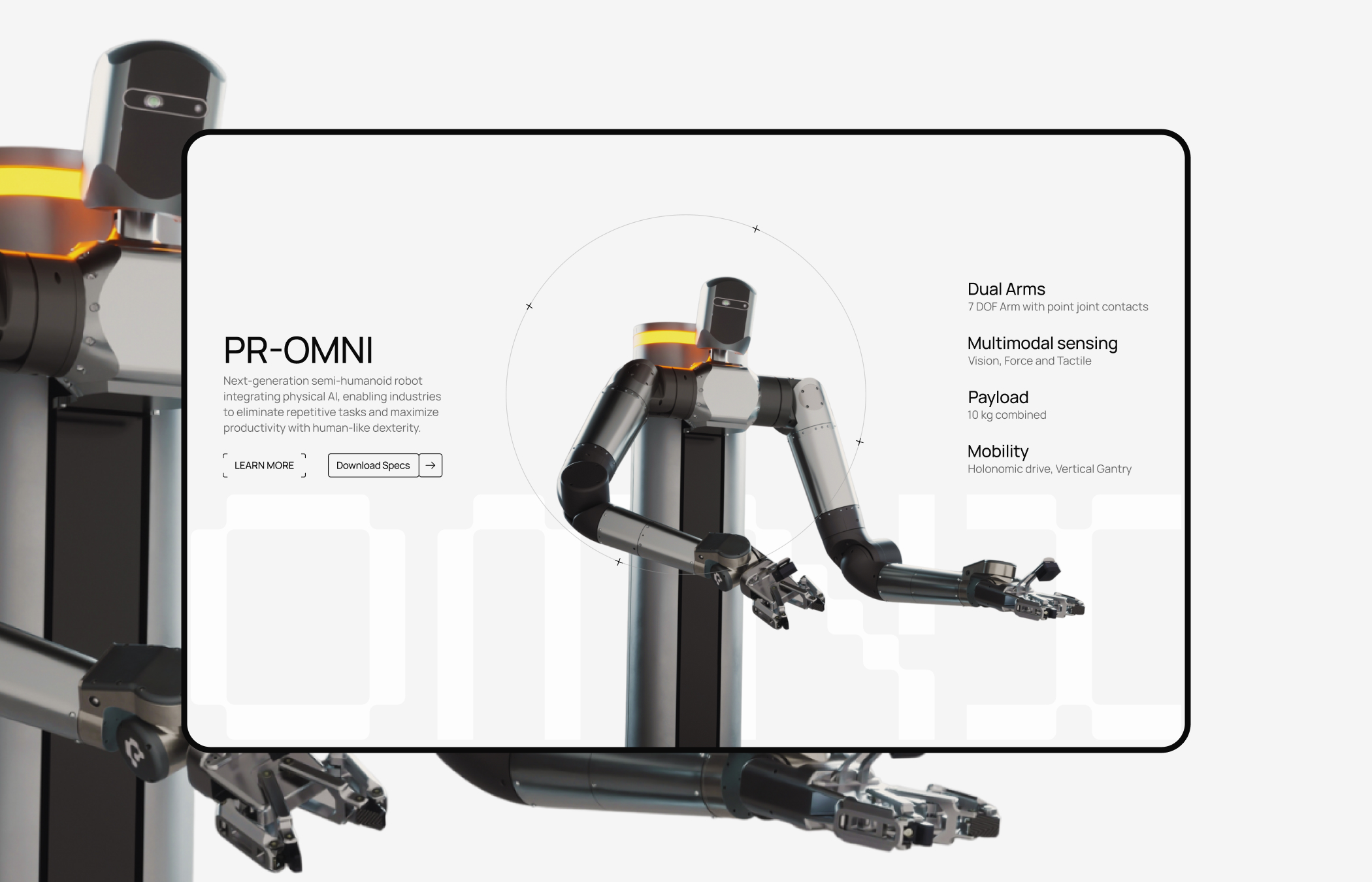
Explore the Web development process behind the perceptyne.
Choosing the Right Website Design Partner
Investing in a custom website is only part of the equation, the success of your project also depends on choosing the right web design partner. A reliable agency will understand the unique needs of the travel industry and create a website that not only looks impressive but also delivers a seamless user experience and drives business growth.
When evaluating a website design partner, consider the following:
Experience in the Travel Industry
Choose a team that has experience designing websites for travel agencies or tourism businesses. They will better understand customer behavior, booking journeys, and industry-specific requirements.
Strong SEO Expertise
A good design partner should build your website with SEO best practices in mind, ensuring it is optimized for search engines and capable of attracting organic traffic.
Responsive and Mobile-First Design
Since many travelers browse and book trips on their smartphones, your website should deliver a smooth experience across all devices.
Flexible Content Management System (CMS)
Look for a solution that allows you to easily update destinations, travel packages, blogs, and promotional offers without technical expertise.
Integration Capabilities
Your website should seamlessly integrate with booking engines, payment gateways, CRM systems, email marketing tools, and other essential business applications.
Performance and Speed Optimization
Fast-loading pages improve both user experience and search engine rankings. Ensure your design partner prioritizes website performance from the start.
Ongoing Maintenance and Support
A website requires regular updates, security monitoring, and technical support. Partner with a team that offers reliable post-launch maintenance to keep your website running smoothly.
A Proven Portfolio
Review the agency’s portfolio and client testimonials to assess the quality of their work and their ability to deliver successful projects for businesses similar to yours.
The right website design partner won’t simply build an attractive website, they’ll create a high-performing digital platform that strengthens your brand, enhances customer experiences, and supports your travel agency’s long-term growth.

Explore the UX design process behind the Maverick AI.
Final Thoughts: Invest in a Website That Sells Experiences
Travel is built on emotion, inspiration, and trust. Your website should reflect those same qualities while making it effortless for visitors to explore destinations, compare packages, and complete bookings.
Although website templates provide a quick starting point, they often struggle to support the branding, functionality, and scalability that modern travel agencies require. A tailored website, on the other hand, is designed around your unique business goals, your ideal customers, and the experiences you offer.
As the travel industry becomes increasingly competitive, investing in a custom-designed website is no longer just about aesthetics, it’s about creating a powerful digital platform that attracts qualified travelers, strengthens your brand, improves search visibility, and drives sustainable business growth.
Instead of settling for a website that simply lists tour packages, build one that inspires adventure, earns trust, and turns curious visitors into loyal travelers.

Thanseem
Junior UI/UX Designer