


Why Every Real Estate Business Needs a Website
The way people buy and sell properties has changed significantly. Before contacting an agent, most buyers search online to compare properties, check prices, view photos, and learn about the builder or real estate company. If your business doesn’t have a professional website, you’re likely missing out on potential customers who are actively looking for properties online.
A real estate website is much more than an online brochure. It helps you showcase your properties, build trust, generate leads, and grow your business. Whether you’re an independent real estate agent, a brokerage, or a property developer, having a professional website gives your business a competitive advantage.
01. Your Business Is Open 24/7
Unlike your office, which has fixed working hours, your website is available all day, every day. Customers can browse your property listings, check project details, and contact you whenever it’s convenient for them.
A real estate website allows visitors to:
- Browse available properties
- Learn about your company
- View property images and videos
- Submit inquiries
- Schedule property visits
Even when you’re not available, your website continues to generate leads for your business.
02. Builds Trust and Credibility
A professional website helps create a strong first impression. Most customers trust businesses that have a well-designed website with complete information.
Your website can build confidence by displaying:
- Verified property listings
- Customer testimonials
- Agent or company profiles
- Awards and certifications
- Google reviews
- Office address and contact details
When customers find accurate and professional information on your website, they’re more likely to contact your business.
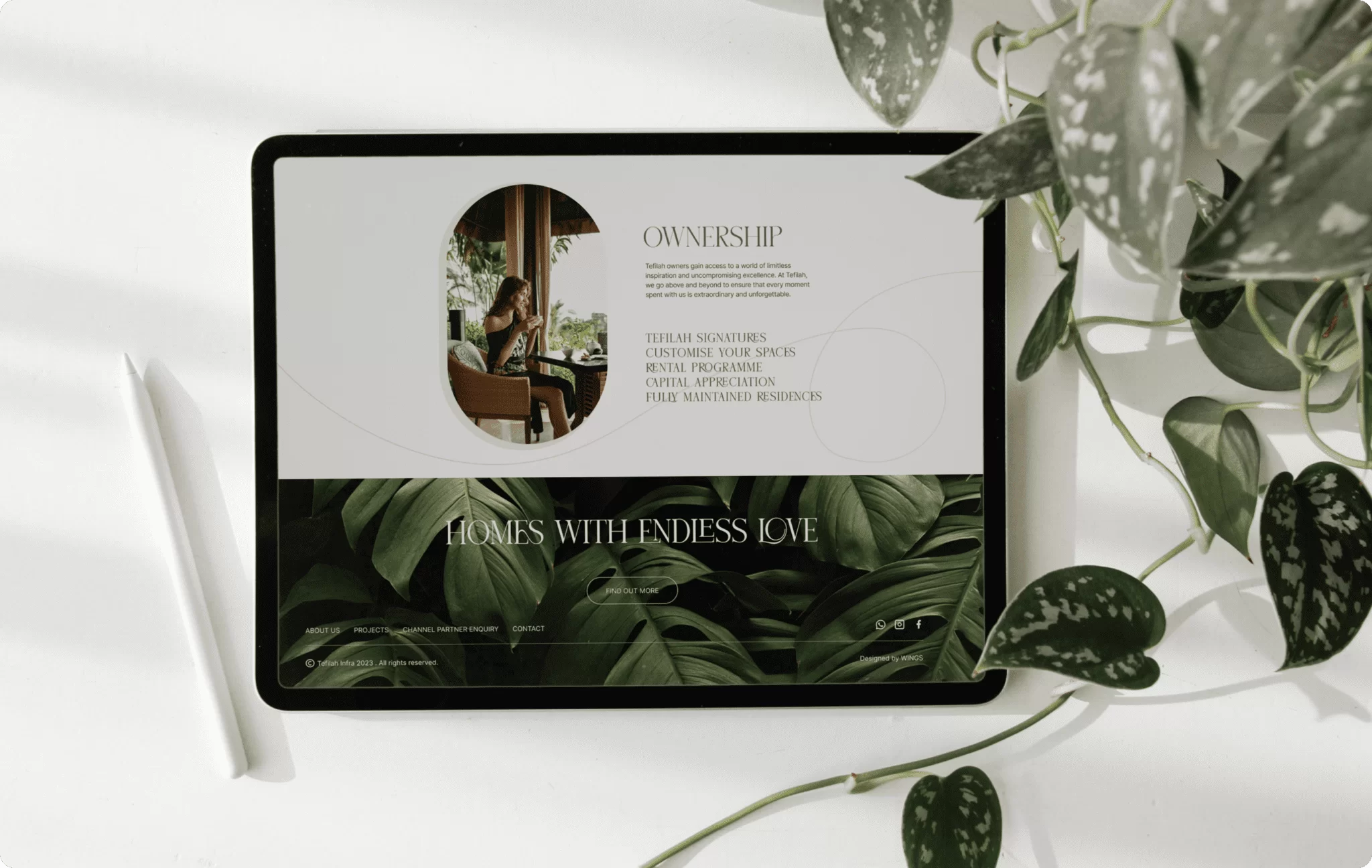
Explore the Web development process behind the Tefilah infra
03. Generates More Property Inquiries
One of the biggest benefits of a website is that it helps you collect leads automatically.
Instead of waiting for phone calls, customers can contact you directly through:
- Property inquiry forms
- Contact forms
- WhatsApp chat
- Live chat
- Request a callback
- Schedule a site visit
These inquiries can be stored in your CRM or email, making it easier to follow up with potential buyers and close more deals.
04. Supports Your Digital Marketing
Whether you’re running Google Ads, Facebook Ads, Instagram campaigns, or investing in SEO, your website acts as the destination where customers learn more about your business and properties.
A website also helps you measure the success of your marketing campaigns by tracking:
- Number of visitors
- Property views
- Lead inquiries
- Customer behavior
- Conversion rates
This data helps you improve your marketing strategy and get better returns on your investment.
05. Makes Property Search Easier for Customers
Modern buyers expect a simple and convenient property search experience.
With a professional real estate website, visitors can:
- Search properties by location
- Filter by budget and property type
- Compare multiple properties
- View photos and videos
- Download project brochures
- Calculate home loan EMIs
- Book a site visit
Providing all this information online saves time for both your customers and your sales team.
06. Reach Customers Beyond Your Local Area
A physical office can only attract people who visit your location. A website, however, can reach customers across different cities, states, and even countries.
This is especially useful if you sell:
- Luxury apartments and villas
- Commercial properties
- Residential plots
- Vacation homes
- Investment properties
- Projects for NRI buyers
With the right SEO and digital marketing strategy, your website can help you generate inquiries from a much wider audience.
Explore the Web development process behind the EVOS.
Benefits of Having a Real Estate Website
| Traditional Marketing | Real Estate Website |
| Business operates only during office hours | Available 24/7 for customers |
| Limited to local customers | Reach buyers across cities and countries |
| Difficult to measure marketing results | Track visitors, inquiries, and conversions |
| Manual lead collection | Automatic lead generation through forms and chat |
| Expensive traditional advertising | Cost-effective long-term digital marketing |
| Limited space to showcase properties | Display unlimited property listings with images, videos, and virtual tours |
Types of Real Estate Websites
01. Real Estate Agency Website
A real estate agency website helps agents and brokers showcase property listings and professional services. It builds credibility, attracts buyers and sellers, and generates qualified leads. Features like property search, agent profiles, and contact forms improve customer engagement.
02. Property Listing Portal
A property listing portal allows multiple agencies, builders, and owners to list properties on a single platform. Users can search, compare, and save properties using advanced filters. These websites also generate revenue through paid listings, memberships, and featured promotions.
03. Property Developer Website
A property developer website promotes residential and commercial projects developed by builders. It showcases ongoing and upcoming developments through galleries, floor plans, brochures, and virtual tours. The website helps attract buyers and investors while strengthening the developer’s brand.
04. Rental Property Website
A rental property website enables users to browse available rental properties and submit inquiries online. It provides information about rent, availability, lease details, and tenant applications. This type of website simplifies property management and improves tenant communication.
05. Luxury Real Estate Website
Luxury real estate websites are designed to showcase premium properties with elegant layouts and high-quality visuals. Features such as virtual tours, professional photography, and personalized consultation create a premium user experience. These websites appeal to high-end property buyers and investors.
06. Commercial Real Estate Website
Commercial real estate websites focus on offices, retail spaces, warehouses, and industrial properties. They provide detailed information about property specifications, lease terms, accessibility, and location. These platforms help businesses find suitable commercial spaces efficiently.
How to Choose the Right Real Estate Website
Before developing your website, consider the following questions:
- Do you sell or rent properties?
- Are you an individual agent or a real estate agency?
- Do you manage multiple property listings?
- Do you develop residential or commercial projects?
- Who is your target audience?
- What features will your customers need?
Answering these questions will help you choose the right website type and ensure it meets your business goals.

Explore the Web development process behind the Vedic city.
Essential Features Every Real Estate Website Must Have
01. Attractive Homepage
Your homepage is the first thing visitors see, so it should create a strong first impression. It should clearly showcase your brand, featured properties, and services while making it easy for users to navigate. A clean and professional homepage encourages visitors to explore your website further.
02. Property Listings
Property listings are the core of every real estate website. Each listing should include clear images, pricing, location, property details, and a detailed description. Well-organized listings help buyers quickly find properties that match their needs.
03. Advanced Property Search
An advanced search feature allows visitors to filter properties based on location, budget, property type, bedrooms, and other preferences. This saves users time and improves their overall experience. The easier it is to find a property, the more likely visitors are to contact you.
04. Detailed Property Pages
Every property should have its own dedicated page with complete information. Include high-quality photos, videos, floor plans, amenities, location details, and an inquiry form. Detailed property pages help buyers make informed decisions without needing additional information.
05. Contact Forms
Simple and easy-to-use contact forms make it convenient for visitors to reach your business. Whether it’s a general inquiry, property inquiry, or site visit request, forms should collect only essential information. This increases the chances of receiving more inquiries.
06. Customer Testimonials
Positive reviews from satisfied clients help establish trust with potential buyers and sellers. Displaying testimonials with customer names and experiences adds credibility to your business. Genuine feedback can influence visitors to choose your services.
07. Interactive Maps
Interactive maps allow users to view the exact location of a property and explore nearby amenities. They help buyers understand the neighborhood, nearby schools, hospitals, shopping centers, and transportation options. This makes property selection easier and more informed.
08. Image & Video Galleries
High-quality images and videos showcase properties in the best possible way. Visual content helps buyers understand the property’s layout, design, and condition before scheduling a visit. Professional media can significantly increase user engagement.
09. Mortgage/EMI Calculator
A mortgage or EMI calculator helps buyers estimate their monthly loan repayments. It allows users to plan their budget before making an inquiry. This feature adds value by providing useful financial information directly on your website.
10. User Registration & Login
User accounts enable visitors to save searches, manage favorite properties, and receive personalized recommendations. Registered users are more likely to engage with your website over time. It also helps you build a database of potential customers.
11. Blog & Resource Center
A blog helps educate visitors while improving your website’s search engine rankings. You can publish articles on market trends, buying tips, investment advice, and neighborhood guides. Regular content updates also establish your expertise in the real estate industry.
12. Social Media Integration
Integrating your social media accounts allows visitors to follow your latest property updates and company news. It also enables users to share listings with friends and family. This increases your online visibility and brand awareness.
13. Live Chat & AI Chatbot
Live chat and AI chatbots provide instant responses to customer questions. They help visitors get quick information about properties, pricing, and appointments at any time. This improves customer satisfaction and increases lead generation.
14. WhatsApp Integration
WhatsApp integration enables visitors to contact your sales team with a single click. Since many customers prefer messaging over phone calls, this feature improves communication and speeds up response times. It also helps generate more inquiries.
15. Mobile-Responsive Design
A responsive website works seamlessly on smartphones, tablets, and desktops. Since many buyers search for properties on mobile devices, responsive design is essential for providing a smooth browsing experience. It also improves search engine rankings.
16. SEO-Friendly Structure
An SEO-friendly website is designed to rank higher in search engine results. Proper page structure, optimized content, fast loading speed, and clean URLs help attract more organic visitors. Better visibility leads to more inquiries and business opportunities.
17. Fast Loading Speed
Website speed plays an important role in user experience. Fast-loading pages keep visitors engaged and reduce bounce rates. Optimizing images, code, and hosting helps improve website performance.
18. Security & SSL Certificate
Security protects your website and customer information from cyber threats. An SSL certificate encrypts data and builds trust by displaying the secure HTTPS connection. Regular security updates help maintain a safe browsing experience.
19. Analytics & Performance Tracking
Analytics tools help you understand how visitors interact with your website. You can track traffic sources, popular properties, inquiry forms, and conversion rates. These insights help improve your marketing strategy and website performance.
20. Clear Call-to-Action (CTA) Buttons
Every important page should encourage visitors to take action. Buttons like “Contact Agent,” “Schedule a Visit,” or “Request More Information” guide users toward becoming potential customers. Clear CTAs improve lead generation.
21. Contact Information & Office Location
Your contact details should be easy to find on every page. Include your phone number, email address, office location, and business hours. This makes it simple for customers to reach your team whenever they need assistance.
22. Reviews & Testimonials Section
A dedicated reviews section showcases customer feedback and success stories. Positive experiences from previous clients help build trust and encourage new visitors to contact your business. Social proof remains one of the strongest factors influencing buying decisions.
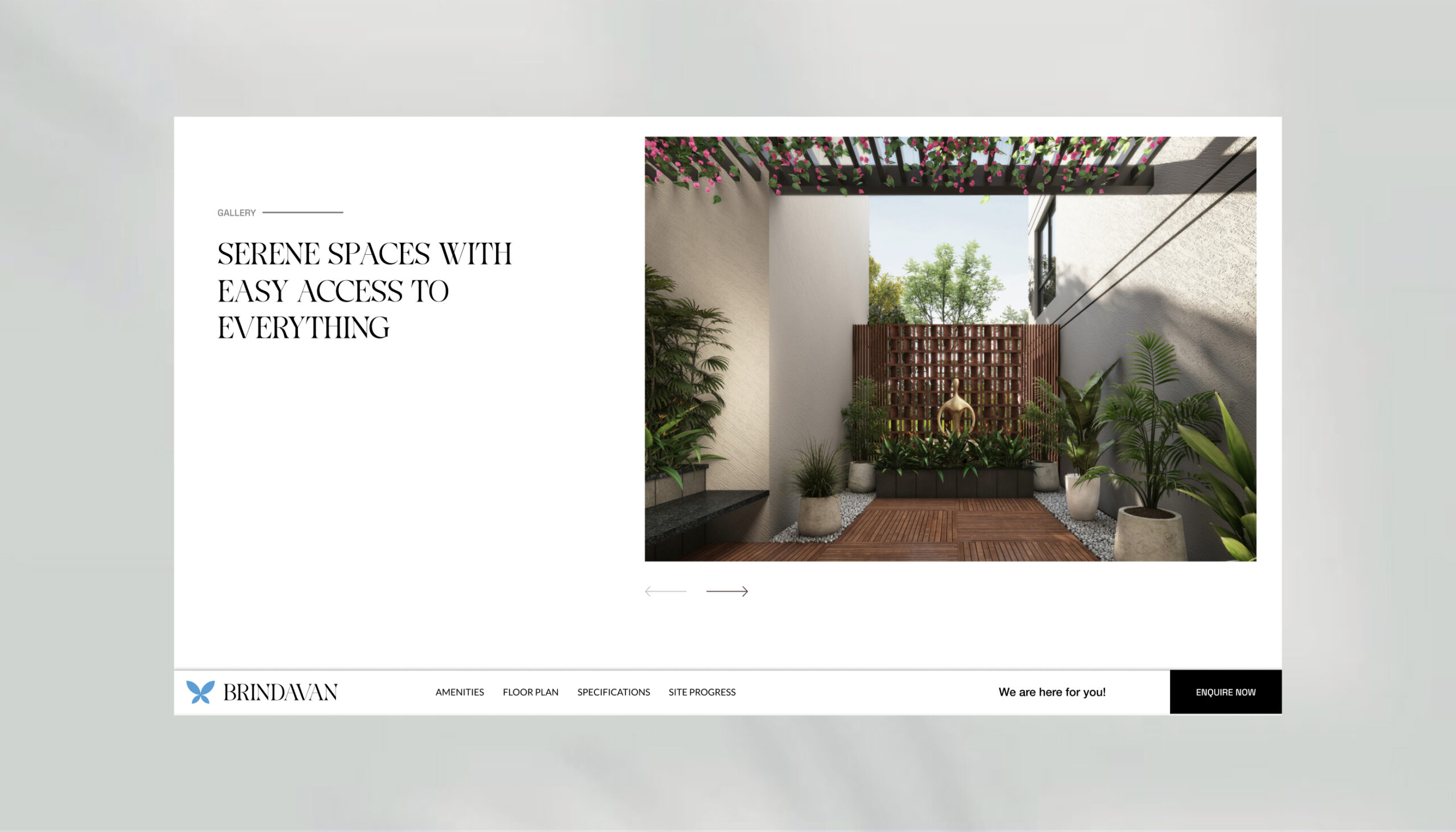
Explore the Web development process behind the Chaitanya.
Website Design Principles
Your website’s design is often the first impression customers have of your business. A clean, modern, and visually appealing interface can significantly improve trust and encourage users to explore your listings.
01. Keep the Design Simple
Real estate websites often display a large amount of information, including listings, images, maps, and contact details. Overcrowding the interface can overwhelm visitors.
A clean design should focus on:
- Minimal distractions
- Easy-to-read typography
- Clear navigation
- Plenty of white space
- Consistent branding
Remember: simplicity enhances usability.
02. Highlight the Property Search
Property search is the most frequently used feature on a real estate website.
Place the search bar prominently on the homepage, allowing users to quickly search by:
- Location
- Budget
- Property type
- Bedrooms
- Status (For Sale/Rent)
- Area
A prominent search interface reduces friction and improves user satisfaction.
03. Use High-Quality Visuals
Real estate is a visual industry. High-quality photography can dramatically influence purchasing decisions.
Use:
- Professional property photography
- Drone images
- Lifestyle imagery
- Hero banners
- Neighborhood photos
Avoid blurry or poorly lit images, as they can reduce trust.
04. Maintain Brand Consistency
Every page should reflect your brand identity through:
- Logo placement
- Color palette
- Typography
- Icons
- Button styles
- Image style
Consistent branding builds recognition and professionalism.
05. Clear Navigation
Visitors should find important pages within two or three clicks.
Typical navigation includes:
- Home
- Buy
- Rent
- Projects
- Agents
- About Us
- Blog
- Contact
Dropdown menus can help organize large property categories.
06. Strong Calls-to-Action (CTAs)
Every important page should guide visitors toward an action.
Examples include:
- Schedule a Visit
- Contact Agent
- Request a Callback
- Download Brochure
- Book Consultation
- View Similar Properties
- Get Pre-Approved
Strategically placed CTAs improve conversions.
User Experience (UX)
User Experience (UX) focuses on how easy and enjoyable it is for visitors to interact with your website.
Good UX keeps visitors engaged, while poor UX often leads to higher bounce rates.
Fast Navigation
Users should be able to move effortlessly between:
- Listings
- Property pages
- Agent profiles
- Contact forms
- Blog posts
Avoid unnecessary steps and confusing navigation paths.
Consistent Layout
Maintain consistent placement of:
- Search bar
- Navigation menu
- Buttons
- Contact information
- Property cards
Predictability helps users navigate more confidently.
Readable Typography
Choose fonts that are:
- Easy to read
- Mobile-friendly
- Professional
- Accessible
Use appropriate font sizes and line spacing to improve readability.
Accessibility
Design your website so everyone can use it.
Accessibility best practices include:
- Alternative text for images
- Keyboard navigation
- Color contrast
- Large clickable buttons
- Screen reader compatibility
Accessible websites reach a wider audience and may also support SEO.
Reduce User Friction
Simplify every interaction.
Examples:
Instead of asking users to complete a lengthy inquiry form, only request:
- Name
- Phone number
- Message
Additional information can be collected later during follow-up.

Explore the Web development process behind the Blossom heights.
Mobile Responsive Design
More than half of all property searches now happen on smartphones and tablets. Whether users are browsing listings during their commute or comparing properties while visiting neighborhoods, they expect a seamless mobile experience.
A mobile-responsive website automatically adjusts its layout, images, and navigation to fit different screen sizes, ensuring a consistent experience across desktops, tablets, and smartphones.
Why Mobile Responsiveness Matters
A responsive website offers several advantages:
- Improves user experience across all devices
- Reduces bounce rates
- Increases lead generation
- Supports higher search engine rankings
- Builds trust and professionalism
Since search engines prioritize mobile-friendly websites, responsiveness is no longer optional, it is a necessity.
Characteristics of a Responsive Website
A well-designed responsive real estate website includes:
Flexible Layouts
The website automatically rearranges content based on screen size without requiring horizontal scrolling.
Mobile-Friendly Navigation
Instead of displaying a large navigation menu, mobile websites typically use a hamburger menu for easier navigation.
Responsive Images
Property images automatically resize without compromising quality, ensuring faster loading times.
Large Touch Targets
Buttons such as Contact Agent, Call Now, or Schedule Visit should be large enough for comfortable tapping on touchscreens.
Readable Typography
Text should remain readable without requiring users to zoom in.
Website Speed Optimization
Website speed is one of the most important factors influencing user experience, search engine rankings, and lead generation. Studies consistently show that users abandon websites that take too long to load.
For a real estate website, which often includes high-resolution images, videos, interactive maps, and advanced search features, performance optimization should be a top priority.
Why Website Speed Matters
A fast-loading website offers numerous benefits:
- Better user experience
- Lower bounce rates
- Higher search engine rankings
- Increased lead conversions
- Improved customer satisfaction
- Better mobile performance
Even a one-second improvement in loading time can positively impact engagement and conversion rates.
Development Process
Developing a real estate website requires a structured workflow that minimizes risks and ensures quality.
Phase 1: Requirement Analysis
Start by identifying:
- Business goals
- Target audience
- Required features
- Budget
- Timeline
- Competitor analysis
A detailed requirement document helps align stakeholders before development begins.
Phase 2: Planning
Create a project roadmap that includes:
- Feature prioritization
- Technology selection
- Resource allocation
- Milestones
- Risk assessment
Proper planning reduces delays and unexpected costs.
Phase 3: Wireframing
Wireframes are simple visual layouts showing the placement of:
- Navigation
- Search bar
- Property listings
- Contact forms
- Buttons
- Content sections
Wireframes focus on functionality rather than design.
Phase 4: UI/UX Design
Designers create high-fidelity mockups that define:
- Color palette
- Typography
- Icons
- Buttons
- Cards
- Spacing
- Responsive layouts
Interactive prototypes allow stakeholders to review the user experience before development.
Phase 5: Frontend Development
Developers convert approved designs into responsive web pages.
Tasks include:
- Building reusable components
- Implementing responsive layouts
- Integrating animations
- Connecting APIs
Phase 6: Backend Development
Backend development includes:
- User authentication
- Property management
- Database integration
- Lead management
- API development
- Security implementation
This phase powers the website’s core functionality.
Phase 7: CMS Integration
Content Management Systems enable administrators to manage:
- Property listings
- Blogs
- Agents
- Testimonials
- Pages
- Images
A user-friendly admin panel reduces dependence on developers for routine updates.
Phase 8: Third-Party Integrations
Typical integrations include:
- Google Maps
- CRM
- Email marketing
- Payment gateways
- Analytics
- Chatbots
- Social media
Ensure all integrations are tested for reliability and security.
Phase 9: Content Upload
Before launch, populate the website with:
- Property listings
- Images
- Videos
- Agent profiles
- Blog articles
- Testimonials
- Legal pages
Quality content enhances both user experience and SEO.

Explore the Web development process behind the Krishna Group.
Website Maintenance
A real estate website is a dynamic platform where property listings, market trends, customer inquiries, and business information change regularly. Without proper maintenance, even a well-designed website can become outdated, vulnerable to security threats, and less effective at generating leads.
Website maintenance involves keeping your website secure, updated, optimized, and fully functional.
Why Website Maintenance Is Important
Regular maintenance provides several benefits:
- Improves website security
- Enhances user experience
- Keeps property listings accurate
- Improves search engine rankings
- Reduces downtime
- Prevents technical issues
- Protects customer data
- Supports long-term business growth
Neglecting maintenance can result in broken links, outdated listings, slow performance, and lost business opportunities.
Common Mistakes in Real Estate Website Development
Even with a significant investment, a website may struggle to generate leads if it suffers from poor usability, outdated technology, or weak marketing. Avoiding these mistakes can save both time and money.
01. Ignoring Mobile Users
Most property buyers search on smartphones, making mobile responsiveness essential. A website with poor mobile performance can lead to difficult navigation, slow loading, and higher bounce rates. Adopting a mobile-first design ensures a seamless experience across all devices.
02. Slow Website Performance
A slow website frustrates visitors and affects search engine rankings. Large images, poor hosting, and excessive scripts are common causes of slow loading times. Optimizing website speed improves user experience and increases conversions.
03. Poor Navigation
Visitors should be able to find properties and important information quickly. Confusing menus, broken links, and inconsistent layouts make browsing difficult. Simple and intuitive navigation keeps users engaged and improves website usability.
04. Weak Property Search
The property search feature is one of the most important tools on a real estate website. Limited filters and slow or inaccurate search results reduce user satisfaction. Advanced search options with location-based filtering help users find suitable properties faster.

Explore the Website development process behind the Kind Energy
05. Low-Quality Property Images
Property images create the first impression for potential buyers. Blurry or poorly lit photos reduce trust and make listings less attractive. High-quality, optimized images showcase properties more effectively and encourage inquiries.
06. Outdated Property Listings
Displaying sold or unavailable properties damages credibility and frustrates visitors. Incorrect pricing and outdated information can lead to missed opportunities. Regular updates and automated listing management keep property data accurate.
07. Complicated Contact Forms
Long inquiry forms often discourage users from making contact. Asking only for essential details increases the chances of receiving more inquiries. Additional information can always be collected during follow-up conversations.
08. Ignoring SEO
Without SEO, even a beautiful website may receive little organic traffic. Missing keywords, meta tags, and optimized content reduce search visibility. A strong SEO strategy improves rankings and attracts qualified visitors.
09. Weak Security
Real estate websites handle valuable customer information that must be protected. Poor security practices increase the risk of cyberattacks and data breaches. Regular updates, SSL certificates, and security audits help keep the website secure.
10. No Analytics
Analytics provide valuable insights into visitor behavior and website performance. Without tracking, businesses cannot identify successful listings or improve conversion rates. Monitoring key metrics supports better marketing and business decisions.
11. Lack of Clear Calls-to-Action
Visitors need clear guidance on what to do next after viewing a property. Strong CTAs encourage actions such as contacting an agent or scheduling a property visit. Effective calls-to-action significantly improve lead generation.
12. Choosing the Wrong Hosting Provider
Poor hosting can result in slow loading speeds, downtime, and limited scalability. These issues negatively affect both user experience and search rankings. Choosing a reliable hosting provider ensures better performance, security, and future growth.
Future Trends in Real Estate Website Development
01. Artificial Intelligence (AI)
Artificial Intelligence is transforming real estate websites by automating customer interactions and improving decision-making. AI-powered chatbots, property recommendations, and predictive analytics provide faster and more personalized user experiences. It also helps businesses improve customer support and generate quality leads.
02. Machine Learning
Machine Learning enables websites to learn from user behavior and deliver more relevant property recommendations. It improves search accuracy, predicts customer preferences, and enhances marketing strategies. As more data is collected, recommendations become increasingly personalized.
03. Virtual Reality (VR)
Virtual Reality allows buyers to take immersive property tours without visiting the location physically. It saves time for both buyers and agents while providing a realistic property viewing experience. VR is especially valuable for luxury properties and international buyers.
04. Augmented Reality (AR)
Augmented Reality enhances property visualization by overlaying digital elements onto real-world environments. Buyers can view furniture placement, interior designs, and renovation possibilities before making decisions. This creates a more interactive and engaging property experience.
05. Voice Search
Voice search is becoming increasingly popular as users rely on smart assistants to find information. Real estate websites optimized for voice search make it easier for users to search for properties using natural language. This improves accessibility and user convenience.
06. Smart Search
Smart search uses AI and advanced algorithms to deliver faster and more accurate property results. Features such as predictive suggestions, natural language processing, and personalized recommendations simplify the property search process. This enhances user satisfaction and engagement.
07. Blockchain Technology
Blockchain improves transparency and security in real estate transactions. It enables secure digital contracts, property verification, and fraud prevention through decentralized record management. This technology increases trust between buyers, sellers, and agents.
08. Internet of Things (IoT)
IoT integration allows users to explore smart home features directly through real estate websites. Buyers can access information about connected devices, energy management systems, and home automation technologies. This adds value to modern property listings.
09. Big Data Analytics
Big Data helps businesses analyze market trends, customer behavior, and property performance. These insights support better pricing strategies, targeted marketing campaigns, and informed business decisions. Data-driven approaches improve overall operational efficiency.
10. Hyper-Personalization
Hyper-personalization delivers customized property recommendations based on user preferences, browsing history, and behavior. Personalized content increases user engagement and improves conversion rates. It creates a more relevant and satisfying customer experience.
11. Progressive Web Apps (PWAs)
Progressive Web Apps combine the advantages of websites and mobile applications. They offer fast loading speeds, offline functionality, push notifications, and a seamless user experience across devices. PWAs improve accessibility while reducing development costs.
12. Sustainability Features
Modern real estate websites increasingly highlight eco-friendly and energy-efficient properties. Features such as green building certifications, energy ratings, and sustainable amenities appeal to environmentally conscious buyers. Sustainability has become an important factor in property purchasing decisions.
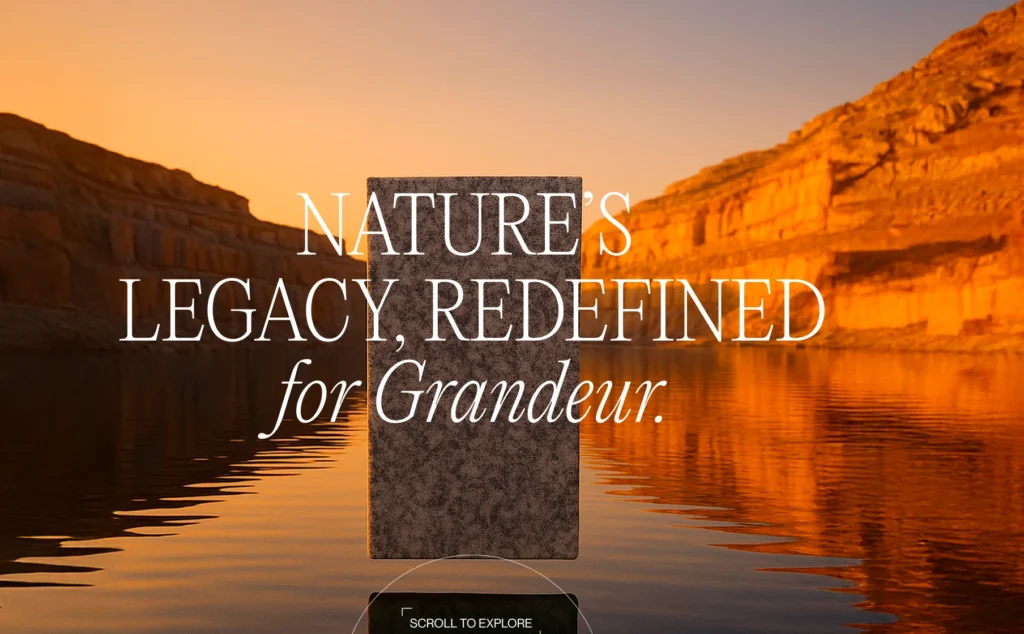
Explore the Web development process behind the Bluewhale.
Preparing for the Future
To remain competitive, real estate businesses should:
- Continuously improve user experience.
- Invest in AI-powered tools.
- Monitor emerging technologies.
- Update content regularly.
- Prioritize website performance and security.
- Analyze customer behavior.
- Embrace automation where appropriate.
Innovation should align with business goals and customer needs rather than simply following trends.
Final Thoughts
A real estate website is more than an online presence, it’s a powerful tool for attracting buyers, sellers, and investors while building trust and generating leads. Success depends on a user-friendly design, fast performance, advanced property search, SEO, strong security, and regular updates. As technologies like AI, virtual tours, and predictive analytics continue to evolve, businesses that embrace innovation and prioritize customer experience will stay ahead. A well-designed real estate website not only showcases properties but also drives long-term growth and strengthens customer relationships.
Conclusion
A professional real estate website is essential for attracting buyers, generating leads, and building trust in today’s digital market. By combining user-friendly design, advanced features, SEO, security, and regular updates, businesses can deliver a seamless customer experience and stay competitive. Investing in a scalable, future-ready website helps strengthen your brand, increase online visibility, and support long-term business growth.

Prasanna M
WordPress Developer