


Introduction
UI/UX design is evolving rapidly with AI, immersive technologies, and changing user expectations. While modern tools can accelerate the design process, great design still depends on creativity, empathy, and strong problem-solving skills. One of the best ways to build these foundations is by learning from industry-leading books. In this guide, we’ve curated the best UI/UX books for 2026 to help beginners and experienced designers sharpen their skills, strengthen design thinking, and stay ahead in the ever-changing world of product design.

Explore the UI/UX design system behind the EVOS.
Why Reading UI/UX Books Still Matters in 2026
With thousands of YouTube tutorials, online courses, AI-powered learning platforms, and design communities available at our fingertips, many designers wonder if books are still worth investing time in. The answer is a resounding yes.
Books offer something that quick online resources often cannot: depth. They explore the reasoning behind design decisions, explain complex concepts through real-world examples, and encourage critical thinking rather than simply teaching users how to recreate a particular interface.
Books Teach Timeless Principles
Design trends change rapidly. Skeuomorphism gave way to flat design, which evolved into neumorphism, glassmorphism, and now AI-generated interfaces. While aesthetics evolve, the underlying principles of good design remain remarkably consistent.
Books teach concepts such as:
- Human-centered design
- User psychology
- Cognitive biases
- Visual hierarchy
- Accessibility standards
- Information architecture
- Interaction design
- Design systems
- Product thinking
These principles form the backbone of every successful digital product, regardless of industry or technology.
They Build Design Thinking
Great designers don’t ask, “How can I make this screen look better?” Instead, they ask:
- What problem am I solving?
- Who is the user?
- Why are they struggling?
- What is the simplest solution?
- How can I validate my assumptions?
Books encourage this mindset by teaching designers to approach problems systematically rather than relying solely on intuition.
They Prepare You for Long-Term Growth
Learning a design tool may help you complete today’s projects, but understanding design principles prepares you for tomorrow’s challenges. As AI automates repetitive design tasks, employers increasingly value designers who can think strategically, conduct research, collaborate across teams, and make informed product decisions.

Explore the UI/UX design process behind the Maverick AI.
How We Selected These Books
With hundreds of UI/UX books available, narrowing the list wasn’t easy. We selected these titles based on several criteria to ensure they remain relevant in 2026 and beyond.
Industry Recognition
Many books on this list have influenced generations of designers and continue to be recommended by professionals working at leading technology companies.
Practical Value
Each book offers actionable insights rather than purely theoretical discussions. Readers can immediately apply what they learn to personal projects, client work, or professional roles.
Timeless Content
Rather than focusing on specific software or temporary trends, these books emphasize enduring design principles that remain valuable regardless of technological advancements.
Suitable for Different Experience Levels
This collection includes books for beginners, intermediate designers, and experienced professionals, ensuring every reader finds something appropriate for their current stage.

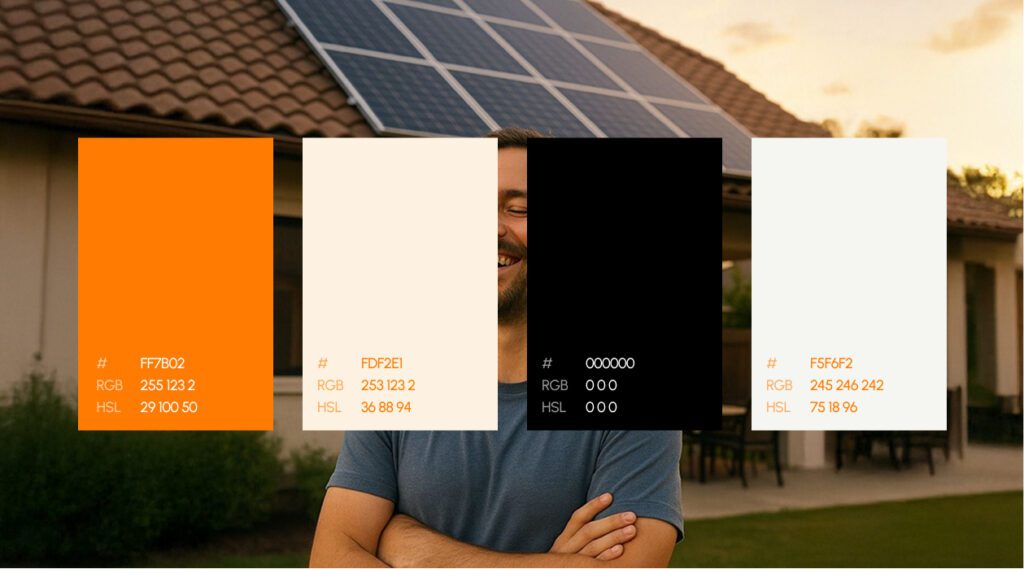
Explore the UI/UX design process behind the Kind Energy.
Top 20 UI/UX Books to Read (Based on Your Experience Level)
Beginners
If you’re new to UI/UX design, start with books that introduce core concepts in an easy-to-understand and practical way.
1. Don’t Make Me Think — Steve Krug
A timeless guide to usability that teaches how to create intuitive websites and applications by reducing user confusion.
2. The Design of Everyday Things — Don Norman
Learn the psychology behind why products succeed or fail and understand the fundamentals of human-centered design.
3. Refactoring UI — Adam Wathan & Steve Schoger
Improve your visual design skills with practical advice on typography, spacing, color, layouts, and hierarchy.
4. 100 Things Every Designer Needs to Know About People — Susan Weinschenk
Discover how human psychology influences design decisions, helping you create experiences users naturally understand.
5. The UX Book: Agile UX Design for a Quality User Experience — Rex Hartson & Pardha Pyla
An excellent introduction to the complete UX process, from user research to evaluation and design implementation.
6. Rocket Surgery Made Easy — Steve Krug
Learn how to conduct simple, affordable usability tests that reveal valuable user insights without requiring extensive resources.
Intermediate Designers
Once you’re comfortable with the basics, explore books that deepen your understanding of psychology, interaction design, collaboration, and product thinking.
7. Laws of UX — Jon Yablonski
Understand the psychological principles behind successful digital products, including Hick’s Law, Fitts’s Law, and Jakob’s Law.
8. Designing Interfaces — Jenifer Tidwell
A practical reference covering common UI patterns, navigation systems, forms, dashboards, mobile interfaces, and responsive design.
9. Lean UX — Jeff Gothelf & Josh Seiden
Learn how UX integrates with Agile development through rapid experimentation, collaboration, and continuous user feedback.
10. Universal Principles of Design — William Lidwell, Kritina Holden & Jill Butler
Explore more than 100 universal design principles applicable across UX, graphic design, architecture, and product development.
11. About Face: The Essentials of Interaction Design — Alan Cooper, Robert Reimann, Christopher Noessel & David Cronin
One of the most comprehensive resources on interaction design, user goals, personas, workflows, and interface behavior.
12. Think Like a UX Researcher — David Travis & Philip Hodgson
Develop research skills that help uncover user needs, validate design decisions, and improve product experiences.
13. Observing the User Experience — Mike Kuniavsky
A practical handbook for planning, conducting, and analyzing user research through interviews, observations, and usability testing.
Advanced Designers
Experienced professionals looking to expand into product strategy, systems thinking, leadership, and large-scale product development should consider these books.
14. Solving Product Design Exercises — Artiom Dashinsky
Master structured problem-solving techniques used in product design interviews and real-world design challenges.
15. Designing Data-Intensive Applications — Martin Kleppmann
Gain a deeper understanding of databases, distributed systems, scalability, and technical constraints that influence product design.
16. Org Design for Design Orgs — Peter Merholz & Kristin Skinner
Learn how successful organizations build, scale, and manage high-performing design teams.
17. Continuous Discovery Habits — Teresa Torres
Adopt a continuous product discovery mindset by integrating customer research into everyday product development.
18. Sprint — Jake Knapp, John Zeratsky & Braden Kowitz
Master Google’s five-day design sprint process for validating ideas and solving critical business problems quickly.
19. Hooked: How to Build Habit-Forming Products — Nir Eyal
Understand behavioral psychology and product strategies that encourage long-term user engagement through ethical habit formation.
20. Inspired: How to Create Tech Products Customers Love — Marty Cagan
A must-read for senior product designers and product teams, covering product strategy, innovation, leadership, and cross-functional collaboration.

Explore the UI/UX Design process behind the Quint.
Complete Reading List at a Glance
| Level | Books |
| Beginners (1–6) | Don’t Make Me Think, The Design of Everyday Things, Refactoring UI, 100 Things Every Designer Needs to Know About People, The UX Book, Rocket Surgery Made Easy |
| Intermediate (7–13) | Laws of UX, Designing Interfaces, Lean UX, Universal Principles of Design, About Face, Think Like a UX Researcher, Observing the User Experience |
| Advanced (14–20) | Solving Product Design Exercises, Designing Data-Intensive Applications, Org Design for Design Orgs, Continuous Discovery Habits, Sprint, Hooked, Inspired |
This progression takes readers from mastering UX fundamentals and visual design to advanced topics like research, product strategy, design leadership, and organizational thinking, making it a comprehensive reading roadmap for UI/UX designers in 2026.
How to Read UI/UX Books Effectively
Buying books is easy; learning from them requires intention. Simply reading chapter after chapter without applying the concepts rarely leads to meaningful improvement. To maximize your learning, adopt an active approach.
Take Notes
Summarize important ideas in your own words. Writing reinforces memory and helps you revisit key concepts later.
Apply Concepts Immediately
After learning about usability principles or visual hierarchy, redesign an existing app or website using those ideas. Practical application bridges the gap between theory and real-world design.
Build Mini Projects
Turn each book into a project. For example:
- Redesign a checkout flow after reading Don’t Make Me Think.
- Create a typography system inspired by Refactoring UI.
- Conduct a usability test after reading Rocket Surgery Made Easy.
Discuss with Others
Join design communities, book clubs, or online forums to exchange perspectives. Explaining concepts to others deepens your own understanding.
Revisit Key Books
Your interpretation of a book changes as your experience grows. A beginner and a senior designer often gain different insights from the same text, making rereading worthwhile.
Beyond Books: Complement Your Learning
Books provide a strong foundation, but combining them with other learning resources accelerates growth.
Follow Design Leaders
Read articles, watch talks, and follow experienced designers who share practical insights and case studies.
Analyze Great Products
Study how popular apps and websites solve user problems. Ask yourself why certain design decisions were made.
Build Real Projects
Nothing replaces hands-on experience. Personal projects, freelance work, hackathons, and open-source contributions help translate theory into practice.
Learn Accessibility
Inclusive design is no longer optional. Understanding accessibility standards ensures your products serve a broader audience and comply with modern expectations.
Explore AI in Design
AI is transforming workflows, but it works best when paired with strong design judgment. Learn how to use AI as a creative assistant while relying on your own critical thinking for final decisions.

Explore the UI/UX design process behind the Xenxo.
Common Mistakes Designers Make When Learning
Learning UI/UX design is an exciting journey, but many aspiring designers fall into common traps that slow their growth. It’s easy to focus on creating visually stunning interfaces, yet great design is about much more than aesthetics. Successful products are built by understanding users, solving real problems, and continuously improving through feedback.
Here are some of the most common mistakes new and even experienced designers make:
Prioritizing Aesthetics Over Usability
A beautiful interface means little if users struggle to navigate it. While visual appeal is important, usability should always come first. A simple, intuitive design often delivers a better user experience than one that’s visually complex.
Ignoring User Research
Designing without understanding your audience can lead to solutions that don’t address real user needs. Conducting interviews, surveys, and usability studies helps ensure your designs are based on evidence rather than assumptions.
Following Trends Without Purpose
Glassmorphism, neumorphism, dark mode, and AI-generated layouts may look modern, but trends should only be adopted when they improve the user experience. Copying popular styles without understanding their purpose can negatively impact usability.
Overlooking Accessibility
Accessible design isn’t optional—it’s essential. Ignoring accessibility features such as color contrast, keyboard navigation, screen reader compatibility, and readable typography can exclude a significant number of users from using your product effectively.
Skipping Usability Testing
Many designers assume their first solution is the best one. In reality, testing designs with real users often uncovers usability issues that aren’t obvious during the design process. Regular testing helps create more intuitive and user-friendly products.
Designing for Yourself Instead of Your Users
One of the biggest mistakes is assuming users think and behave the same way you do. Great UX designers make decisions based on user goals, behaviors, and feedback rather than personal preferences.
Relying Too Much on AI
AI-powered design tools can generate layouts, wireframes, and design suggestions in seconds, but they shouldn’t replace critical thinking. AI is a powerful assistant—not a substitute for user research, creativity, empathy, and strategic decision-making.
Which Book Should You Read First?
With so many excellent UI/UX books available, deciding where to begin can feel overwhelming. The best choice depends on your current experience level, career goals, and the skills you want to develop. Whether you’re just starting out or leading product teams, there’s a book that can help you take the next step in your design journey.
To make it easier, we’ve grouped our recommendations into three categories: Beginners, Intermediate Designers, and Advanced Designers.
Beginners
If you’re new to UI/UX design, focus on books that teach the fundamentals of usability, visual design, and human-centered thinking. These books use simple language, practical examples, and timeless principles that will help you build a strong foundation.
Don’t Make Me Think — Steve Krug
This is one of the best introductory books on usability. Steve Krug explains how users interact with websites and apps, emphasizing that interfaces should be intuitive and require as little effort as possible. It’s a must-read for anyone learning how to design user-friendly digital experiences.
The Design of Everyday Things — Don Norman
A classic in the world of design, this book explores why some products feel intuitive while others are frustrating to use. You’ll learn about human-centered design, affordances, feedback, and user psychology—concepts that are essential for every UX designer.
Refactoring UI — Adam Wathan & Steve Schoger
If you struggle to make your interfaces look polished and professional, this book is an excellent starting point. It offers practical advice on typography, spacing, color, layout, and visual hierarchy without requiring a formal background in graphic design.
Who should read these books?
- Students learning UI/UX
- Career changers entering design
- Self-taught designers
- Front-end developers interested in design
Intermediate Designers
Once you’ve mastered the basics, it’s time to deepen your understanding of user psychology, interaction design, design patterns, and collaborative workflows. These books will help you create more thoughtful, research-driven, and scalable user experiences.
Laws of UX — Jon Yablonski
This book connects psychology with interface design by explaining well-known principles like Hick’s Law, Fitts’s Law, Jakob’s Law, and the Peak-End Rule. Each concept is paired with practical examples, making it easy to apply these laws to real-world products.
Designing Interfaces — Jenifer Tidwell
A comprehensive guide to interface design patterns, this book covers everything from navigation systems and forms to dashboards and responsive layouts. It’s an invaluable reference for designers working on web and mobile applications.
Lean UX — Jeff Gothelf
Modern product development is collaborative, and Lean UX teaches designers how to work effectively within Agile teams. You’ll learn how to validate ideas quickly, gather user feedback, and iterate continuously instead of relying on lengthy design processes.
Who should read these books?
- Junior and mid-level UX designers
- Product designers
- UX researchers
- Designers working in Agile teams
Advanced Designers
Experienced designers often move beyond creating screens to influencing product strategy, managing design systems, and collaborating with engineering and business teams. These books focus on strategic thinking, technical understanding, and leadership.
About Face
Considered one of the definitive books on interaction design, About Face dives deep into user goals, personas, workflows, interaction patterns, and designing complex digital products. It’s ideal for designers who want to create sophisticated, user-centered experiences.
Solving Product Design Exercises — Artiom Dashinsky
This book teaches a structured approach to solving design challenges commonly encountered in product design interviews and real-world projects. It helps you communicate your design thinking clearly, making it especially useful for career growth and interview preparation.
Designing Data-Intensive Applications — Martin Kleppmann
Although written primarily for software engineers, this book gives designers valuable insight into how modern systems handle data, scalability, and distributed architectures. Understanding these technical constraints enables product designers to collaborate more effectively with developers and make informed design decisions.
Who should read these books?
- Senior UI/UX designers
- Lead and Principal Designers
- Product Designers
- Design Managers
- Professionals preparing for leadership roles
Final Thoughts
The design industry will continue to evolve, but the need for thoughtful, user-centered design will never disappear. While AI can generate wireframes, suggest layouts, and automate repetitive tasks, it cannot replace empathy, curiosity, or the ability to understand human needs. Those qualities are developed through continuous learning and deliberate practice.
The books featured in this guide represent decades of collective wisdom from some of the most respected voices in UI and UX design. They cover everything from usability and interaction design to psychology, accessibility, and product thinking. More importantly, they encourage you to become a designer who asks better questions, validates assumptions, and creates experiences that genuinely improve people’s lives.
Rather than trying to read every book at once, choose one that aligns with your current goals. Read it carefully, take notes, apply its lessons to a real project, and reflect on what you’ve learned. Over time, these small, consistent efforts will compound into deeper expertise and greater confidence.
In 2026 and beyond, the designers who stand out won’t simply be those who know the newest tools, they’ll be the ones who understand users, think strategically, and never stop learning. Let this reading list be the starting point of your journey toward becoming one of them.

Thanseem
Junior UI/UX Designer