
Branding is often one of the first considerations when a business decides to establish itself in the market or redefine its position. The question usually begins with how much branding costs, but a more important question is what that investment brings to the business. A brand is not simply a logo, colour palette or visual identity. It is the complete impression a business creates through its communication, design, customer experience and market presence.
For growing businesses and established organisations, branding influences how customers perceive value, recognise a company and decide whether to trust it. A thoughtfully developed brand creates consistency across every interaction, helping a business communicate its purpose and stand apart from competitors. Understanding the value of branding requires looking beyond the final design deliverables and considering the long-term role they play in business growth.
Why Branding Is More Than a Visual Identity
Visual identity is one of the most recognisable parts of branding, but it represents only a portion of the larger strategy. Effective branding begins with understanding the business, its audience, market position, competitive environment and long-term ambitions. These insights shape how the brand should look, sound and communicate.
A logo might help people identify a company, but a complete brand identity gives that recognition meaning. Typography, colour systems, imagery, graphic elements, messaging and tone of voice work together to create a recognisable personality. When these elements are developed with a clear strategic direction, they help businesses communicate consistently across digital platforms, marketing materials, packaging and physical experiences.
This is why businesses should evaluate branding based on the thinking behind it rather than the number of design assets delivered. The real value lies in creating an identity that communicates the right message to the right audience. Explore Wings Design’s branding services to understand how strategic thinking and creative direction come together to build distinctive brand identities.
What Determines the Value of a Branding Investment?
The value of branding depends on several factors, and each plays a different role in shaping the final outcome. A business launching its first identity may need a different level of strategic direction compared with an established organisation preparing for expansion or repositioning.
1. Brand Strategy and Market Positioning
Every successful brand needs a clear reason to exist and a distinct position in its market. Brand strategy establishes this foundation by defining the business’s purpose, values, audience, personality and competitive differentiation.
Without strategic clarity, visual identity can become a collection of attractive design choices without a consistent message. Research into customer expectations, competitor positioning and market opportunities helps identify what makes a business relevant and different.
A strong strategy also gives businesses a framework for future decisions. Whether launching a new product, entering another market or expanding services, the brand has a clear direction to follow. Read more about branding beyond logo design and why strategic thinking plays an important role in building a meaningful market presence.
2. Brand Identity and Creative Direction
A brand’s visual identity determines how its positioning is translated into a recognisable visual language. This includes logo design, typography, colour systems, imagery, graphic elements and supporting brand assets.
The value of professional identity design comes from the thought and consistency behind these elements. A distinctive identity should reflect the brand’s personality while remaining flexible enough to work across different formats and platforms.
Businesses should look for identity systems rather than isolated design outputs. A cohesive visual language makes it easier to maintain recognition across websites, social media, presentations, advertising, packaging and other customer touchpoints.
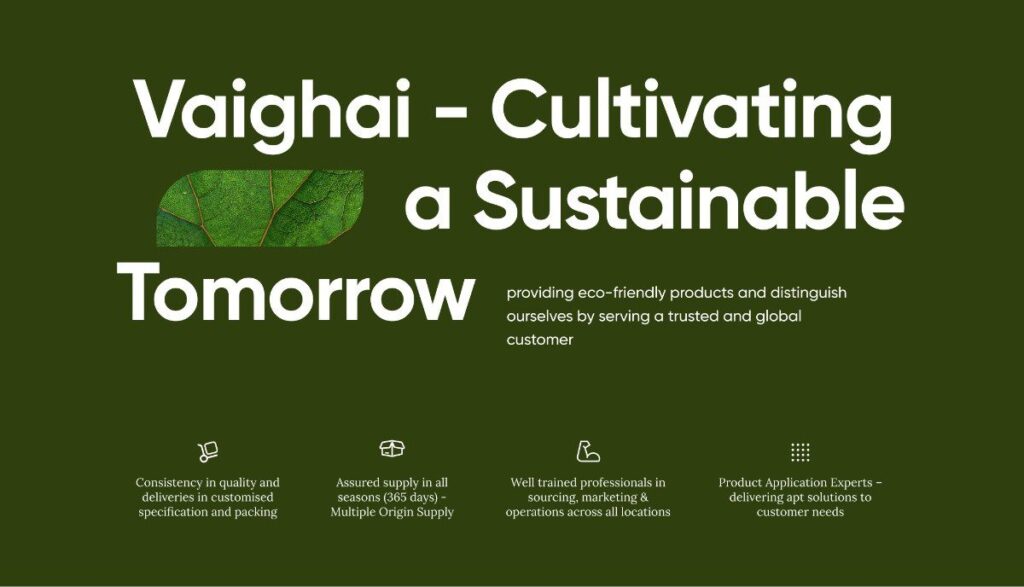
For example, Wings Design’s branding work for Vaighai demonstrates how brand identity can help communicate the positioning and character of a business in the agricultural sector.
3. Brand Messaging and Communication
How a business communicates is just as important as how it looks. Brand messaging defines the language used to express its value, personality and promise to customers.
This includes brand positioning statements, key messages, tone of voice, taglines and communication guidelines. Consistent messaging helps customers understand what the business offers, why it matters and what makes it different.
When visual identity and communication work together, the brand creates a more complete and credible impression. This becomes particularly important for businesses communicating across different industries, audiences and digital platforms. Explore how digital experiences differ across industries and why communication needs to reflect the expectations of each audience.
4. Brand Guidelines and Long-Term Consistency
A brand identity needs a system that makes it easy to implement and maintain. Brand guidelines establish how visual and verbal elements should be used across different applications.
These guidelines typically cover logo variations, typography, colour combinations, imagery, layouts, graphic elements and communication principles. They help internal teams, marketing departments and external partners maintain consistency without repeatedly interpreting the brand from scratch.
The long-term value of brand guidelines becomes clearer as a business grows. New campaigns, employees, marketing channels and business locations can follow the same identity system, protecting brand recognition as operations expand.
How Strong Branding Creates Long-Term Business Value
Branding should not be viewed as a one-time creative exercise. Its impact extends into how a business attracts customers, communicates its value and builds relationships over time.
Builds Recognition and Recall
Customers interact with brands across multiple channels before making decisions. A consistent identity helps them recognise a business more easily, whether they encounter it through a website, advertisement, social media post or physical product.
Distinctive visual elements and consistent messaging gradually create familiarity. Over time, this familiarity strengthens brand recall and helps businesses remain recognisable in crowded markets.
Establishes Trust and Credibility
First impressions influence how customers evaluate a business. Inconsistent visuals, unclear messaging and disconnected digital experiences can create uncertainty about a company’s credibility.
A professionally developed brand communicates attention to detail and a clear sense of purpose. When the identity is supported by consistent communication and a reliable customer experience, it helps establish confidence in the business.
Creates Differentiation in Competitive Markets
Businesses offering similar products or services often compete on more than functionality. Their reputation, positioning, personality and perceived value also influence customer decisions.
Strategic branding identifies what makes a company different and communicates that distinction clearly. Rather than relying on generic industry language or familiar visual trends, businesses can develop a more recognisable market position.
Supports Premium Positioning
Perceived value is influenced by how a business presents itself. A considered brand identity, clear positioning and consistent communication can help businesses establish a more premium market presence.
This does not mean using expensive-looking visuals or following design trends. It means creating a brand experience that reflects the quality, expertise and value the business delivers.

For instance, Wings Design’s branding work for Rajveda offers a relevant example of how visual identity can help shape a distinctive presence for a wellness brand.
Makes Business Expansion More Consistent
As organisations grow, their communication becomes more complex. New products, services, markets and customer segments introduce additional brand touchpoints.
A well-defined brand system provides consistency across these developments. It allows businesses to expand without losing the identity and positioning that customers already recognise.
Why Cheap Branding Can Become an Expensive Decision
Choosing branding based only on the lowest possible cost can overlook the strategic work required to build a meaningful identity. A logo created without research, positioning or a broader visual system may address an immediate requirement but leave businesses without the tools to communicate consistently.
As the business grows, these gaps often become more visible. Marketing materials may look disconnected, messaging may change between channels, and new design requirements may demand repeated creative work.
In some cases, businesses eventually need to revisit their entire identity to correct inconsistencies or align with a more mature market position. This makes it important to evaluate branding based on its strategic foundation, creative quality, usability and ability to support future needs.
The objective should not be to spend more on branding. It should be to invest in an identity that solves the right business problems and remains useful as the organisation evolves.
Branding vs Rebranding: Understanding the Difference
Branding and rebranding serve different business requirements. Branding establishes how a company presents itself, while rebranding revisits an existing identity to reflect a change in business direction, audience, positioning or market relevance.
A new business may need a complete identity system that communicates its purpose and creates an initial market presence. An established organisation may require rebranding because its current identity no longer reflects the quality of its offerings, its audience or its future ambitions.
Rebranding can involve changes to visual identity, messaging, positioning and digital experiences. However, a complete transformation is not always necessary. Sometimes, refining the existing identity and improving consistency across touchpoints can address the underlying problem.
The right approach depends on what the business needs to communicate and where its current brand experience falls short. A professional branding agency can help identify whether a business needs a complete repositioning or a more focused refinement of its existing identity.
How to Choose the Right Branding Agency
Selecting a branding agency is an important decision because the quality of the outcome depends on both strategic understanding and creative execution. Businesses should look beyond visual portfolios and assess how an agency approaches brand development.
Consider these factors when evaluating potential branding partners:
- Strategic understanding: Does the agency take time to understand your business, audience, competitors and long-term goals?
- Relevant experience: Does its portfolio demonstrate the ability to work across different industries, business models and brand challenges?
- Creative thinking: Can the agency develop distinctive visual identities rather than repeat familiar design styles?
- Complete brand systems: Does the work extend beyond logo design to include typography, colour, messaging and practical brand applications?
- Digital expertise: Can the agency translate the identity into websites, digital platforms and other customer experiences?
- Consistency and scalability: Will the brand system remain effective as the business expands into new channels and markets?
A strong branding agency should be able to explain the reasoning behind its creative decisions. The objective is not simply to produce something visually appealing, but to create a brand that works commercially and communicates with clarity.
Explore Wings Design’s creative work to see how brand thinking translates into visual identities and digital experiences across different business categories.
Why Branding and Digital Experience Should Work Together
A brand’s identity does not exist independently of the experiences customers have with it. Websites, mobile applications, digital campaigns and social media platforms are often where customers interact with a business most frequently.
If a company’s visual identity communicates premium quality but its website feels outdated or difficult to navigate, the overall experience becomes inconsistent. The same applies when messaging, layouts and visual elements differ significantly between platforms.
This makes the relationship between branding and digital experience increasingly important. A cohesive approach ensures that the brand’s positioning carries through into its website design, user experience and digital communication.
Businesses planning a new identity should therefore consider how it will translate into their digital presence. Professional UI/UX design services help ensure that digital interactions reflect the brand’s purpose, while website design and development bring its visual language and communication together in a functional digital experience.
When Should a Business Invest in Branding?
There is no single stage at which every business needs to invest in branding. However, certain business developments make it particularly important to review how the brand is positioned and perceived.
A new business needs an identity that establishes recognition and communicates its purpose. A growing company may need a more structured brand system to support additional products, services and marketing channels. An established organisation entering new markets may need to refine its positioning to connect with different audiences.
Other situations include mergers, changes in leadership, product launches, shifts in business strategy and declining relevance in a competitive market.
Rather than waiting until branding becomes a problem, businesses should periodically evaluate whether their identity still reflects their ambitions, offerings and customer expectations.
Final Thoughts: Look at Branding as a Business Investment
The question of how much branding costs becomes more meaningful when businesses understand what they are investing in. A brand is not defined by its logo or the number of design assets it contains. Its value comes from the strategy, consistency and experience that shape how people perceive and interact with a business.
A well-developed brand helps establish recognition, communicate differentiation, build trust and support long-term growth. More importantly, it creates a foundation that businesses can build on as their markets, offerings and ambitions evolve.
At Wings Design, branding is approached as part of a broader digital experience. From strategic thinking and visual identity to digital touchpoints, the focus is on creating cohesive brand experiences that communicate with purpose and remain relevant as businesses grow.
If your brand no longer reflects the value your business delivers, it may be time to rethink how it is positioned and experienced.
Explore Wings Design’s branding services to build a brand with a clearer identity and a stronger direction.