


A business website is more than a digital presence. It is a central part of how customers discover a brand, understand its offerings, evaluate its credibility and decide whether to engage with it. For a growing business, a website must do more than communicate what the company does today. It should also support where the business intends to go tomorrow.
Many businesses approach website development with an immediate requirement: launch a website, showcase services and start generating enquiries. While these are valid objectives, a website built only around present needs can quickly become restrictive. New services, changing customer expectations, expanding markets and increasing content requirements can expose limitations in its structure, functionality and technology.
This is why website planning deserves as much attention as design and development. A well-planned website connects business objectives with user expectations, creates a clear content structure and establishes a technology foundation that can evolve alongside the organisation. Whether you are building your first business website or considering a complete redesign, having a defined strategy can make the difference between a website that simply exists and one that actively contributes to business growth.
As businesses increasingly invest in connected digital experiences, it is important to look beyond individual web pages and consider how every interaction contributes to the overall brand experience. Explore how digital experiences are shaping modern businesses to understand why this approach matters.

Explore Obsessions, a premium home décor eCommerce website designed by Wings in Delhi, India.
1. Start by Defining What Your Website Needs to Achieve
Before thinking about layouts, colours or technology platforms, establish what your website needs to accomplish. A website should serve a clear business purpose rather than simply replicate information from brochures or existing marketing materials.
For some businesses, the primary objective may be generating qualified enquiries. For others, it could involve building brand awareness, attracting investors, showcasing a portfolio, supporting ecommerce transactions or educating potential customers. These objectives influence everything from the homepage structure to the calls to action and the information visitors should encounter.
Start by identifying your most important business goals. Consider where your company currently stands, which audiences you want to reach and what actions you expect visitors to take. If lead generation is a priority, the website should make services easy to understand and enquiries easy to initiate. If brand positioning matters more, the experience should communicate your value proposition, expertise and differentiation consistently.
It is equally important to establish measurable indicators of success. These could include qualified enquiries, conversion rates, product purchases, consultation bookings, organic search traffic or engagement with important pages. Defining these indicators early gives your website a measurable purpose and helps guide future improvements.
A website should also communicate a consistent brand experience across every interaction. From visual identity to messaging, every element should reinforce how the business wants to be perceived. A thoughtful branding strategy helps establish this consistency while making the website an extension of the brand rather than an isolated marketing asset.
2. Understand Your Target Audience and Their Expectations
A successful website is designed around the people who use it, not just the organisation that owns it. Understanding your audience helps determine what information to prioritise, how to organise content and how to create an experience that feels relevant to different visitors.
Begin by identifying your primary audience groups. A B2B company, for example, may need to address business owners, procurement teams, technical decision-makers and senior management. Each group may evaluate the same service from a different perspective. While one visitor may prioritise technical capabilities, another may look for business outcomes, industry experience or implementation timelines.
Next, consider what brings these visitors to your website. Are they comparing service providers, researching a specific problem, looking for product information or trying to understand whether your company is credible? Mapping these motivations helps establish the content and functionality required across the website.
User journey mapping can make this process more practical. Outline the steps visitors are likely to take, from discovering your business to evaluating your offerings and making an enquiry. Identify potential points of confusion, missing information and unnecessary interactions along the way.
This is where UI/UX design becomes an important part of website planning. A well-considered user experience connects audience expectations with intuitive navigation, meaningful content hierarchy and purposeful interactions. When these elements work together, visitors can find relevant information more easily and move towards their intended actions.
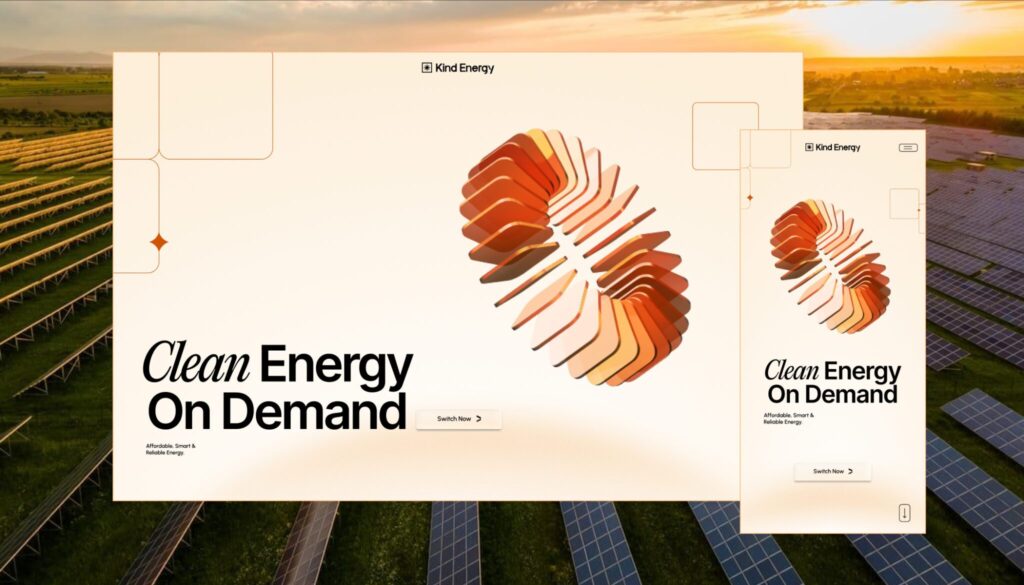
Explore Kind Energy, a clean energy website design and development project by Wings in Surat, India.
3. Research Competitors and Identify Your Differentiation
Competitor research provides valuable context for planning a website. It helps you understand how similar businesses communicate their offerings, structure their websites and present their expertise to potential customers.
Review competitors across several areas, including website navigation, visual identity, service presentation, content quality, mobile experience and conversion pathways. Pay attention to how they introduce their business, explain their value proposition and build trust through case studies, testimonials, certifications or project portfolios.
However, competitor research should not become an exercise in imitation. A website that closely resembles every other business in its category makes it harder for visitors to understand what makes your organisation different.
Instead, identify opportunities to communicate your strengths more effectively. This could involve presenting complex services in a simpler way, offering deeper industry insights, showcasing measurable project outcomes or creating a more engaging digital experience.
Your website should reflect your business positioning rather than follow category conventions without question. This is particularly important for growing companies looking to move into new markets, attract larger clients or establish a more distinctive brand presence.
A strong brand identity plays an important role in this process. Read Brand Identity Design: How to Build a Brand People Recognise and Remember to understand how strategic identity decisions influence brand perception across digital touchpoints.
4. Build a Clear Website Structure and Sitemap
Once your business objectives and audience requirements are established, the next step is defining the website’s information architecture. This involves organising pages and content into a logical structure that makes information easy to discover.
A sitemap provides a high-level view of how different sections of your website connect. It helps determine which pages are essential, how visitors will navigate between them and where additional content may be introduced as the business expands.
A typical business website may include:
- Homepage: Introduces the business, its core offerings and primary value proposition.
- About Us: Communicates company background, expertise, values and positioning.
- Services or Products: Explains individual offerings, capabilities and benefits.
- Industries: Highlights experience and solutions relevant to specific sectors.
- Work or Case Studies: Demonstrates expertise through completed projects and outcomes.
- Insights or Resources: Provides educational content and supports organic search visibility.
- Contact: Makes it easy for potential customers to initiate conversations.
The exact structure should reflect your business model and customer journey. A technology company may require detailed solution pages, while an ecommerce business may need product categories, filters and dedicated purchase journeys.
Think beyond the initial launch when creating your sitemap. If you expect to introduce new services, target additional industries or expand internationally, the website structure should accommodate those developments without requiring a complete rebuild.
A well-organised information architecture also supports SEO by helping search engines understand the relationship between pages and the topics your website covers. Explore Wings Design’s website development capabilities to understand how strategy, structure, design and engineering come together in a business website.
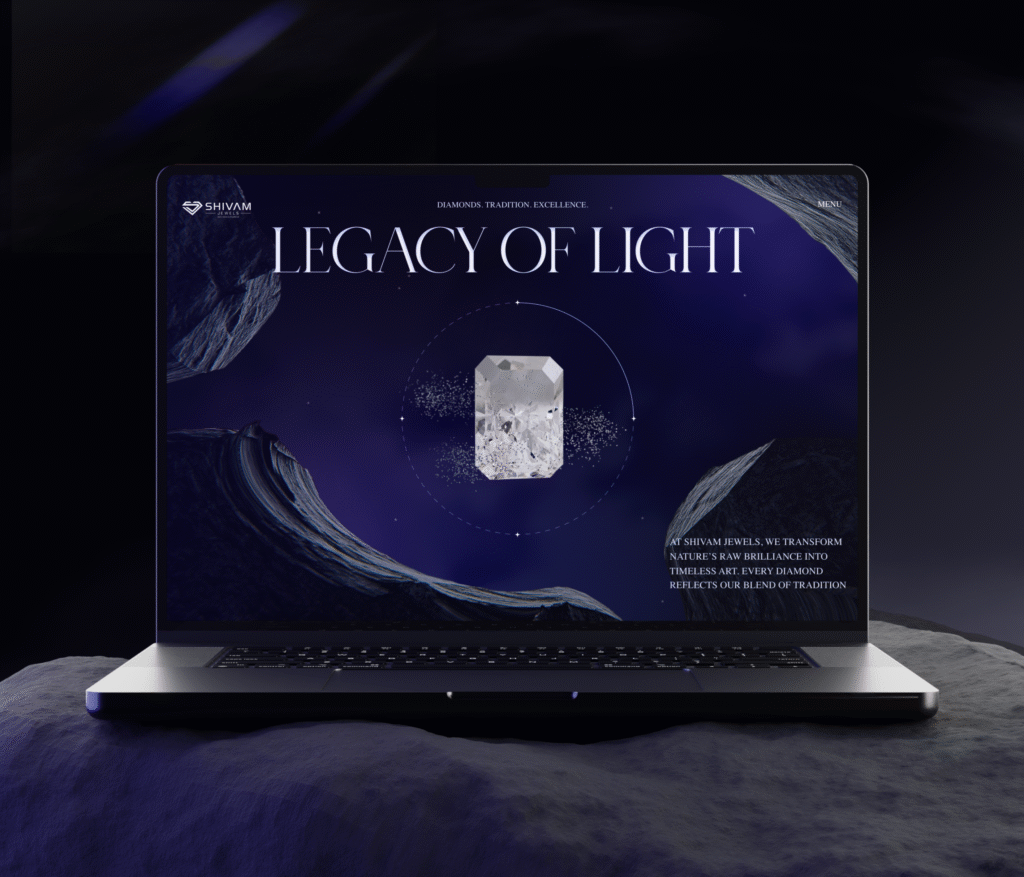
Discover Shivam Jewels, an immersive B2B website design project by Wings in Mumbai, India.
5. Develop a Content Strategy Before Designing the Website
Content is one of the most important elements of website planning, yet it is often left until the design stage is nearly complete. This can lead to layouts that do not accommodate actual content requirements, unclear messaging and inconsistent page experiences.
Start by identifying the information visitors need at different stages of their decision-making process. Someone discovering your company for the first time may need a clear introduction to your services, while a potential customer comparing providers may look for case studies, technical capabilities, pricing information or answers to specific questions.
Develop a content plan for each important page. Define its purpose, primary message, supporting information, target keywords and desired visitor action.
For example, a service page should do more than list what your company offers. It should explain the problem being addressed, outline your approach, communicate the value delivered and provide relevant proof of expertise.
SEO should also be considered during content planning rather than added after the website is developed. Research the search terms your audience uses, understand the intent behind those searches and map relevant keywords to appropriate pages. This helps avoid keyword overlap and gives every important page a clear search purpose.
For growing businesses, a scalable content strategy is equally important. Plan for future blog articles, industry pages, project updates, resource libraries and location-specific landing pages where relevant. A content management system should make it practical to publish and maintain this information without requiring extensive development support.
You can explore more perspectives on website strategy, design and digital growth through the Wings Design Insights library.
6. Choose the Right Technology and Website Platform
The technology behind your website determines how easily it can be managed, updated and expanded. Choosing a platform based solely on initial development cost or popularity can create limitations as your business evolves.
Consider your website’s functionality, content requirements, internal resources and long-term plans before selecting a technology stack.
For example, Webflow development can be suitable for businesses that prioritise visual flexibility, structured content management and streamlined website publishing. WordPress offers a broad ecosystem of themes, plugins and customisation options. Shopify is purpose-built for ecommerce businesses that need product management, payment integration and online store functionality.
The right platform depends on what your business needs rather than which technology is currently trending.
Evaluate the following factors before making a decision:
- Scalability: Can the platform support additional pages, services, products and functionality?
- Content management: Can your internal team update content without depending on developers for every change?
- Integrations: Does it connect with your CRM, marketing automation, analytics and other business systems?
- Performance: Can the website deliver fast, reliable experiences as traffic increases?
- Security: Does the platform support appropriate security practices, updates and maintenance?
- Flexibility: Can the website accommodate future changes without extensive redevelopment?
A technology decision should support both present requirements and anticipated business growth. The objective is not to choose the most complicated solution, but to establish a reliable foundation that can evolve without unnecessary technical debt.
7. Prioritise User Experience and Responsive Design
A website may have strong content and an attractive visual identity, but if visitors struggle to navigate it, its effectiveness is limited. User experience design ensures that the website is intuitive, accessible and aligned with the needs of its audience.
Start with navigation. Visitors should be able to understand where they are, what information is available and how to reach important sections without unnecessary effort. Keep navigation labels clear, organise related information logically and make important actions easy to identify.
Visual hierarchy is equally important. Typography, spacing, imagery, colour and page composition should guide attention towards the most relevant information. Instead of presenting everything with equal emphasis, establish a clear order that helps visitors understand the message.
Responsive design should be considered from the beginning. Customers may discover your business through mobile search, browse services on a tablet or evaluate your company on a desktop. The experience should remain consistent and functional across screen sizes.
This requires more than shrinking desktop layouts. Content hierarchy, navigation, image proportions, interaction patterns and calls to action should all be considered for smaller screens.
Accessibility should also form part of the design process. Readable typography, sufficient colour contrast, meaningful image descriptions, keyboard accessibility and clearly labelled forms help make the website usable for a wider audience.
Ultimately, effective UX design reduces friction between what visitors want to accomplish and how easily they can do it. Read Why Good UX Design Is a Business Advantage, Not Just a Design Choice for more on how user experience influences business outcomes.

Explore Culture Essentials, a culture and heritage digital experience by Wings in Delhi, India.
8. Plan Your Website Around SEO From the Beginning
Search engine optimisation should be integrated into website planning, not treated as a final checklist before launch. The decisions made during the early stages of development influence how search engines discover, understand and index your website.
Begin with keyword research and search intent analysis. Identify the topics your potential customers search for and determine which pages should address those requirements. A service page, for instance, should target relevant commercial searches, while an educational blog can address broader informational questions.
Establish a logical URL structure that reflects your website’s hierarchy. Keep URLs descriptive, concise and consistent. Create unique title tags and meta descriptions for important pages, and ensure headings communicate a clear content hierarchy.
Technical SEO considerations should also be incorporated into development. These include:
- Mobile-friendly page layouts and responsive functionality.
- Fast-loading pages and optimised images.
- Clean URL structures and appropriate canonical tags.
- XML sitemap configuration and robots.txt management.
- Structured data where relevant.
- Internal linking between related pages.
- Proper redirects when replacing or restructuring existing URLs.
- Secure HTTPS implementation.
If you are redesigning an existing website, migration planning becomes particularly important. Existing URLs may already have search visibility, backlinks and organic traffic. Mapping old URLs to their relevant replacements and implementing appropriate 301 redirects helps preserve continuity during the transition.
For businesses planning a redesign, How to Plan a Website Redesign Without Losing SEO Rankings offers additional guidance on protecting organic visibility during the process.
A website built with SEO in mind has a stronger foundation for long-term organic visibility and discoverability.
9. Design for Conversion, Not Just Aesthetics
A website should encourage visitors to take meaningful actions. These actions may include submitting an enquiry, booking a consultation, requesting a quotation, purchasing a product or downloading a resource.
Conversion planning begins with understanding what action matters most on each page. A homepage may encourage visitors to explore services or view selected work, while a dedicated service page may focus on generating enquiries.
Calls to action should be clear, relevant and appropriately positioned. Avoid overwhelming visitors with multiple competing instructions. Instead, establish a primary action and provide supporting pathways where necessary.
Forms also deserve careful consideration. Request only the information needed to initiate a useful conversation. Long forms with unnecessary fields can discourage potential customers, particularly on mobile devices.
Trust signals play an important role in conversion as well. Testimonials, client logos, certifications, project outcomes and detailed case studies can help visitors evaluate your credibility before making contact.
For B2B businesses, the website should answer important questions before a sales conversation begins. Clear service descriptions, industry expertise, project examples and a well-defined process can help attract more informed enquiries.
Your website often makes the first impression before your sales team gets involved. Read Your Website Is Your First Sales Pitch. Is It Convincing? to understand how website messaging and design influence customer decisions.
10. Prepare for Integrations and Business Automation
As a company grows, its website often becomes connected to a wider digital ecosystem. It may need to communicate with customer relationship management systems, marketing platforms, payment gateways, booking tools, analytics software and internal business applications.
Planning these integrations early helps avoid disconnected systems and repetitive manual processes.
For example, a lead generation website can connect enquiry forms to a CRM, allowing sales teams to organise incoming leads, track interactions and manage follow-ups. An ecommerce website may integrate payment gateways, inventory systems and shipping platforms to streamline order management.
Marketing integrations can also support more informed decisions. Analytics tools help businesses understand visitor behaviour, while marketing automation platforms can support email campaigns and lead nurturing.
Before selecting integrations, identify the processes that need to be supported and determine which systems should exchange information. Consider data security, access permissions, maintenance requirements and the potential impact of third-party services on website performance.
A well-connected website can become a more effective part of your business operations rather than functioning as an isolated marketing channel. Explore the services offered by Wings Design to see how website design, development, ecommerce and digital strategy can work together.

Discover Pureforma, an immersive skincare eCommerce website designed by Wings in Bangalore, India.
11. Establish a Realistic Website Development Timeline and Budget
Website development involves several interconnected stages, and each requires adequate time and resources. Establishing a realistic timeline and budget helps businesses plan effectively and avoid unnecessary delays.
A typical website project includes discovery, research, information architecture, content development, visual design, development, testing and launch. The duration depends on factors such as website complexity, number of pages, custom functionality, content readiness and stakeholder involvement.
Budget planning should consider more than the initial design and development investment. Account for ongoing expenses such as hosting, domain renewal, platform subscriptions, third-party integrations, security maintenance, content updates and future enhancements.
It is also useful to distinguish between essential launch requirements and features that can be introduced later. A phased development approach can help businesses launch a strong initial website while continuing to improve functionality based on actual user behaviour and business priorities.
For example, the first release may focus on core service pages, lead generation and essential integrations. Subsequent phases could introduce advanced content resources, additional landing pages, interactive features or more sophisticated automation.
This approach keeps development aligned with business priorities without compromising the long-term direction of the website.
12. Test, Launch and Continuously Improve
Launching a website is not the end of the planning process. It marks the beginning of its operational life, during which performance, user behaviour and changing business requirements should inform ongoing improvements.
Before launch, conduct a comprehensive quality assurance process. Test the website across different browsers, devices and screen sizes. Check navigation, forms, links, interactive elements and integrations. Review content for consistency, verify metadata and ensure that tracking tools are configured correctly.
Pay particular attention to technical performance. Optimise image sizes, check loading behaviour and review Core Web Vitals. Confirm that important pages can be crawled and indexed, and ensure that redirects work correctly if the website replaces an existing version.
After launch, use analytics and search performance data to understand how visitors interact with the website. Identify pages attracting organic traffic, evaluate conversion pathways and look for areas where visitors may be dropping off.
Establish a regular review process to update content, improve underperforming pages, introduce new features and address technical issues. As your company expands, your website should evolve alongside its products, services, markets and customer expectations.
Continuous improvement ensures that the website remains relevant and effective long after its initial launch.
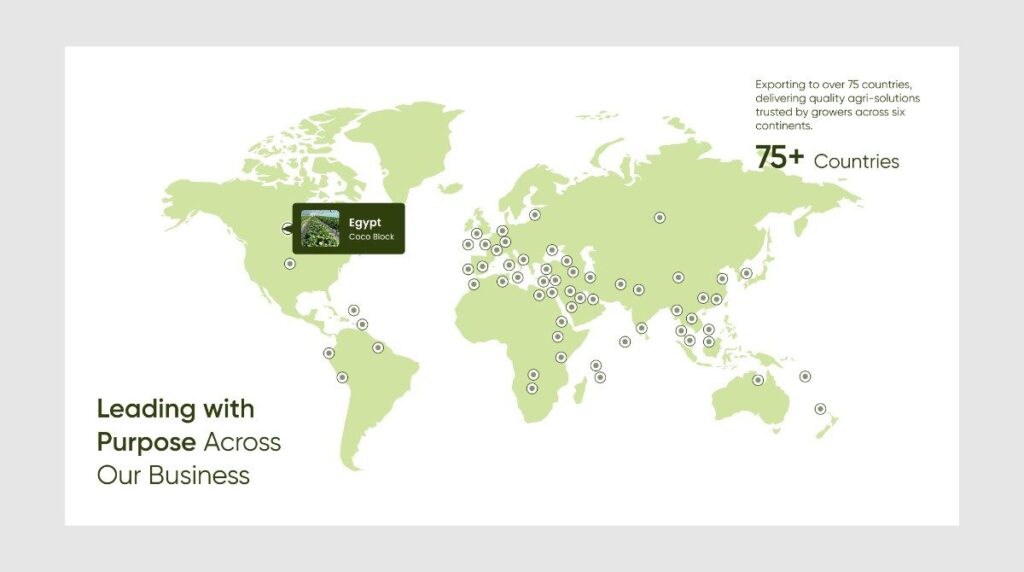
Explore Vaighai, a branding and digital experience project by Wings in Madurai, India.
Common Website Planning Mistakes Growing Businesses Should Avoid
Even with a clear objective, certain planning mistakes can limit a website’s effectiveness. Recognising these issues early can help prevent unnecessary redesigns and development costs.
Designing without a defined strategy: Starting with visual references before establishing business objectives can result in an attractive website that lacks direction.
Ignoring the mobile experience: A desktop-first approach can create navigation and usability problems for visitors using mobile devices.
Treating SEO as an afterthought: Adding keywords after development cannot compensate for poor information architecture, weak content planning or technical limitations.
Choosing technology based only on cost: An inexpensive platform may become restrictive if it cannot support the business’s future functionality and content requirements.
Overcomplicating navigation: Too many sections, unclear labels and poorly organised content make it harder for visitors to find relevant information.
Underestimating ongoing maintenance: Websites require regular updates, security checks, performance monitoring and content improvements to remain effective.
Building only for current requirements: A website that cannot accommodate new services, markets or content types may require significant redevelopment sooner than expected.
Avoiding these mistakes helps create a website that is easier to manage, more useful to customers and better equipped for long-term growth.
Conclusion: Build a Website That Grows With Your Business
Planning a website for a growing business requires more than choosing a design style or development platform. It involves understanding business objectives, identifying audience expectations, organising information, establishing a content strategy and selecting technology that supports future requirements.
Every decision, from website architecture and user experience to SEO and integrations, contributes to how effectively the website supports the organisation. When these elements are considered together, the result is a digital experience that communicates value, builds credibility and creates opportunities for business growth.
The most effective websites are not necessarily the ones with the most features. They are the ones built around a clear purpose, designed for real users and structured to adapt as the business evolves.
At Wings Design, we approach website design and development through a combination of strategy, user experience, visual design and technology. From defining the digital direction to creating scalable websites, the focus is on building experiences that reflect business ambitions and deliver lasting value.
Planning a new website or considering a redesign? Explore Wings Design’s website design and development capabilities and build a digital foundation for what’s next.