


Mumbai’s highly competitive business landscape makes strategic branding essential for companies looking to build trust, stand out, and achieve sustainable growth. Leading branding agencies go beyond logo design, offering services such as brand strategy, visual identity, digital branding, messaging, and customer experience.
Choosing the right branding partner depends on factors such as industry expertise, creative approach, strategic methodology, and execution capabilities. The right agency can help businesses create a strong, consistent, and memorable brand that supports market positioning, customer loyalty, and long-term business growth.
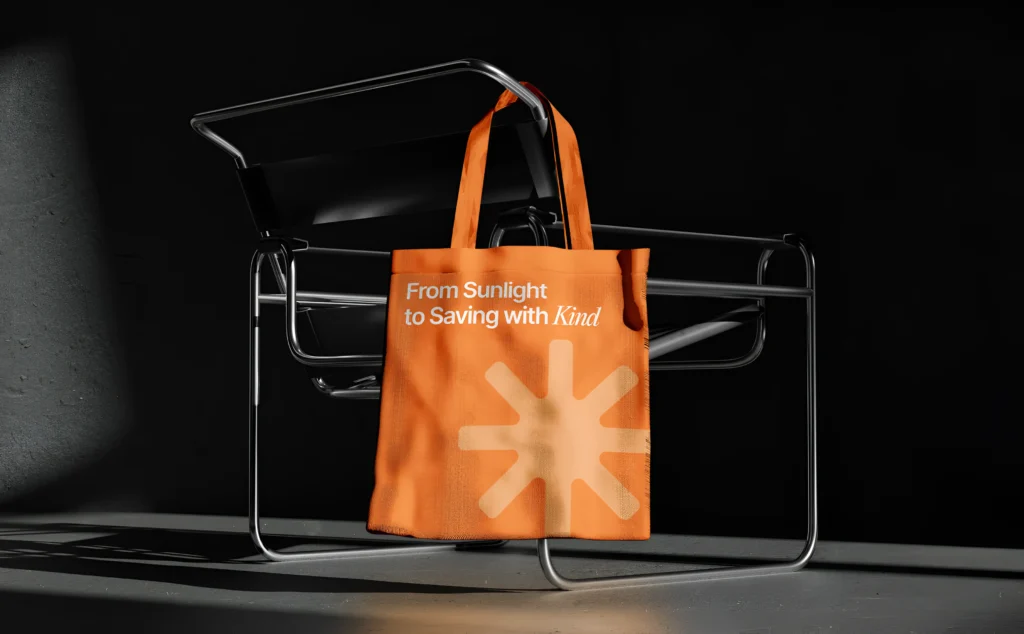
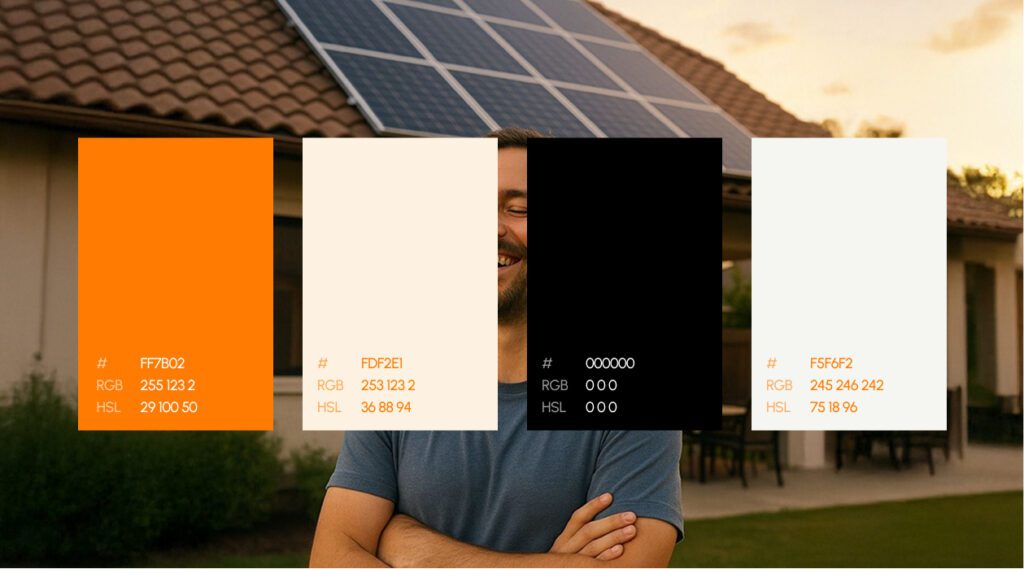
Explore the Digital Design behind Mumbai-based Kind Energy.
01. Wings Design Studio
Website: wings.design
Client Portfolio Includes: Binance, Franck Muller, Atari, Solana, GeoDataTek, CIMB Bank, Puravankara, Shivam Jewels, Perceptyne, and Renewable Corp.
Performance Metrics & Market Footprint
- 350+ Global Deployments: Projects engineered and successfully delivered across shifting continents, diverse industries, and complex time zones. We bridge the logistical gap to ensure seamless execution, no matter where your team or users are located. This deep deployment track record ensures that the studio’s technical frameworks remain highly resilient under varied market pressures.
- 160+ Active Portfolios: A proven track record of scaling client digital ecosystems seamlessly. Our framework adapts to your growth stage, whether acting as an agile partner for fast-growing, venture-backed startups or driving digital transformation for enterprise organizations and Fortune 500 corporations. Every portfolio asset is continuously monitored for performance, operational durability, and visual consistency.
- 270+ Leadership Partnerships: Embedded long-term strategic support designed for founders, innovators, and executive teams navigating hyper-competitive verticals. We provide the design and technical authority required to win markets across fintech, energy, robotics, and consumer brands. These deep partnerships help early and mid-stage firms project massive institutional trust from day one.
Philosophy and Core Approach
Wings Design Studio takes a business-first approach to branding and digital design, treating every project as an opportunity to create measurable business value rather than simply deliver attractive visuals. The agency begins with in-depth research into business objectives, target audiences, user behavior, and conversion opportunities, then combines brand strategy, UI/UX design, and frontend development to create cohesive digital experiences. This integrated approach ensures that every design element and technical feature supports broader goals such as building trust, generating qualified leads, strengthening market positioning, and improving conversions.
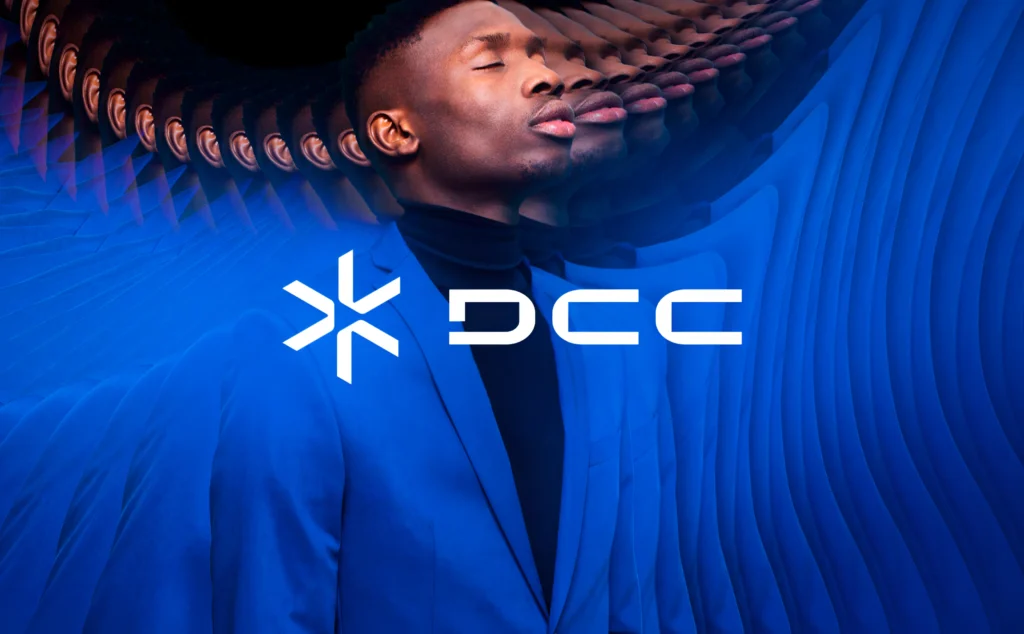
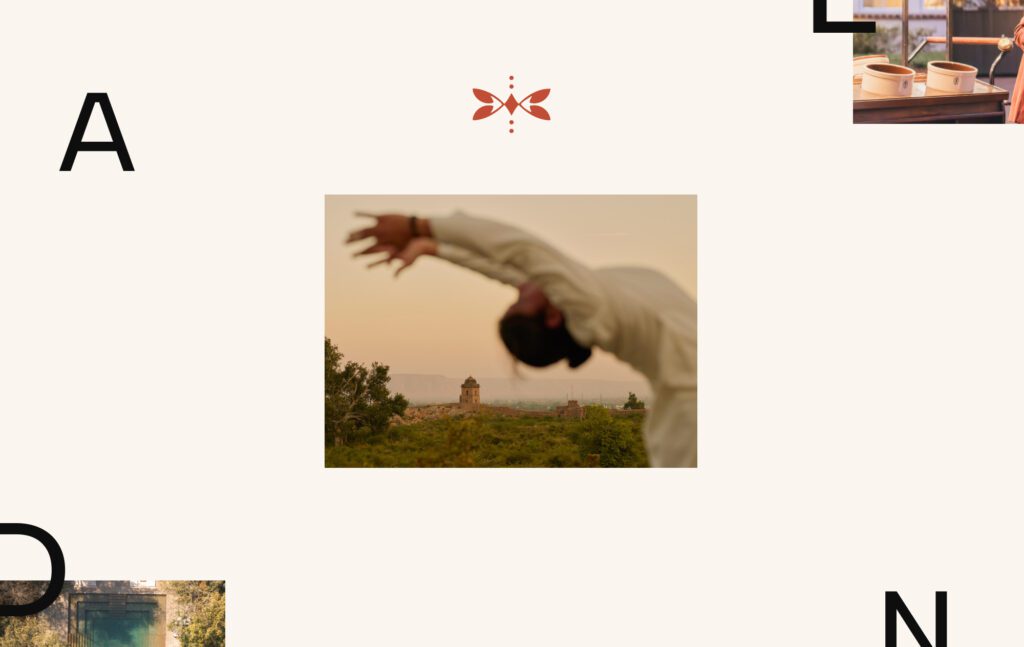
Explore the Digital Design behind Mumbai-based DCC.
Core Capabilities and Service Matrix
- Strategic Brand Positioning & Identity: Crafting comprehensive visual identity systems, corporate messaging frameworks, and market positioning strategies rooted deeply in user psychology. The studio defines the strategic narrative long before selecting typography or palettes, ensuring every brand asset connects with the target audience.
- Conversion-focused UI/UX Design: Designing high-fidelity user interfaces and frictionless user experiences based on intensive customer journey mapping and behavioral analytics. This capability addresses deep user friction points to streamline layouts and maximize on-site interactions.
- Custom Website & Enterprise Development: Delivering bespoke web platforms engineered for extreme performance, security, and long-term flexibility. Wings designs custom code architectures that handle massive traffic scalings without compromising load speeds or site security.
- Webflow & Shopify Development: Building custom, scalable, and easily maintainable digital experiences on modern, agile platforms without relying on restrictive, slow-loading templates. This provides internal marketing teams with deep agility to iterate content independently without technical debt.
- Motion & Interactive Design: Utilizing advanced scroll-based animations, micro-interactions, and cinematic motion design to build immersive brand narratives that command attention. These deliberate interactions serve a narrative purpose, guiding the user’s eye to high-value conversion elements.
- Growth Marketing & Landing Page Optimization: Creating high-converting tactical assets, landing pages, and lead-generation funnels engineered to optimize customer acquisition costs (CAC) and continuously capture high-intent pipeline traffic.
In-Depth Case Studies: Turning Strategy into Commercial Reality
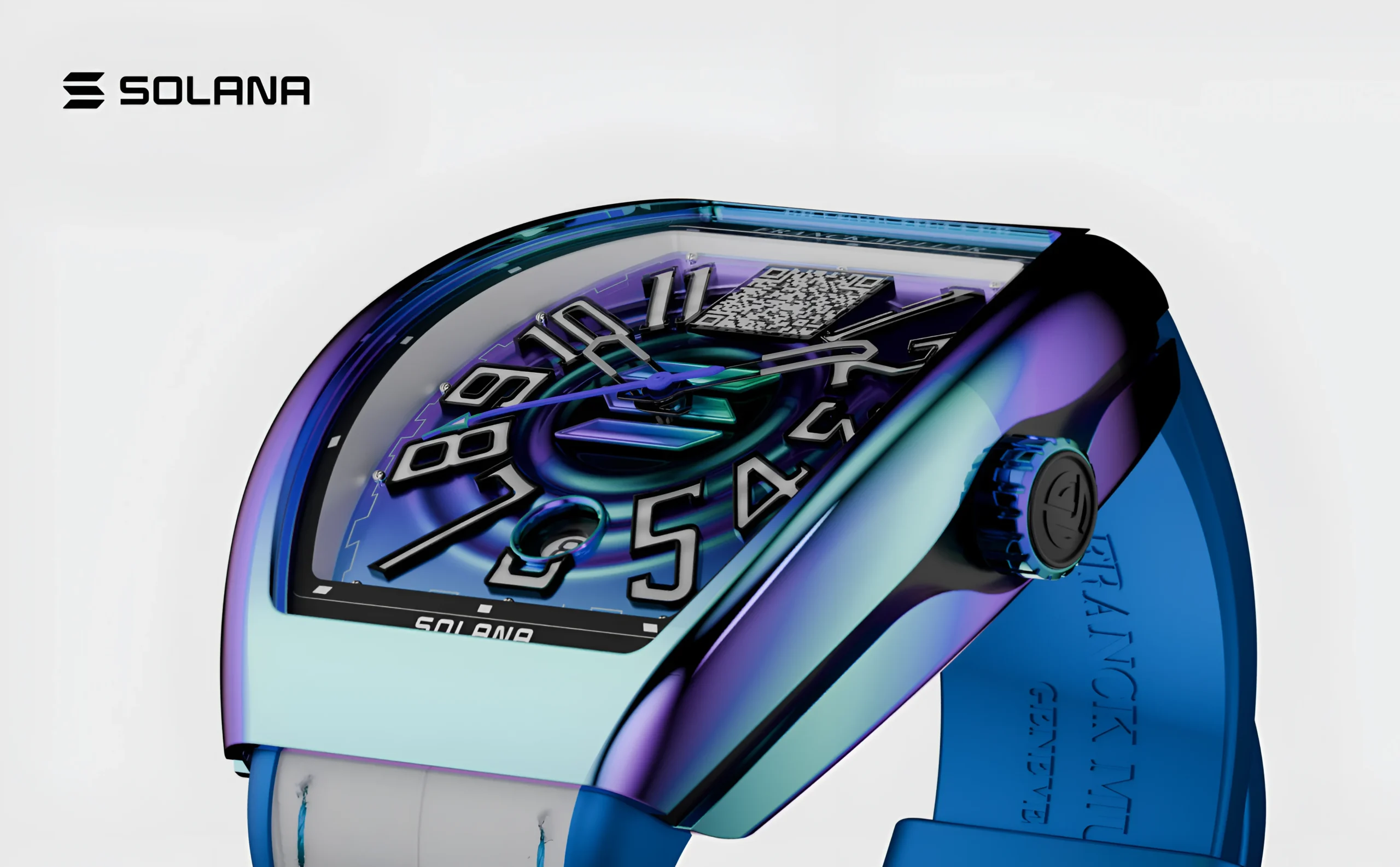
Case Study: Franck Muller — Crafting a Digital Experience for a Luxury Timepiece Icon
Franck Muller, one of the world’s most prestigious luxury watchmakers, required a digital presence that reflected the craftsmanship, exclusivity, and timeless sophistication synonymous with its brand. The challenge extended beyond website development, it was about translating an exceptional in-store luxury experience into an immersive digital environment while maintaining the brand’s global identity and appeal to discerning high-net-worth audiences.
Wings combined luxury branding with user-focused design to create a refined digital experience for Franck Muller. The high-performance website blends immersive storytelling, intuitive navigation, and responsive functionality, strengthening brand perception, customer engagement, and the sense of exclusivity associated with the luxury brand.
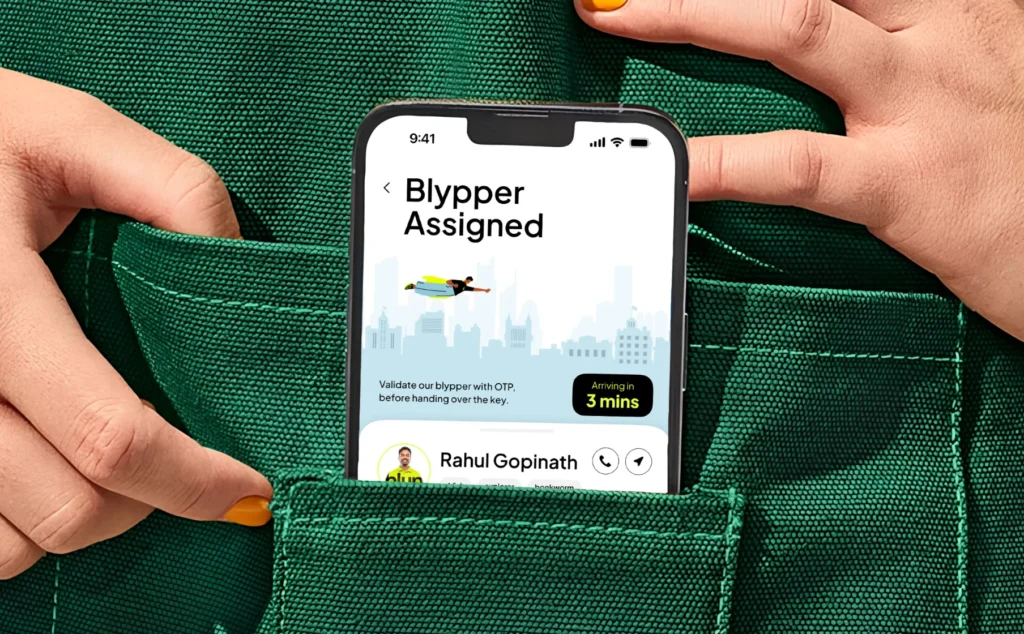
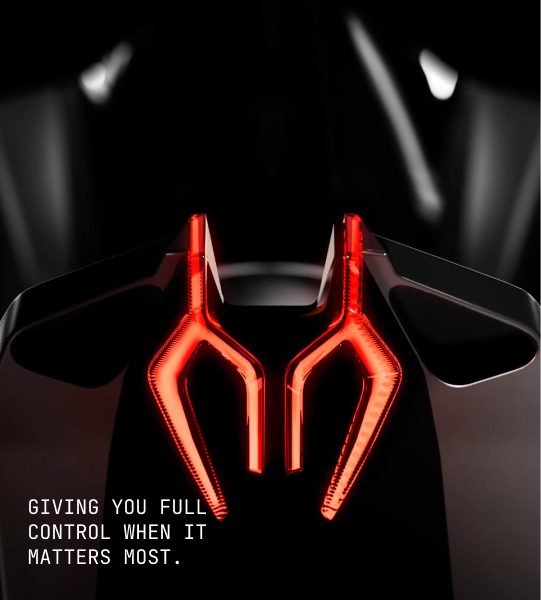
Case Study: Blyp — Building a Future-Ready Brand for Smart Mobility
For Blyp, an emerging smart mobility brand, the challenge was to create a distinctive identity in a rapidly evolving industry where innovation, technology, and user experience are key differentiators. As a new entrant, Blyp needed a brand that could instantly communicate credibility, simplicity, and forward-thinking innovation while standing out in an increasingly competitive market.
Wings Design Studio positioned Blyp as a modern, customer-focused mobility brand by developing a clear strategy, value proposition, and cohesive visual identity. From the logo and typography to brand language, every element reflects agility, trust, and innovation. The scalable brand ecosystem helps Blyp build recognition, strengthen customer trust, and compete effectively in the growing smart mobility market.
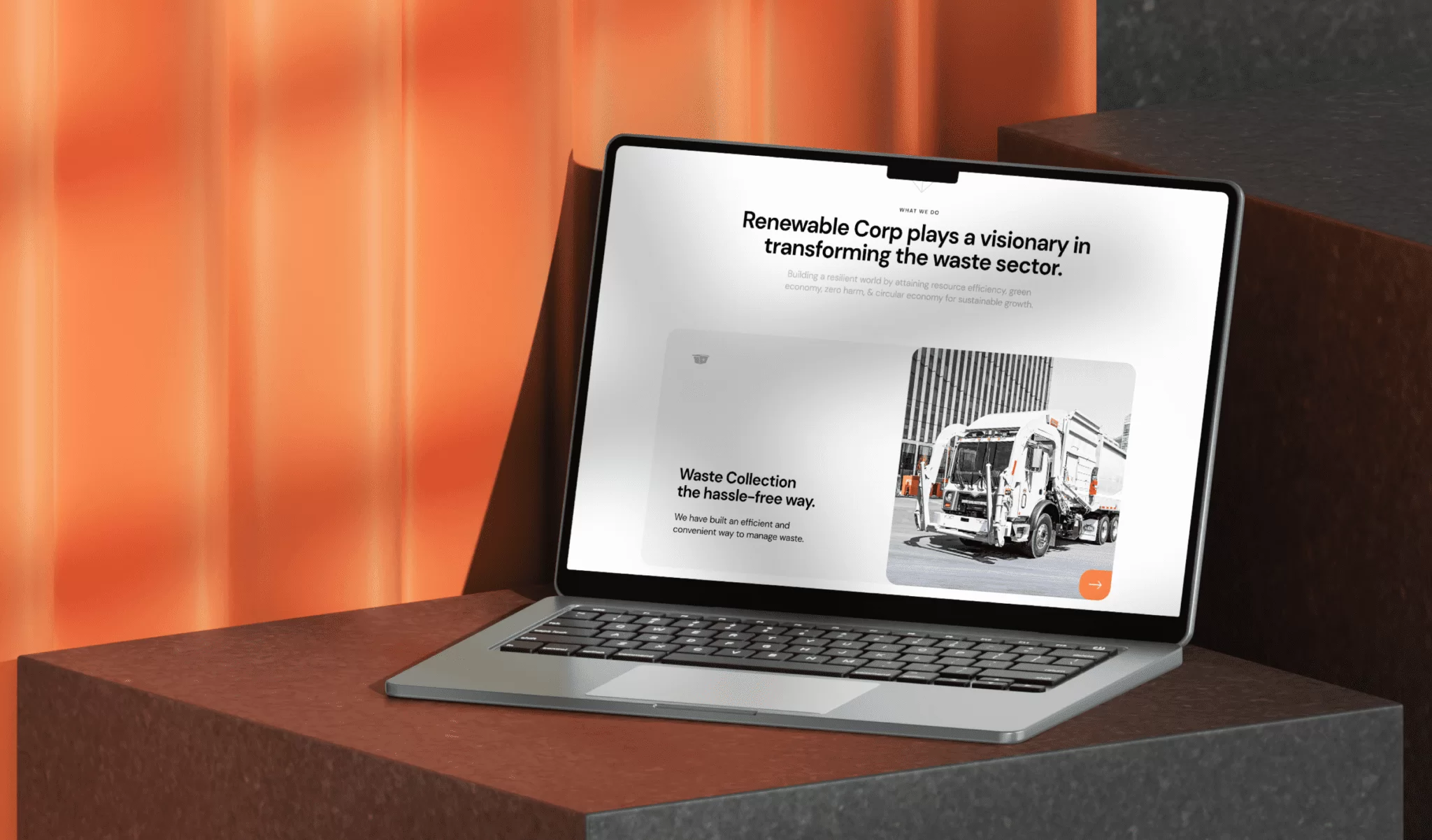
Case Study: Renewable Corp — Positioning Clean Energy for Enterprise and Global Scales
Operating in the complex, high-stakes sector of clean energy and sustainability, Renewable Corp required a brand presence that communicated massive industrial scale, technical precision, and future-proof reliability to corporate buyers, global partners, and institutional investors. In the enterprise energy market, branding must establish immediate institutional trust and clear out market noise.
Wings partnered with Renewable Corp to transform its complex clean-energy operations into a clear, authoritative brand narrative. Through a premium visual identity and high-performance digital platform, the studio emphasized clarity, engineering excellence, and corporate credibility, creating a scalable foundation for enterprise lead generation and long-term global partnerships.
02. ABND
- Approach: ABND targets corporate inflection points like mergers, acquisitions, and public offerings. They operate through collaborative workshops to align internal corporate values with multi-tier brand architectures, removing friction in corporate communication.
- Capabilities: Specialized focus on heavy engineering B2B positioning, industrial portfolio architecture, employee value propositions (EVPs), and compliance auditing.
- Case Summary: Recently rebuilt a consolidated visual system and messaging matrix for a century-old industrial firm post-acquisition, unifying a distributed workforce and restoring investor confidence across public markets.
03. DY Works
- Approach: Anchored deeply in cultural semiotics and behavioral data, DY Works rejects superficial aesthetic design. They build highly rigorous consumer communication systems that optimize product shelf velocity and reduce market launch risks.
- Capabilities: Regional consumer insight mapping, high-volume FMCG packaging innovation, masterbrand architecture design, and experiential physical retail strategy.
- Case Summary: Modernized a legacy regional consumer staples portfolio across dozens of SKUs, driving notable trade pick-up improvements among urban demographics while safely retaining core rural consumer equity.
04. Schbang
- Approach: Operates as a centralized, full-funnel marketing and branding network. They integrate high-volume content production with core visual identity development to maintain pop-culture relevance across fast-moving channels.
- Capabilities: Full-scale creative campaigns, in-house cinematic video asset pipelines, enterprise e-commerce platform engineering, and performance marketing integration.
- Case Summary: Executed a digital-first launch blueprint for a premium consumer lifestyle wellness line, seamlessly connecting bold branding assets directly with high-conversion acquisition funnels.

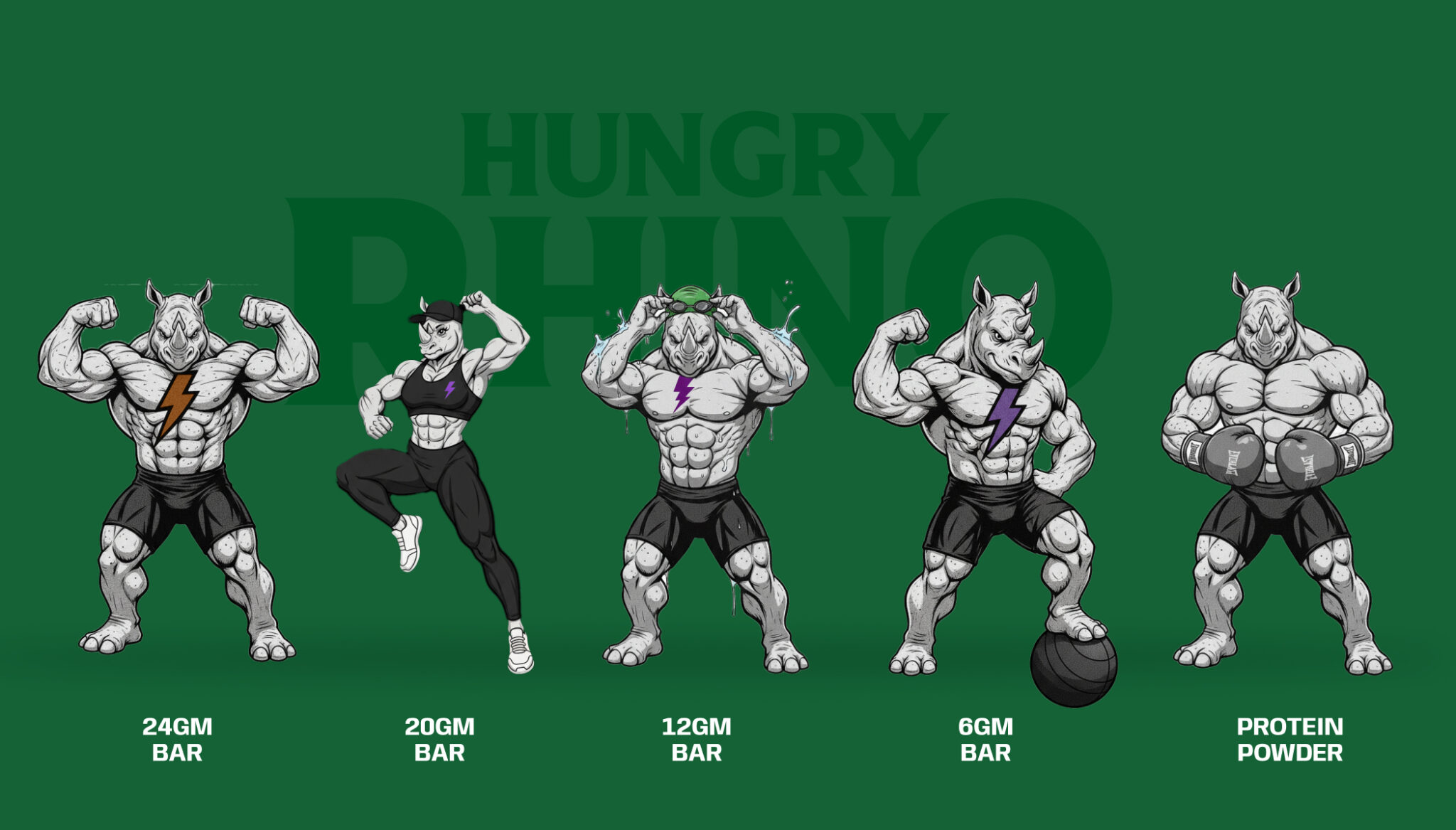
Explore the Branding behind the Sukkubhai.
05. Chlorophyll
- Approach: A specialized strategic advisory firm that isolates corporate verbal mechanics and value definitions before any visual exploration begins. They focus on board-level advisory to build generational brand equity.
- Capabilities: Foundational brand purpose distillation, secure corporate naming systems, internal behavior alignment protocols, and portfolio streamlining.
- Case Summary: Engineered a secure master name and structural portfolio division for three consolidated national financial entities, preserving core market capitalization throughout the public transition phase.
06. Elephant Design
- Approach: Focuses heavily on the physical, human-centric expression of a brand. They treat industrial packaging form factors and spatial ergonomics as critical structural touchpoints for consumer interaction.
- Capabilities: Structural product design, industrial packaging engineering, physical environment pathing, and responsive multi-platform visual identity systems.
- Case Summary: Engineered a proprietary, sustainable bottle architecture for a leading personal care brand that eliminated supply-chain product leakage while distinctly elevating modern trade presence.
07. VGC (Vyas Giannetti Creative)
- Approach: Combines elite corporate strategy with highly premium artistic direction. They leverage “design intelligence” to position high-value luxury and corporate entities, protecting their long-term pricing power.
- Capabilities: Luxury visual identity frameworks, high-end real estate sales experience curation, master brandmark creation, and integrated campaign narratives.
- Case Summary: Developed a high-end luxury narrative system and private preview curation program for an ultra-premium residential skyscraper in South Mumbai, unlocking rapid pre-launch sales velocity.
The “Agency vs. Studio” Litmus Test
Many companies accidentally hire a beautiful graphic design studio when what they actually need is a strategic branding agency. This section helps readers separate decoration from strategy before they look at a single portfolio.
- The Difference: A design studio produces visual assets (logos, typography, color palettes). A branding agency builds business systems (market positioning, value propositions, messaging architecture, and scalable design guidelines).
- The Trap: Falling in love with an agency’s signature visual style rather than their strategic depth. If an agency’s portfolio looks like one continuous, beautiful project across five different clients, they are a stylistic shop, not a strategic one.
- The Question to Ask: “Walk me through your discovery process. Do you map out our positioning and messaging architecture before or after you create moodboards?” If they skip straight to the visuals, they are a design studio.
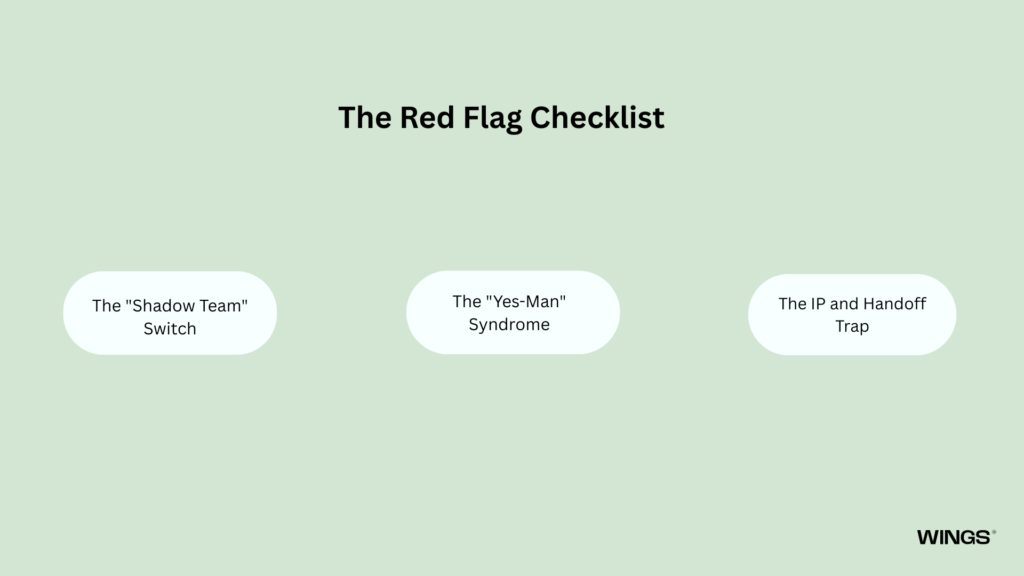
The Red Flag Checklist (3 Process Pitfalls to Avoid)
Instead of just listing what to look for, this gives readers a practical checklist of operational warning signs during the pitch process.
- The “Shadow Team” Switch: The senior partners pitch you beautifully, but the moment the contract is signed, your account is handed off to junior designers with zero oversight.
- Checklist item: Ask for the exact names and active client workloads of the day-to-day team lead before signing.
- The “Yes-Man” Syndrome: An agency desperate for a contract will nod along to every internal idea you have. A true branding partner should bring friction, challenge your assumptions, and back their pushback with audience data.
- The IP and Handoff Trap: Hidden clauses where raw files cost extra, or zero documentation is provided for internal rollout.
- Checklist item: Ensure the contract explicitly details a comprehensive handoff package (including raw vector files, component libraries, and a documented system guide) with full intellectual property transfer.
The 12-Month ROI Blueprint
Branding is notoriously difficult to measure immediately because its impact rolls out over quarters, not days. This section gives stakeholders concrete key performance indicators (KPIs) to track success long after the engagement ends.
| Metric Type | Short-Term (0-3 Months) | Long-Term (6-12 Months) |
| Internal & Brand | • 100% team alignment on the pitch
• Faster sales deck compilation time |
• Reduced employee ramp time
• Higher inbound talent quality |
| Market & Funnel | • Immediate lift in website conversion rates
• Higher CTR on new brand assets |
• Increased average contract value (ACV)
• Shortened sales cycles |
The Ultimate ROI Indicator: A successful rebrand allows a premium B2B company to protect its margins. If you are no longer constantly discounting your pricing to close deals against
legacy competitors, the brand strategy is working.
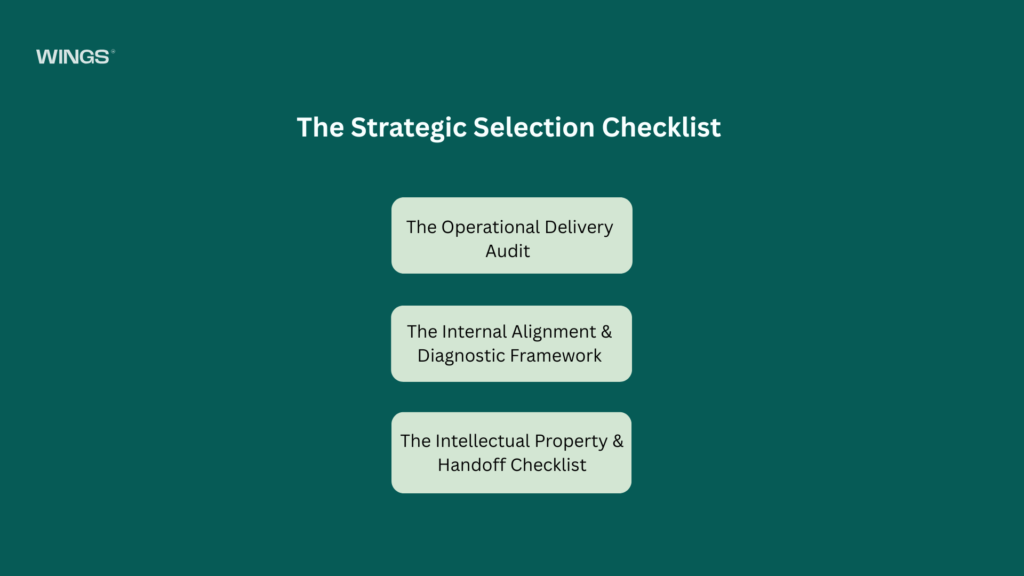
The Strategic Selection Checklist (3 Critical Selection Frameworks)
To safeguard your capital allocation and ensure absolute operational compatibility before finalizing an engagement, evaluate your prospective agency against these three strategic frameworks.
01. The Operational Delivery Audit (Evaluating Beyond the Pitch)
The executive pitch presentation is a curated environment designed to showcase an agency’s optimal outcomes. To understand how an agency will execute under everyday operational constraints, you must audit their underlying delivery infrastructure.
- The Talent Allocation Metric: Ensure that the senior strategists who lead the initial business diagnostics remain structurally embedded in your project’s lifecycle, rather than handing execution over entirely to junior production units.
- The Engineering-Creative Workflow: For digital deployments, audit whether the agency’s designers and developers operate within a unified, simultaneous framework, or whether assets are thrown over a structural wall to an outside engineering group. Unified units eliminate technical translation errors.
- The Scalability Test: Examine if the agency creates custom, componentized design systems (like independent tokens or scalable UI kits) or if they rely on rigid, static page layouts that break the moment your internal team attempts to launch a new sub-brand or product tier.
02. The Internal Alignment & Diagnostic Framework
A successful brand overhaul requires deep, sometimes uncomfortable internal transformation. Use this diagnostic matrix during initial chemistry meetings to gauge an agency’s strategic depth and willingness to challenge institutional assumptions.
- The Stakeholder Discovery Rigor: A trusted agency must interview cross-functional leadership, including sales leads, product managers, and customer success teams, rather than relying solely on a brief from the marketing department. Brand strategy must reflect operational reality.
- The Friction Tolerance Test: Evaluate whether the agency acts as a passive vendor or a strategic consultant. If an agency agrees with every internal assumption you hold about your market positioning, they cannot provide the objective clarity required to differentiate your business.
- The Semiotic & Competitor Mapping Scope: Ensure the agency’s discovery process includes a line-by-line breakdown of competitor messaging channels, positioning gaps, and audience behavioral triggers to insulate your new identity against market saturation.
03. The Intellectual Property & Handoff Checklist
The true test of a branding engagement occurs six months after handoff, when your internal teams are tasked with maintaining the system. Your contract and final delivery checklist must guarantee absolute creative independence.
- Total Source-File Ownership: Your handoff must include all raw vector files, unflattened layers, custom font licenses, and complete code repositories with zero ongoing agency licensing fees or restrictive performance clauses.
- The Dynamic Brand Guidelines Manual: Reject static PDF style guides that quickly become outdated. Demand a living, cloud-hosted brand center that documents typography scales, layout hierarchies, UI components, and tone-of-voice governance.
- The Internal Onboarding Protocol: Ensure the agency’s scope includes structured training workshops for your product, design, and sales teams to prevent the gradual dilution of the brand identity across daily operational touchpoints.
Conclusion
Modern branding is now a core business asset, helping companies build trust, attract quality leads, justify premium pricing, and establish market authority. Choosing the right agency depends on specific business needs, from consumer branding with DY Works or Elephant Design, to corporate strategy with ABND or Chlorophyll, large-scale campaigns with Schbang, and luxury branding with VGC.
However, for organizations looking to scale global digital platforms, Wings Design Studio stands apart by removing the artificial divide between brand positioning, high-fidelity UI/UX design, and complex product engineering. By integrating business intelligence directly into bespoke digital ecosystems, Wings ensures that creative investments convert cleanly into scalable infrastructure, institutional trust, and measurable growth.

Akshita Shivani Sundar
Senior Graphic Designer