


Looking for inspiration from websites made with Webflow? The platform has become a popular choice for brands that want more control over website design, interactions, content and responsive experiences.
But what makes a great Webflow website isn’t simply the platform behind it. The best Webflow websites combine strong strategy, thoughtful UX, distinctive visual design and purposeful development to create experiences that are both beautiful and functional.
In this article, we explore three websites made with Webflow across ecommerce, B2B and real estate. Each demonstrates a different way businesses can use Webflow to build a more engaging digital experience.
1. Pureforma: An Immersive Ecommerce Website Made with Webflow
Ecommerce websites need to do more than showcase products. They need to capture attention, communicate the brand and make it easy for visitors to move from discovery to purchase.
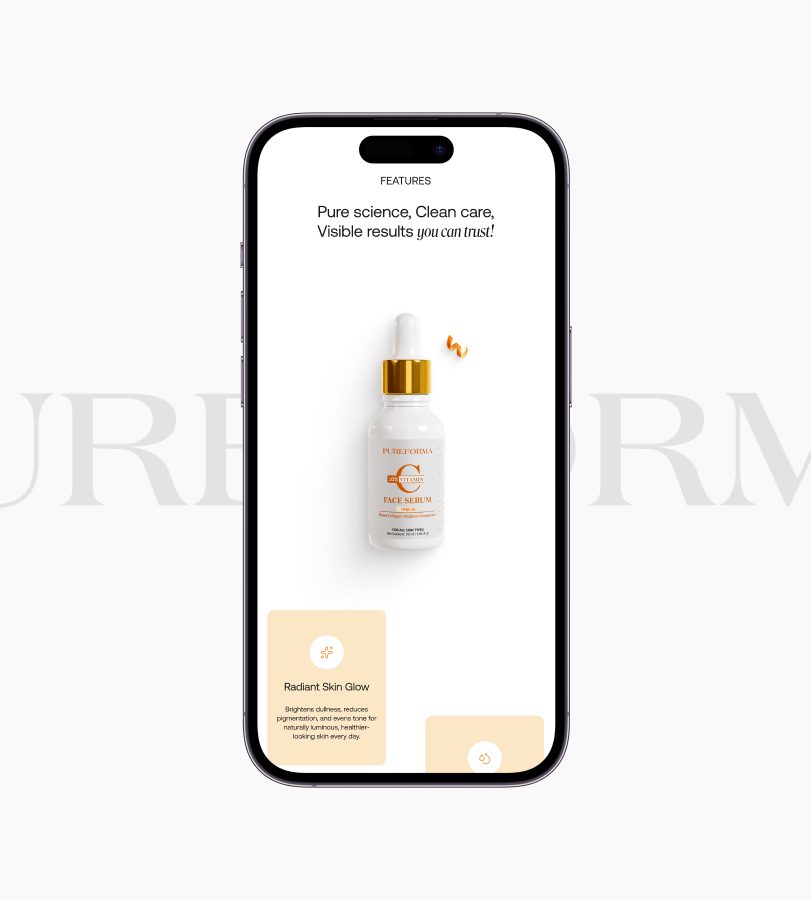
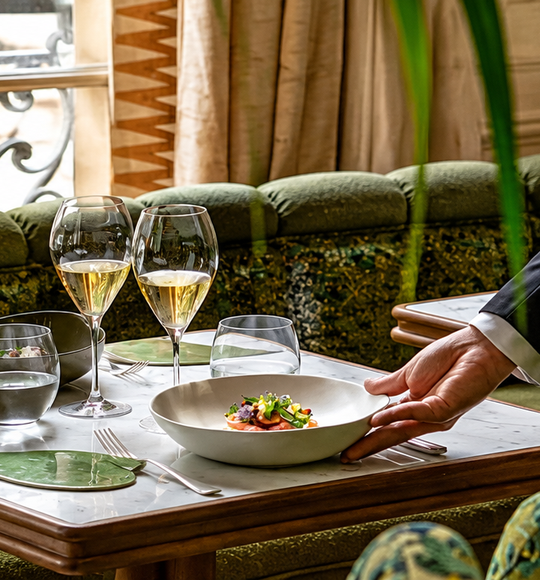
Pureforma takes an immersive approach to ecommerce web design, combining a refined visual identity with product-focused storytelling, spacious layouts and engaging interactions.
The website uses Webflow to create a polished front-end experience while integrating with Shopify for ecommerce functionality. This combination allows the website to focus on brand, UX and visual storytelling without compromising the functionality needed for online shopping.
For businesses looking at Webflow website examples, Pureforma is a useful example of how a Webflow website can move beyond a conventional ecommerce layout.
What makes it inspiring: The website treats ecommerce as a brand experience rather than simply a product catalogue.
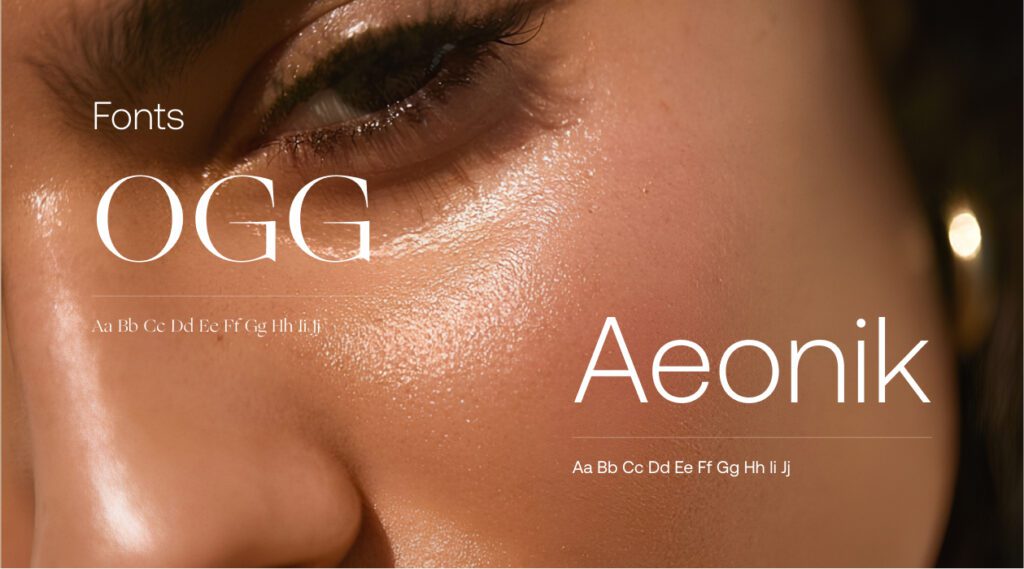
Explore Wings’ Webflow ecommerce work for Pureforma from Mumbai, India
2. DCC: A Scalable B2B Website Built with Webflow
A B2B website can present a very different challenge from ecommerce. Instead of a small number of products, there may be hundreds of pages, products, technologies, applications and areas of expertise to organise.
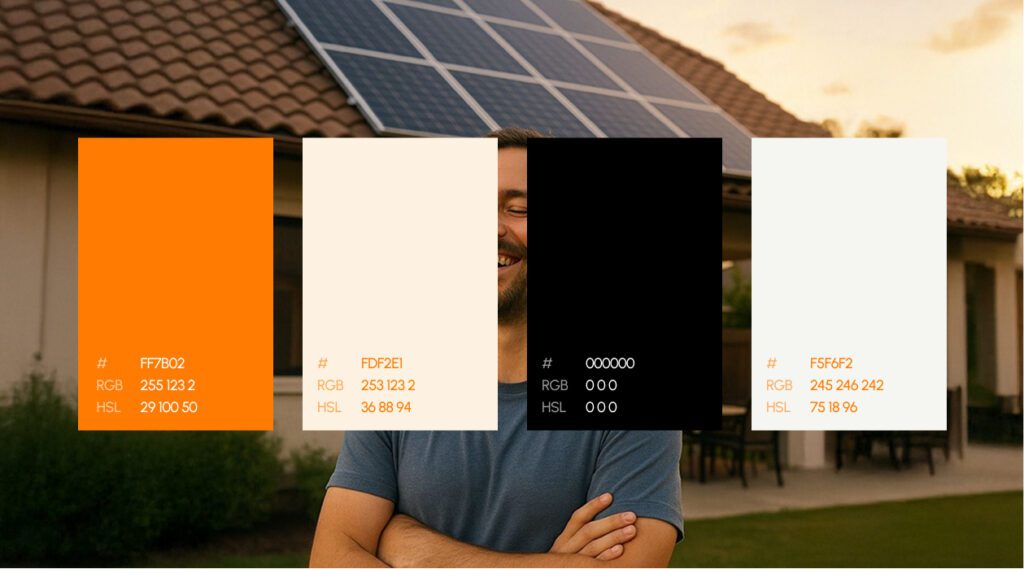
DCC demonstrates how Webflow can be used to create a scalable, content-rich business website.
The project combines structured content with a clear information architecture, making a large amount of information easier for visitors to navigate. Webflow’s CMS capabilities provide a foundation for managing and expanding the website while maintaining consistency across different sections.
This makes DCC one of the more interesting websites made with Webflow for businesses considering the platform for a complex B2B presence.
What makes it inspiring: It shows that Webflow isn’t limited to small marketing websites. With the right content architecture and development approach, it can support a much larger digital ecosystem.
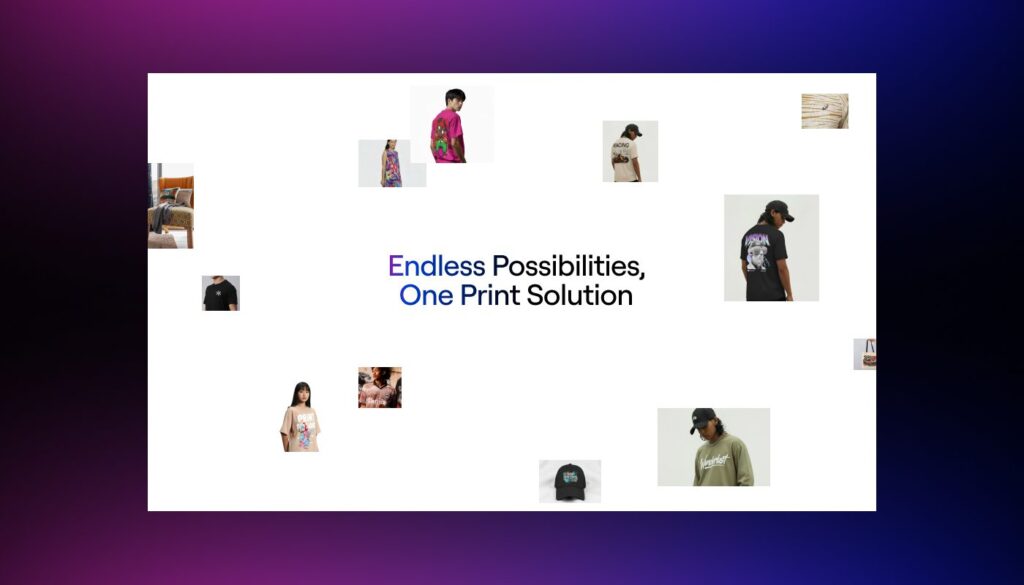
Explore Wings’ Webflow website development work for DCC from Mumbai, India
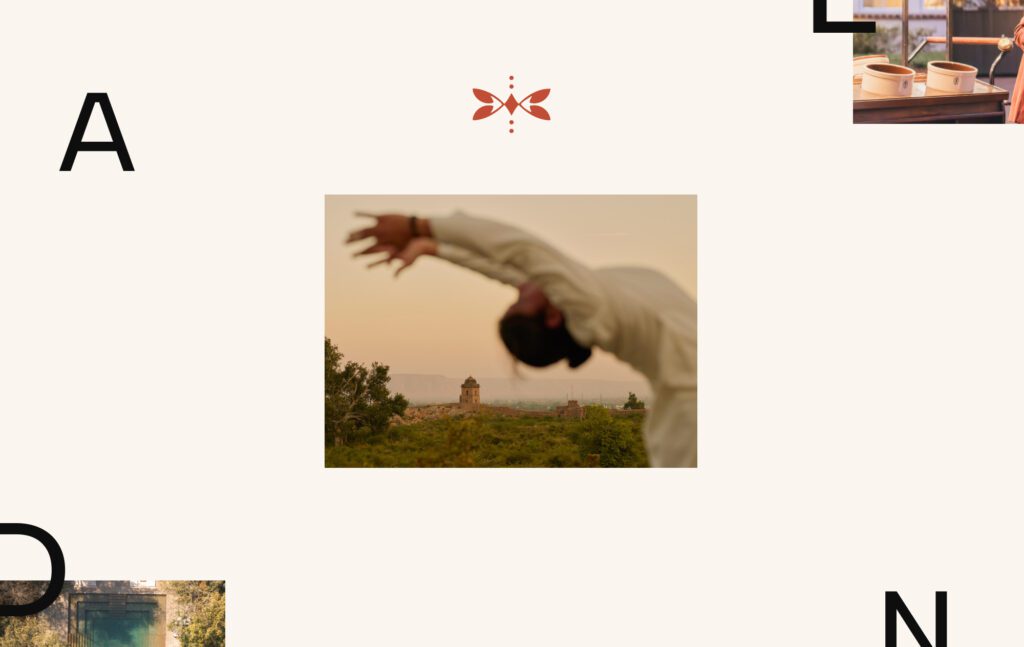
3. Vedic City: A Real Estate Website Focused on Storytelling
Real estate websites often focus on property details, galleries, floor plans and enquiry forms. While these elements are important, premium developments also need to communicate something less tangible: the lifestyle and experience associated with the property.
Vedic City takes a more editorial and experience-led approach.
The website uses imagery, typography, layout and movement to create a sense of place and introduce visitors to the wider vision behind the development. Instead of functioning purely as a property information website, the experience is designed to build interest and an emotional connection.
As a Webflow website example, Vedic City demonstrates how the platform can be used to translate a strong visual concept into an engaging digital experience.
What makes it inspiring: The website sells more than a property. It communicates a lifestyle, atmosphere and sense of place.
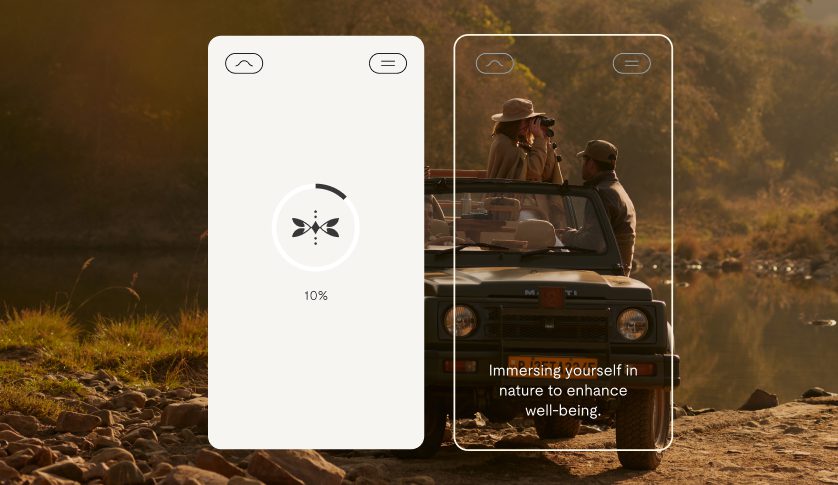
Explore Wings’ Webflow website development work for Vedic City in Goa.
What These Webflow Websites Have in Common
These three Webflow websites belong to completely different industries, but they demonstrate an important principle: Webflow works best when the platform supports a clear design and content strategy.
Pureforma uses Webflow to create a more immersive ecommerce experience.
DCC uses Webflow to organise and present complex B2B content at scale.
Vedic City uses Webflow to create an emotional, visually driven real estate experience.
The result is three very different websites, but none of them feels like a generic Webflow template.
That’s one of the biggest advantages of using Webflow for professional website development. The platform provides flexibility, but the final experience can still be shaped around the brand, audience and business objectives.
What Makes a Great Website Made with Webflow?
The strongest websites made with Webflow typically share several characteristics:
1. Strong UX
Visitors should be able to understand the website quickly and move through it without friction. Navigation, page structure and calls to action should all have a clear purpose.
2. Distinctive Webflow Website Design
A great Webflow website shouldn’t simply look like a customised template. Its visual system should reflect the brand through typography, layouts, imagery, colour and interaction.
3. Purposeful Interactions
Animations and transitions can make a website feel more engaging, but they should support the experience rather than distract from it.
4. Structured Content
Webflow becomes even more powerful when content is planned properly. CMS collections, reusable components and structured pages can make a website easier to manage and scale.
5. Responsive Experiences
A website made with Webflow needs to work just as well across mobile, tablet and desktop. Responsive design should be considered from the beginning rather than treated as a final adjustment.
Why Explore Websites Made with Webflow?
Looking at other Webflow websites is useful whether you’re planning a new website, redesigning an existing one or simply looking for design inspiration.
The best Webflow website examples can help you understand what’s possible with:
- Webflow website design
- Interactive web experiences
- CMS-driven websites
- B2B website development
- Ecommerce web design
- Responsive design
- Brand storytelling
- Custom Webflow development
But inspiration should not mean copying another website.
The most effective approach is to identify what works — the navigation, visual hierarchy, interactions, content structure or storytelling — and then adapt those principles to your own audience and brand.
Final Thoughts
The three websites above show that there isn’t one formula for creating a great website made with Webflow.
An ecommerce brand may use Webflow to create a more immersive shopping experience. A B2B company may use it to manage a complex content ecosystem. A real estate brand may use it to tell a visual story and communicate a lifestyle.
What connects them is not a particular style or layout. It’s the combination of strategy, UX, design, content and development behind the experience.
Webflow is the platform. The quality of the website comes from what you build with it.

Mugesh Kanna
Junior Web developer