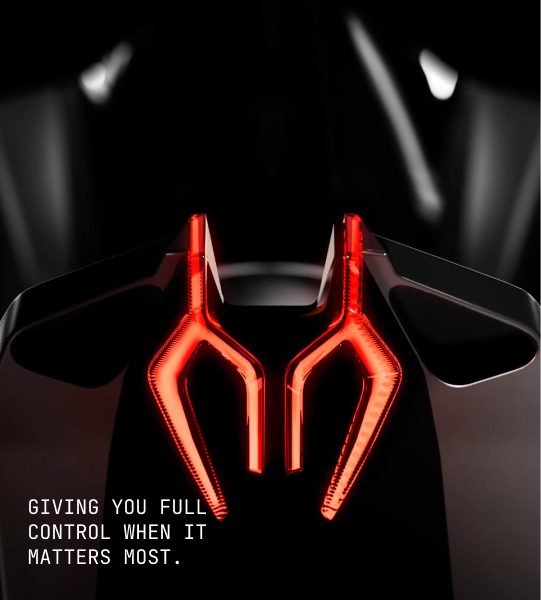


Packaging is more than just a covering for your product. It represents your brand, communicates your values, and influences how customers perceive your business. From the colors and typography to the structure and overall presentation, every design element contributes to the way your product is experienced.
With increasing competition across industries, businesses need packaging that not only protects their products but also creates a strong visual identity. Professional packaging design services help businesses develop creative, functional, and brand-focused packaging that connects with their target audience.
Whether you operate a food brand, cosmetics business, e-commerce store, or consumer goods company, the right packaging design can strengthen your product presentation and support your branding goals.

Explore the Packaging Design behind the Crypto & Bean
What Are Professional Packaging Design Services?
Professional packaging design services involve creating the visual and structural concepts used to present and protect a product. These services combine creativity, branding, functionality, and design strategy to develop packaging that aligns with a business’s goals.
A professional packaging designer considers various factors, including the target audience, product category, brand identity, packaging materials, and retail environment.
Depending on your business requirements, packaging design services may include:
- Product packaging design
- Custom box and carton design
- Label and sticker design
- Food and beverage packaging
- Cosmetic and personal care packaging
- E-commerce packaging
- Packaging branding and visual identity
- Packaging artwork and print-ready files
The goal is to create packaging that looks appealing while communicating important product information and maintaining consistency with your overall brand identity.
By working with experienced packaging designers, businesses can develop packaging solutions that combine aesthetics with practical requirements.
Why Does Packaging Design Matter for Your Brand?
Packaging often serves as one of the first physical interactions customers have with a product. Its colors, typography, graphics, and overall appearance can influence how people perceive the brand.
Well-planned packaging helps communicate what your product represents and who it is designed for.
For example, a premium skincare brand may use minimalist layouts, refined typography, and carefully selected colors to communicate a particular brand positioning. In contrast, a children’s snack brand might use bright colors, playful illustrations, and engaging visual elements.
Neither approach is universally suitable. The right packaging design depends on the brand’s identity, target audience, and product positioning.
Effective packaging design connects visual presentation with brand communication.
When packaging is consistent across products and marketing channels, it can help customers recognize the brand and develop familiarity over time.
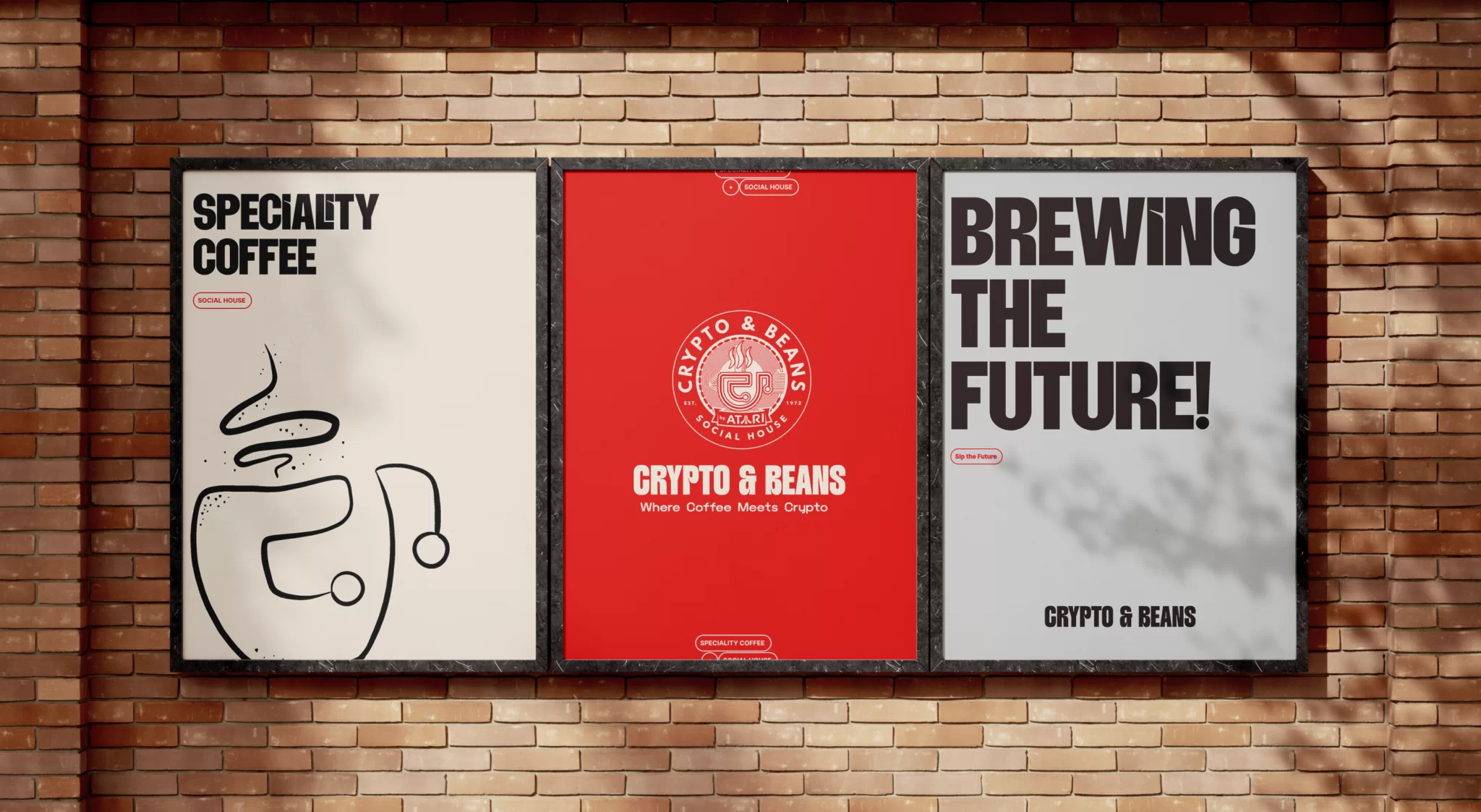
Explore the Packaging Design behind the Crypto & Bean
Ways Professional Packaging Design Services Can Elevate Your Brand
Build a Strong and Consistent Brand Identity
Brand identity includes the visual elements that help people recognize and distinguish a business. Packaging plays an important role in translating this identity into a physical product experience.
Professional packaging design services help businesses incorporate brand elements such as:
- Logos and brand marks
- Brand colors
- Typography
- Illustrations and graphics
- Brand messaging
- Visual design systems
A consistent approach allows packaging to align with other brand assets, including websites, social media profiles, advertisements, and promotional materials.
For example, if a company uses a specific color palette and typography across its product range, applying those elements consistently to packaging can create a more recognizable brand experience.
A packaging designer can help ensure that the design reflects the brand’s personality while remaining suitable for the product category.
A consistent packaging identity helps create a unified brand presence across different customer touchpoints.
Create a Memorable First Impression
First impressions influence how customers perceive products, particularly when they are comparing multiple options.
Packaging design contributes to this initial experience through visual appearance, information hierarchy, and overall presentation.
Customers may notice elements such as:
- The product name
- Packaging colors
- Brand logo
- Product imagery
- Typography
- Key product benefits
A clear and visually appealing design can make it easier for customers to understand what a product offers.
However, attractive packaging should also communicate information accurately. Design should support the customer’s understanding rather than rely only on decorative elements.
Professional packaging designers combine visual creativity with strategic communication to develop packaging that presents a product clearly and appropriately.
Improve Product Visibility and Differentiation
Many businesses operate in competitive markets where products are displayed alongside similar offerings. Packaging design can help a brand establish a distinctive visual identity.
Effective differentiation may involve:
- A recognizable color palette
- Unique graphic elements
- Clear typography
- Distinctive packaging structures
- Consistent brand positioning
For example, a specialty coffee brand may use a carefully designed packaging system to distinguish different blends while maintaining a consistent brand identity.
The design should reflect the product’s characteristics and appeal to its intended audience.
Professional packaging design services help businesses explore creative directions that balance uniqueness, practicality, and brand consistency.
Distinctive packaging can help customers identify your product and understand how it differs from competing offerings.
Build Customer Trust and Brand Credibility
Packaging communicates information about a product and the business behind it. Clear, organized, and professional presentation can contribute to customer confidence.
Trust-building elements may include:
- Readable product information
- Consistent branding
- Appropriate use of images
- Clear labeling
- Professional print quality
- Relevant certifications or product details, where applicable
For industries such as food, cosmetics, and personal care, accurate product information is especially important.
A professional packaging design should make essential details easy to locate without overcrowding the layout.
While packaging design alone cannot guarantee customer trust, it can support a consistent and transparent product presentation.
Working with a packaging design agency can help businesses organize information and create designs that align with their brand communication goals.
Enhance the Customer Unboxing Experience
Unboxing has become an important part of the customer experience, particularly for e-commerce brands and products that are shared on social media.
Packaging can influence how customers interact with a product from the moment they receive it.
Thoughtful packaging design may include:
- Easy-to-open structures
- Branded inserts
- Organized product presentation
- Protective packaging
- Personalized messaging
- Sustainable material considerations
For example, an online beauty brand might use branded packaging and a carefully organized product arrangement to create a consistent experience from delivery to product use.
The design should balance appearance with protection, cost, and shipping requirements.
A well-designed unboxing experience can reinforce brand identity and encourage customers to engage with the product.
However, packaging decisions should be based on the product and audience rather than following trends without considering practical needs.
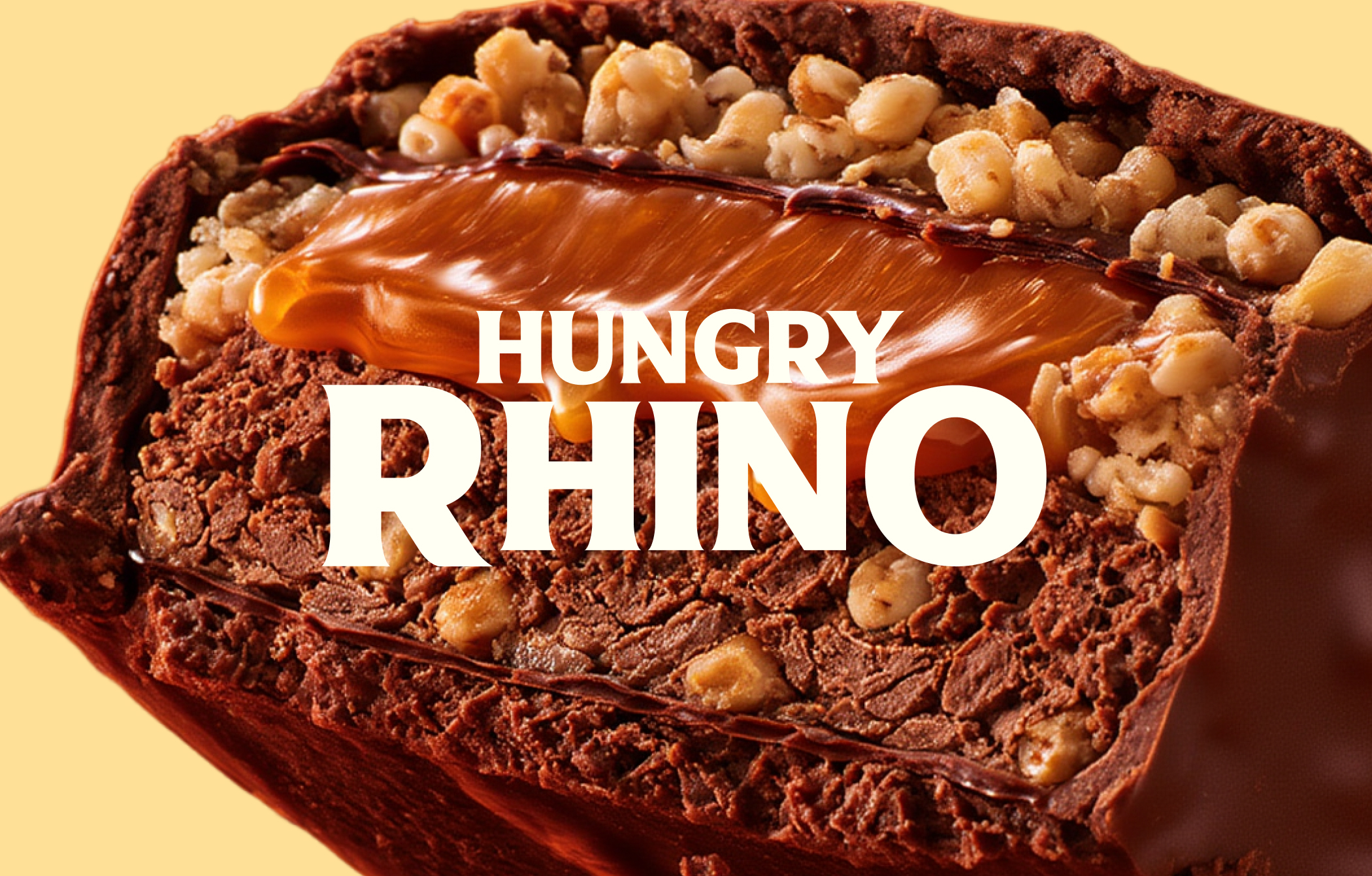
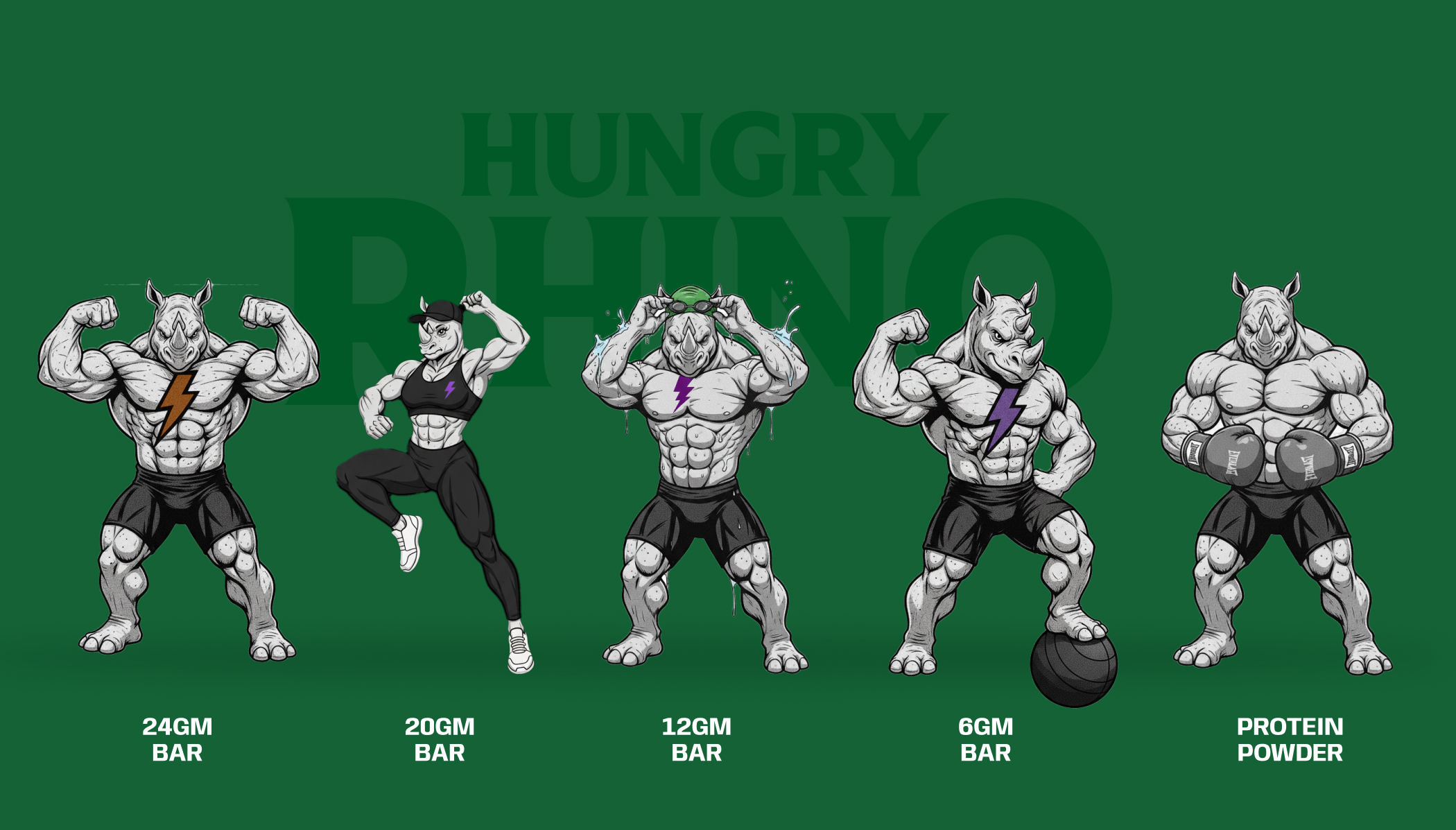
Explore the Packaging Design behind the Hungry rhino
Communicate Your Brand Story
Every brand has a story, whether it is based on craftsmanship, innovation, sustainability, heritage, or product quality.
Packaging provides an opportunity to communicate elements of that story through design and messaging.
For example:
- A handmade product brand may highlight its craft-based identity.
- A natural skincare brand may communicate its ingredient philosophy.
- A premium food brand may emphasize product origin and quality.
- A technology brand may focus on simplicity and innovation.
Visual elements such as illustrations, typography, colors, and written content can work together to express brand positioning.
Professional packaging designers help translate brand values into visual concepts that are relevant to the product and its audience.
A strong packaging design should communicate the brand story clearly without overwhelming customers with unnecessary information.
Support Marketing and Business Growth
Packaging can function as an extension of a brand’s marketing strategy.
When customers see products in stores, online images, social media posts, or promotional campaigns, consistent packaging design can help maintain visual recognition.
Professional packaging design services can support marketing by creating designs that work across different platforms and product formats.
For example, a brand may use its packaging visuals in:
- Product photography
- E-commerce listings
- Social media campaigns
- Digital advertisements
- Promotional materials
- Retail displays
Packaging design does not operate independently of other marketing activities. Its effectiveness depends on factors such as product quality, pricing, distribution, positioning, and customer experience.
Nevertheless, a cohesive packaging identity can help businesses present their products more consistently across marketing channels.
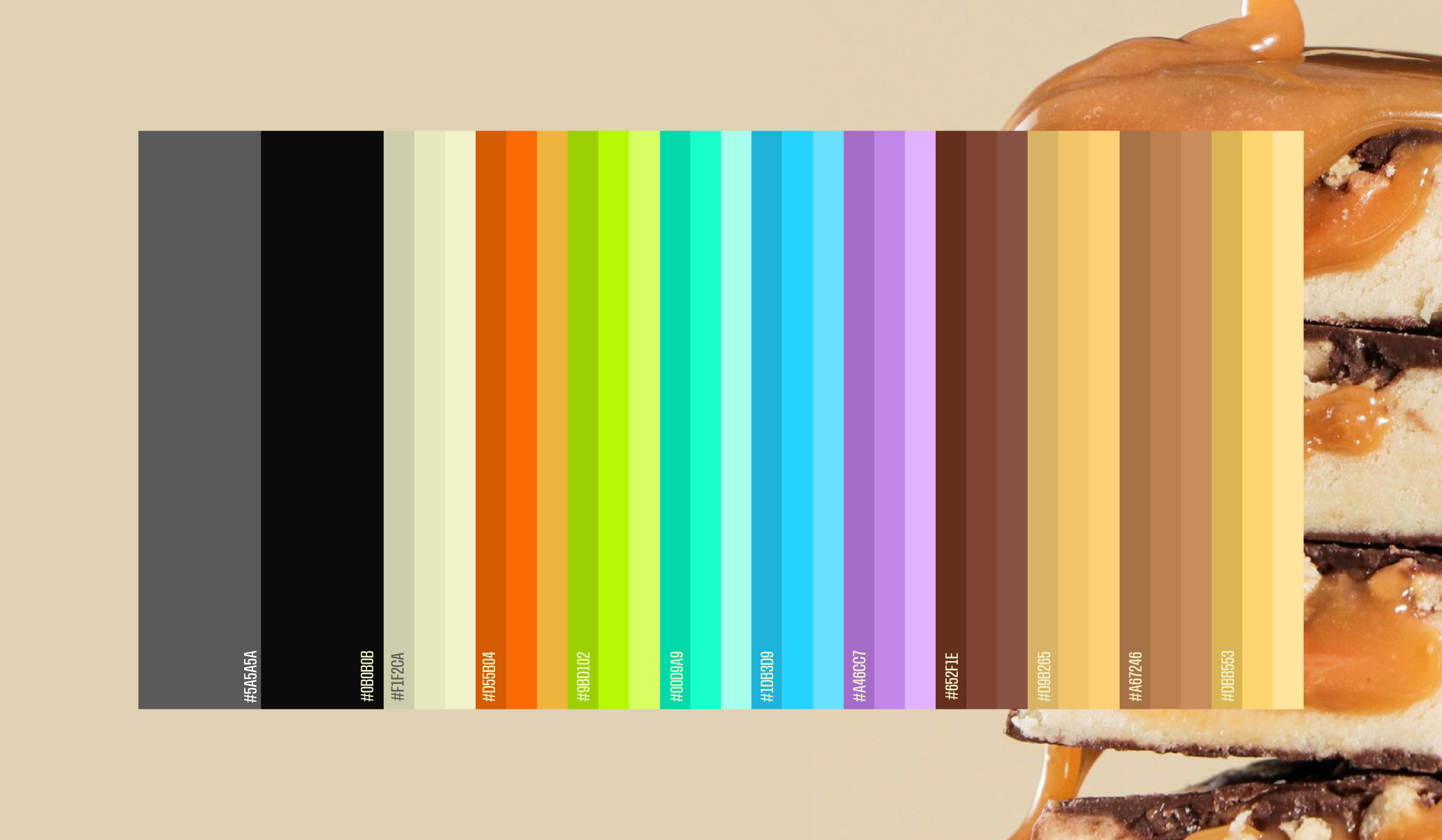
Explore the Packaging Design behind the Hungry rhino
Key Elements of Successful Packaging Design
A successful packaging design combines visual appeal, functionality, and effective communication.
Here are some essential elements to consider.
Brand Colors and Typography
Colors and fonts contribute to a brand’s visual identity. Designers should select combinations that support readability, brand recognition, and the intended product positioning.
Packaging Structure and Materials
Packaging must suit the product’s physical requirements. Designers may need to consider dimensions, durability, storage, transportation, and material selection.
Visual Appeal and Functionality
An attractive design should also be practical. Packaging needs to present essential information clearly while supporting product protection and usability.
Brand Messaging
Product packaging should communicate relevant information in a clear and organized manner. The amount and type of information depend on the product category and applicable requirements.
A professional designer considers these elements together rather than treating appearance as the only priority.
Why Choose Custom Packaging Design?
Custom packaging design allows businesses to develop packaging that reflects their specific brand identity and product requirements.
Unlike generic packaging templates, custom designs can be created around the business’s visual language, target audience, and product characteristics.
Some potential benefits include:
- Greater design flexibility
- Consistent brand identity
- Product-specific visual communication
- Better alignment with brand positioning
- Opportunities for distinctive presentation
For example, a business launching a new premium product may require packaging that reflects its intended market positioning and complements its existing brand identity.
Custom packaging design can help address these requirements through a tailored design approach.
However, businesses should consider production costs, minimum order quantities, materials, and practical limitations before finalizing a packaging concept.
How to Select the Right Packaging Design Agency
Choosing the right packaging design agency is an important step in developing effective product packaging.
Consider the following factors when evaluating potential design partners.
Review Their Portfolio
Look for experience in your industry or product category. A portfolio can help you understand the agency’s design style, creativity, and ability to work across different packaging formats.
Understand Their Design Process
Ask how the agency approaches research, concept development, revisions, and final artwork preparation.
A structured process can help reduce confusion and improve collaboration.
Evaluate Their Branding Expertise
Packaging should align with your overall brand identity. Choose a design partner who understands branding and can translate your business values into visual concepts.
Discuss Your Budget and Timeline
Clarify project costs, expected deliverables, revision policies, and deadlines before beginning the project.
Check Print-Ready Artwork Support
If required, confirm whether the agency provides files suitable for production and coordinates with printing or manufacturing partners.
The right agency should be able to balance creative requirements with practical and commercial considerations.
Common Packaging Design Mistakes to Avoid
Even visually attractive packaging can create problems if important design and production factors are overlooked.
Here are some common mistakes businesses should avoid:
- Overcrowding the Design
Including too many elements can make packaging difficult to read. Prioritize essential information and maintain a clear visual hierarchy.
- Ignoring Brand Consistency
Packaging that does not align with other brand assets may create an inconsistent customer experience.
- Choosing Appearance Over Functionality
Packaging should protect the product and support practical use. Visual design should not compromise essential functionality.
- Using Poor-Quality Images or Artwork
Low-resolution images and incorrect artwork specifications can affect print quality. Professional production preparation is important.
- Neglecting the Target Audience
Packaging should reflect the expectations and preferences of the intended audience while remaining authentic to the brand.
- Failing to Consider Production Requirements
A design may look effective digitally but require adjustments for materials, printing methods, dimensions, or manufacturing limitations.
Working with an experienced packaging design agency can help identify and address these challenges early in the design process.
Conclusion: Elevate Your Brand with Professional Packaging Design Services
Professional packaging design services offer businesses an opportunity to strengthen their visual identity, communicate product information, and create a consistent customer experience.
From developing a recognizable brand identity to improving product presentation, packaging plays a valuable role in how businesses connect with their target audience.
A successful packaging design should combine creativity, functionality, brand consistency, and practical production requirements.
Whether you are launching a new product, refreshing your existing packaging, or expanding your product range, working with a professional packaging design agency can help you develop solutions aligned with your business objectives.
Investing in thoughtful packaging design is an investment in how your brand presents itself to customers.
Ready to create packaging that reflects your brand identity?
Explore professional packaging design services to develop creative, functional, and brand-focused packaging solutions for your business.