


Introduction
Travel is about creating memorable experiences, not just visiting new destinations. Travelers are drawn to adventures that inspire, connect, and leave lasting impressions. A well-designed travel website should do more than showcase tour packages, it should tell a compelling story through engaging visuals, meaningful content, and a seamless user experience. By focusing on the emotions and experiences behind every journey, travel businesses can build stronger connections with visitors and inspire more bookings.
Understanding the Modern Traveler
Traveler expectations have evolved significantly over the years. People no longer make booking decisions based solely on price or destination popularity. They look for unique experiences, authentic cultural interactions, personalized recommendations, and seamless digital experiences that make planning easy from start to finish.
Before making a booking, many travelers spend time researching online. They browse destination photos, watch travel videos, read customer reviews, compare itineraries, and explore social media content. By the time they visit a travel company’s website, they are already imagining the type of experience they want. The website must reinforce that vision rather than simply presenting facts and prices.
Modern travelers generally expect:
- Authentic local experiences instead of generic sightseeing tours
- Personalized travel suggestions based on their interests
- Fast-loading and mobile-friendly websites
- Clear navigation that makes trip planning simple
- Genuine customer reviews and testimonials
- High-quality visuals that capture the atmosphere of each destination
Understanding these expectations helps businesses create websites that feel more engaging and trustworthy. Rather than presenting travel as a product, the website should present it as an opportunity to create memories and discover something new.

Explore the design system behind the EVOS.
Why Experience-First Design Matters
Many travel websites focus on destinations, prices, and tour packages, but travelers are often looking for memorable experiences rather than just places to visit. An experience-first design puts the traveler at the center, helping them imagine the emotions, adventures, and memories they will create during the journey.
Benefits of an experience-first approach include:
- Creates an Emotional Connection: Inspires travelers by highlighting experiences instead of just destinations.
- Increases Visitor Engagement: Keeps users exploring your website with engaging content and immersive storytelling.
- Builds Trust and Credibility: Authentic experiences make your brand more relatable and trustworthy.
- Improves Conversion Rates: Emotional connections encourage visitors to take action and complete bookings.
- Strengthens Brand Identity: A memorable user experience helps your travel business stand out from competitors.
- Encourages Repeat Bookings: Positive online experiences increase customer loyalty and referrals.
By focusing on the journey rather than simply the destination, travel websites can inspire visitors to turn their travel dreams into reality.
Tell a Story Through Visual Design
Visual content plays a major role in capturing attention and inspiring travelers. High-quality images and videos help visitors imagine themselves experiencing the destination, making the website more engaging and memorable.
Create impactful visual storytelling by:
- Using Authentic Photography: Showcase real travelers, local culture, scenic landscapes, and genuine experiences instead of generic stock images.
- Adding Engaging Videos: Include destination highlights, customer stories, drone footage, and behind-the-scenes clips to create immersive experiences.
- Maintaining Consistent Branding: Use a cohesive color palette, typography, and layout to strengthen your brand identity.
- Creating Clean and Organized Layouts: Balance visuals with white space to improve readability and user experience.
- Highlighting Emotional Moments: Feature experiences such as local festivals, outdoor adventures, cultural activities, and relaxing getaways that visitors can picture themselves enjoying.
Powerful visual storytelling helps visitors connect emotionally with your brand, making them more likely to explore further and book their next adventure.
Create an Emotional User Journey
A successful travel website should guide visitors smoothly from discovering a destination to completing a booking. Every page should inspire confidence, answer key questions, and build excitement about the travel experience.
Create an engaging user journey by focusing on these elements:
- Make a Strong First Impression: Use captivating visuals, compelling headlines, and clear calls to action on the homepage.
- Ensure Easy Navigation: Organize destinations, packages, blogs, and booking pages with simple menus and intuitive search features.
- Use Storytelling Throughout the Journey: Describe the experiences, emotions, and memorable moments travelers can expect instead of simply listing activities.
- Provide Clear and Relevant Information: Help visitors quickly find pricing, itineraries, travel details, and FAQs without overwhelming them.
- Simplify the Booking Process: Use transparent pricing, secure payment options, and easy-to-complete booking forms to reduce friction and improve conversions.
A well-planned user journey keeps visitors engaged from their first click to their final booking.
Use Interactive Elements to Engage Visitors
Interactive features make a travel website more engaging by encouraging visitors to actively explore destinations and personalize their travel plans.
Consider adding these interactive elements:
- Interactive Maps: Help users explore destinations, attractions, accommodations, and nearby points of interest.
- Trip Planners and Itinerary Builders: Allow travelers to customize their trips based on preferences, budget, and travel dates.
- Virtual Tours and 360° Experiences: Give visitors an immersive preview of hotels, attractions, and destinations before they book.
- Personalized Recommendations: Suggest destinations, travel packages, and activities based on browsing behavior and user interests.
- Interactive Galleries and Videos: Use high-quality photos and videos that allow visitors to experience the atmosphere and highlights of each destination.
By combining interactive features with intuitive navigation and engaging storytelling, travel websites can create memorable user experiences that inspire visitors to explore further and confidently book their next adventure.

Explore the Design process behind the Quint.
Build Trust with Authentic Social Proof
Trust plays a vital role in travel booking decisions. Since travelers invest both time and money before experiencing a trip, they look for proof that your business is reliable and delivers on its promises. Adding authentic social proof to your website helps build credibility and encourages visitors to book with confidence.
Strengthen trust by including:
- Customer Reviews and Testimonials: Showcase genuine feedback and detailed travel stories from satisfied customers.
- User-Generated Content: Feature real photos and videos shared by travelers to highlight authentic experiences.
- Awards and Certifications: Display industry recognitions, travel certifications, and trusted partnerships to reinforce credibility.
- Secure Payment and Trust Badges: Include SSL certificates, secure payment icons, and verified booking badges to reassure visitors.
- Transparent Business Information: Clearly present cancellation policies, FAQs, contact details, and customer support options to increase trust and reduce uncertainty.
Authentic social proof reassures potential customers that they are choosing a reliable travel provider, making them more likely to complete their booking.
Write Copy That Sells Experiences
Your website copy should inspire travelers by focusing on the experiences they will enjoy rather than simply listing destinations or travel packages. Descriptive, engaging content helps visitors imagine themselves on the journey and creates an emotional connection with your brand.
To create compelling travel website copy:
- Focus on Experiences: Describe memorable moments, local culture, and unique activities instead of only accommodations or transportation.
- Use Descriptive Storytelling: Help visitors visualize the adventure through vivid, benefit-driven language.
- Keep Content Clear and Readable: Write in a conversational tone, use short paragraphs, and organize information with headings and bullet points.
- Highlight Benefits Over Features: Explain how each experience adds value rather than simply listing what’s included.
- Use Strong Calls to Action: Encourage visitors to take the next step with action-oriented CTAs like Book Your Adventure, Plan Your Dream Vacation, or Reserve Your Experience Today.
Well-crafted copy transforms a travel website from an information source into an inspiring platform that motivates visitors to explore, engage, and book their next unforgettable journey.
Optimize for Mobile Travelers
Many travelers search for destinations, compare travel packages, and book trips directly from their smartphones. A mobile-friendly website ensures they enjoy a smooth browsing experience and can complete bookings without frustration.
To optimize your travel website for mobile users, focus on these best practices:
- Use a Responsive Design: Ensure your website automatically adapts to different screen sizes, providing a consistent experience across smartphones, tablets, and desktops.
- Improve Page Speed: Compress images, optimize code, and reduce unnecessary scripts to ensure fast-loading pages and lower bounce rates.
- Simplify Navigation: Use clear menus, touch-friendly buttons, and easy-to-read content so users can quickly find destinations, packages, and booking information.
- Create Mobile-Friendly Booking Forms: Keep forms short, enable autofill, and provide secure, easy-to-use payment options to make the booking process effortless.
- Optimize Visual Content: Use responsive images and videos that maintain quality without affecting website performance.
A fast, responsive, and easy-to-use mobile website enhances the user experience, improves search rankings, and increases the chances of turning visitors into customers.

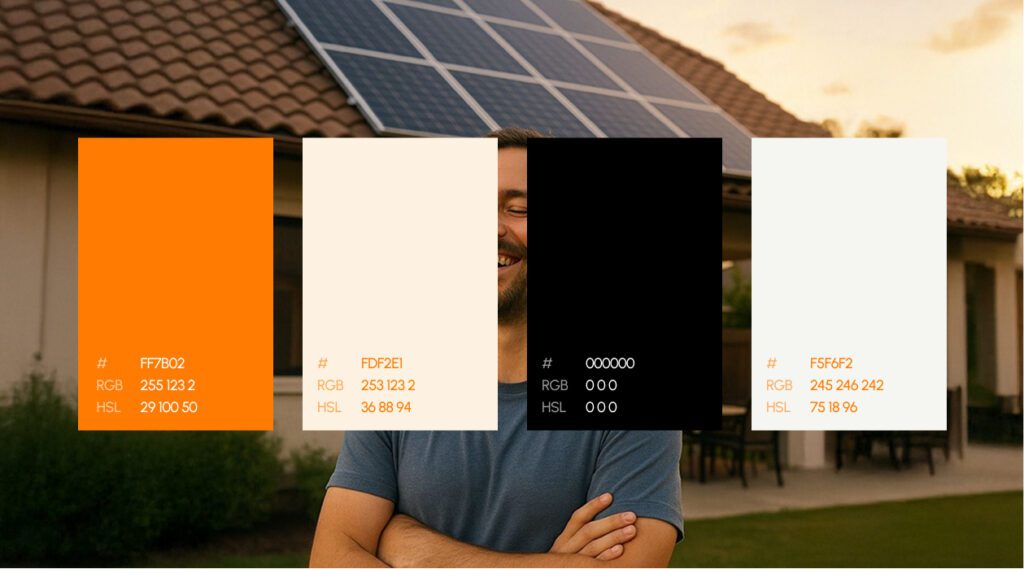
Explore the UX design process behind the Kind Energy.
SEO Strategies for Experience-Focused Travel Websites
A visually appealing travel website can only generate bookings if potential travelers can easily find it online. Implementing effective SEO strategies helps improve your website’s visibility on search engines, attracting visitors who are actively looking for travel experiences and services.
Focus on optimizing your website with these SEO best practices:
- Target Experience-Based Keywords: Use search terms that reflect traveler intent, such as family-friendly beach vacations, romantic honeymoon packages, or best wildlife safari in Kenya, instead of only broad destination keywords.
- Optimize On-Page SEO: Create compelling page titles, meta descriptions, heading tags (H1, H2, H3), and descriptive image alt text to improve search rankings and user experience.
- Publish High-Quality Content: Regularly share destination guides, travel tips, local attractions, seasonal travel ideas, and experience-based blogs to attract organic traffic and establish your website as a trusted travel resource.
- Improve Website Performance: Optimize images, compress files, and ensure fast loading speeds to enhance user experience and support better search engine rankings.
- Implement Schema Markup: Add structured data to help search engines better understand your content, increasing the chances of appearing in rich snippets and improving click-through rates.
By combining keyword optimization, valuable content, technical SEO, and a fast, user-friendly website, travel businesses can increase online visibility, attract qualified visitors, and convert more searches into bookings.
Common Mistakes to Avoid
- Using Generic Stock Photos: Replace generic images with authentic photos and videos that showcase real travelers and genuine experiences.
- Overloading Pages with Information: Avoid lengthy paragraphs, cluttered layouts, and excessive pop-ups. Keep content clear, concise, and easy to scan.
- Confusing Website Navigation: Use simple, intuitive menus and organize pages logically so visitors can quickly find destinations, packages, and booking details.
- Weak or Unclear Calls to Action (CTAs): Guide visitors with compelling CTAs like Book Your Adventure, Explore Tours, or Start Planning Today instead of vague buttons.
- Ignoring Website Performance: Optimize page speed, fix broken links, update outdated information, and ensure a smooth browsing experience across all devices.
- Poor Mobile Experience: Ensure your website is fully responsive and offers seamless navigation and booking on smartphones and tablets.
- Complicated Booking Process: Minimize booking steps, provide transparent pricing, and offer secure payment options to reduce cart abandonment.
- Lack of Trust Signals: Include customer reviews, testimonials, secure payment badges, and certifications to build credibility and encourage bookings.
Future Trends in Experience-Focused Travel Website Design
- AI-Powered Personalization: Use artificial intelligence to provide personalized travel recommendations, instant customer support through chatbots, and tailored itineraries based on user preferences.
- Virtual Reality (VR) & Augmented Reality (AR): Offer virtual hotel tours, 360-degree destination previews, and immersive experiences that help travelers explore locations before booking.
- Sustainability-Focused Design: Showcase eco-friendly accommodations, sustainable travel packages, and responsible tourism initiatives to attract environmentally conscious travelers.
- Hyper-Personalized User Experiences: Deliver customized content, destination suggestions, and exclusive offers using customer data and browsing behavior to increase engagement and bookings.
- Voice Search Optimization: Optimize website content for voice-based searches as more travelers use voice assistants to find destinations, accommodations, and travel services.
- Interactive Travel Planning Tools: Incorporate itinerary builders, interactive maps, trip cost calculators, and travel planners to simplify the decision-making process.
- Mobile-First Experiences: Prioritize responsive design, faster page loading, and seamless mobile booking to cater to travelers who plan and book trips on smartphones.
- Authentic User-Generated Content: Feature traveler photos, videos, reviews, and social media content to build trust and provide real-life travel inspiration.
- Smarter Booking Experiences: Simplify the booking process with one-click reservations, flexible payment options, and real-time availability updates.
- Data-Driven Design Improvements: Use analytics and customer insights to continuously optimize website layouts, content, and user journeys for higher conversions.

Explore the UX design process behind the Maverick AI.
Conclusion
A successful travel website does more than showcase destinations, it inspires visitors to imagine unforgettable experiences. By combining engaging visuals, compelling storytelling, intuitive navigation, personalization, and mobile-friendly design, travel businesses can create meaningful connections that encourage bookings. Focusing on experiences rather than destinations helps build trust, engage travelers, and turn website visitors into loyal customers.
Related Reading
Looking for expert help to build an engaging travel website? Choosing the right design partner can make all the difference in creating a site that attracts visitors and drives bookings. Explore our guide on Top Rated Website Design Companies in Ahmedabad to discover leading agencies that specialize in creating high-performing, user-friendly websites for businesses across industries.

Nandin
Design Lead