

Starting a business is one thing. Building a brand that people recognise, trust, and remember is another. In crowded markets, startups are competing for more than customers. They are competing for attention, credibility, and a place in people’s minds. A strong product may solve a genuine problem, but without clear positioning and a distinctive identity, even a promising business can struggle to communicate its value.
Branding for startups is not just about designing a logo. It is about defining what your business stands for, why it matters, and how people should experience it. When these elements work together, branding becomes a foundation for customer acquisition, market differentiation, and long-term growth.
Why Is Branding Important for Startups?
Startups often enter markets where established businesses already have recognition, loyal customers, and larger marketing budgets. A well-defined brand helps a new business compete by making its value easier to understand and its offering easier to remember. It gives potential customers a reason to consider the business beyond price or product features.
Branding also influences how people perceive a startup before they interact with its product or speak to its team. A consistent visual identity, clear messaging, and professional digital presence can help establish credibility early. For startups seeking their first customers, attracting investors, or entering new markets, this consistency makes it easier to communicate ambition without relying on claims alone.
7 Essential Elements of Effective Startup Branding
1. Define Your Brand Positioning Before Designing a Logo
One of the most common startup branding mistakes is moving directly to visual design without establishing what makes the business different. Before choosing colours, fonts, or logo styles, founders need to understand their audience, competitive landscape, value proposition, and market opportunity.
Start by answering a few fundamental questions: Who are you trying to reach? What problem are you solving? Why should customers choose you over alternatives? What do you want people to associate with your business? Clear answers help establish a distinctive market position and give designers a meaningful direction to work with.
2. Build a Distinctive Brand Identity
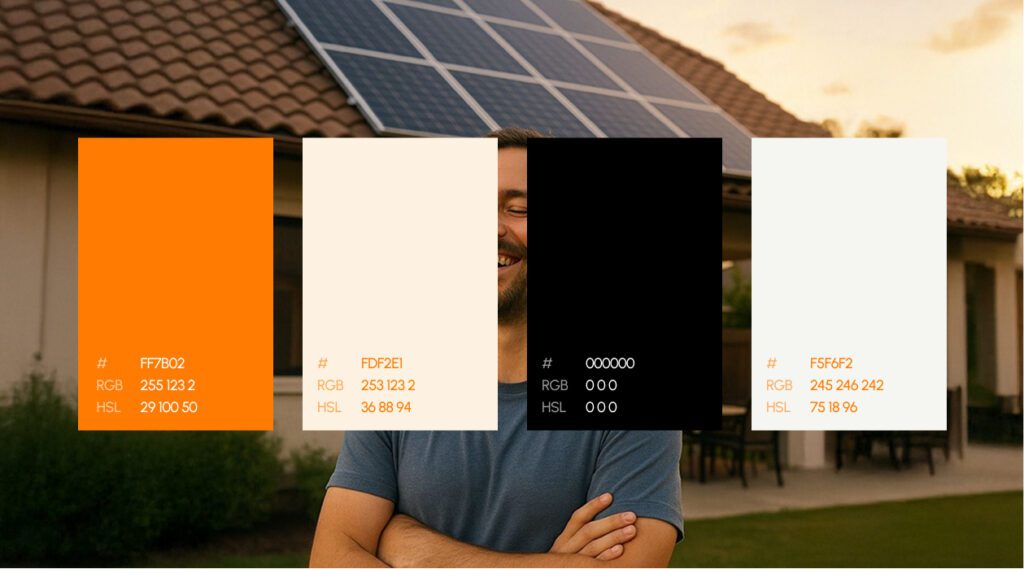
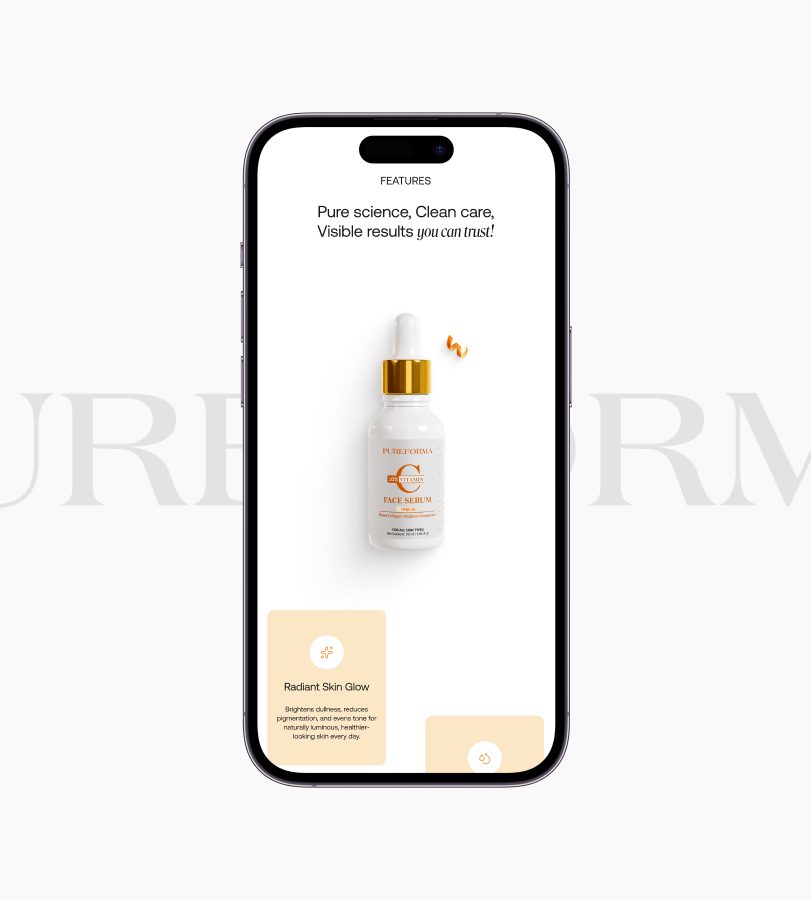
Your visual identity is often the first recognisable expression of your brand. It includes your logo, typography, colour palette, imagery, graphic elements, and overall design language. These elements should reflect your positioning rather than follow trends simply because they look appealing.
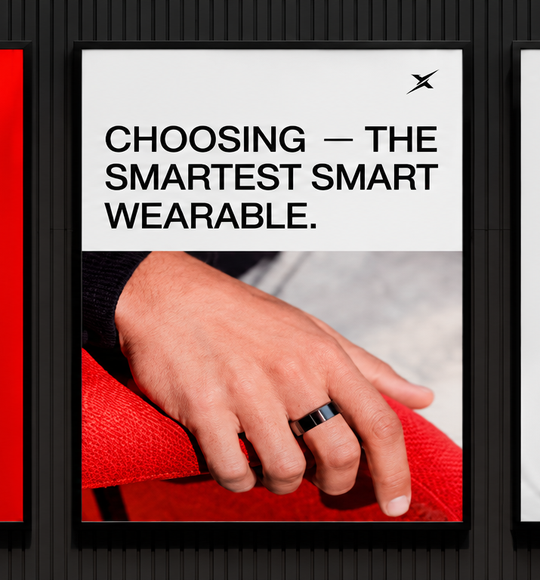
A technology startup might need an identity that communicates precision and accessibility, while a consumer brand could benefit from a more expressive and emotionally engaging visual language. The objective is not to make every startup look premium or minimalist. It is to create an identity that feels relevant to its audience, distinct within its category, and recognisable across different platforms.
3. Develop a Clear and Consistent Brand Voice
A brand communicates through more than visuals. Its language influences whether customers perceive it as approachable, authoritative, innovative, playful, or dependable. Without a defined voice, website copy, social media posts, product messaging, and sales materials can feel as though they belong to different businesses.
Create simple messaging guidelines that establish your brand’s personality, preferred vocabulary, tone, and key messages. Your website might require concise, benefit-led language, while social media may allow more conversational expression. The tone can adapt to the channel, but the underlying personality should remain consistent.
4. Understand Your Audience Beyond Demographics
Effective branding starts with understanding what motivates customers, not just how old they are or where they live. Their frustrations, expectations, purchasing habits, and concerns often reveal the strongest opportunities for differentiation.
For example, a startup offering a new mobility service must consider not only convenience but also the trust customers need before trying something unfamiliar. A B2B startup may need to communicate reliability, expertise, and the practical value of its solution before a prospective buyer agrees to a conversation. Audience research helps translate these needs into relevant messaging, design choices, and brand experiences.
5. Create a Consistent Digital Brand Experience
For many startups, the website is where brand perception meets business performance. It needs to communicate what the company does, whom it serves, and why its offering deserves attention. A visually attractive website cannot compensate for unclear messaging, confusing navigation, or a value proposition that takes too long to understand.
Your brand identity should carry through the website, landing pages, social media profiles, pitch decks, product interfaces, email communications, and sales materials. Consistency does not mean making every asset identical. It means creating a recognisable experience in which each touchpoint reinforces the same core positioning and builds confidence in the business.
6. Design a Brand System That Can Scale
Startups evolve quickly. Products change, teams grow, new customer segments emerge, and businesses expand into different markets. A brand designed around a single launch campaign or a handful of social media templates may become difficult to maintain as these changes happen.
A scalable brand system includes practical guidelines for typography, colours, logo usage, imagery, layouts, messaging, and other recurring assets. It gives internal teams and external collaborators a shared reference for creating consistent communications without having to reinvent the design every time. Investing in this foundation early can reduce future inconsistencies and make brand expansion more manageable.
7. Treat Branding as an Ongoing Business Investment
Branding is not a one-time exercise that ends when the logo and website go live. As a startup gathers customer feedback and gains market experience, its messaging and positioning may need to evolve. The challenge is to refine the brand without losing the qualities that make it recognisable.
Review how customers describe your business, which messages generate meaningful engagement, and whether your visual identity reflects the value you deliver. Monitor brand awareness, customer feedback, website engagement, and conversion quality where relevant. These signals can help identify where your brand is connecting with people and where clearer communication may be needed.
Startup Branding in Practice: Two Examples from Wings Design
Understanding branding principles becomes easier when you see how they translate into real business challenges. The following projects demonstrate how strategic thinking and visual identity can help startups communicate a more distinctive proposition.
Blyp: Building a Brand Around the Value of Time
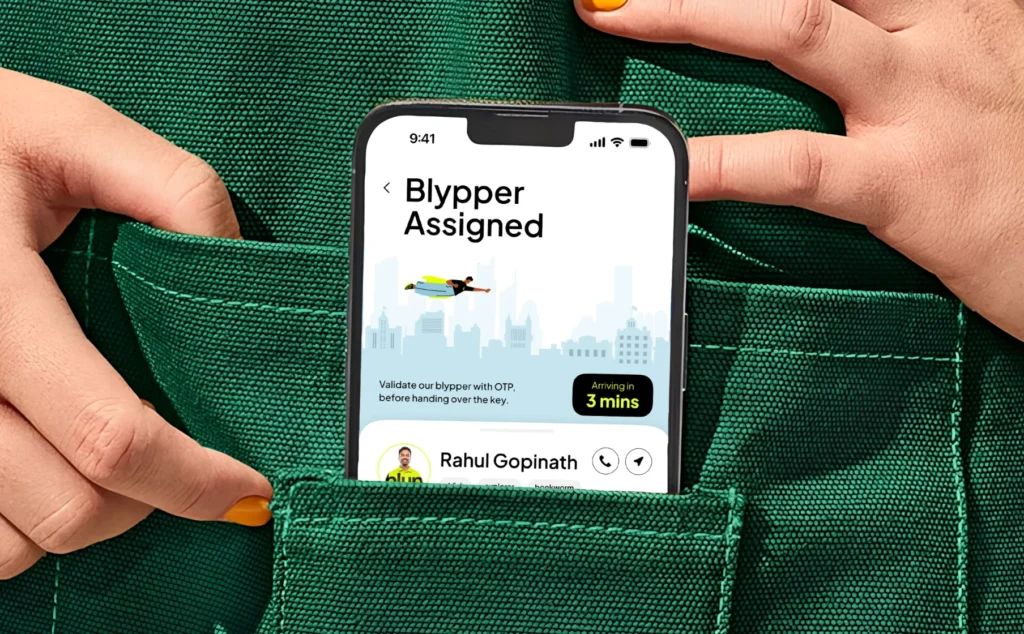
When Wings Design worked on Blyp, a smart mobility service, the challenge extended beyond creating a visual identity. The service needed to build trust in a category where customers are asked to hand over their car keys to someone they may not know. The brand also needed to distinguish itself from competitors that largely communicated the functional aspects of parking.
The strategic shift was to focus on what customers ultimately gained: time. Wings developed the positioning around the idea of a Smart Move, connecting the service to the freedom to spend less time parking and more time on what matters. The project included naming, brand positioning, narrative, tone of voice, and visual identity. A vibrant colour palette and a continuous-line graphic motif helped express movement, energy, and a sense of flow.
Blyp illustrates an important lesson for startup branding: the strongest positioning often comes from reframing the customer problem rather than simply describing the product.
Explore the Blyp branding project by Wings Design.
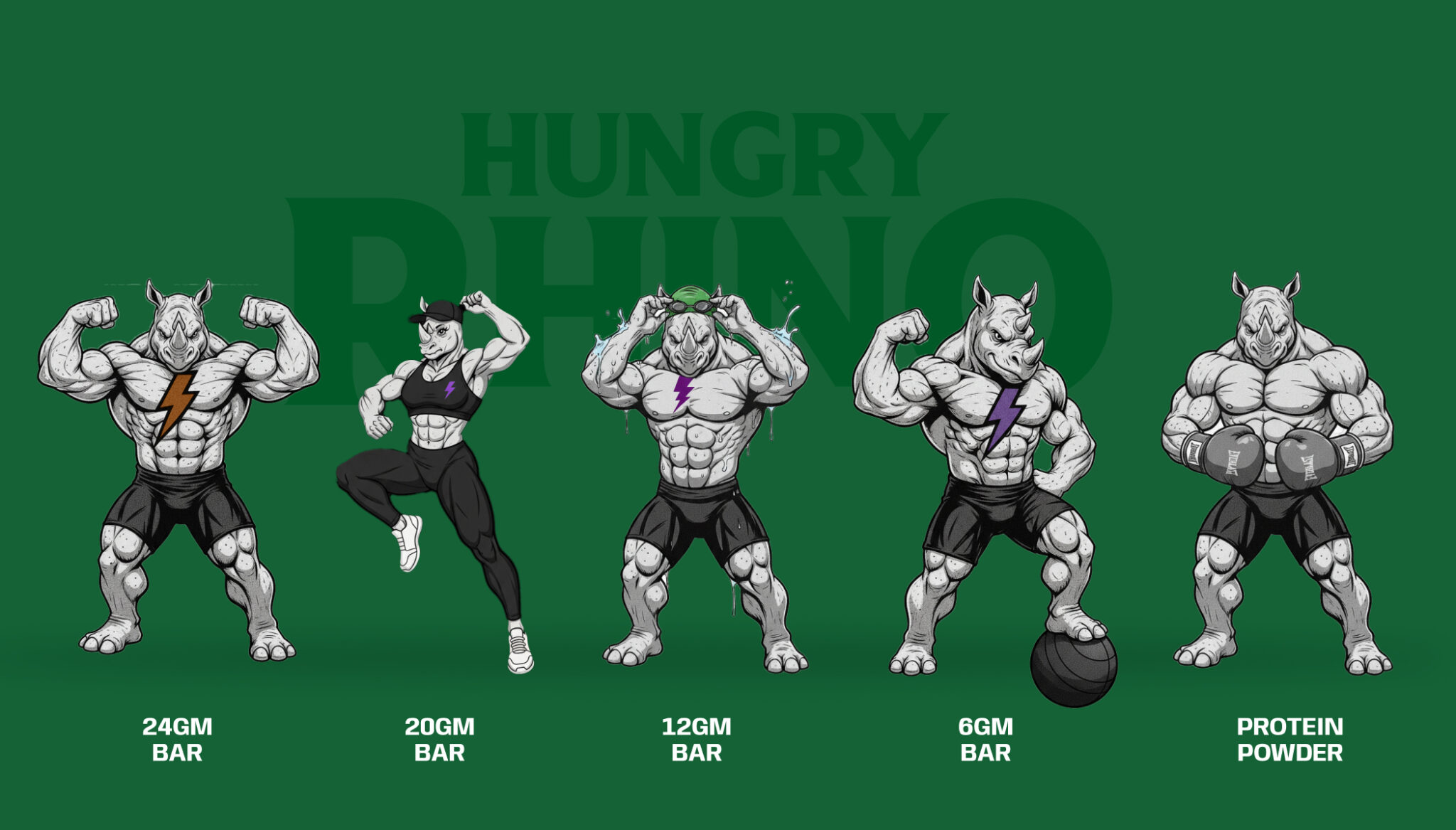
Hungry Rhino: Creating a Distinctive Brand Identity
Hungry Rhino offers another perspective on building a brand identity for a business entering a competitive market. In categories where products and services can appear similar, a startup needs a recognisable identity and a clear way to communicate its personality. Branding helps establish that distinction across the customer-facing materials through which people discover and evaluate the business.
A considered identity system gives the business a consistent visual foundation for communicating its offering, building recognition, and developing its market presence. Rather than treating the logo as an isolated asset, founders should consider how the identity works across different formats and how effectively it supports the wider brand story.
The broader takeaway is simple: distinctive branding should reflect the business’s strategic direction while remaining practical enough to use consistently as the company grows.

Explore the Hungry Rhino branding project by Wings Design.
Common Startup Branding Mistakes to Avoid
Even startups with promising products can weaken their market presence through avoidable branding decisions. Watch out for these common mistakes:
- Following trends without a strategy: A visual style that looks current may not communicate what makes your business different.
- Trying to appeal to everyone: Broad messaging often makes it harder for the right customers to understand why your offering is relevant to them.
- Prioritising the logo over the brand: A logo cannot resolve unclear positioning, inconsistent messaging, or a weak customer proposition.
- Copying established competitors: Competitor research should reveal gaps and opportunities, not encourage you to imitate another brand’s identity.
- Ignoring brand consistency: Different messages, colours, and visual styles across channels can make a new business appear less established.
- Treating branding as a launch-only activity: A brand needs to remain relevant as the product, audience, and business objectives evolve.
Avoiding these mistakes helps startups create a brand that is distinctive without being disconnected from their actual business goals.
When Should a Startup Invest in Professional Branding?
There is no single stage at which every startup must invest in a complete branding exercise. The right time depends on the maturity of the business, the complexity of its market, and the consequences of getting its positioning wrong.
Early-stage founders can begin with audience research, competitor analysis, a clear value proposition, and a basic visual identity. As the business prepares to launch, raise funding, enter a competitive market, or expand its product offering, a more structured branding process can help align strategy, identity, and communication.
Professional branding becomes especially valuable when the business struggles to explain what makes it different, when its identity no longer reflects its ambitions, or when inconsistent materials make growth difficult. The objective is not to invest in the largest possible brand system. It is to build the right foundation for the business’s current needs and future direction.
Build a Brand That Grows With Your Startup
A strong startup brand begins with clarity. It understands its audience, communicates a meaningful difference, and expresses that difference through a consistent identity and experience. When positioning, messaging, and design work together, branding gives customers a clearer reason to notice, trust, and choose a business.
For founders, the goal is not to look bigger than the company actually is. It is to communicate the value of the business with confidence and consistency. Whether you are preparing for launch or moving into your next stage of growth, a considered branding strategy can help turn a promising idea into a business people recognise and remember.
Looking to build a distinctive brand for your startup? Explore Wings Design’s branding services to see how strategy, identity, and design can come together to support your business’s next stage of growth.