

Introduction
For automobile brands, a website is more than a place to display vehicles. It is where customers explore new models, compare features, understand engineering, and decide whether a brand deserves their attention. Before visiting a showroom, booking a test drive, or speaking with a sales representative, many potential buyers interact with a brand through its digital presence. That makes automobile website design an important part of the customer journey, not simply a visual exercise.
A well-designed automotive website brings product storytelling, technical information, and intuitive navigation together in one experience. It communicates what makes a vehicle distinctive while helping visitors find the information they need without unnecessary effort. For electric vehicle startups, luxury automobile manufacturers, and established dealerships alike, the challenge is to create a digital experience that reflects the quality of the vehicle and makes the next step clear.
What Makes Automobile Website Design Different?
Automotive products have a strong visual and technical identity. A vehicle’s exterior design, interior detailing, performance, safety features, and engineering all influence how customers perceive its value. A conventional website layout may present these details, but an effective automotive website design turns them into a coherent experience that allows visitors to understand the product and connect with the brand.
The requirements also vary by business model. A dealership needs searchable inventory, vehicle comparisons, pricing information, and test-drive enquiries. A premium car manufacturer may prioritise craftsmanship, performance, and brand heritage. An electric mobility startup might need to introduce an entirely new category of vehicle, explain its technology, and build confidence before launch. The website’s structure and interactions should reflect these different objectives rather than forcing every automotive brand into the same template.
1. Build a Strong First Impression Through Visual Design
The opening screen sets expectations for the entire website. For an automotive brand, it should communicate the vehicle’s character through carefully selected imagery, typography, composition, and movement. A luxury sports car may benefit from cinematic photography and restrained layouts, while an electric vehicle startup could use a more experimental visual language to express innovation. The objective is to establish a recognisable identity without making the interface difficult to navigate.
Large product visuals can help visitors understand a vehicle’s proportions, finishes, and distinctive features. However, visual impact should support the message rather than compete with it. Clear headlines, concise product information, and a visible next step give visitors a reason to continue exploring. A well-structured first screen should answer three questions: What does the brand offer? What makes it different? Where can the visitor go next?
2. Use 3D Website Design to Bring Vehicles to Life
Automobiles are physical products whose design and engineering are central to their appeal. Traditional photography is useful for showcasing vehicles, but interactive 3D experiences can offer another way to explore their form, proportions, and details. When thoughtfully implemented, 3D website design creates a stronger connection between the digital experience and the product itself.
For example, a website can use scroll-controlled animation to reveal a vehicle gradually, shift between viewing angles, or bring attention to specific design elements. Interactive models can also support product exploration, helping visitors understand features that might otherwise be difficult to communicate through static imagery. These experiences are particularly relevant to premium automobiles, concept vehicles, and emerging electric mobility brands seeking to establish a distinctive digital identity.
The key is to make every interaction purposeful. Excessive animation, long loading sequences, and unnecessary visual effects can distract visitors and affect website performance. The best automotive web design balances immersion with usability, ensuring that the experience remains responsive and that essential product information is always accessible.
Project example: Mercellinie by Wings Design
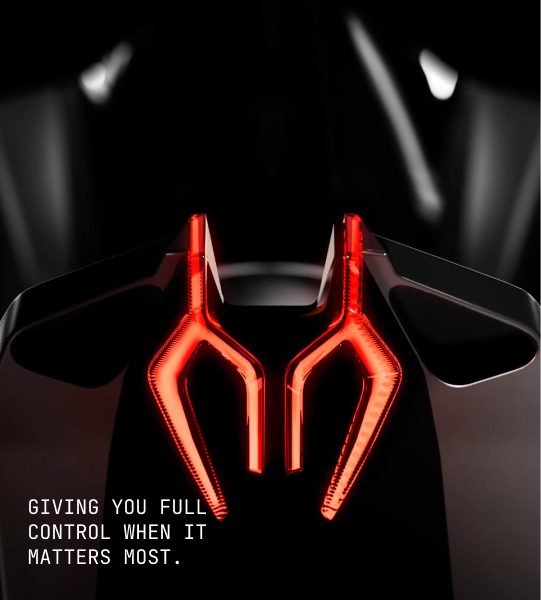
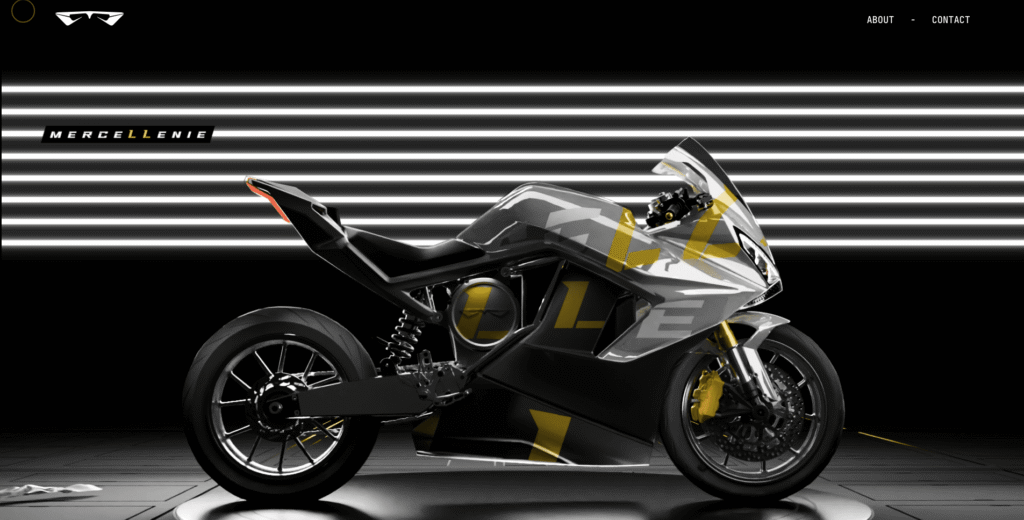
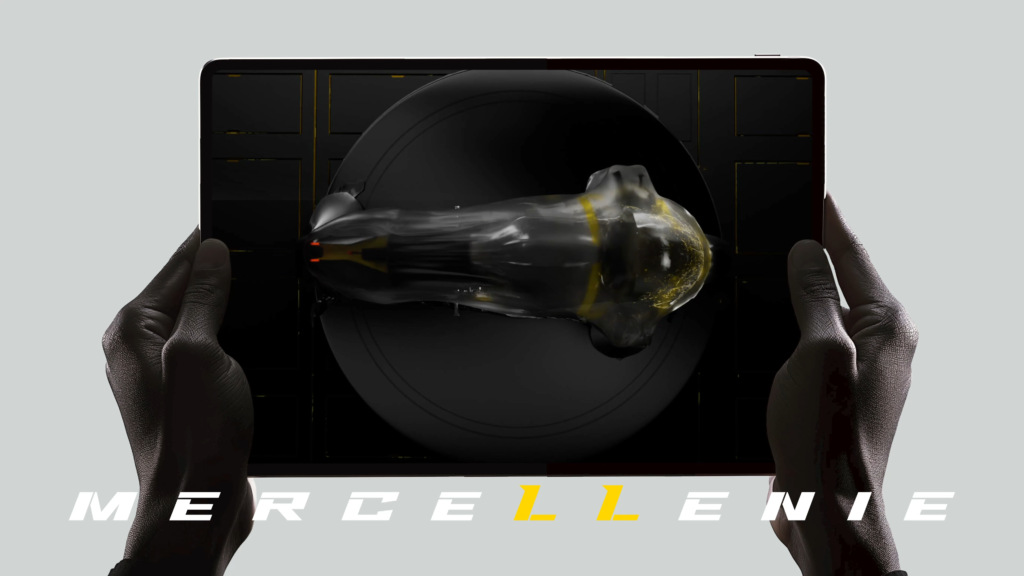
Wings Design’s work for Mercellinie demonstrates how 3D storytelling can shape an automotive brand’s digital presence. Developed for an emerging electric superbike concept, the website was designed to introduce a high-performance mobility product that was still at the prototype stage. Rather than relying on a conventional product page, the experience builds anticipation through a cinematic reveal.
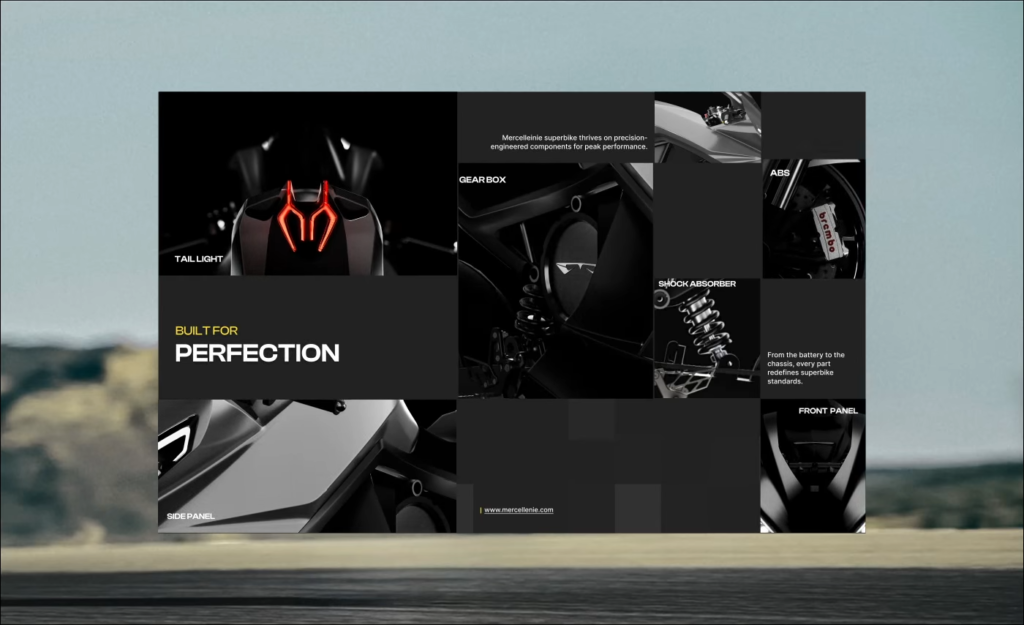
The website uses a dark, minimal interface, detailed 3D models, and scroll-driven camera movements to reveal the superbike from different perspectives. Built using React and Three.js, the experience brings the vehicle into focus gradually while communicating the brand’s emphasis on performance, engineering, and future-facing mobility. It also demonstrates how a website can introduce a product vision before a commercial launch, giving investors and prospective partners a clearer sense of the company’s ambition.
3. Design Navigation Around Customer Intent
An automotive website may contain product categories, model specifications, technology information, brand stories, dealership details, service resources, and enquiry forms. Without a clear information architecture, even a visually impressive website can become difficult to use. Visitors should be able to move between these sections naturally, with navigation labels that reflect what they are trying to accomplish.
For vehicle manufacturers, useful navigation categories might include Models, Technology, Innovation, Ownership, and Book a Test Ride. Dealerships may need separate paths for New Cars, Used Cars, Financing, Service, and Contact. The exact structure should follow the needs of the audience rather than internal departmental divisions.
Individual vehicle pages should also follow a predictable hierarchy. Start with the vehicle’s main proposition, then present its key features, specifications, available variants, gallery, and relevant actions. Consistent layouts help visitors compare models without having to relearn how the website works. On mobile devices, clear menus, accessible buttons, and short paths to important information become even more important.
4. Present Vehicle Specifications in a Clear, Useful Format
Automotive customers often evaluate several factors before making a decision. Depending on the vehicle, these may include engine performance, range, charging time, mileage, safety equipment, dimensions, comfort, technology, and price. A website should make these details easy to locate and understand rather than burying them in long blocks of text.
Organised specification tables, concise feature summaries, and comparison tools can help visitors evaluate their options. Technical terminology should be explained where necessary, particularly when presenting newer technologies such as electric drivetrains or advanced driver-assistance systems. For electric vehicles, information about battery capacity, driving range, charging compatibility, and charging time can be especially useful.
Accuracy is equally important. Specifications should be kept up to date, and differences between variants should be clearly identified. When customers can understand what they are comparing, they can make more informed decisions and approach the sales team with more relevant questions.
5. Create Mobile-First Automotive Experiences
Customers may discover a vehicle through a search result, social media post, digital advertisement, or referral. Many will first open the website on a smartphone, often while comparing options or looking for information on the move. Automotive website design must therefore work as effectively on smaller screens as it does on desktops.
Mobile layouts should prioritise readable text, appropriately sized controls, optimised images, and simple navigation. Product galleries and interactive elements need to respond smoothly to touch, while forms should request only the information necessary to complete an action. If a visitor wants to enquire about a model or schedule a test ride, the process should not require navigating through several unrelated pages.
Performance deserves equal attention. Large vehicle images, videos, and 3D assets can make a website feel immersive, but they can also slow it down when poorly optimised. Responsive images, compressed media, lazy loading, and careful control of third-party scripts help balance visual quality with speed. A fast, accessible mobile experience protects both usability and the opportunity to convert interested visitors.
6. Make Conversion Paths Clear and Relevant
An automotive website should guide visitors towards a useful next step without overwhelming them with sales messages. The appropriate call to action depends on the customer’s stage in the buying journey. Someone discovering a new vehicle might want to explore its features, while a more informed visitor may be ready to request a quotation, book a test drive, or contact a dealership.
Calls to action should be visible at relevant points throughout the experience. Examples include Explore the Model, Compare Variants, Book a Test Ride, Find a Dealer, and Request a Brochure. Each action should lead to a clear destination, with forms that ask only for essential details and explain what happens after submission.
For dealerships, useful conversion features may include inventory filters, financing information, trade-in enquiries, and service appointment booking. For manufacturers launching new vehicles, early-access registration or launch updates may be more appropriate. Tracking these interactions through analytics helps businesses understand which pages and actions generate meaningful enquiries, allowing them to improve the website based on actual visitor behaviour.
7. Strengthen Automotive SEO Through Website Structure
A visually impressive website will have limited organic reach if search engines cannot easily understand its content. Automotive SEO should be considered during the planning and development stages, rather than added after the design is complete. Page structure, internal linking, metadata, technical performance, and useful product information all contribute to a website that is easier to discover and navigate.
Start by mapping pages to the searches your audience is likely to make. A vehicle manufacturer may need dedicated pages for individual models, specifications, technology, and ownership information. A dealership may benefit from location-specific pages, searchable vehicle inventory, service pages, and financing resources. Each page should have a distinct purpose, descriptive title tag, relevant meta description, and clear heading structure.
Image optimisation is also important because automotive websites rely heavily on visual content. Descriptive image filenames, meaningful alternative text, appropriately sized assets, and crawlable page content help search engines understand the experience. Structured data can provide additional context where eligible, while XML sitemaps and sensible internal links help search engines discover important pages.
Finally, create useful content around customer questions. Articles explaining electric vehicle charging, vehicle maintenance, safety technologies, or comparisons between vehicle types can attract visitors earlier in the buying journey. SEO works best when technical foundations and informative content support the same objective: helping the right audience find the right information.
8. Make Brand Storytelling Part of the Experience
Automotive brands sell more than transportation. They communicate ideas about performance, freedom, sustainability, craftsmanship, innovation, and lifestyle. A website should express these qualities through the way it presents the product, structures its content, and guides visitors through the brand’s story.
For an established manufacturer, this might involve communicating its engineering heritage and design philosophy. For a luxury brand, material details, product photography, and restrained typography can reinforce a sense of craftsmanship. For an electric mobility startup, the website may need to explain its technology and long-term vision while making the product feel tangible and credible.
Consistency across product pages, campaigns, and enquiry journeys helps create a recognisable brand experience. Every section should feel like part of the same story, from the first impression to the final interaction. Strong storytelling becomes especially valuable when a brand introduces an unfamiliar product or competes in a crowded market where specifications alone may not create sufficient differentiation.
9. Balance Immersive Design With Accessibility and Performance
Advanced animation, video backgrounds, and interactive 3D models can make an automotive website distinctive, but they should never prevent visitors from accessing essential information. Motion should remain purposeful, text should have sufficient contrast, and interactive controls should be usable with a keyboard as well as a mouse or touchscreen. Alternative ways to access important content are essential when a browser or device cannot support a complex visual effect.
Performance testing should cover realistic devices and network conditions, not just high-powered development machines. Teams should monitor Core Web Vitals, optimise large assets, and test whether animations delay access to key content. Visitors should still be able to understand the product, navigate the website, and submit an enquiry if an optional animation fails to load.
The strongest automotive website experiences treat technology as a means to an end. Immersion creates interest, accessibility broadens usability, and performance keeps the experience practical. All three need to work together.
10. Measure Performance and Improve the Website Continuously
Launching a redesigned automotive website is the beginning of the optimisation process, not the end. Analytics can reveal how visitors interact with model pages, which content attracts organic traffic, where users leave the site, and which actions generate enquiries. These insights help teams identify whether the design is meeting both customer needs and business objectives.
Useful metrics include organic search impressions and clicks, engagement with product pages, vehicle comparison activity, test-drive bookings, enquiry form completion, and mobile performance. Heatmaps and session recordings can provide additional context about navigation difficulties or confusing interactions, provided they are implemented with appropriate privacy controls.
Businesses should use these findings to test specific improvements. For example, a dealership might simplify its inventory filters, while an electric vehicle startup could make charging information easier to find. Small, evidence-based changes can make the customer journey clearer without requiring a complete redesign every time a problem appears.
Conclusion: Build an Automotive Website That Moves Customers Forward
Effective automobile website design brings product presentation, user experience, technical performance, and search visibility into a single digital experience. It helps visitors understand the vehicle, explore the details that matter to them, and take the next step with confidence. Whether the goal is to sell vehicles, introduce an electric mobility concept, or strengthen a premium automotive brand, the website should reflect the product’s identity while making the customer journey straightforward.
Wings Design’s Mercellinie project illustrates how a carefully considered combination of 3D storytelling, interaction design, and web development can introduce an emerging automotive concept in a distinctive way. The broader lesson is that technology and visual design work best when they serve a clear business objective. For automotive brands planning a new website or rethinking an existing one, the opportunity lies in creating a digital experience that earns attention, communicates value, and turns interest into meaningful action.
Planning an automotive website? Explore Wings Design’s work on Mercellinie, an electric superbike website designed in Chennai, India, to see how immersive digital experiences can bring a mobility concept to life.