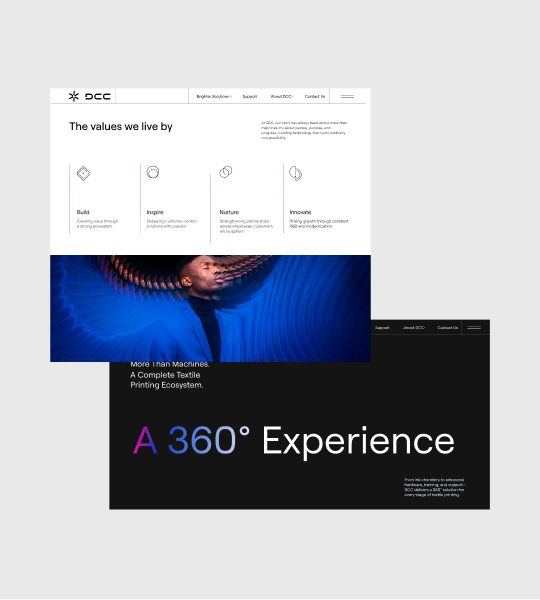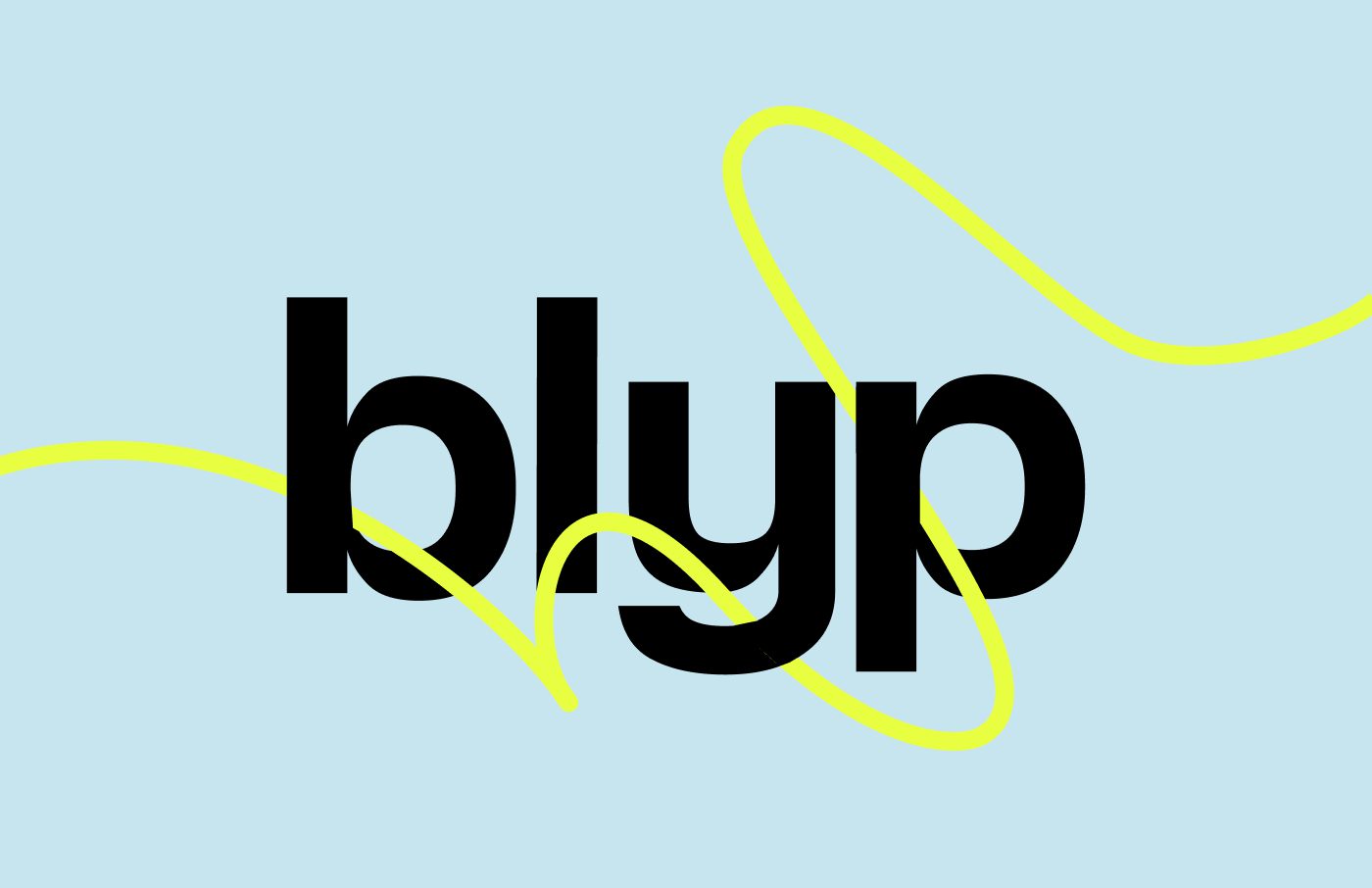

A brand is more than its name, logo or colour palette. It is the impression a business creates through every interaction with its audience. From the first website visit to a product’s packaging, every touchpoint contributes to how people perceive and remember a brand. This is where strategic brand identity design makes a difference. At Wings Design, a branding agency, we approach identity as a combination of strategy, visual language and purposeful design that helps businesses establish a distinctive market presence.
For businesses looking to build credibility and stand out in competitive markets, a strong brand identity provides a consistent foundation for communication and growth. It brings together the visual and verbal elements of a business, ensuring that its personality, values and positioning are recognisable across platforms.

1. What Is Brand Identity and Why Does It Matter?
Brand identity is the collection of visual and verbal elements that define how a business presents itself to the world. It includes the logo, typography, colour palette, imagery, graphic elements, messaging and tone of voice. Together, these components create a recognisable system that communicates what a brand represents and how it wants to be perceived.
A well-defined identity helps businesses differentiate themselves from competitors while creating a consistent experience for customers. It also gives internal teams a clear framework for marketing, communication and creative decisions. Rather than approaching every campaign or platform independently, businesses can build on an established identity that reinforces recognition over time.
2. A Logo Is Only the Beginning
A logo is often the most visible element of a brand, but it cannot communicate an entire business on its own. Relying solely on a logo without a supporting identity system can result in inconsistent branding across digital and physical platforms.
A complete brand identity includes a flexible visual system that works across different applications. Typography establishes personality, colours create recognition, imagery communicates positioning, and graphic elements add distinction. These elements should work together rather than operate as isolated design choices.
The objective is to create an identity that remains recognisable whether it appears on a website, business presentation, social media campaign, product label or outdoor advertisement.
3. Brand Strategy Should Guide Every Design Decision
Effective brand identity design begins before the creative process. Businesses need clarity on their audience, positioning, values, market expectations and competitive advantages. Without this understanding, even visually impressive branding can struggle to communicate the right message.
Brand strategy provides the direction for creative development. It establishes the brand’s personality, messaging priorities and differentiation, allowing designers to make informed decisions about its visual language. This ensures the final identity is not simply attractive but also relevant to the business and the audience it wants to reach.
4. Consistency Makes Brands More Recognisable
Customers interact with businesses through multiple channels, including websites, social media, advertisements, emails, packaging and physical experiences. When these interactions communicate different visual styles or messages, it becomes difficult for audiences to develop a clear perception of the brand.
A consistent identity system creates continuity across these touchpoints. Defined typography, colours, logo applications, imagery styles and brand guidelines help teams maintain the same visual language across every communication channel. This consistency strengthens recognition and gives customers a more cohesive experience.

5. Digital Branding Is an Essential Part of Brand Identity
A brand’s digital presence is often where potential customers form their first impressions. Its website, mobile experience, social media profiles and digital campaigns all influence how people perceive the business.
This makes digital adaptability an important part of identity development. Visual elements should work across different screen sizes, platforms and formats without losing their character. A responsive logo system, readable typography, adaptable graphic elements and consistent imagery help maintain brand recognition throughout the digital experience.
Brand identity and website design should therefore work together. When visual branding is carried consistently into the website’s user interface and overall experience, the result feels more coherent and credible.
6. When Should a Business Invest in Rebranding?
Brand identity is not something businesses establish once and leave unchanged forever. As companies expand, enter new markets, introduce services or target different audiences, their existing identity may no longer reflect their direction.
Some common reasons to consider rebranding include:
-
Business expansion: The existing identity no longer represents the company’s wider offerings or market presence.
-
Changing audience expectations: The brand’s visual language and communication no longer connect with its intended customers.
-
Lack of differentiation: The identity looks similar to competitors and struggles to establish recognition.
-
Inconsistent branding: Different teams and platforms communicate conflicting visual identities.
-
A shift in positioning: The business has evolved, but its branding still reflects an earlier stage.
A strategic rebranding exercise helps businesses align their identity with their current ambitions while retaining the recognition and trust they have already established.
7. Choosing the Right Brand Identity Design Agency
Developing a meaningful brand identity requires more than visual creativity. Businesses need a design agency that understands strategy, audience behaviour, market positioning and how branding translates into real-world applications.
When evaluating a brand identity design agency, consider its approach to research, strategy, creative development and implementation. Review its portfolio to understand whether it can build distinctive identities across different industries. Equally important is its ability to translate brand thinking into practical systems that work across digital platforms, marketing materials and business communication.
The right agency should be able to connect creative decisions with business objectives, ensuring that the identity remains relevant as the company grows.
Conclusion: Build an Identity That Goes Beyond Recognition
A memorable brand is built through consistency, clarity and a distinctive point of view. While visual elements create the first impression, a well-defined brand identity gives businesses the foundation to communicate effectively, establish credibility and build lasting recognition.
Investing in professional brand identity design allows companies to move beyond disconnected visual assets and create a cohesive brand experience. From strategy and visual identity to digital applications, every element should work towards communicating a clear and recognisable brand.
At Wings Design, we bring brand strategy and creative design together to develop distinctive identities that help businesses communicate with purpose and stand apart in their markets.
Ready to build a brand with a stronger identity?
Explore Wings Design’s branding services and create an identity that reflects where your business wants to go.