

A website is often the first place potential customers go to evaluate a business. Before scheduling a consultation, requesting a quote, or making a purchase, they look for signs that a company understands their needs and can deliver on its promises. A website that communicates clearly, presents relevant information, and makes the next step easy can help build that confidence. However, what establishes trust for a manufacturing company may be very different from what works for a luxury brand, fintech platform, or real estate developer.
This is where industry-specific website design becomes important. Rather than relying on a generic layout and familiar design trends, it considers the audience, buying behaviour, decision-making process, and expectations associated with a particular sector. The result is a digital experience that reflects how a business operates, what its customers need to know, and why they should choose it over competitors.
What Is Industry-Specific Website Design?
Industry-specific website design is the process of creating a website around the needs, expectations, and objectives of a particular industry. It combines visual design, user experience, content strategy, and functionality to make a business’s offering easier to understand and evaluate.
For example, a real estate developer may need immersive property visuals, location details, floor plans, and enquiry forms. A B2B manufacturing company may need technical specifications, product catalogues, certifications, and quotation requests. A fintech business, meanwhile, must communicate reliability, simplify complex information, and help users navigate financial products with confidence.
Although these websites serve different purposes, they share one objective: making it easier for the intended audience to understand the business and take the next step.
1. It Builds Trust Through Industry-Relevant Design
Trust begins when visitors feel that a business understands their requirements. A website that reflects the standards, language, and expectations of its industry can help establish that connection from the first interaction.
Consider a luxury brand. Restrained typography, thoughtful spacing, high-quality imagery, and carefully presented products can communicate attention to detail and exclusivity. A technology company may need a more structured approach, with clear product explanations, interface demonstrations, and evidence of technical capability. Neither approach is universally better. Its effectiveness depends on the audience and the message the business needs to communicate.
Industry relevance should also extend beyond aesthetics. Case studies, client credentials, certifications, testimonials, product information, and transparent business details give visitors concrete reasons to trust a company. When visual presentation and credible information work together, the website becomes more than a digital brochure. It becomes a useful source of reassurance during the buying process.
2. It Creates a Better User Experience
Visitors arrive at a website with specific questions. They may want to compare products, understand a service, assess technical capabilities, explore properties, or determine whether a provider meets their requirements. When information is difficult to find or the navigation does not reflect these priorities, users may leave before discovering what the business offers.
Industry-specific UX design addresses this by organising information around real user tasks. An industrial website might prioritise product categories, specifications, downloadable resources, and technical enquiries. A real estate website may put property discovery, project details, location information, and site visits at the centre of the experience. A SaaS website might guide visitors from understanding a problem to exploring features, comparing plans, and booking a demonstration.
These decisions reduce unnecessary effort and help visitors move through the website with greater clarity. Responsive layouts, accessible interfaces, intuitive navigation, and fast-loading pages further support that experience across devices. The goal is not simply to make a website attractive, but to make it useful at every stage of the customer journey.
3. It Communicates Value More Clearly
Businesses often lose potential customers because their websites describe what they offer without explaining why it matters. Technical terminology, broad claims, and generic headlines can make even a strong product or service difficult to evaluate.
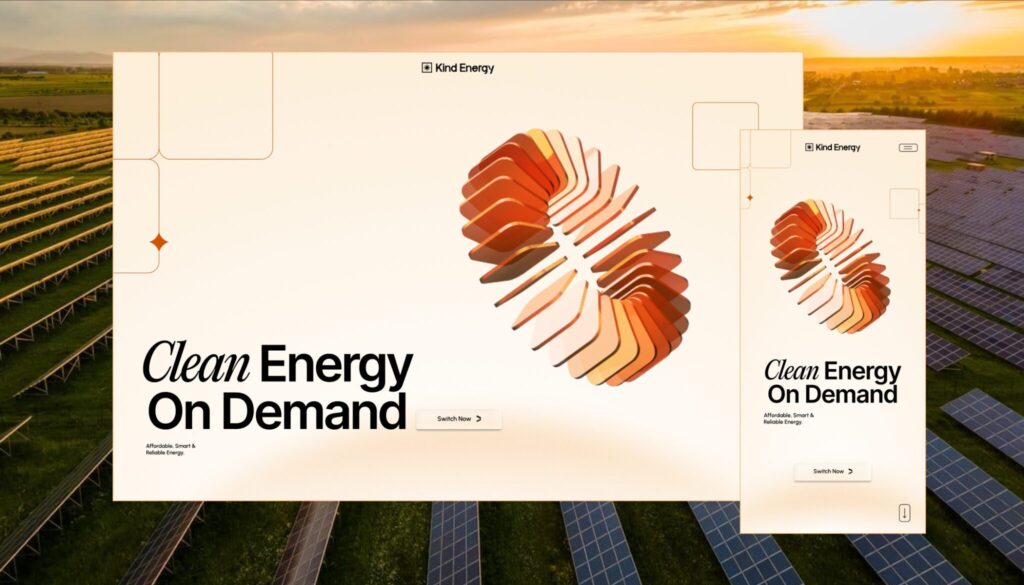
An industry-focused content strategy helps translate business capabilities into benefits that matter to the intended audience. A manufacturing company can explain how its capabilities support production requirements, quality standards, or supply-chain needs. A renewable energy provider can present project experience, implementation processes, and measurable performance data. A B2B technology company can show how its product addresses operational challenges through practical examples and demonstrations.
Clear messaging also helps visitors determine whether a business is the right fit. Instead of forcing them to interpret broad claims, the website provides relevant information that supports informed decisions. This makes the value proposition more credible and gives prospective customers a stronger reason to continue the conversation.
4. It Supports the Customer’s Decision-Making Process
Not every customer makes a decision in the same way. Some purchases happen quickly, while others involve research, comparisons, multiple stakeholders, and lengthy approval processes. A website should account for the level of consideration required before a customer commits.
For a real estate developer, that might mean providing detailed project information, location advantages, available configurations, and a straightforward way to arrange a visit. For an enterprise technology provider, it could involve service documentation, implementation details, case studies, and consultation options. For an ecommerce business, clear product descriptions, delivery information, reviews, and a frictionless checkout may have a greater influence on conversion.
The important principle is to match website content and functionality to the questions customers ask before taking action. When visitors can find the information they need at the right moment, they have fewer reasons to delay or abandon their decision.
5. It Helps Turn Website Traffic into Qualified Leads
Website traffic alone does not guarantee business growth. A website needs to guide relevant visitors towards meaningful actions, whether that means submitting an enquiry, requesting a quotation, booking a consultation, or making a purchase.
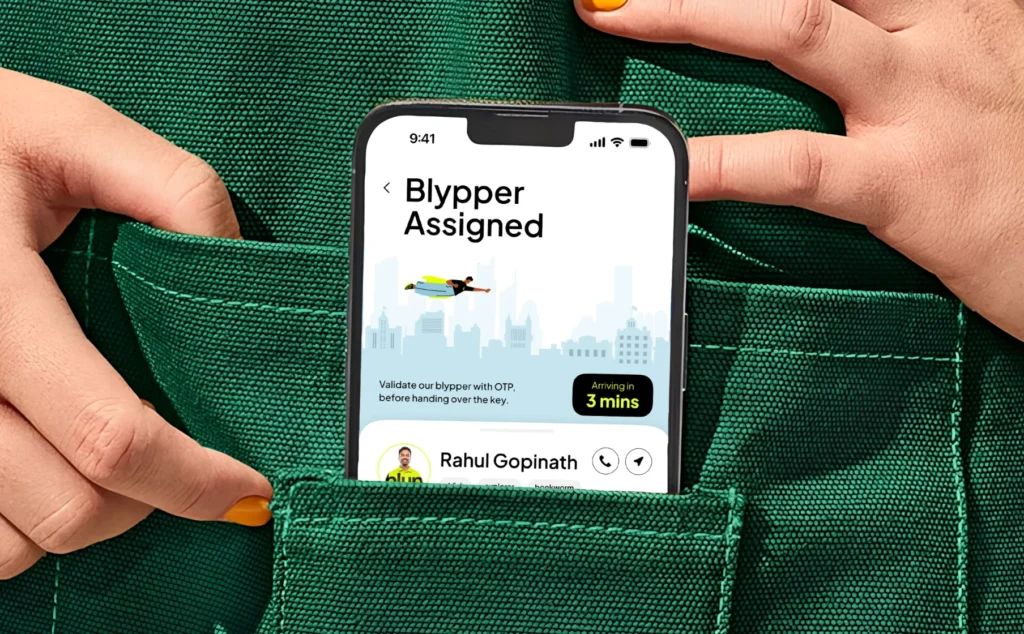
Industry-specific conversion design focuses on the actions that matter most to a particular business. A B2B service provider may benefit from a consultation form that captures project requirements and timelines. A property developer may need enquiry forms placed alongside individual projects. A SaaS company could use product demonstrations and trial registrations to help prospects evaluate its offering.
Calls to action should be specific, visible, and appropriate to the visitor’s stage in the decision process. Forms should request only the information needed to move the conversation forward, while the surrounding content should explain what happens next. Analytics and conversion tracking can then help businesses identify where users engage, where they drop off, and which improvements are most likely to make a difference.
6. It Strengthens Search Visibility and Discoverability
A well-designed website should help both people and search engines understand what a business does and whom it serves. Industry-specific structure creates opportunities to organise services, products, and expertise around the topics prospective customers are actively researching.
For example, a business serving the automotive sector may need dedicated pages for relevant services, capabilities, and projects. A company working with manufacturers could organise content around product categories, technical applications, and industry challenges. Clear page titles, descriptive headings, logical internal links, useful content, and a crawlable site structure help search engines interpret these pages.
Technical performance matters too. Mobile usability, page speed, accessibility, and well-implemented structured data can support a stronger overall website experience. However, industry-specific design is not a shortcut to rankings. Search visibility depends on a combination of relevance, content quality, technical health, authority, and competition. The value of an industry-focused approach is that it gives businesses a more deliberate foundation for meeting the needs behind relevant searches.
7. It Creates a Distinct Position in a Competitive Market
When competitors use similar templates, stock imagery, and interchangeable messaging, their websites can begin to look and sound alike. This makes it harder for potential customers to recognise meaningful differences between businesses.
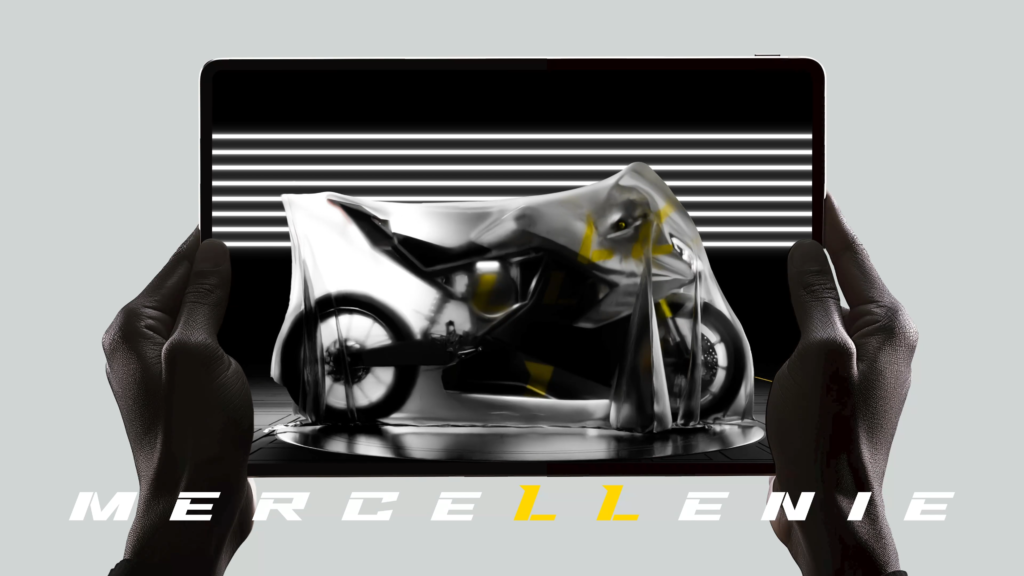
Industry-specific design creates room for a more distinctive presentation of expertise. A brand can use its visual identity, messaging, project examples, and digital interactions to communicate what sets it apart. A company working in advanced technology might emphasise precision and innovation, while a consumer brand could focus on personality, product appeal, and emotional connection.
Distinctiveness should still serve a purpose. Design choices are most effective when they reinforce the brand’s positioning and help users understand the offering. A website that looks different but creates confusion will struggle to build trust. A website that combines a recognisable identity with clear communication can make the business easier to remember and evaluate.
Examples of Industry-Specific Website Design in Practice
Different industries require different digital priorities. Understanding these differences helps businesses invest in website features that serve their audiences rather than adding functionality without a clear objective.
- Real estate and construction: Project galleries, floor plans, location information, virtual tours, and enquiry journeys help prospective buyers evaluate developments.
- Automotive: Vehicle imagery, specifications, product exploration, and immersive interactions help communicate design, performance, and product differentiation.
- Manufacturing: Product catalogues, technical documentation, certifications, and quotation forms support detailed B2B evaluation.
- Financial technology: Clear product explanations, transparent information, accessible interfaces, and secure user journeys help reduce uncertainty.
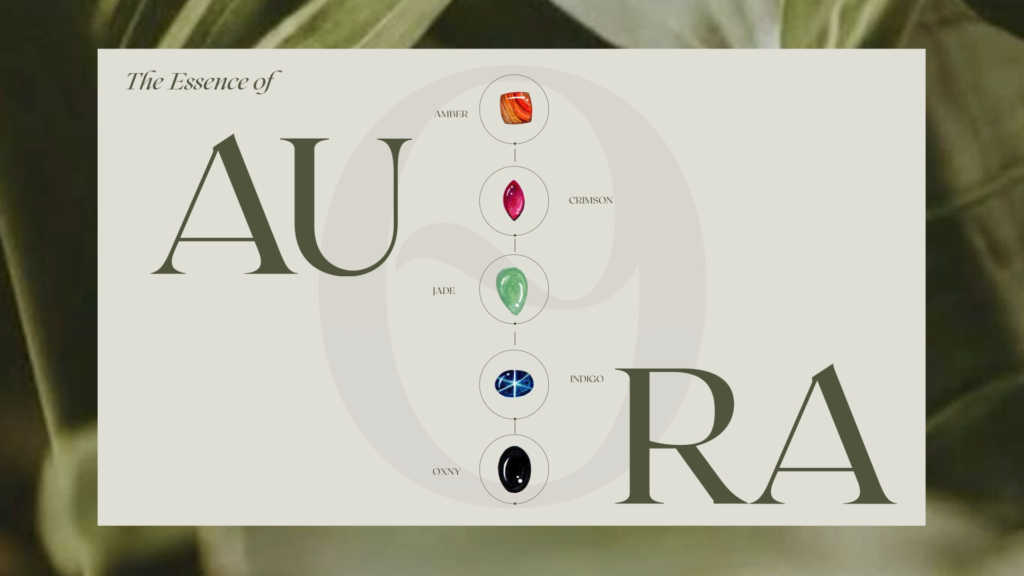
- Luxury and lifestyle: Art direction, typography, product presentation, and consistent storytelling support a distinctive brand experience.
- AI and emerging technology: Demonstrations, use cases, capability explanations, and clear product messaging help make complex offerings easier to understand.
These examples illustrate why a one-size-fits-all approach is rarely sufficient. The right design decisions depend on the business model, the audience, and the action the website needs to support.
How to Choose the Right Website Design Approach for Your Industry
Before beginning a website project, businesses should establish what the website needs to achieve and how customers will use it. A few strategic questions can help guide the process.
Who is the primary audience? Identify the people visiting the website, their level of familiarity with the offering, and the information they need before making a decision.
What should visitors do next? Define the most important actions, such as requesting a quote, exploring a product, booking a consultation, or completing a purchase.
What evidence builds credibility? Determine which proof points matter to the audience, including case studies, reviews, certifications, technical details, or project experience.
What makes the business different? Translate the company’s strengths into clear messaging, relevant content, and a visual identity that reflects its positioning.
How will performance be measured? Track meaningful outcomes such as qualified enquiries, conversion rates, engagement with key pages, and completed transactions rather than relying on traffic alone.
Answering these questions before moving into visual design helps align strategy, content, UX, and development around measurable business objectives.
Conclusion
Industry-specific website design is about more than adapting colours, imagery, or layouts to a particular sector. It involves understanding how customers evaluate businesses, what information they need, and which experiences help them move confidently towards a decision. When a website reflects those needs, it can communicate value more clearly, reinforce credibility, and make it easier for visitors to take meaningful action.
For businesses investing in their digital presence, the opportunity lies in treating the website as an extension of their expertise and customer experience. The strongest results come when industry knowledge, brand strategy, user experience, content, and technical performance work together to support a clear commercial goal.
Build a Digital Experience Around Your Industry
At Wings Design, we approach digital experiences with an understanding of brand positioning, user needs, and business objectives. From branding and UI/UX to website design and development, the focus is on creating digital experiences that communicate value and help businesses move forward.
Explore our industry expertise to see how design can support different business needs.