


Every school, college, university, and coaching institute has a brand, whether or not it has ever planned one. Parents form opinions from your website, students judge you by your social media, and alumni describe you at family gatherings. The only question is whether that perception is shaped deliberately or left to chance.
Branding for education is not the same as branding a shoe company or a restaurant. The purchase is emotional, long-term, and high-stakes. Families are not choosing a product; they are choosing where a child will spend years of their life. That makes trust the currency of education branding, and it is why so many well-meaning institutions get it wrong.
Below are the most common branding mistakes we see across schools, colleges, and edtech platforms, along with practical ways to fix each one.

Explore the digital design process behind blossom heights
01. Confusing a Logo with a Brand
The mistake: Many institutions believe branding means designing a new logo, crest, or colour palette. They invest in a redesign, print new banners, and assume the job is done.
Why it hurts: A logo is a symbol of your brand, not the brand itself. Your brand is the sum of every experience someone has with you: the phone call to the admissions desk, the tone of your emails, the way teachers greet visitors, the condition of your campus. A beautiful logo cannot compensate for a confusing enrolment process or an unresponsive front office.
How to fix it: Start with strategy before design. Define your purpose, values, personality, and promise. Then audit every touchpoint, from your website to your reception area, to see whether it delivers on that promise. Visual identity should come last, as an expression of who you are.
02. Trying to Be Everything to Everyone
The mistake: Prospectuses across the sector read the same: “world-class education,” “holistic development,” “future-ready learners,” “excellence in academics and beyond.” When every institution claims everything, no one is believed.
Why it hurts: Generic messaging makes you interchangeable. If a parent cannot tell within thirty seconds how you differ from the school down the road, they will decide on price, distance, or a friend’s opinion.
How to fix it: Choose a clear position. Maybe you are the school known for project-based learning, the college with the strongest industry placements, or the coaching institute that gives every student personal mentoring. Be specific and provable. A focused brand does not turn people away; it attracts the right families and makes them more committed once they arrive.
03. Ignoring Brand Consistency
The mistake: The website uses one set of colours, the brochure another, and the social media pages a third. The tone is formal in the prospectus, casual on Instagram, and robotic in email replies. Different departments create their own posters and presentations with no shared guidelines.
Why it hurts: Inconsistency signals disorganisation. In education, where families are entrusting you with a child’s future, looking unprofessional quietly erodes confidence. It also weakens recall: people remember brands they see repeated the same way.
How to fix it: Create a simple brand guidelines document covering logo usage, colours, typography, photography style, and tone of voice. Include practical templates for presentations, letters, social posts, and event materials. Share it with staff, and appoint someone responsible for keeping standards intact. Consistency does not mean rigidity; it means everyone is recognisably part of the same institution.

Explore the digital design process behind zedbee
04. Focusing Only on Rankings and Results
The mistake: Many institutions build their entire brand story around exam scores, league tables, or placement figures. The message becomes a list of numbers and trophies.
Why it hurts: Results matter, but they are rarely unique for long, and they don’t explain what the experience of learning with you is like. Rankings can also change year to year, leaving your brand dependent on factors you don’t fully control. Parents and students increasingly want to know about culture, wellbeing, teaching quality, and values, not just outcomes.
How to fix it: Use results as proof, not as your whole story. Pair achievement data with narrative: how students grow, how teachers support them, what your community feels like. A line such as “95% pass rate” is far more powerful next to a story of a student who arrived struggling and left confident.
05. Neglecting Storytelling
The mistake: Institutions communicate through facts, facilities, and fee structures. The human stories inside the institution, such as a teacher who stayed late to help a student, an alumnus who started a company, or a class project that changed a neighbourhood, go untold.
Why it hurts: People rarely make education decisions on data alone. They decide on trust and emotion, then justify the choice with facts. Without stories, your brand feels distant and transactional.
How to fix it: Build a steady pipeline of authentic stories: student journeys, faculty profiles, alumni successes, and parent testimonials. Use video, photography, and short written pieces across your website and social channels. Always get consent and keep stories genuine. Overly polished testimonials often feel less credible than honest, specific ones.
06. Treating the Website as an Afterthought
The mistake: The website is outdated, slow, difficult to navigate on mobile, or packed with dense text and stock photos. Key information such as fees, admissions dates, and contact details is buried.
Why it hurts: For most families, your website is the first real interaction with your brand, and often the deciding one. In many markets, the majority of prospective students and parents research institutions on their phones before ever visiting. A weak site suggests a weak institution, whatever the reality.
How to fix it: Treat your website as your digital front door. Make it fast, mobile-friendly, and easy to navigate. Answer the questions families actually ask: What will it cost? What is a typical day like? How do I apply? Use real photographs of your students and campus, include clear calls to action, and keep content updated. A strong education brand feels welcoming online before anyone walks through the gates.

Explore the digital design process behind kind energy
07. Overlooking Internal Branding
The mistake: Institutions invest heavily in external marketing but never explain the brand to their own teachers, administrators, and support staff. Employees don’t know the institution’s positioning, values, or story.
Why it hurts: Your people are your brand. A teacher’s warmth, a receptionist’s helpfulness, or a counsellor’s honesty shapes perception more than any advertisement. If staff are not aligned with the message, the gap between promise and reality quickly becomes obvious.
How to fix it: Launch your brand internally first. Hold workshops, share the brand story, and explain what the values mean in daily behaviour. Recognise staff who embody them. When employees believe in the brand, they become its most convincing ambassadors.
08. Underusing Alumni and Parent Communities
The mistake: Once students graduate, contact fades. Parents are treated as customers to be billed rather than partners to be engaged.
Why it hurts: In education, word of mouth is the most powerful marketing channel. Alumni and parents are living proof of your promise, and most of your future enrolments will come from their recommendations. Neglecting them wastes your most credible brand assets.
How to fix it: Build structured alumni networks with mentoring, events, newsletters, and career support. Invite parents into school life through feedback sessions, volunteering, and showcase events. Encourage reviews and referrals, and make it easy to share positive experiences. Communities that feel valued speak on your behalf.
09. Copying Competitors Instead of Differentiating
The mistake: When a competitor launches a new campaign, adopts a trending design style, or promotes a new programme, institutions rush to imitate it.
Why it hurts: Imitation makes you a follower, and followers rarely win attention. It also creates a sea of similar-looking brands, making the whole market harder to navigate for families.
How to fix it: Keep an eye on competitors, but base your decisions on your own strengths and audience insights. Ask what you do that no one else does, and what your community values most about you. Differentiation comes from authenticity, not from mirroring the market.
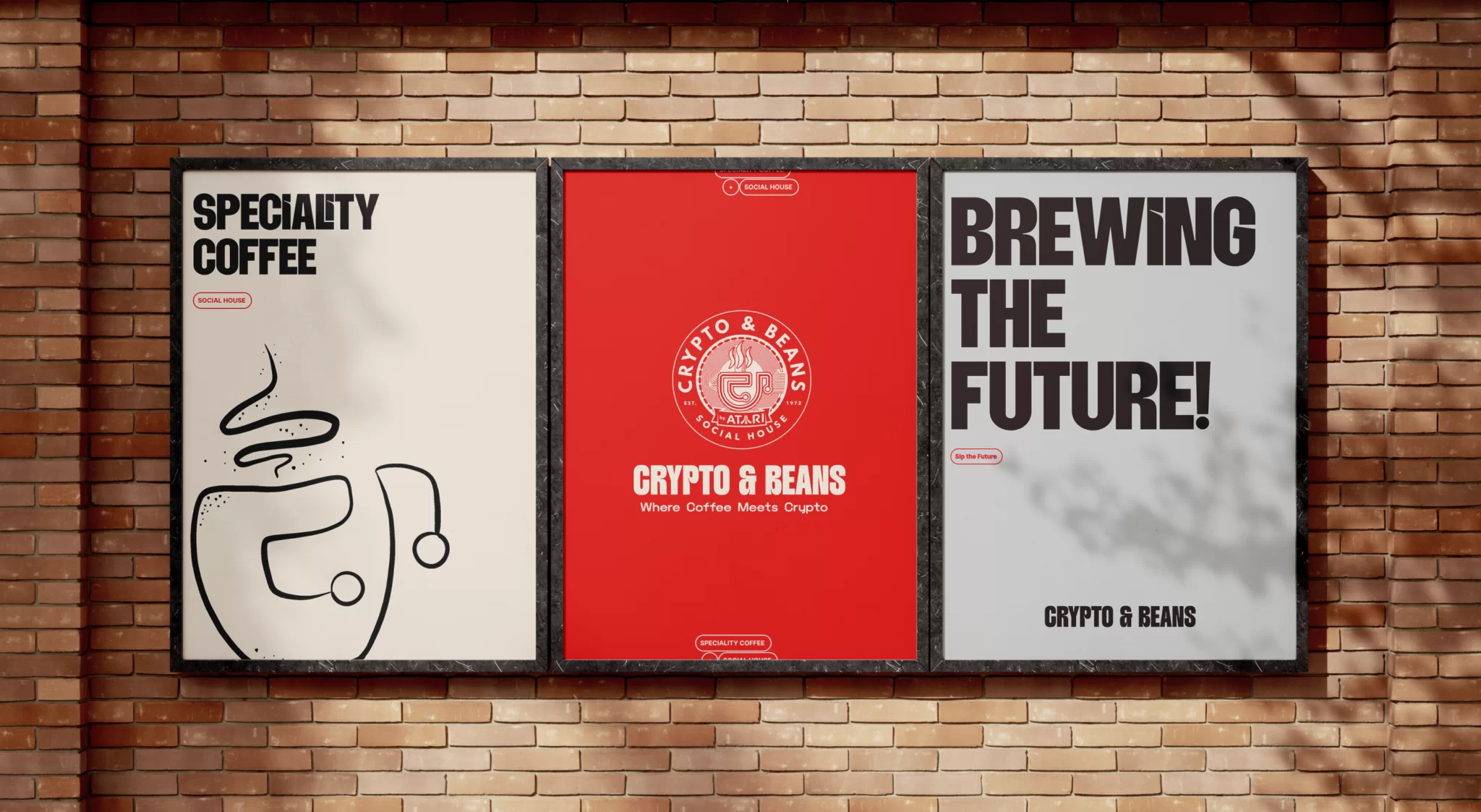
Explore the digital design process behind crypto bean
10. Failing to Measure Brand Health
The mistake: Success is judged only by enrolment numbers. There is no tracking of awareness, reputation, sentiment, or how the brand is perceived over time.
Why it hurts: Enrolment is a lagging indicator. By the time numbers drop, damage to reputation has usually been building for months or years. Without measurement, you can’t tell which branding efforts work.
How to fix it: Track a balanced set of indicators: website traffic and inquiry quality, social engagement, online reviews, Net Promoter Score among parents and students, alumni engagement, and brand recall in surveys. Review them regularly and adjust your approach. Branding for education is a long-term investment, and progress becomes visible only when you monitor it.
Putting It All Together
The pattern behind most of these mistakes is the same: institutions treat branding as a cosmetic exercise or a marketing campaign rather than a strategic, institution-wide commitment. The most respected education brands share a few habits. They know exactly who they serve and what they promise. They deliver that promise consistently across every touchpoint. They tell honest stories, empower their people, and nurture their communities.
If you are unsure where to begin, try this simple starting checklist:
- Write a one-sentence statement of what makes your institution distinct.
- Audit your website, prospectus, and social media for consistency.
- Interview a handful of parents, students, and staff about how they describe you.
- Identify the three biggest gaps between your promise and their experience.
- Fix one gap at a time, and measure the result.
Strong branding for education is not built overnight, but every improvement compounds. Institutions that invest in clarity, consistency, and trust don’t just attract more enrolments; they build reputations that last for generations.
Final thought: Your brand is already being written by every parent, student, teacher, and visitor who interacts with you. The real opportunity is to guide that story with intention.