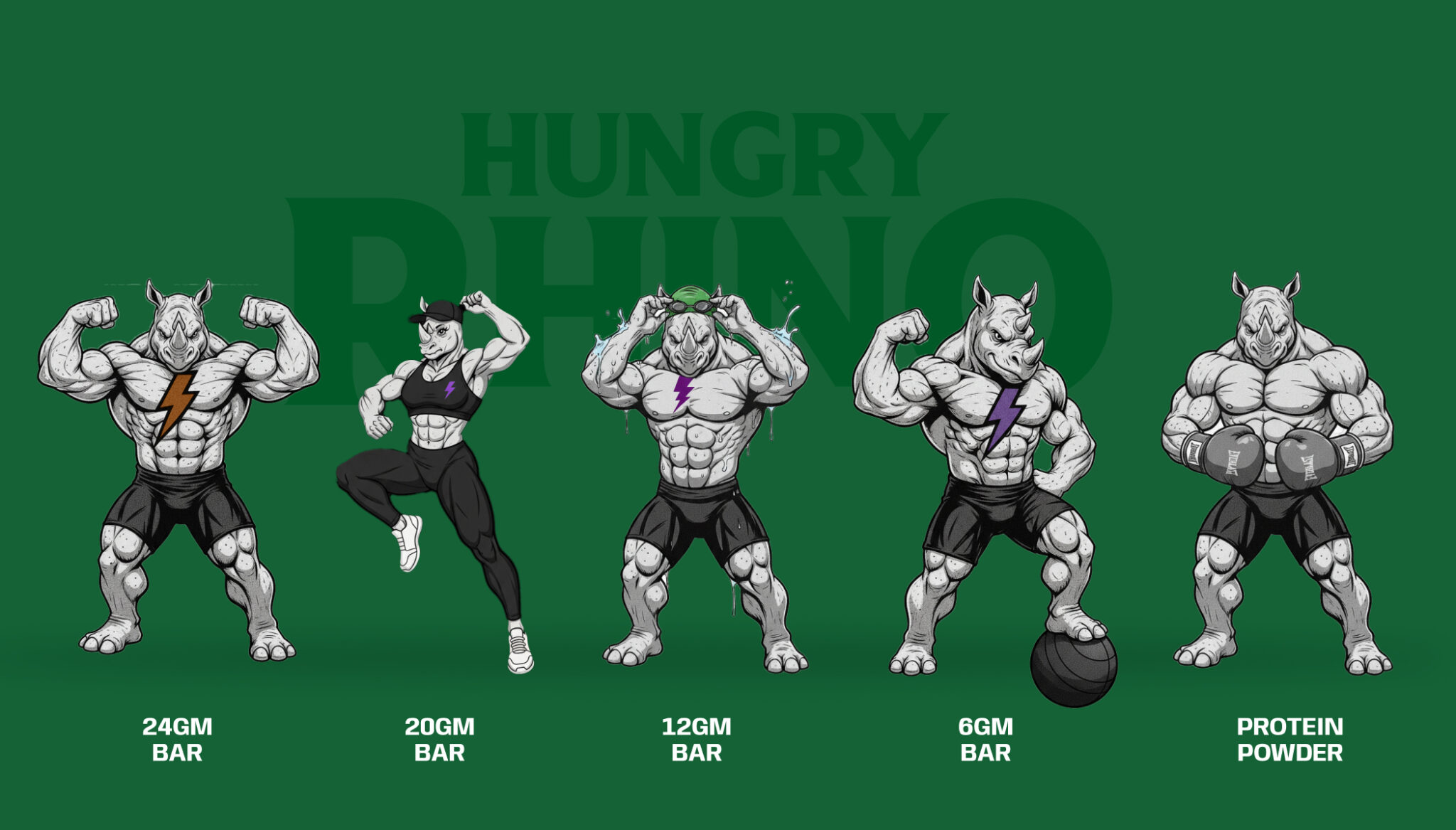


Why Brand Consistency Matters
A strong brand is more than a logo, a color palette, or a memorable tagline. It is the complete experience people associate with a business. From the way a website looks to the tone used in social media posts, every interaction contributes to how customers perceive a brand.
This is why brand consistency matters.
When a business communicates with the same visual identity, messaging style, colors, typography, and personality across different platforms, customers begin to recognize it more easily. Consistency creates familiarity, and familiarity can build trust.
However, maintaining consistency becomes difficult as a business grows. Different designers may use different colors, marketing teams may create varying messages, and social media content may develop a completely different personality from the website.
This is where brand guidelines become essential.
Brand guidelines provide a clear framework for how a brand should be represented. They give employees, designers, marketers, agencies, and other partners a shared reference point, helping everyone communicate the brand in a consistent way.

Explore the Branding behind the Diamensions.
What Is a Brand Guideline?
A brand guideline, also called a brand style guide or brand book, is a document that explains how a company’s identity should be presented visually and verbally.
It establishes rules for elements such as:
- Logo usage
- Brand colors
- Typography
- Photography
- Graphics and iconography
- Tone of voice
- Messaging
- Overall visual style
A good brand guideline does not simply tell people what they can and cannot do. It explains the reasoning behind the brand identity and provides practical examples of how to use it.
For example, a logo section might explain where the logo can appear, how much clear space it requires, which versions are available, and which backgrounds should be avoided. Similarly, a tone-of-voice section can explain whether the brand should sound professional, friendly, playful, authoritative, or conversational.
The Key Elements of a Strong Brand Guideline
Brand Purpose & Values
Every effective brand guideline should begin with the foundation of the brand: its purpose, mission, vision, and values.
These elements explain why the brand exists and what it stands for. For example, if sustainability is one of a company’s core values, that principle should influence everything from marketing messages to photography and packaging choices.
Logo Usage
The logo is one of the most recognizable elements of a brand. Guidelines should explain how it should be used correctly.
This may include:
- Primary and secondary logo versions
- Minimum logo size
- Clear space requirements
- Approved backgrounds
- Color variations
- Incorrect usage examples
Showing incorrect examples can be particularly helpful because it prevents stretching, recoloring, rotating, or overcrowding the logo.
Color Palette
Colors play an important role in creating emotional associations and visual recognition.
A brand guideline should identify primary and secondary colors and provide their specifications, such as HEX, RGB, CMYK, and, where relevant, Pantone values. Clear color rules ensure that a brand looks consistent whether it appears on a website, social media post, brochure, or product package.
Typography
Typography influences how a brand communicates visually.
Guidelines should define primary and secondary typefaces, font weights, heading styles, body text, spacing, and hierarchy. A technology company, for example, might use a clean and modern typeface, while a luxury brand may choose typography that communicates elegance and sophistication.
Photography & Visual Style
Photography helps communicate a brand’s personality and values.
Brand guidelines can explain preferred photography styles, lighting, composition, subjects, backgrounds, and editing techniques. Instead of simply saying “use professional images,” strong guidelines provide examples of what fits the brand and what does not.
Iconography & Graphics
Icons, illustrations, patterns, shapes, and other graphic elements can make a brand more distinctive.
Guidelines should explain how these elements should look and how they should be used alongside the logo, colors, and typography.
Tone of Voice & Messaging
Brand consistency is not only visual. The words a company uses are equally important.
Tone-of-voice guidelines explain how the brand should communicate with its audience. They may define whether communication should be:
- Friendly or formal
- Simple or technical
- Serious or playful
- Inspirational or practical
This ensures that an email, advertisement, social media caption, and website page all feel like they come from the same brand.

Explore the Branding behind the Shivam.
Why Every Brand Needs Clear Brand Guidelines
Builds Brand Recognition
Consistent branding makes it easier for customers to recognize a company.
When the same colors, typography, imagery, logo treatments, and messaging appear repeatedly, these elements become associated with the business.
Over time, customers may recognize a brand even before seeing its name.
Creates Consistency Across Channels
Modern brands communicate across numerous platforms.
A business may have a website, Instagram account, LinkedIn profile, email campaigns, advertisements, brochures, packaging, presentations, and physical stores. Without guidelines, each platform can start looking and sounding different. Brand guidelines create a common standard across all these touchpoints.
Strengthens Brand Credibility
Inconsistent branding can make a business appear disorganized or unreliable.
On the other hand, a consistent identity communicates professionalism and attention to detail. Customers may be more likely to trust a company when its communication feels polished and cohesive.
Saves Time and Reduces Confusion
Brand guidelines also provide practical benefits for internal teams.
Instead of repeatedly asking questions such as “Which logo should we use?” or “What font is approved?”, team members can refer to the brand guide. This speeds up the creative process and reduces unnecessary revisions.
Supports Business Growth
As companies grow, more people become involved in creating brand communications.
New employees, freelancers, agencies, designers, and marketing teams need to understand the brand quickly. A well-developed guideline acts as a central source of truth, making it easier to scale the brand without losing its identity.
Brand Guidelines Across Different Touchpoints
Website & Digital Platforms
A website should reflect the brand’s visual identity through its colors, typography, imagery, buttons, layouts, and tone of voice. Brand guidelines help designers and developers maintain consistency across pages and digital products.
Social Media
Social media often involves frequent and fast content creation.
Without clear rules, posts can quickly become inconsistent. Guidelines can establish templates, image styles, typography, color usage, caption tone, and other content standards.
Marketing & Advertising
Advertising campaigns may involve different formats and platforms, but they should still feel connected to the same brand. Guidelines help ensure that advertisements maintain recognizable visual and messaging elements while allowing creative flexibility.
Print & Packaging
Brochures, business cards, product packaging, signage, and promotional materials should also follow the brand system. Print guidelines can be especially important because colors and typography may appear differently in physical formats.
Internal Communications
Brand consistency should not stop at customer-facing communication. Presentations, internal documents, company announcements, recruitment materials, and employee communications can also reflect the brand’s identity.

Explore the Branding behind the Blyp.
Common Problems Caused by Inconsistent Branding
- Brand Confusion: Different logos, colors, or messaging can make it difficult for customers to recognize the same company across platforms.
- Weak Brand Recognition: Constantly changing visual elements reduce the repeated cues customers use to remember a brand.
- Inefficient Workflows: Designers and marketers may waste time searching for assets, selecting fonts, or deciding which logo version to use.
- Negative Brand Perception: Inconsistency can make a brand appear less professional, organized, and trustworthy.
- Reduced Effectiveness: Over time, inconsistent branding can weaken customer engagement and overall brand impact.
How to Create Effective Brand Guidelines
Creating brand guidelines begins with understanding the brand itself.
Start by defining the brand’s purpose, audience, positioning, personality, and values. These foundations should guide the visual and verbal identity.
Next, document the core visual elements. Include the approved logo files, color palette, typography, photography direction, graphic elements, and layout principles.
However, avoid making the guideline unnecessarily complicated. The goal is to make it useful, not overwhelming. A practical brand guide should answer questions quickly.
For example:
Can this logo be used on a dark background?
Which font should be used for headings?
What tone should social media captions have?
Which colors should be used for buttons?
What type of photography represents the brand?
The answers should be easy to find.
It is also useful to include real-world examples. Show how the guidelines apply to social media posts, advertisements, presentations, websites, packaging, and other relevant materials.
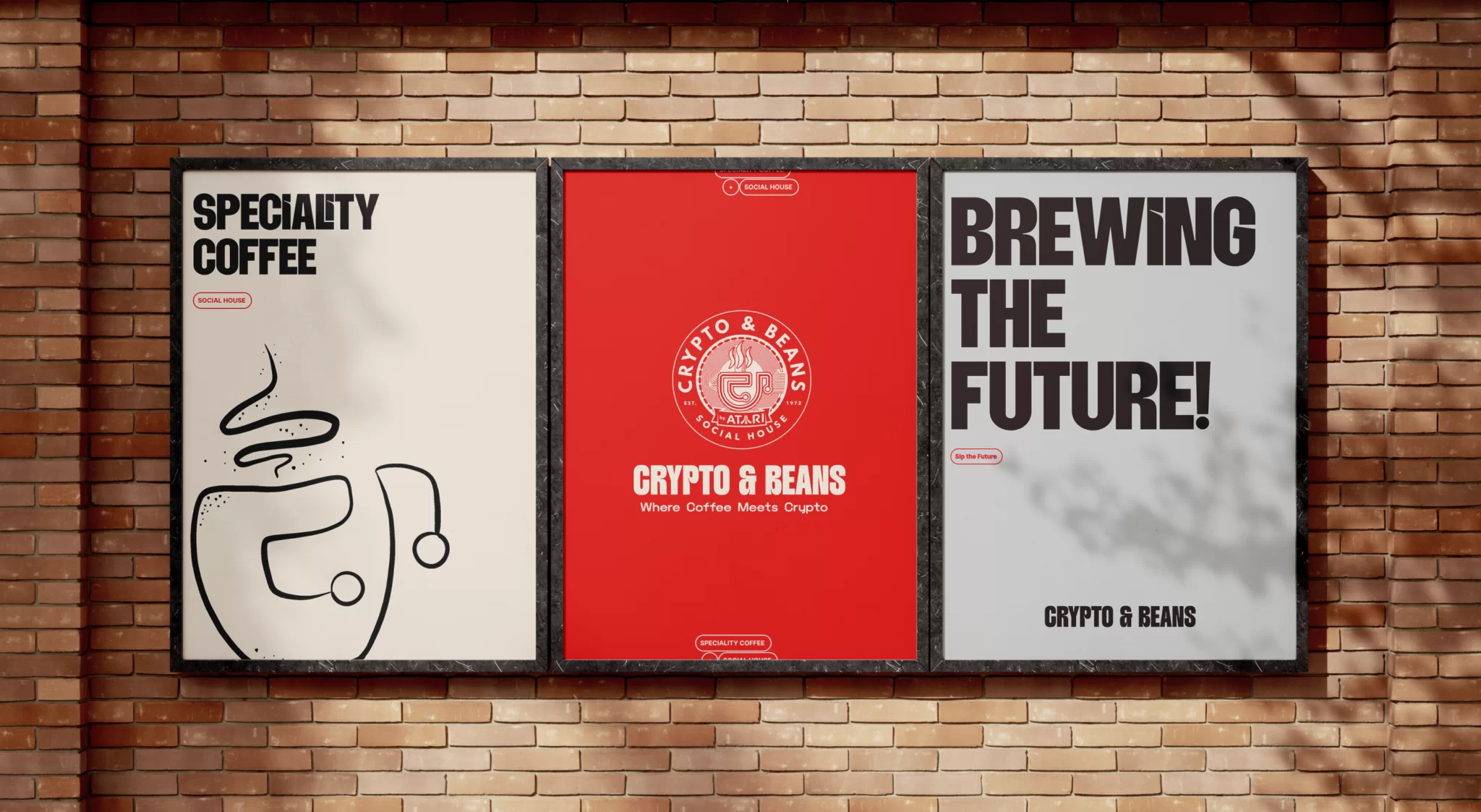
Explore the Branding behind the Crypto bean.
Best Practices for Maintaining Brand Consistency
Creating guidelines is only the beginning. Businesses must also ensure that the guidelines are actually followed.
First, make the guidelines easily accessible. Store the latest version in a location that relevant team members can access.
Second, maintain an organized library of approved assets. This can include logos, fonts, templates, photography, icons, and other brand resources.
Third, educate employees and external partners. Even excellent guidelines are ineffective if people do not understand how to use them.
Fourth, assign responsibility for brand management. A designated brand owner or team can review materials and help resolve questions.
Finally, review brand applications regularly. Auditing websites, social media channels, advertisements, and other communications can reveal inconsistencies before they become larger problems.
Real-World Examples of Strong Brand Guidelines
Many globally recognized companies demonstrate the value of consistent branding.
Brands such as Apple, Coca-Cola, Nike, and Google have developed highly recognizable identities. Their visual systems and communication styles remain identifiable across different channels and markets. What makes these brands effective is not simply that they have attractive logos. Their identities are supported by consistent design principles and recognizable communication patterns.
For example, Apple’s branding is strongly associated with simplicity and minimalism. Nike combines distinctive visual assets with motivational messaging. Coca-Cola has built decades of recognition around its color, typography, packaging, and emotional storytelling.
These examples demonstrate an important principle: strong brands create systems, not just individual designs.
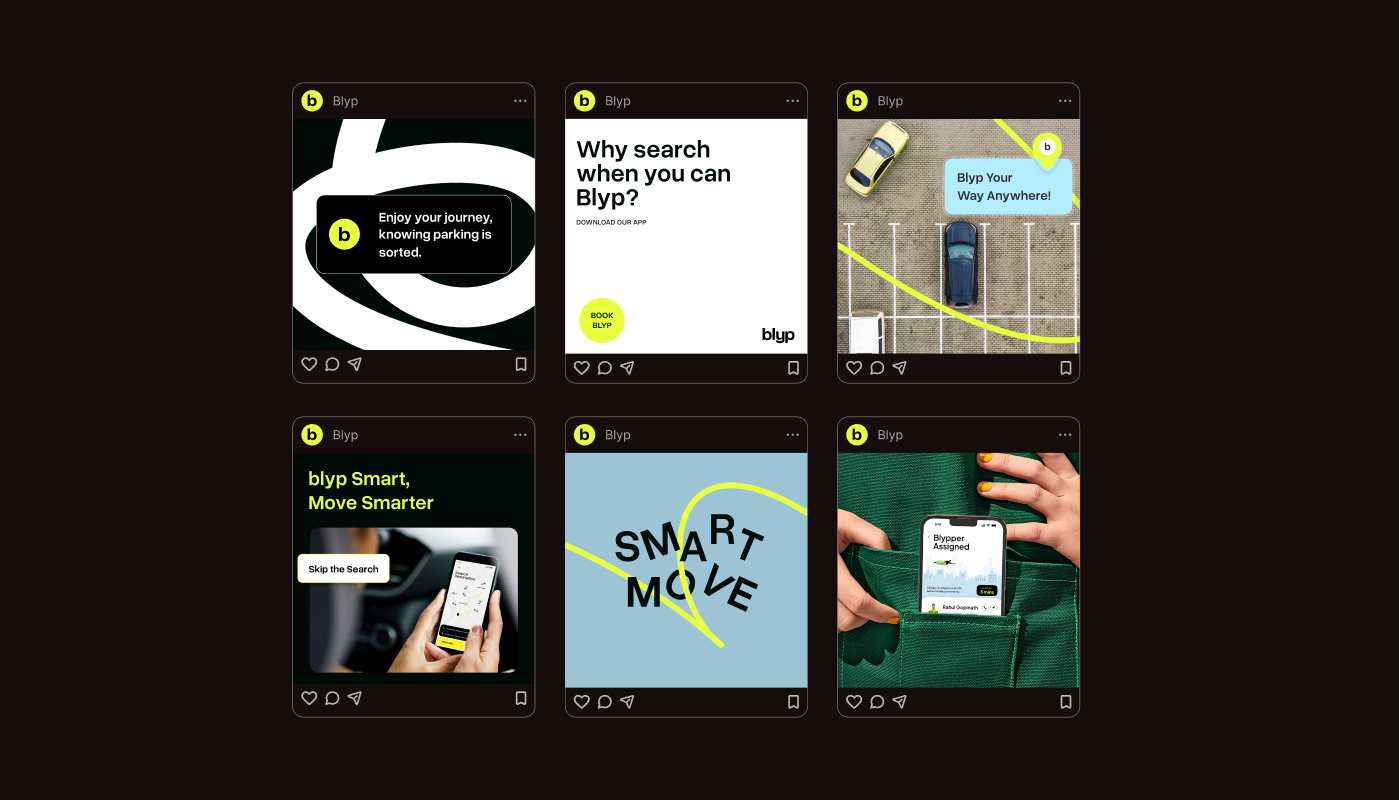
Explore the Branding behind the Blyp.
When and How to Update Your Brand Guidelines
Brand guidelines should provide stability, but they should not become permanent restrictions. Businesses evolve. Their audiences change, new platforms emerge, and visual trends develop. Sometimes a company may reposition itself or introduce new products and services.
When this happens, brand guidelines may need to evolve as well. However, updates should be intentional. A company should avoid changing its identity simply because a new design trend becomes popular. Instead, it should ask whether the change supports its long-term strategy and strengthens communication with its audience.
When updating guidelines, consider:
- What is working well?
- What feels outdated?
- Has the target audience changed?
- Has the company’s positioning changed?
- Are new digital platforms creating new requirements?
- Can the existing identity be improved without losing recognition?
A brand refresh does not always require a complete rebrand. Sometimes small adjustments to typography, colors, imagery, or messaging can modernize the identity while preserving existing brand equity.
Turning Consistency Into Brand Strength
Brand guidelines are much more than a collection of design rules. They are a strategic tool for protecting and strengthening a company’s identity. They establish how a brand should look, sound, and behave across different touchpoints. By defining everything from logo usage and color palettes to typography, photography, messaging, and tone of voice, they give teams a shared framework for communication.
Most importantly, effective brand guidelines create consistency without eliminating creativity. A good guideline does not tell designers and marketers to make everything identical. Instead, it establishes recognizable principles within which creative work can happen.
As a business grows, this consistency becomes increasingly valuable. It improves recognition, builds credibility, reduces confusion, saves time, and helps create a stronger relationship with customers. Ultimately, successful branding is not about being consistent for the sake of consistency. It is about creating a clear, recognizable, and trustworthy experience every time someone interacts with your business.
When every touchpoint supports the same identity and communicates the same values, consistency becomes more than a design principle, it becomes a competitive advantage. And that is the real power of strong brand guidelines: they turn individual marketing efforts into one unified brand experience.

Akshita Shivani Sundar
Senior Graphic Designer