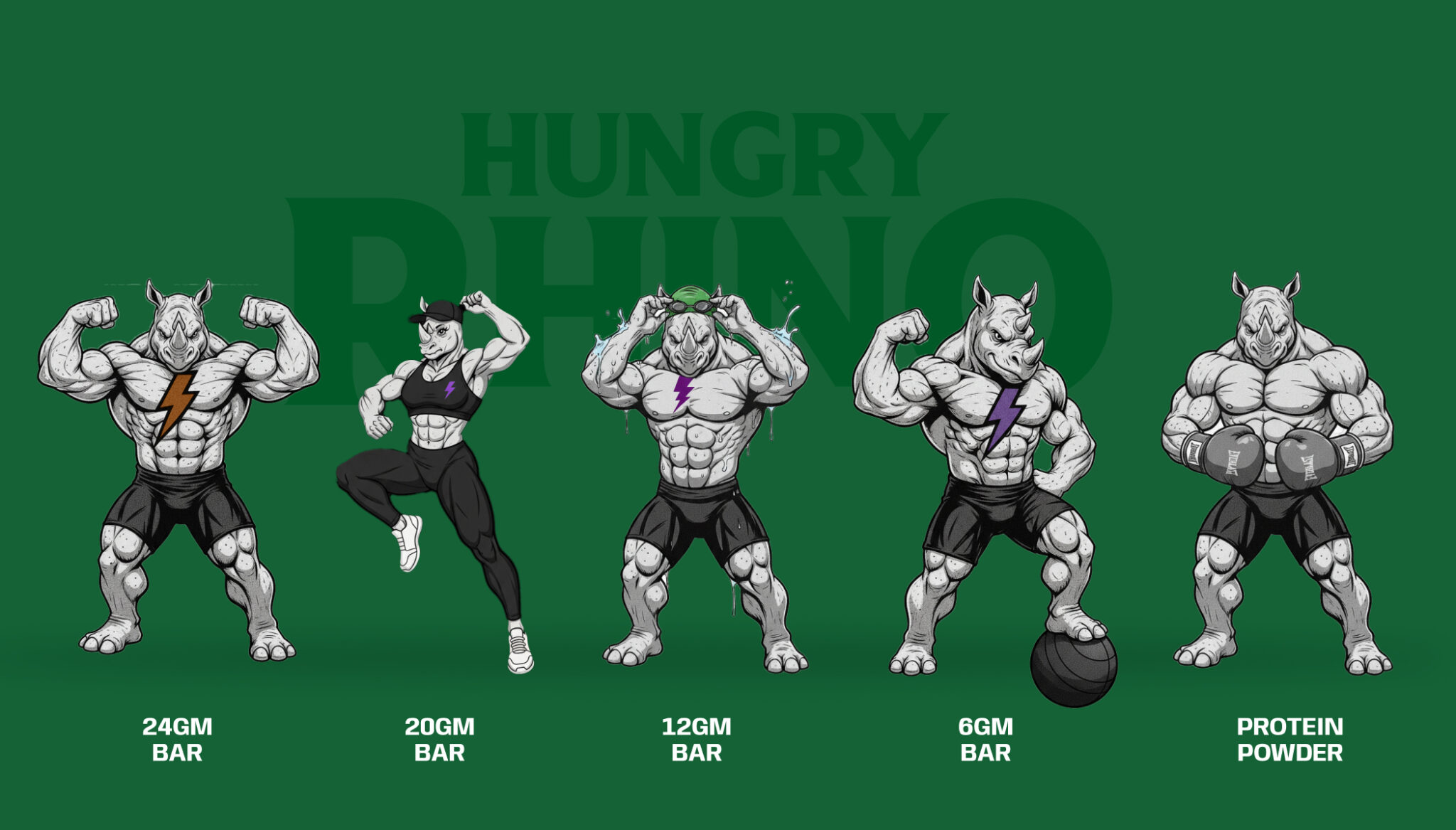


Introduction
Branding is more than just a logo or color scheme, it’s the identity of your business and how customers perceive it. A strong brand helps you stand out, build trust, and create loyal customers. Whether you’re starting a new business or rebranding an existing one, having a clear branding strategy is essential for long-term success.
This guide explains the key steps to building a successful company brand, from defining your purpose to measuring your branding success.
What Is Company Branding?
Company branding is the process of creating a unique identity for your business. It includes your mission, values, messaging, visual identity, and customer experience. While branding defines who you are, marketing promotes your business. Branding builds trust, while marketing generates awareness.
Benefits of Strong Branding
- Builds customer trust
- Improves brand recognition
- Increases customer loyalty
- Creates a competitive advantage
- Supports premium pricing
- Strengthens business growth
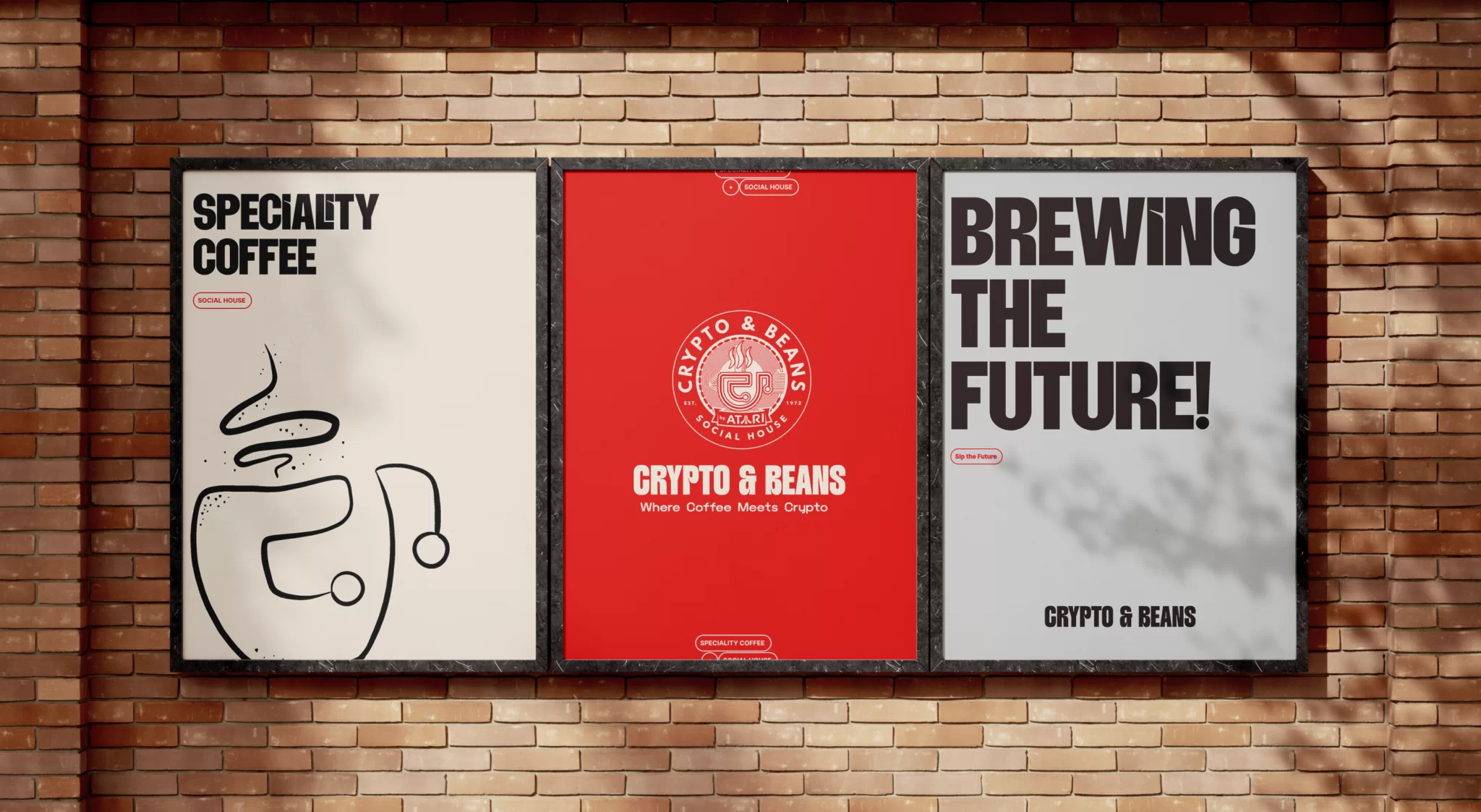
Explore the Branding behind the Crypto bean.
Step 1: Define Your Brand Purpose
Your brand purpose is the foundation of your entire branding strategy. It explains why your business exists beyond making a profit and helps customers understand what your company stands for. Businesses with a clear purpose are more likely to build trust, inspire loyalty, and create lasting relationships with customers. Before designing a logo or launching marketing campaigns, you should establish the mission, vision, and values that guide every decision your company makes.
Create Your Mission, Vision, and Values
Your mission describes what your business does today, while your vision outlines your long-term goals. Core values represent the principles that influence your company culture and customer experience.
Include:
- Write a clear mission statement.
- Define a long-term vision.
- Identify 4–6 core values.
- Ensure values align with business goals.
- Communicate your purpose consistently.
Closing Paragraph
Once your brand purpose is clearly defined, every branding decision becomes easier. Your mission, vision, and values create a strong foundation that guides your messaging, marketing, customer service, and overall business growth.
Step 2: Understand Your Target Audience
Your brand should be built around the people you want to serve. Understanding your audience allows you to create products, services, and marketing messages that solve real problems. The more you know about your customers, the easier it becomes to connect with them emotionally and build long-term loyalty.
Research Your Ideal Customers
Gather information through customer interviews, surveys, website analytics, and social media insights. Build detailed customer personas to better understand who your audience is and what they expect.
Include:
- Create customer personas.
- Research customer pain points.
- Study buying behavior.
- Analyze demographics.
- Monitor customer feedback.
Closing Paragraph
A deep understanding of your audience ensures that your branding resonates with the right people. This research helps you create messaging and experiences that attract, engage, and retain loyal customers.
Step 3: Research Your Competitors
Competitor research helps you understand your industry and identify opportunities to stand out. Rather than copying competitors, focus on learning from their strengths and weaknesses so you can offer something unique.
Analyze Your Competitive Landscape
Review competitors’ websites, products, pricing, branding, and customer reviews. Look for gaps that your business can fill more effectively.
Include:
- Study competitors’ branding.
- Analyze their pricing.
- Read customer reviews.
- Identify market gaps.
- Define your Unique Selling Proposition (USP).
Closing Paragraph
Competitor research provides valuable insights that help you position your business effectively. By focusing on your unique strengths, you can build a brand that customers remember and trust.
Want to see how leading companies build unforgettable brands? Explore our in-depth guide to Bangalore’s best branding agencies to learn how top experts approach brand strategy, visual identity, positioning, and market differentiation. Whether you’re planning a new brand or refreshing an existing one, this resource provides valuable insights and inspiration. Read more: https://wings.design/insights/the-ultimate-guide-to-bangalores-best-branding-agencies
Step 4: Define Your Brand Positioning
Brand positioning determines how customers perceive your business in comparison to competitors. A clear positioning strategy communicates who you serve, what you offer, and why your company is the best choice.
Create Your Positioning Statement
Develop a concise positioning statement that highlights your target audience, product or service, key benefit, and competitive advantage.
Include:
- Write a positioning statement.
- Define your brand promise.
- Highlight your competitive advantage.
- Focus on customer benefits.
- Differentiate your business.
Closing Paragraph
Strong positioning helps customers immediately understand your value. When your positioning is clear and consistent, your brand becomes more memorable and easier to recognize.
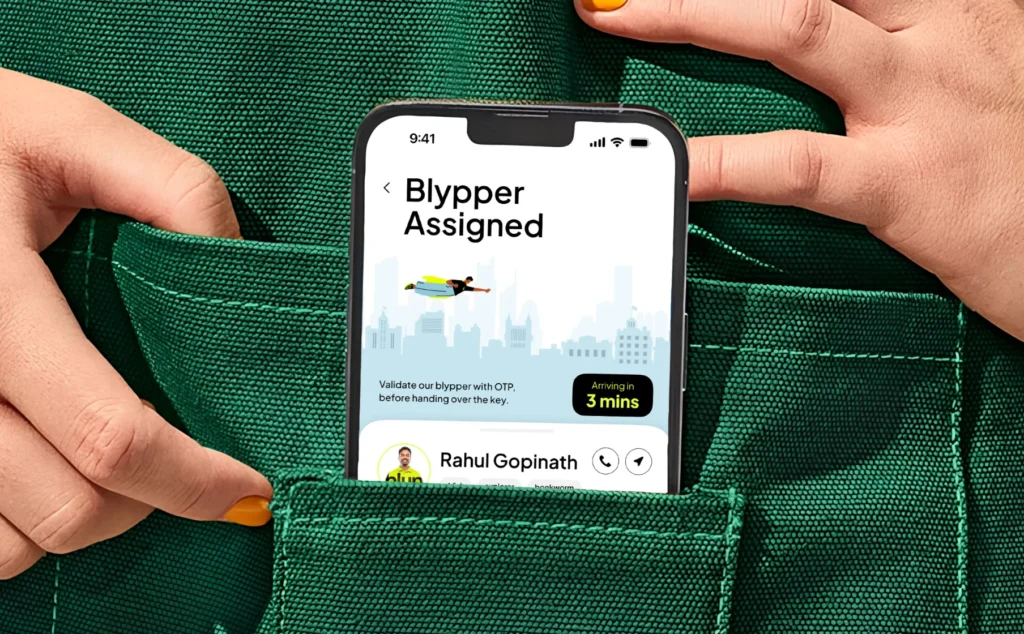
Explore the Branding behind the Blyp.
Step 5: Develop Your Brand Personality
Your brand personality gives your business human characteristics that customers can relate to. It influences your communication style, customer interactions, and emotional appeal.
Define Your Voice and Tone
Choose a consistent brand voice that reflects your business values and appeals to your target audience.
Include:
- Choose a brand archetype.
- Define your voice.
- Maintain a consistent tone.
- Build emotional connections.
- Create authentic communication.
Closing Paragraph
A well-defined personality makes your brand more relatable and memorable. Consistent communication helps build trust and strengthens customer relationships over time.
Step 6: Create Your Visual Brand Identity
Your visual identity is often the first thing customers notice. Consistent visuals improve recognition and create a professional image across all marketing channels.
Design Your Brand Assets
Develop visual elements that represent your brand and support your messaging.
Include:
- Design a memorable logo.
- Choose brand colors.
- Select typography.
- Create graphic elements.
- Develop brand guidelines.
Closing Paragraph
A strong visual identity makes your business instantly recognizable. Brand guidelines help ensure consistency across websites, social media, advertising, and packaging.
Step 7: Craft Your Brand Messaging
Your messaging communicates what your business stands for and why customers should choose you. Clear messaging helps build trust and reinforces your brand identity.
Create Consistent Brand Communication
Develop messaging that reflects your mission, values, and customer benefits.
Include:
- Write your brand story.
- Create a memorable tagline.
- Develop messaging pillars.
- Define your value proposition.
- Maintain consistent messaging.
Closing Paragraph
Strong messaging helps customers understand your brand and remember your business. Consistency across every communication channel builds credibility and strengthens customer loyalty.
Step 8: Build Your Online Brand Presence
Your online presence is often the first interaction customers have with your business. A professional digital presence builds credibility and supports long-term brand growth.
Strengthen Your Digital Presence
Your website and social media profiles should consistently reflect your brand identity and provide valuable information to your audience.
Include:
- Build a professional website.
- Optimize for SEO.
- Maintain consistent social media branding.
- Publish valuable content.
- Monitor online reputation.
Closing Paragraph
A strong online presence helps customers discover, trust, and engage with your business. Consistent branding across digital channels reinforces your identity and improves visibility.
Step 9: Deliver a Consistent Brand Experience
Every customer interaction influences how people perceive your business. Consistency across all touchpoints helps build trust and encourages long-term customer loyalty.
Create Positive Customer Experiences
Ensure every interaction reflects your brand values and delivers a consistent experience.
Include:
- Provide excellent customer service.
- Maintain consistent marketing.
- Deliver quality products.
- Train employees on brand values.
- Collect customer feedback.
Closing Paragraph
Customers remember experiences more than advertisements. Delivering consistent, high-quality experiences strengthens your reputation and encourages repeat business.
Step 10: Launch and Promote Your Brand
After building your brand, it’s time to introduce it to your target audience. A well-planned launch generates awareness, attracts customers, and creates excitement around your business.
Promote Your Brand Strategically
Use multiple marketing channels to maximize your reach and visibility.
Include:
- Launch your website.
- Announcement on social media.
- Publish blog content.
- Send email campaigns.
- Build partnerships and PR.
Closing Paragraph
A successful brand launch creates momentum and introduces your business to potential customers. Consistent promotion helps establish your brand in the market.
Step 11: Measure Your Branding Success
Branding is an ongoing process that should be evaluated regularly. Measuring performance helps you understand what’s working and identify opportunities for improvement.
Track Brand Performance
Use data and customer feedback to assess your branding efforts and make informed decisions.
Include:
- Measure brand awareness.
- Track customer loyalty.
- Monitor website traffic.
- Analyze social media engagement.
- Conduct customer surveys.
Closing Paragraph
Successful brands continuously improve based on data and customer insights. Regular measurement helps ensure your branding remains relevant, effective, and aligned with your business goals.

Explore the Branding behind the Shivam.
Common Branding Mistakes to Avoid
Even businesses with great products or services can struggle if their branding is inconsistent or poorly planned. Avoiding common branding mistakes helps you build trust, strengthen customer relationships, and create a memorable identity. By recognizing these pitfalls early, you can develop a brand that remains consistent, authentic, and competitive in your industry.
01. Inconsistent Branding
Consistency is one of the most important elements of successful branding. If your logo, colors, messaging, or tone of voice vary across different platforms, customers may become confused about your brand identity.
For example, using different logos on your website and social media or changing your messaging frequently can weaken brand recognition.
To maintain consistency:
- Use the same logo across all platforms.
- Follow a consistent color palette.
- Maintain the same tone of voice.
- Use approved fonts and design elements.
- Create and follow brand guidelines.
02. Copying Competitors
Researching competitors is important, but copying their branding makes it difficult for customers to recognize your business. Instead of trying to imitate successful brands, focus on what makes your company different.
Ask yourself:
- What unique value do we provide?
- What problems do we solve better?
- Why should customers choose us?
Developing a clear Unique Selling Proposition (USP) helps your brand stand out in a crowded market and creates a lasting impression.
03. Ignoring Customer Feedback
Customers provide valuable insights into how they perceive your brand. Ignoring reviews, complaints, or suggestions can damage your reputation and cause you to miss opportunities for improvement.
Regularly collect feedback through:
- Customer surveys
- Online reviews
- Social media comments
- Customer interviews
- Support tickets
Listening to your audience allows you to improve your products, services, and overall brand experience.
04. Poor Customer Service
Your customer service reflects your brand just as much as your logo or website. Slow responses, unresolved issues, or unfriendly interactions can negatively impact your brand reputation.
Deliver excellent customer service by:
- Responding quickly to inquiries.
- Communicating professionally.
- Resolving problems efficiently.
- Following up with customers.
- Training employees on brand values.
Positive customer experiences encourage repeat business and word-of-mouth referrals.

Explore the Branding behind the Diamensions.
05. Lack of Brand Guidelines
Without clear brand guidelines, different team members may represent your business inconsistently. This can lead to mixed messaging, inconsistent visuals, and confusion among customers.
A comprehensive brand guideline should include:
- Logo usage rules
- Brand colors
- Typography
- Voice and tone
- Image style
- Social media standards
- Marketing templates
Documenting these standards ensures everyone communicates your brand consistently.
06. Unclear Brand Messaging
Customers should immediately understand what your company does and why they should choose you. Complicated messaging, vague slogans, or inconsistent communication can reduce trust and make your brand forgettable.
Keep your messaging:
- Clear
- Customer-focused
- Consistent
- Benefit-driven
- Easy to understand
Strong messaging reinforces your value proposition and helps customers connect with your business.
Branding Tools
Building and managing a successful brand is easier when you use the right tools. Whether you’re designing a logo, conducting market research, managing brand assets, or measuring performance, these tools can help streamline your branding efforts and improve collaboration across your team.
Design Tools
Design tools help create professional visual assets for your brand, including logos, social media graphics, presentations, and marketing materials.
Popular design tools include:
- Canva – Easy-to-use graphic design platform for beginners.
- Adobe Express – Create branded marketing materials quickly.
- Figma – Collaborative interface and design tool for teams.
These platforms help maintain a consistent visual identity across all marketing channels.
Brand Management Platforms
As your business grows, managing brand assets becomes increasingly important. Brand management platforms store and organize your logos, templates, fonts, colors, and brand guidelines in one location.
Popular platforms include:
- Frontify
- Brandfolder
- Bynder
These tools make it easier for employees and external partners to access approved brand assets and maintain consistency.
Market Research Tools
Understanding your customers and competitors is essential for building an effective brand strategy.
Useful research tools include:
- Google Trends – Analyze search trends and customer interests.
- SurveyMonkey – Create customer surveys and collect feedback.
- AnswerThePublic – Discover popular customer questions.
- Semrush or Ahrefs – Research competitors and keywords.
Market research helps you make informed branding decisions based on real customer data.
Analytics Tools
Branding should be measured continuously to determine what’s working and where improvements are needed.
Popular analytics tools include:
- Google Analytics 4 (GA4) – Track website traffic and user behavior.
- Google Search Console – Monitor search performance and indexing.
- Meta Business Suite – Analyze Facebook and Instagram performance.
- LinkedIn Analytics – Measure engagement on LinkedIn.
Regularly reviewing these metrics helps you optimize your branding and marketing strategy.
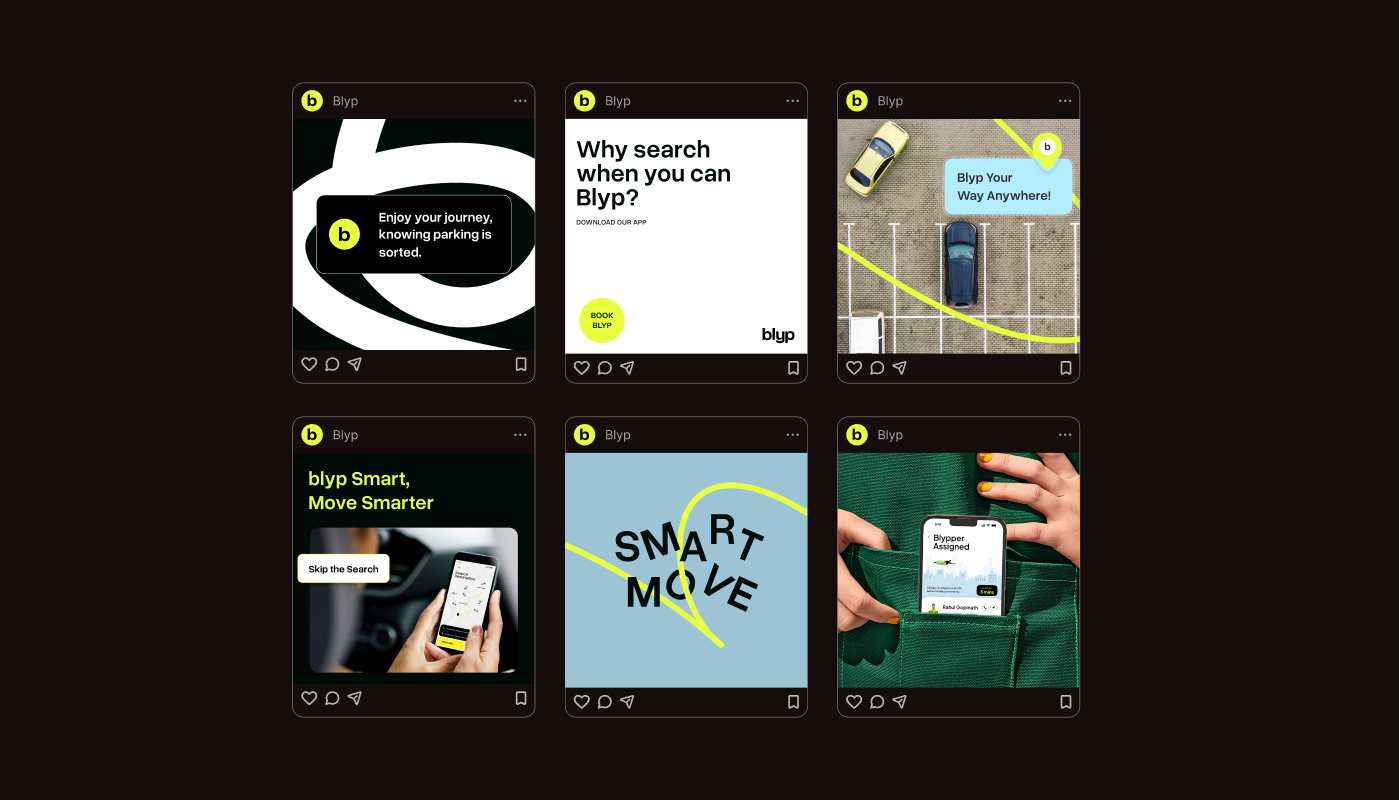
Explore the Branding behind the Blyp.
Conclusion
Building a successful company brand is a long-term investment that goes far beyond creating a logo or choosing attractive colors. A memorable brand is built through a combination of strategic planning, consistent messaging, meaningful customer experiences, and continuous improvement.
The branding journey begins by defining your mission, vision, and core values. From there, understanding your target audience and researching competitors helps you identify opportunities to differentiate your business. A strong brand positioning, distinctive personality, and professional visual identity ensure customers recognize and remember your company.
However, branding doesn’t end once your logo is designed or your website is launched. Maintaining a consistent online presence, delivering exceptional customer experiences, measuring brand performance, and adapting to customer feedback are all essential for long-term success.
Whether you’re launching a startup, growing a small business, or managing an established organization, investing in branding will help you build trust, increase customer loyalty, and create a lasting competitive advantage.
By following the steps outlined in this guide, you’ll be well-positioned to develop a brand that not only attracts customers but also keeps them coming back.

Akshita Shivani Sundar
Senior Graphic Designer