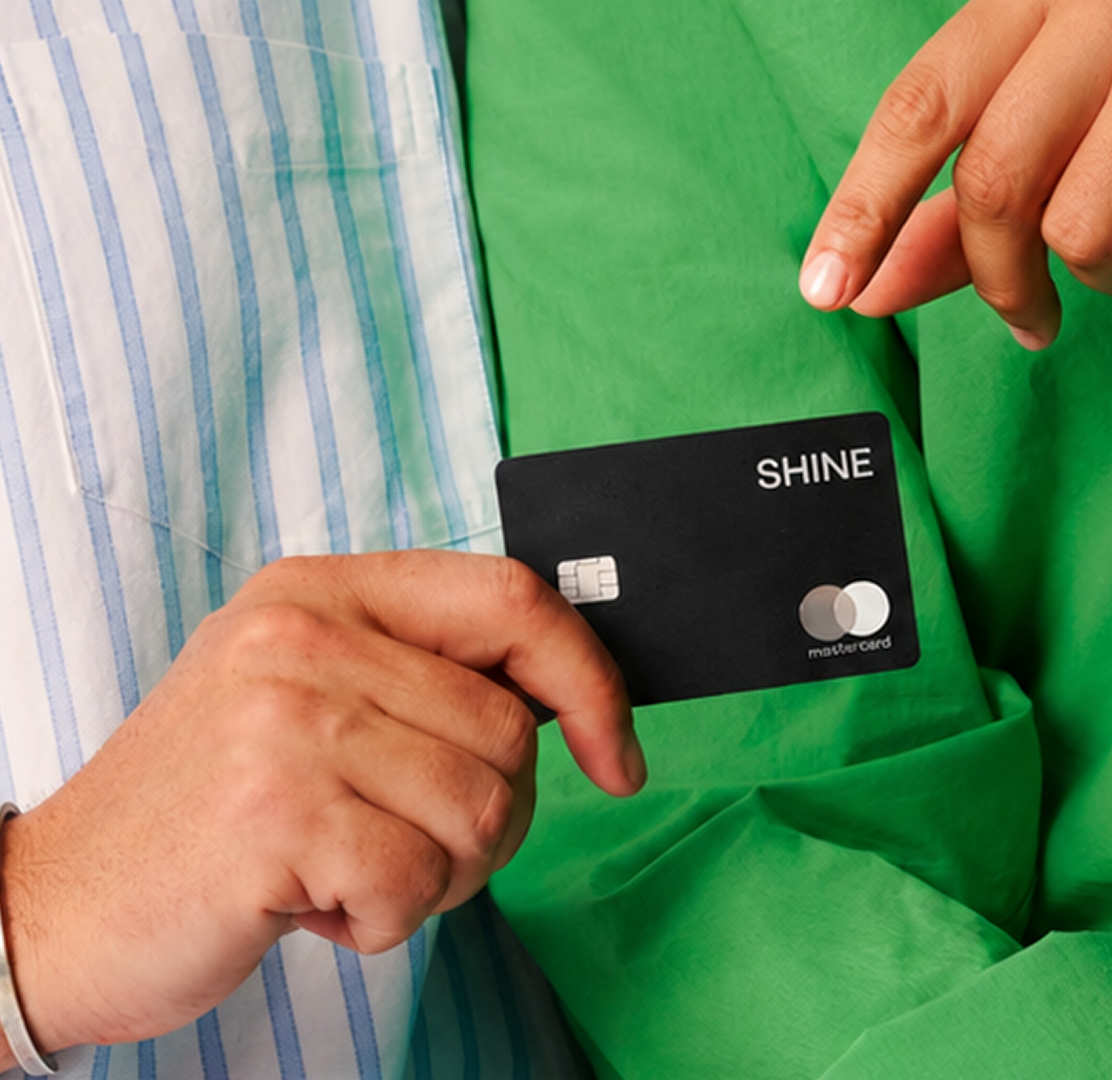



What Is Branding?
Branding is the process of creating a unique identity that defines how customers see, remember, and trust your business. It goes beyond a logo or color palette, it’s the combination of your values, messaging, visual identity, and customer experience that sets you apart from competitors. A strong brand builds recognition, credibility, and lasting customer loyalty.
Why Branding Matters More Than Ever
In a competitive marketplace, customers have more choices than ever before. Whether they’re searching online, scrolling through social media, or comparing products, they often make decisions within seconds. That’s why a strong brand is no longer a luxury, it’s a necessity.
Imagine two companies selling the exact same product at the same price.
The first company has a clear brand message, a professional visual identity, consistent communication, and a seamless customer experience. The second company has an outdated logo, inconsistent messaging, and no distinct personality.
Which one would you trust with your money?
Most people naturally choose the first company. Even if both products are equal in quality, the stronger brand creates a sense of confidence, credibility, and professionalism. This is the true power of branding, it shapes perception before a customer even experiences your product or service.
A well-developed brand doesn’t just make your business look good; it creates meaningful connections with your audience. It communicates your values, builds emotional trust, and helps customers understand why your business is different from the competition.
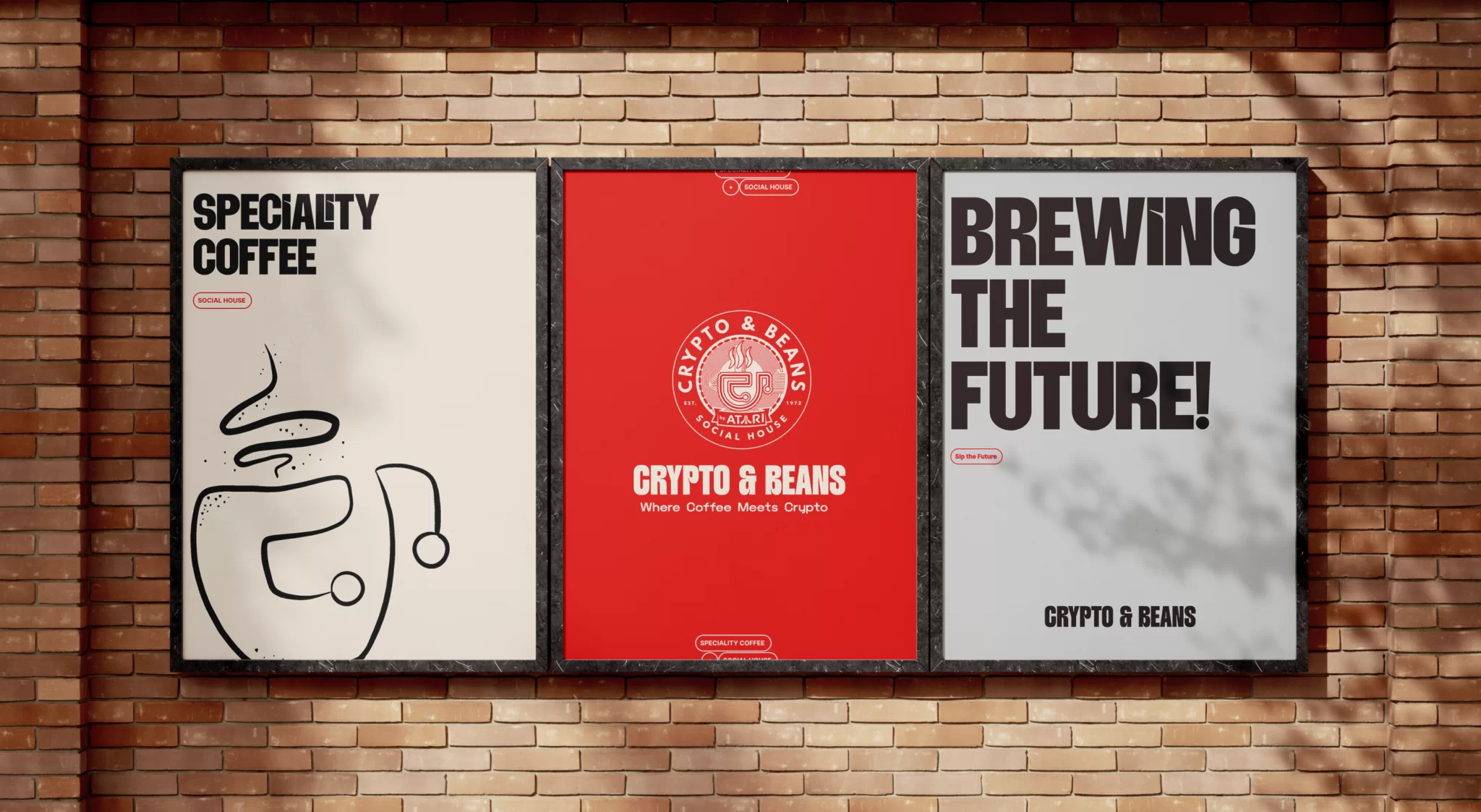
Explore the Branding behind the Crypto bean.
Benefits of Strong Branding
- Builds Customer Trust: A professional and consistent brand reassures customers that your business is reliable, credible, and worth choosing.
- Increases Brand Recognition: Consistent use of logos, colors, messaging, and visuals makes your business easier to recognize and remember.
- Helps You Stand Out: In crowded industries, a unique brand identity differentiates you from competitors and gives customers a reason to choose you.
- Attracts Premium Customers: A strong brand often justifies higher pricing because customers associate it with quality, value, and expertise.
- Improves Marketing Performance: Clear branding makes your advertising, social media, website, and campaigns more effective by delivering a consistent message.
- Creates Customer Loyalty: People don’t just buy products, they buy brands they trust. A memorable brand encourages repeat business and word-of-mouth referrals.
For startups, branding is essential for building credibility and making a strong first impression. It helps new businesses establish trust quickly, even without years of experience or a large customer base.
For growing businesses, branding ensures consistency across every customer touchpoint. As the business expands into new markets, launches new products, or reaches new audiences, a strong brand keeps the experience unified and reinforces customer confidence.
Ultimately, branding is more than just a visual identity, it’s a strategic investment that influences how customers perceive your business, interact with it, and remember it long after their first purchase. A strong brand not only attracts customers but also helps build lasting relationships that support long-term business growth.
What Does a Branding Agency Actually Do?
Before you start comparing agencies, it’s important to understand what a branding agency actually does. Many businesses assume branding is limited to designing a logo or choosing a color palette, but effective branding goes far beyond visuals.
A professional branding agency helps define your business identity, clarify your brand message, and create a consistent experience that resonates with your target audience. Their goal is to build a brand that not only looks great but also supports your business objectives and long-term growth.
A full-service branding agency typically offers the following services:
Brand Strategy
- Market research
- Competitor analysis
- Customer persona development
- Brand positioning
- Brand messaging
- Value proposition
Visual Identity
- Logo design
- Brand colors
- Typography
- Iconography
- Illustration style
- Design systems
Brand Voice
- Tone of communication
- Messaging guidelines
- Taglines
- Website copy direction
Digital Branding
- Website branding
- Social media identity
- Email templates
- Marketing assets
Brand Guidelines
A complete document showing how every element should be used consistently.
If an agency only offers logo design, they are likely a design studio, not a full branding agency.
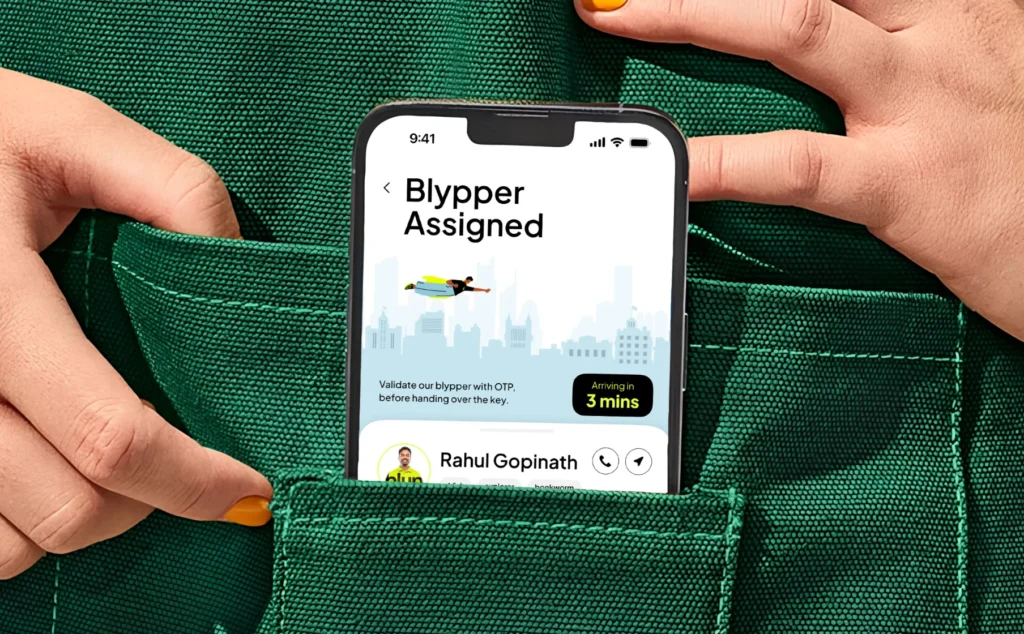
Explore the Branding behind the Blyp.
Step 1: Start with Your Business Goals
Before contacting agencies, ask yourself:
- Why do I need branding?
- Am I launching a new business?
- Am I rebranding?
- Am I entering a new market?
- Do customers misunderstand what we do?
- Are sales affected because our brand looks outdated?
Having clear business goals before approaching a branding agency ensures you receive solutions tailored to your needs rather than a one-size-fits-all package.
When agencies understand what you’re trying to achieve, they can recommend the right branding strategy, prioritize the services that will have the greatest impact, and avoid suggesting unnecessary deliverables. This not only saves time and budget but also leads to a more effective branding outcome that aligns with your business objectives.
Step 2: Know What Stage Your Business Is In
Not all branding agencies are the right fit for every business. Some specialize in working with large enterprises that have complex requirements and substantial budgets, while others focus on startups and growing businesses that need flexible, scalable branding solutions. Choosing an agency with experience at your stage of growth is important because they’ll better understand your challenges, goals, and budget.
A branding partner who has successfully worked with businesses like yours is more likely to deliver strategies and creative solutions that support your long-term growth.
Startup Businesses
Look for agencies that understand:
- Limited budgets
- Fast execution
- MVP launches
- Investor presentations
- Early-stage positioning
Growing Businesses
Look for agencies experienced in:
- Rebranding
- Scaling across markets
- Multi-product branding
- Brand consistency
- Expansion strategies
Step 3: Review Their Portfolio Carefully
A branding agency’s portfolio reveals much more than its design skills, it shows how effectively it solves business challenges through branding. Instead of simply asking, “Do I like these logos?”, look deeper. Evaluate whether each project has a unique identity, aligns with the client’s goals, and communicates a clear brand story.
A strong portfolio demonstrates strategic thinking, creativity, and the ability to create brands that resonate with different audiences, not just visually appealing designs.
Ask:
- Can they solve different business problems?
- Is every project unique?
- Do brands have clear personalities?
- Are they versatile across industries?
- Do they explain their thinking?
A great branding agency doesn’t just present attractive designs, it explains the thinking behind every creative decision. From the choice of colors and typography to the logo concept and messaging, every element should support your brand’s goals and connect with your target audience. While beautiful visuals can capture attention, branding that is backed by strategy creates lasting impact, builds trust, and drives business growth.
Without a clear business purpose, even the most visually appealing designs are unlikely to deliver meaningful results.
Step 4: Look Beyond Design Skills
Many agencies can create visually appealing designs, but great branding goes far beyond aesthetics. The most effective branding agencies understand that a successful brand is built on both creativity and strategy.
They combine design with a deep understanding of your business, target audience, and market to create a brand that not only looks impressive but also drives growth and builds lasting customer relationships. Great branding combines several key elements, including:
- Psychology
- Marketing
- Customer behavior
- Storytelling
- Design
- Business positioning
When evaluating a branding agency, ask yourself: “Will this agency help my business grow, or will they simply make it look attractive?” While a visually appealing brand can capture attention, sustainable business success comes from branding that is backed by strategy and purpose.
A growth-focused agency creates a brand that attracts the right audience, strengthens your market position, and supports your long-term business goals, delivering value far beyond great design.
Step 5: Understand Their Branding Process
A professional branding agency follows a structured process rather than jumping straight into design. Branding is a strategic journey that begins with understanding your business and ends with creating a consistent brand experience across every customer touchpoint.
A clear process ensures that every creative decision is backed by research, strategy, and your business goals.
A typical branding process includes:
1. Discovery
The agency takes time to understand your business, industry, target audience, competitors, challenges, and long-term goals. This stage lays the foundation for the entire branding project.
2. Research
The team analyzes market trends, customer behavior, and competitor positioning to identify opportunities that can help your brand stand out.
3. Brand Strategy
Using the insights gathered, the agency defines your brand positioning, messaging, mission, values, personality, and unique value proposition. This strategic direction guides all future branding decisions.
4. Identity Design
Once the strategy is in place, the creative team develops your visual identity, including your logo, color palette, typography, imagery, and other design elements that reflect your brand’s personality.
5. Testing and Refinement
Initial concepts are reviewed, feedback is collected, and refinements are made to ensure the branding aligns with your vision and resonates with your target audience.
6. Brand Launch
The final brand identity is implemented across all customer touchpoints, including your website, social media, marketing materials, packaging, and other digital or physical assets, ensuring a consistent brand experience.
If an agency skips the discovery and strategy phases and immediately starts designing logo concepts, consider it a red flag. Effective branding begins with understanding your business, not just creating attractive visuals. A strategic process leads to a stronger, more meaningful brand that supports long-term business growth.

Explore the Branding behind the Shivam.
Step 6: Ask the Right Questions
Before hiring an agency, ask:
- What industries have you worked with?
- What does your branding process look like?
- Who will work on my project?
- What research do you conduct?
- How many revisions are included?
- Will I receive editable source files?
- Will you create brand guidelines?
- How long does the project take?
- What happens after launch?
- Do you offer ongoing support?
The quality of their answers often reveals more than the portfolio.
Step 7: Read Client Reviews and Testimonials
A branding agency’s portfolio showcases its creative work, but client reviews reveal what it’s actually like to work with them. While testimonials on an agency’s website can be helpful, they often highlight only the most positive experiences.
To get a balanced perspective, look for independent reviews on trusted platforms such as Google, Clutch, LinkedIn, and social media.
When reading reviews, focus on recurring feedback rather than isolated comments. Pay close attention to what clients say about:
- Communication: Was the agency responsive, transparent, and easy to work with?
- Timelines: Did they deliver the project on schedule and manage expectations effectively?
- Professionalism: Were they organized, reliable, and committed throughout the project?
- Creativity: Did they deliver original ideas that reflected the client’s vision and business goals?
- Strategic Thinking: Did they provide valuable insights and recommendations beyond design?
- Problem-Solving: How well did they handle challenges, revisions, or unexpected changes during the project?
Consistently positive feedback across multiple platforms is a strong indicator that the agency delivers quality work and maintains strong client relationships. Reviews can help you understand not just the final outcome, but the overall experience of partnering with the agency, giving you greater confidence before making your decision.
Step 8: Evaluate Communication
Branding is a collaborative process that often spans several weeks or even months. Throughout the project, you’ll be working closely with the agency, sharing ideas, providing feedback, and making important decisions together. That’s why effective communication is just as important as creative expertise.
During your initial conversations, pay attention to how the agency interacts with you. Ask yourself:
- Do they actively listen to your ideas, concerns, and business goals?
- Do they ask thoughtful questions to better understand your brand and target audience?
- Are they responsive and timely in their communication?
- Do they explain their ideas and design decisions clearly, without relying on confusing jargon?
- Do they genuinely understand your vision and the direction you want your brand to take?
A great branding agency doesn’t just talk, it listens, collaborates, and communicates openly throughout the project. Clear and transparent communication helps avoid misunderstandings, keeps the project on track, and ensures the final brand truly reflects your business. In most cases, strong communication leads to stronger collaboration and better branding outcomes.
Step 9: Compare Value, Not Just Price
When choosing a branding agency, it’s easy to focus on the price tag. However, selecting the cheapest option can often lead to disappointing results and additional costs in the future.
Poor branding may require a complete redesign, updated marketing materials, or even a full rebranding, making the initial “savings” far more expensive in the long run.
Instead of asking, “Which agency costs less?”, ask yourself, “Which agency offers the most value for my investment?”
A higher-priced agency may provide benefits such as:
- A stronger brand strategy based on research and business goals.
- In-depth market and competitor research to position your brand effectively.
- Experienced designers and strategists with a proven track record.
- Comprehensive brand guidelines and documentation for consistent branding across all platforms.
- Long-term support and consultation to help your brand evolve as your business grows.
Remember, you’re not just paying for a logo or visual assets, you’re investing in expertise, strategy, and a brand that can support your business for years to come. The right branding agency delivers lasting value by creating a strong foundation that helps attract customers, build trust, and drive sustainable growth.
In the end, branding is an investment, not an expense. Choosing an agency based on the value it delivers rather than the lowest price is more likely to result in a successful brand and a higher return on investment.
Step 10: Understand What’s Included
Before signing a contract, always request a detailed proposal that clearly outlines what the branding agency will deliver. A well-defined proposal helps prevent misunderstandings, ensures both parties have the same expectations, and gives you a clear picture of what you’re paying for.
Your proposal should include details such as:
- Deliverables: A complete list of what you’ll receive, such as the logo, brand strategy, visual identity, brand guidelines, website assets, or marketing materials.
- Project Timeline: Key milestones, deadlines, and the estimated completion date.
- Number of Revisions: The number of revision rounds included in the project and any additional costs for extra changes.
- Ownership Rights: Confirmation that you’ll own the final brand assets and intellectual property once the project is complete.
- Payment Schedule: A clear breakdown of project costs, payment milestones, and accepted payment terms.
- Brand Guidelines: Documentation explaining how to use your logo, colors, typography, and other brand elements consistently.
- Source Files: Editable design files and other assets you’ll need for future updates or printing.
- Post-Launch Support: Information about ongoing support, maintenance, or consultation available after the branding project is completed.
Never assume that a service or deliverable is included simply because it seems standard. If anything in the proposal is unclear, ask questions before moving forward.
A transparent agency will be happy to explain the scope of work and ensure you know exactly what you’re receiving. This clarity helps build trust, avoids unexpected costs, and sets the foundation for a successful partnership.

Explore the Branding behind the Diamensions.
Common Red Flags to Avoid
Not every branding agency delivers the same level of quality or professionalism. While many agencies make impressive promises, it’s important to look beyond the sales pitch and identify warning signs before committing to a partnership.
Choosing the wrong agency can result in wasted time, unnecessary expenses, and a brand that fails to achieve your business goals.
Be cautious if an agency:
- Promises instant branding results: Effective branding takes time, research, and strategy. Agencies that guarantee overnight success may be setting unrealistic expectations.
- Starts designing without research: A professional agency should first understand your business, audience, and competitors before creating any visual concepts.
- Cannot explain design decisions: Every branding element should have a strategic purpose. If an agency can’t justify its creative choices, it’s a sign that the work lacks direction.
- Has no real case studies: A lack of detailed case studies or proven results makes it difficult to evaluate the agency’s experience and capabilities.
- Uses generic templates: Branding should be unique to your business. Template-based designs often fail to differentiate your brand from competitors.
- Has poor communication: Delayed responses, unclear updates, or lack of transparency can lead to frustration and project delays.
- Offers unrealistically low pricing: Extremely low prices may indicate limited expertise, rushed work, or hidden costs that appear later.
- Avoids discussing timelines: A reliable agency should provide a realistic project schedule with clear milestones and expectations.
- Doesn’t provide contracts: A written agreement protects both parties by clearly defining the scope of work, timelines, deliverables, and payment terms.
- Doesn’t transfer ownership of final assets: Once the project is complete, you should receive ownership rights and editable source files for your brand assets.
If you notice one or more of these red flags, it’s worth reconsidering your decision. A trustworthy branding agency will be transparent, strategic, and committed to delivering work that supports your long-term business success.
Signs You’ve Found the Right Branding Agency
After evaluating different agencies, you should feel confident that you’ve found a partner who understands your business and is committed to helping it grow.
The right branding agency goes beyond creating attractive visuals, it develops a strategic brand that aligns with your goals, connects with your audience, and delivers long-term value.
Here are some signs you’ve found the right branding agency:
- ✔ Understands Your Business Goals: They take the time to learn about your business, industry, target audience, and long-term objectives before recommending solutions.
- ✔ Asks Insightful Questions: Instead of making assumptions, they ask thoughtful questions to understand your challenges, vision, and competitive landscape.
- ✔ Has a Structured Process: They follow a clear branding methodology that includes discovery, research, strategy, design, testing, and implementation.
- ✔ Balances Creativity with Strategy: Their designs are not only visually appealing but also backed by research and aligned with your business objectives.
- ✔ Communicates Clearly: They keep you informed throughout the project, explain their decisions, and respond promptly to your questions and feedback.
- ✔ Has Proven Results: They can demonstrate successful branding projects through case studies, client testimonials, and measurable outcomes.
- ✔ Provides Long-Term Value: They focus on creating a brand that supports sustainable growth rather than delivering short-term design solutions.
- ✔ Treats Branding as a Business Investment: They understand that effective branding contributes to customer trust, market positioning, and business success, not just aesthetics.
When an agency demonstrates these qualities, you’re not just hiring a service provider, you’re choosing a strategic partner who can help build a strong, memorable brand that grows alongside your business.
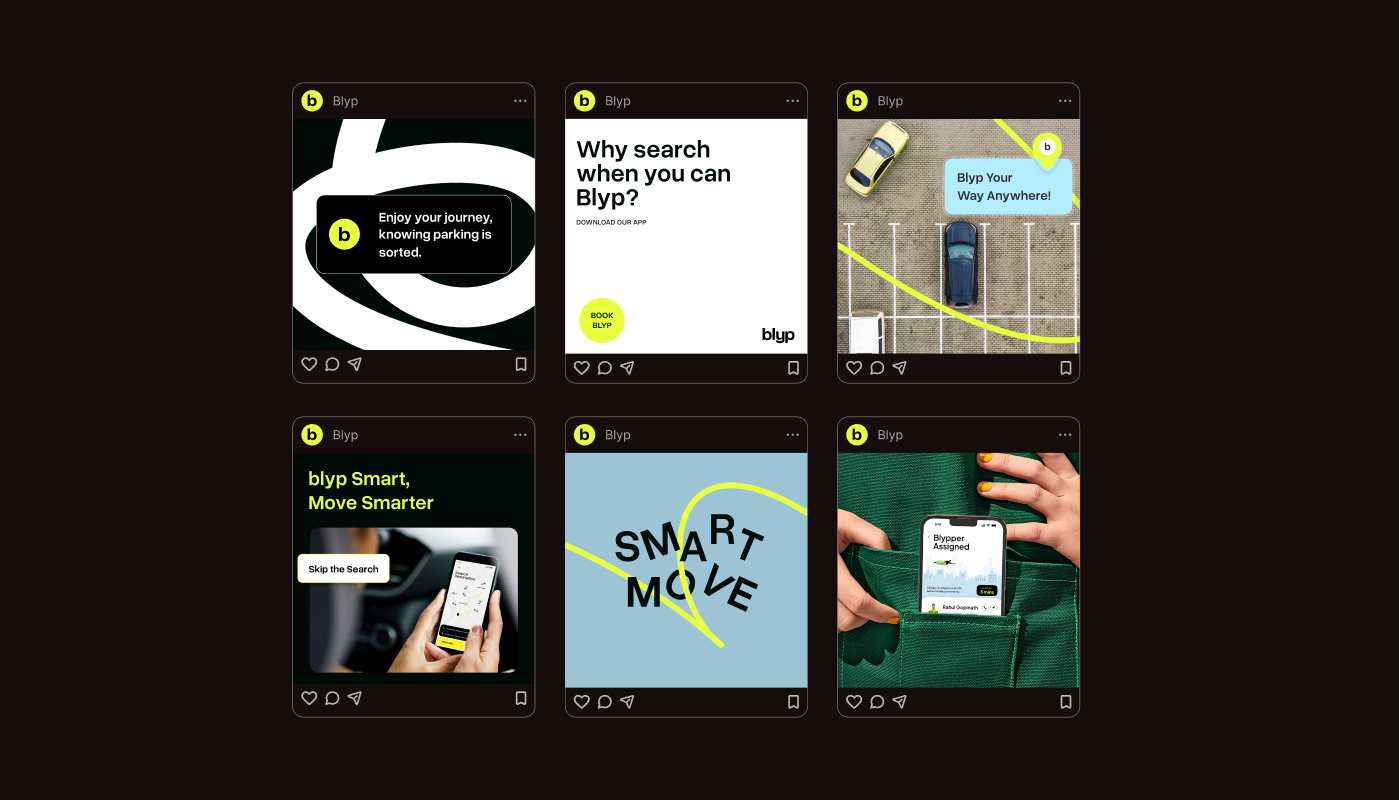
Explore the Branding behind the Blyp.
How Much Should You Expect to Invest?
The cost of branding varies depending on several factors, including the scope of the project, the agency’s experience, the complexity of your business, and your location.
While some startups may only need a foundational brand identity, growing businesses often require a more comprehensive branding strategy that supports long-term expansion.
A typical branding project may include:
- Brand Strategy: Defining your brand positioning, mission, vision, values, and target audience.
- Visual Identity: Creating a cohesive visual system, including colors, typography, imagery, and design elements.
- Logo Design: Developing a unique and memorable logo that reflects your brand personality.
- Messaging Framework: Crafting your brand voice, key messages, tagline, and value proposition.
- Brand Guidelines: Providing detailed documentation to ensure consistent brand usage across all platforms.
- Website Direction: Establishing the visual and messaging framework for your website to deliver a consistent user experience.
- Marketing Assets: Designing essential materials such as business cards, social media templates, presentations, email signatures, and promotional graphics.
Rather than choosing an agency based solely on the lowest price, focus on the value and return on investment (ROI) they can provide. A well-executed branding strategy can strengthen customer trust, improve brand recognition, increase conversion rates, justify premium pricing, and support sustainable business growth.
Remember, branding is one of the few investments that impacts every part of your business, from marketing and sales to customer experience and long-term loyalty. Investing in quality branding today can deliver significant returns for years to come.
Final Checklist Before Signing a Branding Agency
Before making your decision, confirm that the agency:
- Understands your business objectives
- Has experience with businesses at your stage
- Shares relevant case studies
- Follows a proven branding process
- Provides clear timelines and deliverables
- Offers comprehensive brand guidelines
- Includes source files and ownership rights
- Has positive client reviews
- Communicates openly and professionally
- Fits your budget while delivering strong value
If you can confidently check off these points, you’re far more likely to choose a branding partner that will support your long-term success.
Conclusion
Choosing a branding agency isn’t about finding the most creative logo or the lowest price, it’s about finding a partner who understands your business, your customers, and your growth ambitions.
The right agency will take the time to understand your vision, develop a strategy rooted in research, and create a brand that connects with your audience and scales with your business.
Whether you’re launching your first startup or taking an established business to the next level, investing in thoughtful branding can influence how customers perceive you, how confidently you compete, and how sustainably you grow.
Remember: a logo can make you recognizable, but a well-crafted brand makes you unforgettable.

Akshita Shivani Sundar
Senior Graphic Designer