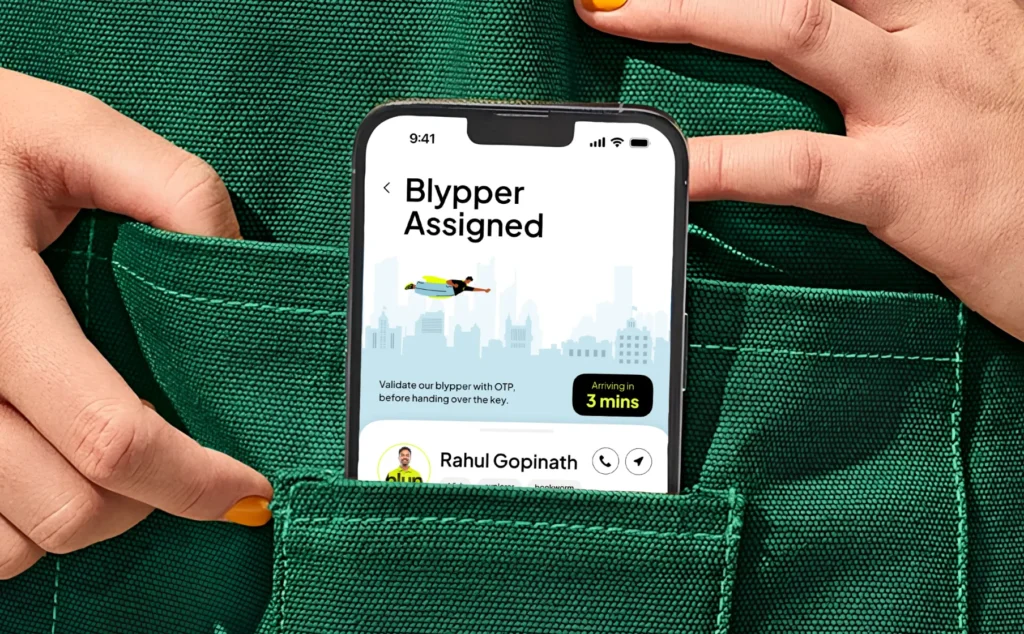


Your customers rarely experience your brand in one place. They might discover your business through a Google search, visit your website, browse your social media, read a sales presentation, and eventually speak to your team. Each interaction shapes their perception of your company. If these experiences feel disconnected, even a well-designed brand can struggle to leave a lasting impression.
Consistent branding brings these interactions together through a recognisable visual identity, a clear message, and a unified tone of voice. It ensures that your business communicates the same values and positioning, regardless of where a customer encounters it. For growing businesses, brand consistency is not simply about making everything look the same. It is about building a coherent experience that makes the business easier to recognise, understand, and trust.
What Is Brand Consistency?
Brand consistency is the practice of maintaining a recognisable identity and message across every channel where your business interacts with its audience. This includes visual elements such as logos, typography, colours, imagery, and layouts, as well as verbal elements such as messaging, tone of voice, and the way your company communicates its value.
A consistent brand does not mean every platform must look identical. Your website, social media, advertising campaigns, packaging, and sales materials serve different purposes and may require different formats. What connects them is a shared identity and a clear set of brand principles. When these elements work together, each interaction reinforces the same perception of your business rather than creating a different one.
Why Consistent Branding Matters Across Every Customer Touchpoint
1. It Makes Your Brand Easier to Recognise
Customers encounter countless brands across search engines, social platforms, advertisements, and digital products. A distinctive and consistent identity helps your business stand out in this crowded environment. Repeated exposure to recognisable colours, typography, imagery, and messaging makes it easier for people to associate those elements with your company.
Recognition becomes particularly valuable as your business expands into new markets or introduces additional services. When the same identity carries across your website, campaigns, presentations, and other materials, customers have more opportunities to connect individual interactions to one brand. Over time, this familiarity can make your business easier to recall when a relevant need arises.
2. It Builds Trust Through Familiarity
Customers often use the quality and consistency of a company’s presentation to form an initial impression of its professionalism. A polished website followed by inconsistent social media graphics, outdated sales decks, or conflicting messaging can create uncertainty about the business behind the brand. These details may seem minor individually, but together they influence how credible and established a company appears.
Consistent branding helps reduce this disconnect. When the visual identity, communication style, and overall experience remain aligned, customers encounter a business that feels considered and dependable. Consistency alone cannot establish trust, which also depends on product quality, service delivery, and customer experience. However, it creates a more credible foundation for those qualities to come through.
3. It Strengthens Your Market Positioning
Brand positioning defines how you want customers to perceive your business in relation to alternatives. Whether you compete through innovation, specialist expertise, premium quality, or accessibility, your brand needs to communicate that position consistently. If your website presents an exclusive, high-value offering while your marketing materials rely on generic messaging, the gap can weaken your intended positioning.
Every customer touchpoint should reinforce the qualities that distinguish your business. A premium brand, for example, needs more than an elegant logo. Its typography, imagery, website interactions, written communication, and sales experience should all support the same perception of quality. When these elements align, the brand has a better chance of communicating its value clearly and attracting customers whose expectations match the offering.
4. It Creates a More Cohesive Customer Experience
Customers do not separate your branding from the experience of interacting with your business. They encounter both together, whether they are navigating a website, comparing service offerings, downloading a brochure, or speaking with a sales representative. When each interaction feels disconnected, customers may need to work harder to understand who you are and what your company offers.
A cohesive brand experience creates continuity between these moments. The messaging on a landing page should support the promise made in an advertisement, while the sales presentation should build on the expectations established by the website. This alignment makes the customer journey feel more deliberate and easier to navigate. It also gives teams a clearer foundation for designing digital experiences that reflect the brand’s purpose.
5. It Improves Marketing Effectiveness
Marketing campaigns work harder when they build on an established identity rather than introducing a different visual language or message every time. Consistent branding helps audiences connect campaigns across channels, making individual interactions part of a broader brand narrative. It also allows businesses to develop reusable creative assets and communication guidelines instead of rebuilding their presentation from scratch for every initiative.
This consistency does not eliminate the need for creative experimentation. Campaigns can use different concepts, formats, and messages to reach specific audiences while remaining recognisably part of the same brand. The objective is to balance creative variation with a stable identity, so each campaign contributes to brand recognition instead of fragmenting it.
6. It Supports Better Internal Alignment
Brand consistency is not only an external marketing concern. As businesses grow, different teams, departments, and external partners may create content, launch campaigns, develop digital products, and communicate with customers. Without shared guidelines, these activities can gradually introduce inconsistencies in language, visual design, and messaging.
A clearly documented brand identity gives everyone a common reference point. Brand guidelines establish how visual elements should be used, how the company communicates, and which principles should guide creative decisions. This reduces unnecessary ambiguity, makes collaboration more efficient, and helps new team members or external agencies represent the business more accurately.
7. It Helps Your Business Scale Without Losing Its Identity
Expansion introduces more customer touchpoints, marketing channels, products, and potentially new markets. Each addition creates another opportunity to strengthen the brand, but also another possibility for inconsistency. A business that depends entirely on informal design decisions may find it increasingly difficult to maintain a recognisable identity as its operations become more complex.
A scalable brand system addresses this challenge by establishing flexible rules rather than rigid templates. It defines the core elements that must remain consistent while allowing teams to adapt them to different platforms, audiences, and business requirements. This makes it easier to introduce new services, enter unfamiliar markets, and develop additional digital experiences without losing the characteristics that make the brand distinctive.

The Customer Touchpoints Where Brand Consistency Matters Most
Brand consistency becomes easier to manage when businesses identify where customers encounter them. Each touchpoint serves a different purpose, but all of them contribute to the same overall perception.
| Customer touchpoint | What needs to remain consistent |
|---|---|
| Website | Visual identity, messaging, navigation, and brand positioning |
| Social media | Visual language, tone of voice, and content direction |
| Digital advertising | Brand recognition, campaign messaging, and landing-page alignment |
| Sales presentations | Value proposition, visual identity, and business messaging |
| Email communication | Tone of voice, visual elements, and clarity of communication |
| Packaging and collateral | Brand identity, typography, colours, and quality cues |
| Customer support | Communication style, service standards, and brand values |
| Digital products | Interaction patterns, visual language, and user experience |
The goal is not to make every touchpoint identical. It is to ensure that each one contributes to a recognisable and coherent experience, even when the format, content, and audience differ.
How to Build a Consistent Brand Across Channels
Establish Clear Brand Guidelines
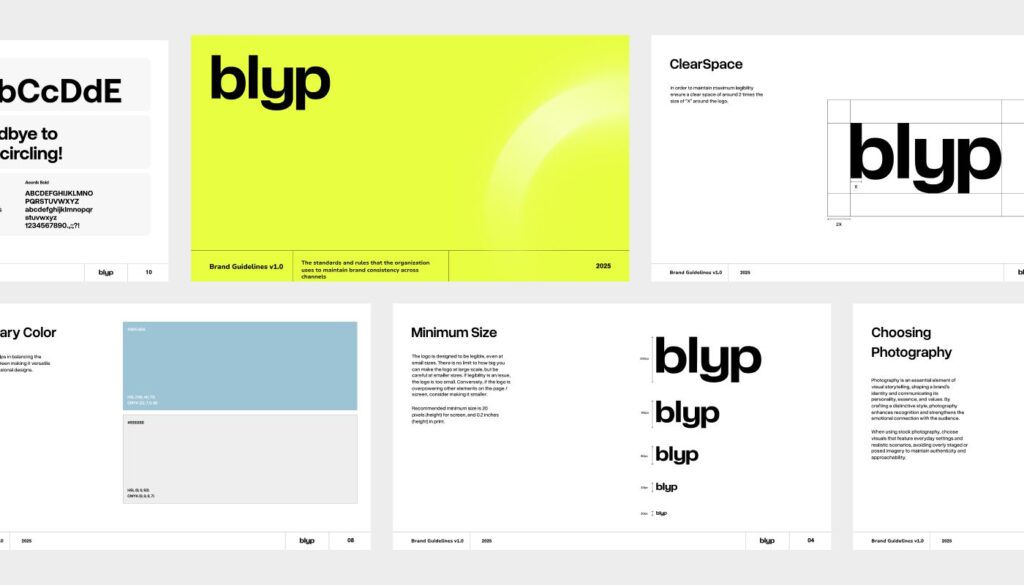
Start by documenting the essential elements of your brand, including logo usage, colour palettes, typography, imagery, tone of voice, messaging principles, and core positioning. Guidelines should be practical enough for designers, marketers, developers, and other teams to use in everyday work. Include examples of correct usage and common mistakes so the standards are easier to apply.
Align Your Website With Your Brand Strategy
Your website is often one of the most detailed representations of your business. It needs to communicate not only what you offer, but also why your company is different and what customers can expect from working with you. Align the visual design, content structure, user experience, and conversion paths with your broader brand strategy so the website reinforces your intended positioning.
Audit Your Existing Customer Touchpoints
Review your website, social profiles, advertisements, presentations, email templates, and other customer-facing materials. Look for outdated logos, inconsistent terminology, conflicting claims, mismatched visual styles, or differences in how your services are described. Prioritise discrepancies that affect recognition, credibility, or customer understanding, then establish a process for correcting them.
Create Shared Assets and Repeatable Systems
Use approved design assets, reusable templates, content guidelines, and documented brand components to help teams maintain consistency. Shared systems are especially useful when multiple people or agencies create materials across different channels. They reduce dependence on individual interpretation while still leaving room for relevant creative decisions.
Review Consistency as Your Business Evolves
Brand consistency requires ongoing attention. New services, market changes, campaigns, and product launches can introduce inconsistencies if the brand system is not reviewed regularly. Establish clear ownership for brand governance and periodically evaluate whether your customer-facing experiences continue to reflect your strategy, audience expectations, and business direction.

Common Brand Consistency Mistakes to Avoid
Even businesses with a well-defined identity can struggle to apply it consistently. Some of the most common issues include:
- Treating branding as a logo alone: A recognisable logo cannot compensate for inconsistent messaging, typography, imagery, or customer experiences.
- Using different messages across channels: Conflicting descriptions of your services or value proposition can make it harder for customers to understand your offering.
- Ignoring the website experience: Strong campaign visuals cannot fully compensate for a website that feels disconnected from the brand or difficult to use.
- Relying on outdated brand assets: Old logos, previous colour palettes, and inconsistent templates can weaken recognition over time.
- Confusing consistency with repetition: Using the same creative treatment everywhere without considering context can make communication feel generic or ineffective.
- Failing to assign responsibility: Without clear ownership and accessible guidelines, brand consistency often depends on individual team members rather than an established process.
Addressing these issues helps create a brand that remains recognisable while adapting to the needs of different audiences and channels.
How to Measure Brand Consistency
Brand consistency can be evaluated through both qualitative reviews and quantitative indicators. A structured audit can assess whether the visual identity, messaging, and customer experience align across channels. Customer interviews and surveys can help reveal whether people understand your positioning and recognise your brand, while branded search trends, direct traffic, engagement patterns, and customer feedback can provide additional context.
No single metric proves that brand consistency is working. Instead, businesses should look for a combination of clearer brand recognition, stronger alignment between marketing promises and customer experiences, and more consistent communication across teams. These indicators help identify where the brand is working well and where improvements may be needed.
Conclusion
Consistent branding is about creating a clear and connected impression of your business wherever customers encounter it. From the first website visit to a sales conversation and the experience after a purchase, each interaction contributes to how people understand your company, assess its credibility, and remember its value. When these touchpoints reinforce the same positioning and identity, the brand becomes easier to recognise and the customer journey feels more coherent.
For businesses investing in growth, consistency should be built into the brand strategy, design systems, website experience, and everyday communication rather than treated as a final visual check. Wings Design approaches branding and digital experiences as connected parts of how a business presents itself to the world, helping brands build identities and digital touchpoints that work together. A strong brand is not simply seen consistently; it delivers a consistent impression of what the business stands for.