


Table of Contents
Introduction
For all its groundbreaking innovation, crypto still struggles with a fundamental perception problem. To outsiders, it feels abstract, highly technical, and often intimidating. Words like “tokens,” “wallets,” and “exchanges” don’t evoke trust or warmth—they sound more like software manuals than human-centered solutions. In a market where skepticism is the norm, brand identity becomes far more than surface-level design.
A strong visual system acts as an anchor of trust in an ecosystem many view as unstable. Decision makers who prioritize consistent, emotionally resonant branding can bridge the divide between complexity and connection. Unlike traditional industries where brand loyalty builds gradually, crypto brands must earn trust almost instantly. That’s where perception becomes power—brands that feel approachable stand a chance at turning skeptics into believers.

Visual Identity as the First Point of Trust
In crypto, the first impression is everything. Before users read a whitepaper or download a wallet, they encounter design. Visual language—shapes, colors, typography, and even layout—serves as the first touchpoint between brand and audience.
A cold, overly technical aesthetic often alienates newcomers, reinforcing the stereotype that crypto is only for “tech insiders.” On the other hand, a warm, inclusive, and clear visual identity signals accessibility. Subtle choices such as open layouts, approachable iconography, and natural gradients suggest transparency and security in ways that technical documents cannot. Trust doesn’t begin with code; it begins with design that feels human.
From Tokens to Human Touchpoints
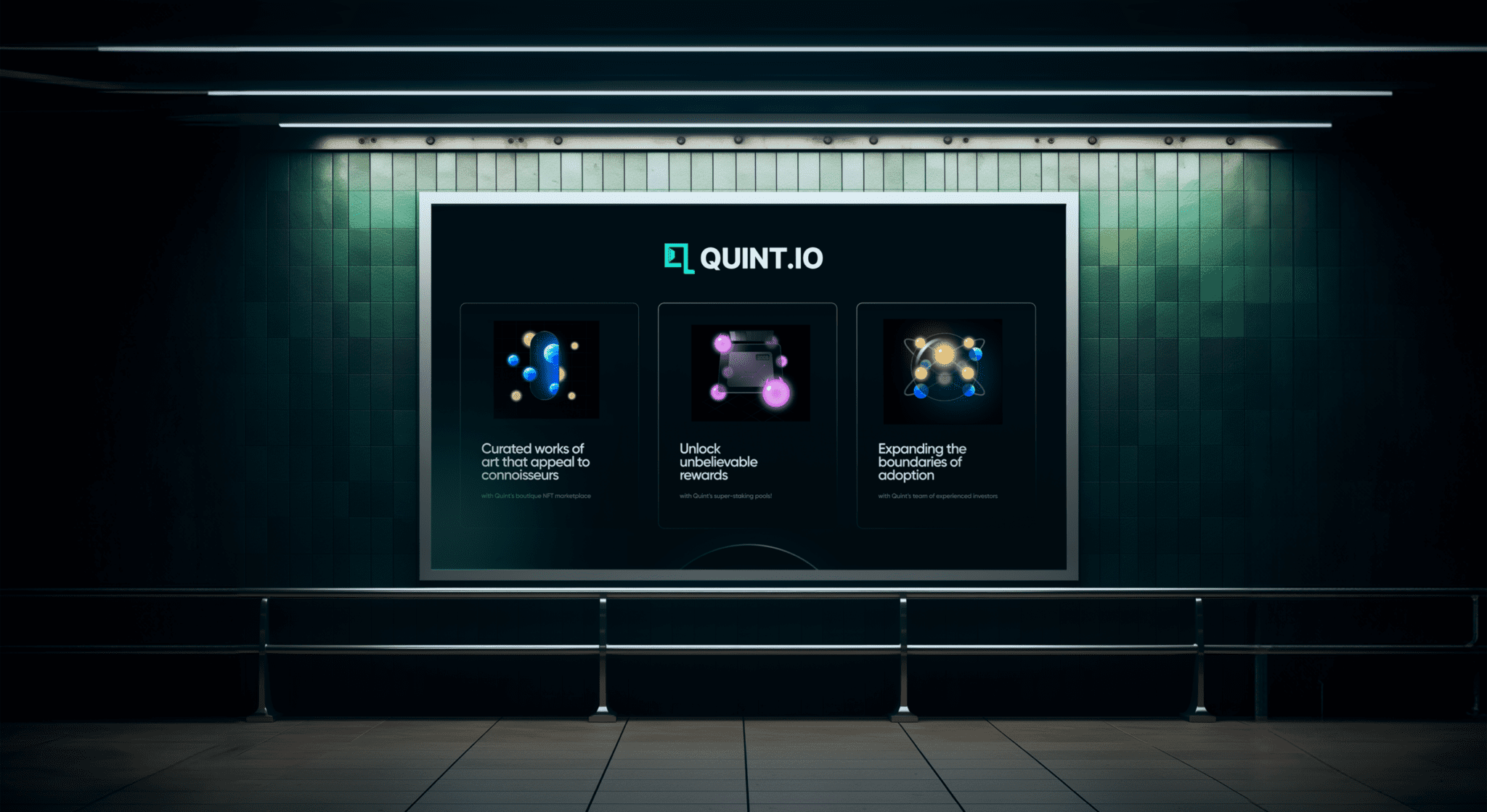
The true value of a token goes beyond market capitalization. It is reflected in how the brand resonates emotionally at every touchpoint. Whether it’s a mobile app interface, a community forum, or even a billboard on a city street, each interaction contributes to how the brand is perceived.
The mistake many crypto companies make is treating these touchpoints as separate assets—an app here, a logo there, and a campaign somewhere else. But for the user, these are not fragments; they are part of a single conversation. When the design system consistently communicates stability, optimism, and inclusivity, the token transforms from a speculative instrument into a recognizable symbol of belonging. It becomes more than a product; it becomes part of someone’s identity.
Emotional Branding Through Visual Elements
Emotional connection in crypto branding doesn’t come from grand statements but from deliberate, human-centered design decisions.
Color Psychology: Moving beyond predictable “tech blues,” warmer tones and dynamic gradients soften perceptions and suggest openness.
Typography as Voice: Rounded fonts convey friendliness and approachability, while bold sans-serifs project strength and confidence. The right combination reflects the emotional tone a brand wants to carry.
Symbolism with Substance: Logos that reference ecosystems, communities, or continuity resonate more deeply than purely abstract or geometric marks. They tell a story of belonging rather than isolation.
Motion & Interaction Design: Subtle animations, smooth transitions, and tactile haptic feedback add emotional texture, making the brand feel alive and engaging.
Consistency Across Platforms: Whether on a dashboard, website, or merchandise, a consistent emotional tone builds trust and reinforces recall. Consistency says: “We are stable. You can rely on us.”
These elements combine to shape not just what the brand looks like, but how it feels to interact with it.
Designing for Human Connection, Not Just Simplicity
A common misconception is that crypto branding is about “simplifying” something complex. But the deeper challenge is not simplification—it’s dignification. The goal is to present crypto in a way that makes people feel respected, safe, and valued.
Approachable iconography, natural gradients, and spacious layouts achieve this more effectively than any technical breakdown. When a user opens an app that feels calm and welcoming, or when they see a community space designed for inclusivity, they are reminded that behind the token lies a brand that values people. This is how emotional connection grows—through subtle cues that communicate dignity, not just efficiency.
Conclusion: The Subtlety of Human-Centered Crypto
In the end, what separates fleeting crypto brands from enduring ones is not technological superiority, but emotional resonance. A blockchain protocol may be brilliant, but if its branding fails to connect, it risks being forgotten.
Visual identity provides the language to translate innovation into human relevance. The key question is no longer, “Does this design look good?” but “Does this design make people feel safe, valued, and part of something bigger?”
When crypto brands succeed in building this emotional connection, they shift the narrative. They move from token to touchpoint, from asset to anchor, and from speculative investment to trusted companion. In a market defined by distrust, that human connection becomes the ultimate differentiator.
Fueled by a deep passion for visual storytelling, I specialize in bringing ideas to life through dynamic and impactful motion design. As a Senior Motion Graphics Designer, I blend creativity with strategic thinking to craft animations that not only look stunning but communicate with clarity and purpose.

Ragul Devarajan
Senior motion graphics designer