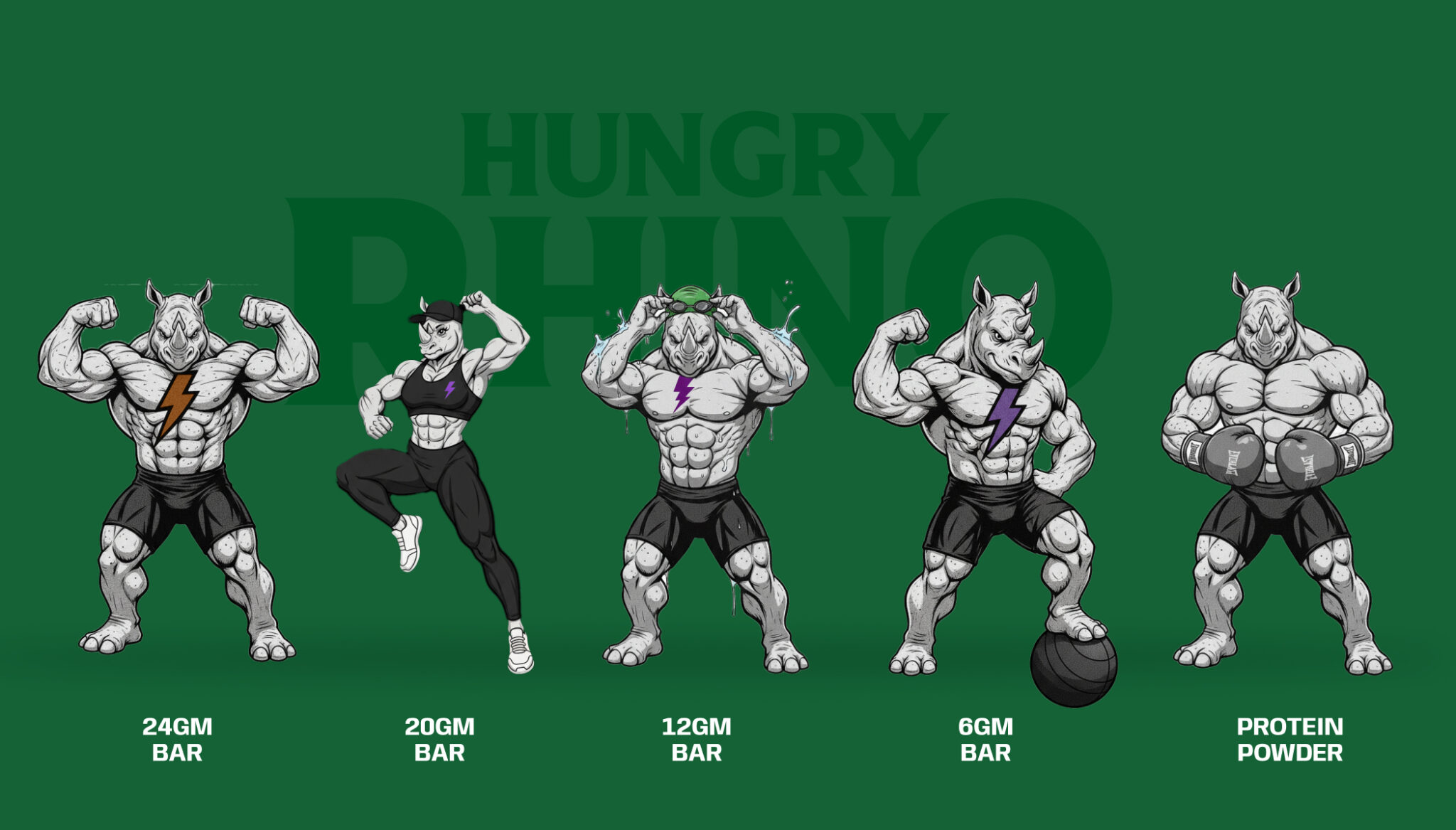


Introduction: What Makes a Brand Identity Strong?
Start by addressing a common misconception: brand identity is not just a logo.
Explain that a brand identity is the complete way a business presents itself to its audience, visually, verbally, and emotionally. It includes the strategy behind the brand as well as the elements customers see and experience.
You can open with a relatable idea:
Think about brands you can recognize within seconds. You may know them from a color, a symbol, a particular style, or even the way they communicate. That instant recognition doesn’t happen by accident. It comes from a carefully developed brand identity.
Then introduce the seven elements that will be covered in the article and explain that the first step is understanding the brand itself.

Explore the Branding behind the Blyp.
Brand Strategy: The Foundation of Your Identity
Before designing anything, a business needs to answer some fundamental questions:
- Why does the brand exist?
- Who is it trying to reach?
- What does it stand for?
- What makes it different?
- How should customers perceive it?
This is where brand strategy comes in.
A strong brand strategy defines the foundation for every creative decision that follows. Without it, businesses often end up choosing logos, colors, and fonts based on personal preferences or current design trends rather than what actually supports their business objectives.
What Should a Brand Strategy Define?
A comprehensive brand strategy can include:
Brand Purpose
Why does the business exist beyond simply making money?
Mission and Vision
What does the business do today, and where does it want to go?
Core Values
What principles influence the way the business operates and communicates?
Target Audience
Who are the ideal customers, and what do they need, value, or care about?
Brand Positioning
How should the brand be positioned in comparison with competitors?
Unique Value Proposition
What specific value does the business offer that customers cannot easily get elsewhere?
Brand Personality
If the brand were a person, how would it behave and communicate?
These decisions become the creative brief for the rest of the identity.
For example, a premium skincare brand targeting customers looking for sophisticated products may want to communicate quality, trust, simplicity, and exclusivity. Those characteristics should influence everything from the logo and typography to photography and messaging.
The important takeaway is simple:
Design should express strategy, not replace it.
Logo and Visual Mark: Turning Strategy Into Recognition
Once the strategic foundation is clear, the next step is translating it into a recognizable visual mark.
The logo is often the first element people associate with a brand. It appears on websites, packaging, social media, advertisements, business cards, signage, and countless other touchpoints.
But an effective logo isn’t necessarily the most complicated or visually impressive one.
A strong logo should be:
- Distinctive enough to stand apart
- Simple enough to remember
- Relevant to the brand
- Flexible across different applications
- Scalable from small digital icons to large signage
- Consistent with the overall brand personality
A common mistake is expecting the logo to communicate everything about the business.
It doesn’t need to tell the entire brand story by itself.
Instead, the logo should act as a recognition point within a larger identity system.
For example, when customers repeatedly encounter the same logo alongside consistent colors, typography, imagery, messaging, and experiences, those elements collectively strengthen brand recognition.
What Makes a Logo Memorable?
Memorability often comes from simplicity and distinctiveness.
A logo with too many details may become difficult to recognize when reduced to a small size. Similarly, a design that closely resembles competitors can make it difficult for customers to distinguish one business from another.
The goal is not to create a logo that follows whatever is currently popular.
The goal is to create a visual mark that belongs to your brand.
Logo Design Is Only the Beginning
It’s important to make one distinction clear:
A logo is not a brand identity.
A logo is one part of the identity.
The real strength comes from how the logo works together with the other elements that will be explored in the following phases.
A business could have a beautiful logo but still have a weak brand if its messaging is unclear, colors are inconsistent, visuals are disconnected, or customer experiences don’t match its positioning.
That is why the logo should be developed as part of a complete identity system.
Once the brand strategy and logo direction are established, the next step is to build the visual language of the brand.
This is where the brand begins to develop a recognizable look and feel. Customers should be able to encounter your website, social media post, advertisement, packaging, or presentation and sense that everything belongs to the same brand, even before they see the logo.
Three elements play a major role here: color, typography, and imagery.
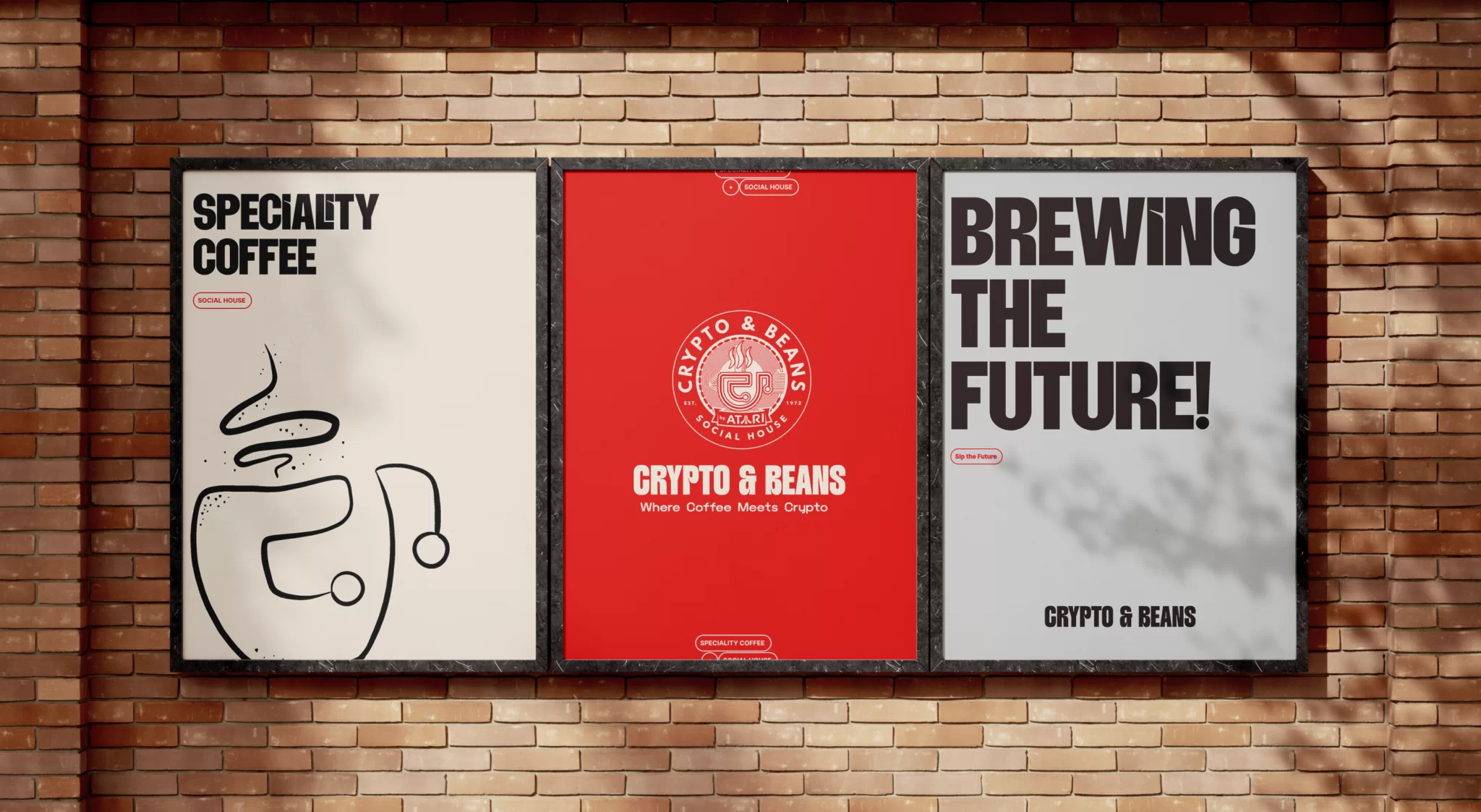
Explore the Branding behind the Crypto bean.
Brand Color Palette: Creating Instant Recognition
Color is one of the most noticeable parts of a brand identity.
Think about how certain colors immediately remind you of particular brands. This recognition is built over time through repeated and consistent use.
But choosing brand colors isn’t simply about picking your favorite colors.
Your palette should support your brand strategy, personality, audience, and positioning.
For example, a brand that wants to appear premium and sophisticated may use a restrained palette with elegant tones. A children’s brand may use brighter, more energetic colors to communicate playfulness and creativity.
A professional color system generally includes:
- Primary colors — the main colors associated with the brand
- Secondary colors — supporting colors that add flexibility
- Accent colors — used to highlight specific elements
- Neutral colors — backgrounds, text, and supporting areas
The goal is to create a palette that is distinctive but also practical.
Your colors need to work across:
- Websites
- Social media
- Packaging
- Advertising
- Presentations
- Business stationery
- Signage
- Mobile applications
Don’t Choose Colors Based Only on Trends
One of the biggest branding mistakes is selecting colors simply because they are fashionable.
Trends change.
A strong brand identity needs to remain relevant for years rather than months.
Instead of asking, “What colors are popular right now?”, ask:
“What colors best represent our brand and help us stand apart from competitors?”
Accessibility should also be considered. Text needs sufficient contrast against backgrounds so that your brand remains usable and readable for a wide range of audiences.
Ultimately, your color palette should make your brand recognizable, consistent, and visually distinctive.
Typography: Giving Your Brand a Personality
Typography is often underestimated in brand identity development.
The fonts you choose influence how your brand feels and how easily people can understand your content.
A traditional serif typeface might communicate heritage and sophistication, while a clean sans-serif may feel modern and approachable. A bold display typeface might create a more expressive or energetic personality.
There isn’t one universally “best” font.
The right choice depends on what your brand needs to communicate.
A strong typography system should define:
- Primary typeface
- Secondary typeface
- Heading styles
- Body text
- Font weights
- Font sizes
- Spacing
- Digital usage
For example, a brand might use one typeface for major headlines and another for body copy. This creates hierarchy while maintaining a consistent visual style.
Typography Should Be Beautiful and Functional
Brand typography isn’t just about aesthetics.
It also needs to be easy to read.
A font may look impressive in a logo or headline but become difficult to read in a long paragraph or on a mobile screen.
This is why typography should be tested across different applications and screen sizes.
Good typography helps customers understand information quickly while reinforcing the personality of the brand.
When consistently applied, typography can become a subtle but powerful part of brand recognition.
Imagery and Visual Style: Showing Rather Than Telling
Words and logos aren’t the only ways a brand communicates.
Images can instantly establish mood, personality, and emotion.
Photography, illustrations, icons, graphics, textures, and other visual assets should therefore follow a defined creative direction.
Imagine a luxury hospitality brand using carefully composed, atmospheric photography across its website and social channels. Now imagine the same brand suddenly using generic, brightly lit stock images.
Even if the logo and colors remain unchanged, the brand experience feels inconsistent.
A visual style can define:
- Photography direction
- Image composition
- Lighting
- Illustration style
- Icon design
- Graphic elements
- Background treatments
- Image editing
- Use of whitespace
The purpose is not to make every image look identical.
Instead, the goal is to establish a recognizable visual language.

Explore the Branding behind the Shivam.
Let Your Visuals Reflect Your Audience
Your imagery should also reflect the people you want to reach.
If your audience values authenticity, overly staged photography may feel disconnected. If your brand is positioned around innovation, outdated visual styles could weaken that message.
Ask:
“If our logo were removed, would our visual content still feel like our brand?”
If the answer is yes, you are moving toward a stronger visual identity.
How Color, Typography, and Imagery Work Together
These three elements become much more powerful when they work as a system.
Imagine a brand with:
- A carefully selected color palette
- Consistent typography
- A distinctive photography style
- A recognizable graphic language
Together, these elements create a visual experience that customers can associate with the brand.
This is the real purpose of visual identity.
It isn’t about making every marketing asset look decorated.
It’s about creating consistency with purpose.
Your website should feel connected to your social media. Your packaging should feel connected to your advertising. Your presentation should feel connected to your website.
The individual elements may change depending on the application, but the underlying visual language should remain recognizable.
A strong brand is not defined only by what customers see. It is also defined by what they hear, read, and experience.
Your logo, colors, typography, and imagery create the visual side of your identity. But your words give that identity a personality.
This is where brand voice, messaging, and brand guidelines become essential.
A customer should get the same sense of your brand whether they visit your website, read an Instagram post, receive an email, speak to your sales team, or see an advertisement.
Consistency creates familiarity. Familiarity helps build recognition and trust.
Brand Voice and Messaging: Making Your Brand Sound Human
Every brand communicates, whether it has deliberately developed a voice or not.
The words you use, the way you structure your sentences, and even the tone of your customer service messages all contribute to how people perceive your business.
Your brand voice defines how your brand sounds when communicating with its audience.
Ask yourself:
- Is our brand professional or conversational?
- Should we sound authoritative or approachable?
- Are we serious, energetic, friendly, or inspirational?
- How would we speak if our brand were a person?
There is no single voice that works for every business.
A financial services company may need to sound trustworthy and knowledgeable. A lifestyle brand might use a more relaxed and conversational tone. A technology company may want to communicate innovation without using unnecessary technical language.
The important thing is that the voice should reflect the brand strategy and target audience.
Brand Voice vs. Tone
Brand voice and tone are related, but they aren’t exactly the same.
Brand voice is the consistent personality of the brand.
Tone can change depending on the situation.
For example, a brand may normally have a friendly and positive voice. Its tone might be enthusiastic when launching a new product, helpful when answering a customer question, and more serious when addressing an important issue.
The personality stays consistent while the tone adapts to the context.
Build a Clear Messaging System
Your brand also needs a clear message.
A messaging system can include:
- Brand tagline
- Value proposition
- Key brand messages
- Brand story
- Product or service descriptions
- Communication principles
- Words to use
- Words to avoid
This helps everyone communicate the same core ideas.
For example, if your brand’s main differentiator is personalized service, that message should appear consistently across your website, sales presentations, social media, and customer communications.
The goal isn’t to repeat the exact same sentence everywhere.
The goal is to make sure the same core idea is communicated consistently.
Speak the Language of Your Audience
Effective brand communication isn’t about trying to sound impressive.
It’s about being understood.
A common mistake is filling brand messaging with complicated industry terminology because it sounds professional. If your audience doesn’t use those terms, however, the message can create distance rather than connection.
Instead, understand how your customers talk about their problems, needs, and goals.
Then create messaging that reflects that understanding.
When customers feel that a brand understands them, communication becomes more relevant and meaningful.

Explore the Branding behind the Diamensions.
Brand Guidelines and Consistency: Protecting Your Identity
Once your brand identity has been developed, you need a system for maintaining it.
This is where brand guidelines come in.
Brand guidelines are a reference document that explains how the brand should be presented across different channels and situations.
Think of them as the instruction manual for your brand.
They help internal teams, designers, marketers, agencies, developers, and other partners understand how to use the identity correctly.
What Should Brand Guidelines Include?
The exact contents depend on the brand, but a comprehensive guideline may include:
- Logo variations
- Logo spacing and sizing
- Incorrect logo usage
- Primary and secondary colors
- Color codes
- Typography
- Font hierarchy
- Photography direction
- Illustration style
- Iconography
- Graphic elements
- Brand voice
- Messaging principles
- Examples of correct application
For larger brands, guidelines can become quite detailed.
For smaller businesses, they may be much simpler.
The purpose isn’t to create a complicated document.
The purpose is to make the brand easy to use consistently.
Why Brand Consistency Matters
Imagine visiting a company’s website and seeing a sophisticated visual identity. Then you visit its social media and find completely different colors, fonts, photography, and messaging.
The business may still offer excellent products or services, but the inconsistent presentation can make the brand feel less established.
Consistency creates a sense of familiarity.
When customers repeatedly encounter the same visual and verbal cues, they have more opportunities to recognize and remember the brand.
Consistency should extend across every relevant touchpoint, including:
- Website
- Social media
- Advertising
- Packaging
- Presentations
- Signage
- Sales materials
- Customer communications
The goal is not to make every touchpoint identical.
Instead, each touchpoint should feel like part of the same brand ecosystem.
How the 7 Elements Work Together
By this point, we have covered the seven essential elements of a strong brand identity:
- Brand strategy
- Logo and visual mark
- Color palette
- Typography
- Imagery and visual style
- Brand voice and messaging
- Brand guidelines and consistency
These elements are most effective when they work together.
Your strategy establishes what the brand stands for.
Your logo provides a recognizable visual symbol.
Your colors create visual associations.
Your typography adds personality and structure.
Your imagery establishes a recognizable visual world.
Your voice and messaging determine how the brand communicates.
Your guidelines ensure these elements remain consistent as the brand grows.
Think of the identity as a connected system rather than seven separate design decisions.
From Individual Elements to One Brand Experience
Consider a customer discovering your business for the first time.
They might see an advertisement.
The visual identity catches their attention.
They recognize the colors and logo.
They read the headline and experience the brand voice.
They visit the website and encounter the same typography, imagery, messaging, and visual style.
They speak with your team and receive an experience that reflects the same brand personality.
That is when brand identity becomes more than design.
It becomes a brand experience.
Consistency Doesn’t Mean Repetition
There is an important distinction between consistency and repetition.
A consistent brand doesn’t need to use the exact same layout, image, headline, or design on every platform.
Instead, it maintains the same underlying characteristics.
For example, your social media content can be more dynamic than your corporate presentation while still using the same color system, typography, imagery style, and tone of voice.
This gives the brand enough flexibility to work in different environments without losing its identity.
Create Recognition Before Asking for Loyalty
Customers typically need multiple interactions with a brand before it becomes familiar.
A consistent identity gives those interactions a common thread.
Over time, customers may begin recognizing the brand from its visual and verbal cues, even when the logo isn’t immediately visible.
That recognition is valuable because it reduces the distance between seeing a brand and understanding what it represents.
A strong identity essentially tells customers:
“You’ve seen us before. You know what we stand for. You know what to expect.”
Creating a strong brand identity is not the finish line. Once the identity has been developed, the real work begins: applying it consistently, measuring its effectiveness, and allowing it to evolve as the business grows.
A successful brand identity should not only look professional. It should help people recognize your business, understand what you offer, remember you, and distinguish you from competitors.
In this final phase, let’s look at the common mistakes businesses should avoid, how the brand identity development process works, and how to determine whether your identity is doing its job.
Explore the Branding behind the Blyp.
Common Brand Identity Mistakes to Avoid
Even a well-designed brand identity can lose its impact when it is poorly implemented.
Here are some of the most common mistakes businesses make.
01. Designing Without a Strategy
One of the biggest mistakes is starting with the logo before defining the brand.
Choosing colors, fonts, and visual styles based purely on personal preferences can result in an identity that looks attractive but doesn’t communicate anything meaningful.
Strategy should come first.
02. Following Every Design Trend
Design trends can be useful sources of inspiration, but they shouldn’t determine your entire identity.
A trend that looks modern today may feel outdated a few years later.
Strong branding focuses on relevance and differentiation, rather than simply trying to look fashionable.
03. Copying Competitors
Looking at competitors is an important part of research, but copying them is not branding.
If every business in your industry uses the same colors, typography, photography, and messaging, following the same approach can make your brand disappear into the crowd.
Your identity should answer an important question:
“Why should customers recognize us instead of everyone else?”
04. Inconsistent Brand Usage
A business may invest heavily in creating an identity but then use different fonts, colors, logos, and messaging across different platforms.
These small inconsistencies can weaken recognition.
Everyone who creates brand-related content should understand how the identity should be used.
05. Trying to Appeal to Everyone
A brand doesn’t need to appeal to everyone.
Trying to speak to every possible customer can make your positioning and communication vague.
A strong identity is built around a clear understanding of its ideal audience.
06. Treating the Logo as the Entire Brand
A logo is important, but it is only one piece of the identity.
If the logo changes but everything else about the business remains inconsistent, the underlying branding problem hasn’t been solved.
Strong brands are built through systems and experiences, not individual assets.
The Brand Identity Development Process
A successful brand identity usually comes from a structured process rather than a single design exercise.
While the exact process can differ between businesses, these stages provide a useful framework.
Step 1: Brand Discovery
The process begins by understanding the business.
This can involve conversations with stakeholders, customer research, competitor analysis, market research, and a review of existing brand materials.
The goal is to understand:
- Where the brand is today
- Where it wants to go
- Who it serves
- What makes it different
- What challenges it faces
Step 2: Define the Brand Strategy
The next step is establishing the strategic foundation.
This includes defining the brand’s purpose, positioning, values, personality, audience, and value proposition.
These decisions provide direction for the creative work.
Step 3: Develop the Creative Direction
Now the strategy starts becoming visual.
Designers explore different creative directions based on the brand’s positioning and personality.
This can include moodboards, visual references, typography exploration, color directions, and initial design concepts.
Step 4: Design the Brand Identity
The selected creative direction is developed into a complete identity system.
This can include:
- Logo
- Logo variations
- Color palette
- Typography
- Graphic elements
- Imagery style
- Iconography
- Supporting visual assets
The important thing is that these elements should work together rather than feeling like separate designs.
Step 5: Develop Brand Messaging
Visual identity is only one side of the brand.
The messaging system should define how the business communicates its value and personality.
This may include the tagline, brand story, value proposition, key messages, and tone of voice.
Step 6: Create Brand Guidelines
The completed identity is documented so that it can be used consistently.
Guidelines give teams and external partners a clear reference for implementing the brand.
Step 7: Implement the Identity
The identity is then introduced across relevant customer touchpoints.
Depending on the business, this could include:
- Website
- Social media
- Packaging
- Advertising
- Business cards
- Presentations
- Signage
- Sales materials
- Email communications
- Digital products
Implementation is where the identity becomes a real customer experience.
Step 8: Evaluate and Evolve
A brand identity shouldn’t be treated as something that can never change.
Businesses evolve. Markets change. Customer expectations shift.
A strong brand should have enough flexibility to grow while maintaining its core identity.
Regular evaluation can help identify when certain elements need refinement.

Explore the Branding behind the Mani Mark
How to Know if Your Brand Identity Is Working
A visually attractive identity isn’t necessarily an effective one.
The more important question is whether the identity is helping the business achieve its goals.
Here are several areas to evaluate.
Brand Recognition
Can customers identify your brand when they encounter its visual or verbal elements?
Recognition can develop through consistent exposure over time.
Differentiation
Does your brand look and sound different from competitors?
If your identity could easily belong to another company in the same industry, it may not be distinctive enough.
Audience Connection
Does your identity resonate with the people you want to reach?
Customer feedback, interviews, surveys, and engagement data can help reveal whether the brand is communicating effectively.
Consistency
Does the brand feel the same across different platforms and touchpoints?
A consistent identity should create a connected experience whether customers encounter the brand online, in-store, through advertising, or through customer service.
Clarity
Can customers quickly understand who you are, what you offer, and why you are relevant to them?
If the identity looks impressive but communicates an unclear message, there is still work to do.
Flexibility
Can the identity adapt to new products, services, campaigns, platforms, and markets?
A good identity system should be flexible enough to support business growth without requiring a complete redesign every time something changes.
When Should You Consider Updating Your Brand Identity?
Not every business needs to completely rebrand.
Sometimes the existing identity is strong but needs refinement.
You may want to review your brand identity when:
- Your business has significantly changed
- Your target audience has changed
- You’re entering a new market
- Your current identity feels outdated
- Your positioning has changed
- Competitors are becoming difficult to distinguish from
- Your brand looks inconsistent across platforms
- Your current identity no longer reflects the quality of your products or services
The goal should not be to change simply for the sake of change.
A brand update should have a clear strategic reason behind it.
Building a Brand People Remember
A strong brand identity is ultimately about more than aesthetics.
It is about creating a clear and consistent representation of what your business stands for.
The seven essential elements each play a different role:
- Brand strategy provides direction.
- Logo and visual mark create recognition.
- Color palette builds visual associations.
- Typography communicates personality and structure.
- Imagery and visual style create an emotional visual language.
- Brand voice and messaging give the brand a distinctive personality.
- Brand guidelines maintain consistency as the brand grows.
When these elements work together, they create a brand that is easier to recognize, understand, and remember.
But the strongest identities aren’t created by asking, “How can we make our brand look better?”
They begin with a more important question:
“How do we want people to perceive, experience, and remember our brand?”
That question shifts branding from decoration to strategy.
And when strategy, design, communication, and consistency come together, your brand identity can become one of the most valuable assets your business builds.

Explore the Branding behind the Sukkubhai
Conclusion: Build a Brand People Remember
A strong brand identity is more than a logo, a color palette, or a collection of attractive designs. It is a complete system that communicates who you are, what you stand for, and why customers should remember you.
From brand strategy and visual identity to typography, imagery, messaging, and consistency, each element plays an important role. When these elements work together, they create a brand that feels clear, recognizable, trustworthy, and distinctive.
The most successful brands don’t simply focus on looking good. They create an identity that connects with the right audience and delivers a consistent experience at every touchpoint.
Whether you’re launching a new business, growing an existing brand, or considering a rebrand, investing in a well-planned brand identity can give you a stronger foundation for long-term growth.
Your brand identity is not just what people see. It’s what they recognize, remember, and ultimately associate with your business.

Akshita Shivani Sundar
Senior Graphic Designer