

What Is Web Design?
A website is often the first interaction a customer has with a business in today’s digital-first environment. It shapes initial impressions and strongly influences how users perceive a brand’s credibility, professionalism, and overall value. Web design is therefore not limited to aesthetics; it functions as a strategic element that directly impacts brand perception, user experience, and business performance.
For decision-makers, understanding web design is essential for making informed decisions around digital investment and customer engagement. A well-designed website improves conversion rates, strengthens customer trust, and supports long-term growth objectives. It also ensures that digital initiatives are aligned with business goals, turning the website into a performance-driven asset rather than just an online presence.
Defining Web Design in a Business Context
Web design refers to the process of planning, structuring, and creating the visual and functional elements of a website. It encompasses multiple components such as layout, color schemes, typography, imagery, navigation systems, and overall user experience design. Each of these elements works together to ensure that a website is not only visually appealing but also easy to use and intuitive for visitors. Effective web design focuses on guiding users through the website in a clear and structured manner, reducing friction and improving accessibility.
From a business perspective, web design goes far beyond aesthetics and visual presentation. It plays a strategic role in communicating brand value, building trust, and influencing user behavior. A well-designed website helps businesses present their offerings clearly, engage visitors effectively, and guide them toward meaningful actions such as inquiries, sign-ups, or purchases. Ultimately, strong web design serves as a critical driver of digital performance, ensuring that the website contributes directly to business growth and measurable outcomes.
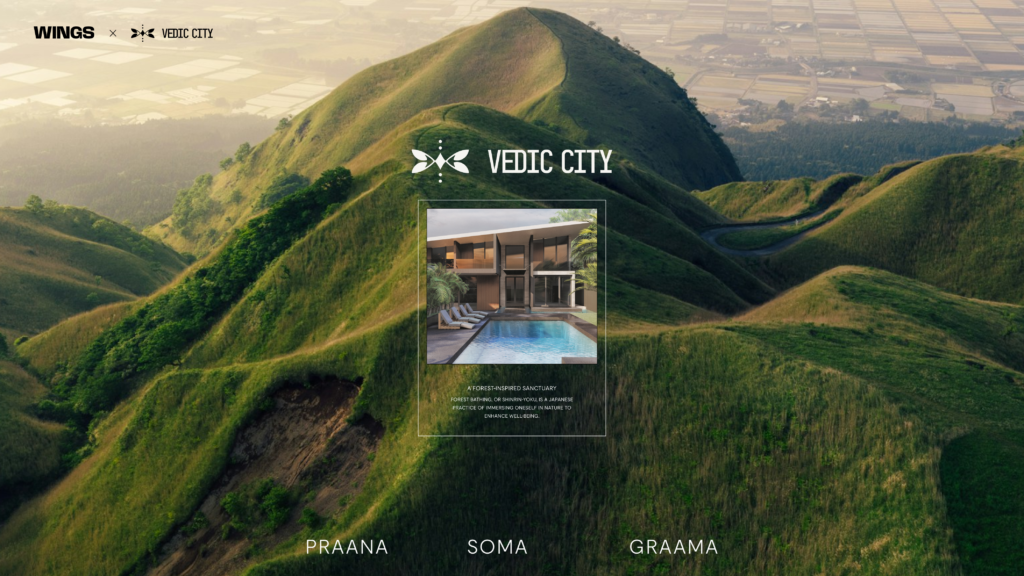
Explore the Web design process behind the Vedic City.
Why Web Design Is a Business-Critical Function
Web design directly influences how users perceive your brand online. It shapes the first impression and overall credibility of your digital presence. It also impacts how easily users interact with and engage on your website.
A strategically designed website can:
Build Trust and Credibility
A well-designed website creates a strong and positive first impression for users. It builds trust through consistent branding, clean layouts, and professional visuals that reflect reliability and attention to detail. When users encounter a structured and visually appealing interface, they are more likely to trust the business behind it. In contrast, poor design can quickly reduce confidence and negatively impact credibility. Strong web design ultimately helps establish authority and competitiveness in the digital environment.
Improve Engagement and Retention
Effective web design encourages users to stay longer and explore more content by creating a smooth and engaging browsing experience. Clear navigation and an intuitive structure reduce confusion and make it easier for users to find what they need. Engaging visuals combined with well-organized content help maintain user interest throughout their journey. When users can access value quickly and effortlessly, they are more likely to return to the website. This ultimately leads to stronger engagement and improved retention over time.
Increase Conversion Rates
Strategic web design guides users smoothly toward key actions and decisions by structuring a clear and intentional digital journey. Clear calls-to-action help convert visitors into leads or customers by removing confusion and encouraging decisive user behavior. Optimized layouts reduce distractions and improve overall user flow, ensuring a seamless browsing experience. Every design element is intentionally aligned with a specific conversion objective rather than being purely decorative. This results in higher efficiency, stronger user engagement, and improved overall business outcomes.
Strengthen Brand Positioning
Web design plays a key role in shaping how a brand is perceived in the digital space by influencing first impressions and overall user experience. A consistent visual identity across colors, typography, and layout helps improve brand recognition and builds trust with users. A professional and well-structured design positions the brand as credible, reliable, and authoritative in its industry. It also communicates the brand’s unique value proposition and helps differentiate it from competitors in the market. Over time, strong web design contributes to building brand equity and strengthening long-term positioning.
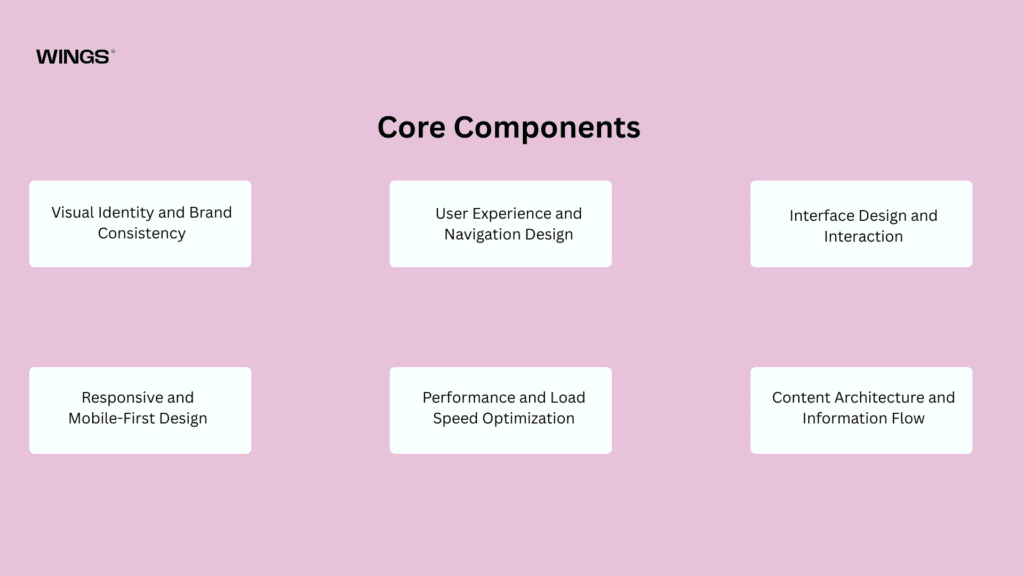
Core Components of Effective Web Design
Visual Identity and Brand Consistency
The visual identity of a website defines how a brand is perceived by its audience. Consistent use of colors, typography, and imagery helps create a unified brand experience. This consistency builds recognition and strengthens brand recall over time. A strong visual system also improves credibility and trust among users. Every design element should reflect the brand’s personality and positioning. This ensures a cohesive and professional digital presence.
User Experience and Navigation Design
User experience and navigation design focus on how easily users can interact with a website. A well-structured layout ensures that visitors can find information quickly and without confusion. Clear navigation paths reduce friction and improve overall usability. This leads to longer engagement and higher satisfaction. Good UX design anticipates user needs and simplifies their journey. It plays a key role in driving conversions and retention.
Interface Design and Interaction
Interface design focuses on how users interact with the website through visual elements. Buttons, forms, menus, and other components must be intuitive and easy to use. Effective interaction design guides users naturally toward desired actions. It reduces complexity and improves engagement across the platform. Every interaction should feel smooth, predictable, and responsive. This directly enhances the overall user experience.
Responsive and Mobile-First Design
Responsive design ensures that websites function properly across all devices and screen sizes. A mobile-first approach prioritizes the mobile experience during the design process. This is essential as a large portion of users access websites through mobile devices. Proper responsiveness improves accessibility and usability significantly. It also enhances user satisfaction and engagement levels. Search engines also favor mobile-optimized websites.
Performance and Load Speed Optimization
Website performance plays a critical role in user retention and satisfaction. Slow-loading pages often lead to higher bounce rates and lost opportunities. Optimizing load speed ensures a smoother and more efficient user experience. Performance also impacts search engine rankings and visibility. Fast websites encourage users to explore more content. This directly contributes to better engagement and conversions.
Content Architecture and Information Flow
Content architecture defines how information is structured and presented on a website. A clear flow helps users understand and navigate content easily. Well-organized content supports better decision-making and user engagement. It ensures that key messages are delivered in a logical sequence. Poor structure can confuse users and reduce effectiveness. Strong content architecture enhances clarity and usability across the website.
Types of Web Design Approaches
Static vs Dynamic Websites
Static websites display fixed content that remains the same for all users unless manually updated. They are simple, fast, and cost-effective to develop and maintain. Dynamic websites, however, generate content based on user behavior, data, and interactions. This allows for a more personalized and interactive experience. They are better suited for businesses that require frequent updates or user-specific functionality. The choice depends on the level of flexibility and scalability a business needs.
E-commerce-Focused Design
E-commerce websites are built to support online selling and streamline the customer buying journey. They focus on product presentation, clear categorization, and easy navigation. A strong emphasis is placed on user experience to reduce friction during browsing and checkout. Features such as secure payment gateways and optimized product pages are essential. Good design directly impacts conversion rates and customer trust. The ultimate goal is to make purchasing simple, fast, and reliable.
Custom vs Template-Based Design
Custom web design is tailored specifically to a business’s needs, offering complete flexibility in layout and functionality. It allows brands to create unique digital experiences and scale as they grow. Template-based design uses pre-built structures that are faster and more affordable to implement. However, templates may limit customization and long-term differentiation. Businesses must evaluate their goals, budget, and scalability requirements before choosing. The right choice depends on balancing speed, cost, and strategic value.
Web Design vs Web Development: A Strategic Distinction
Web design and web development are two fundamental pillars of building a successful website. While they are closely related, they serve different purposes in the digital ecosystem. Understanding the distinction helps businesses make better strategic and investment decisions.
| Aspect | Web Design | Web Development |
| Focus | Visual and experiential aspects of a website | Technical implementation and functionality |
| Objective | Create engaging and user-friendly interfaces | Build and maintain the website’s core functionality |
| Key Elements | Layout, colors, typography, UI/UX | Coding, databases, server-side logic |
| Role in Business | Enhances user experience and brand perception | Ensures performance, scalability, and reliability |
A website cannot succeed with design alone or development alone. Design focuses on how the website looks and feels, while development ensures it functions properly. Both must work together to create a seamless and effective digital experience. This alignment directly impacts user satisfaction and business performance. A balanced approach leads to better engagement and stronger results.
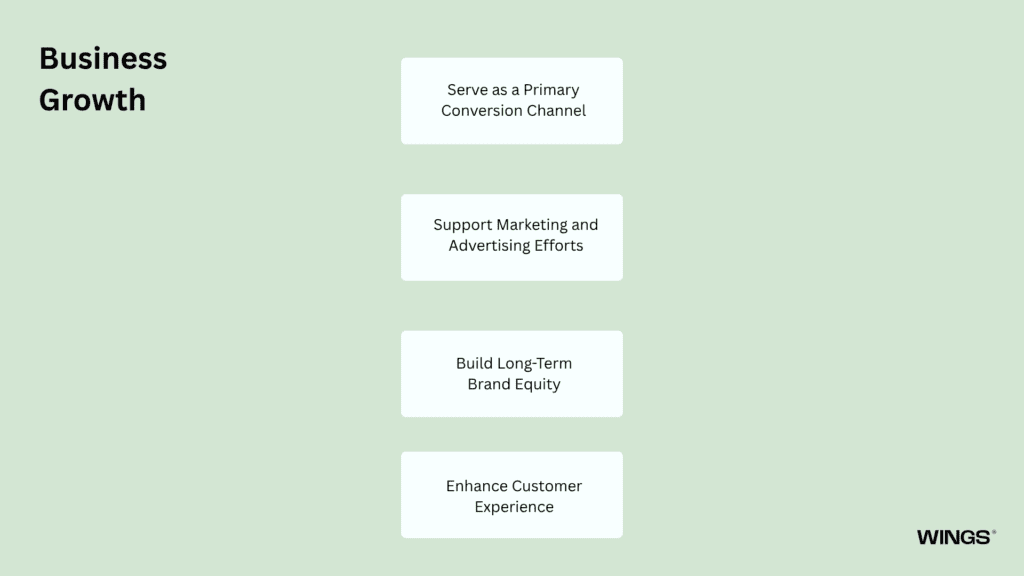
The Strategic Role of Web Design in Business Growth
Web design plays a central role in digital strategy and extends far beyond visual appeal. It should be viewed not just as a creative output, but as a critical business asset that drives performance. A well-designed website supports key objectives such as conversions, engagement, and long-term growth.
Serve as a Primary Conversion Channel
A well-designed website functions as a core conversion engine for the business, guiding users through a structured journey from awareness to action. Clear calls-to-action and intuitive layouts help drive inquiries, sign-ups, or sales. Every design element should support conversion-focused outcomes and reduce friction in the user journey. This improves the efficiency of digital efforts and maximizes results. As a result, the website becomes a direct driver of revenue and growth.
Support Marketing and Advertising Efforts
A website serves as the central destination for all marketing and advertising activities, ensuring a seamless user experience. Whether traffic comes from social media, search engines, or paid campaigns, consistency is critical. Aligning messaging between ads and landing pages improves engagement and performance. A well-optimized website ensures that traffic converts into meaningful actions. This directly enhances the effectiveness of marketing investments and overall ROI.
Enhance Customer Experience
Customer experience plays a vital role in how users perceive and interact with a brand online. A well-designed website makes navigation simple, intuitive, and efficient for users. It enables visitors to find information quickly without confusion or frustration. Positive experiences lead to higher engagement, trust, and satisfaction. This ultimately encourages repeat visits and stronger customer relationships.
Build Long-Term Brand Equity
Web design contributes significantly to building and reinforcing brand identity over time. A consistent and professional design creates a strong and lasting impression on users. Every interaction on the website shapes how the brand is perceived. This helps build credibility, trust, and recognition in the market. Over time, it strengthens brand positioning and long-term business value.
Common Web Design Mistakes Businesses Make
Overemphasizing Visual Appeal Over Usability
Many businesses prioritize how a website looks rather than how it functions. While aesthetics are important, usability determines whether users stay or leave. If navigation is unclear or interactions are confusing, users quickly lose interest. A visually appealing site without usability fails to deliver meaningful results. Effective web design must balance creativity with functionality. This ensures both engagement and performance are achieved.
Neglecting Mobile Optimization
A large portion of users access websites through mobile devices today. Websites that are not responsive create a poor and inconsistent user experience. This can significantly reduce engagement and conversion rates. Search engines also prioritize mobile-friendly websites in rankings. Ignoring mobile optimization limits both visibility and accessibility. A mobile-first approach is essential for modern web design success.
Overcomplicating Navigation
Complex navigation structures make it difficult for users to find information quickly. When users are forced to think too much, they tend to leave the website. Clear and intuitive navigation improves usability and overall satisfaction. It helps guide users toward important actions and key pages. Simple navigation reduces friction and enhances the browsing experience. This ultimately leads to better engagement and higher conversions.
Ignoring Performance and Load Speed
Website performance plays a crucial role in user experience and retention. Slow-loading pages can frustrate users and increase bounce rates significantly. Performance issues also negatively impact search engine rankings. Optimizing speed ensures a smoother and more efficient user journey. Fast websites encourage users to stay longer and explore more. This directly contributes to improved engagement and business outcomes.
Lack of Alignment with Business Objectives
Web design should always support clearly defined business goals. Many websites fail because they are created without a strategic purpose. Without alignment, design efforts may not translate into real results. Every element should guide users toward a specific action or outcome. This could include lead generation, sales, or brand awareness. Strategic alignment ensures the website contributes to measurable growth.

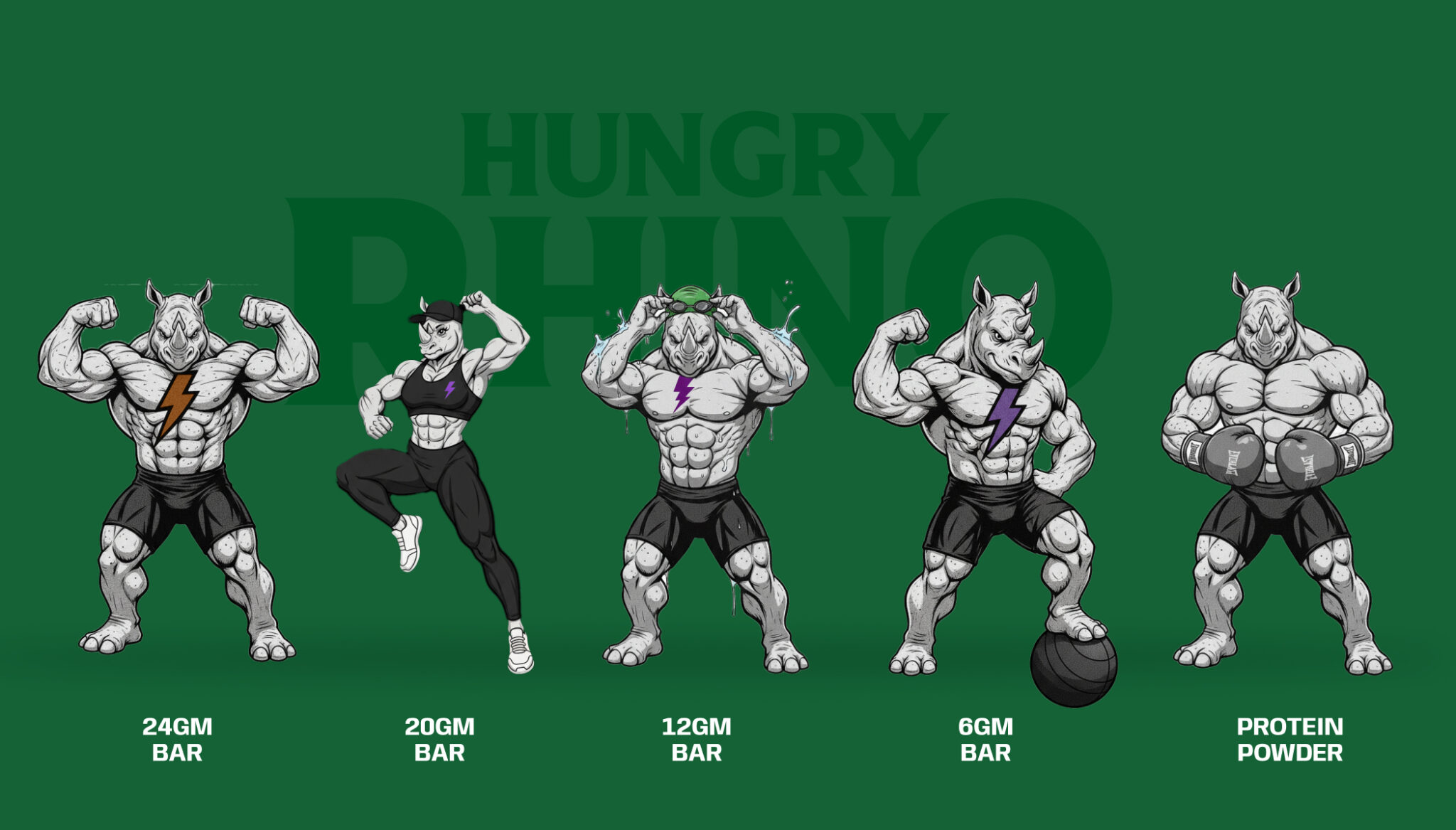
Explore the Web design process behind the Pureforma.
The Future of Web Design
AI-Driven Personalization
Websites are increasingly leveraging artificial intelligence to personalize experiences. Content is tailored based on user behavior, preferences, and interactions. This makes the experience more relevant and engaging for each visitor. Personalization also improves retention and conversion rates. Users are more likely to interact with content that feels customized. This trend is becoming a key driver of digital performance.
Minimal and User-Focused Interfaces
Modern web design is shifting toward clean and simple interfaces. Minimal design reduces distractions and improves clarity for users. It allows visitors to focus on key messages and actions. This approach enhances usability and overall user experience. Simple layouts also improve accessibility across different devices. A user-focused interface leads to better engagement and satisfaction.
Voice-Enabled Interactions
Voice technology is becoming an important part of digital interaction. Websites are beginning to integrate voice-based navigation features. This allows users to interact more naturally and efficiently. Voice interfaces also improve accessibility for diverse audiences. They simplify the way users search and consume information. Adopting this early can provide a strong competitive advantage.
Performance-First Design
Performance is now a central focus in modern web design strategies. Users expect fast, seamless, and responsive experiences across all devices. Websites that load quickly retain users more effectively. Speed also plays a key role in search engine rankings. Performance-first design ensures efficiency without sacrificing functionality. This approach is critical for delivering high-quality digital experiences.
Conclusion
Web design is more than aesthetics, it is about creating digital experiences that deliver measurable business outcomes. It plays a critical role in how users perceive, interact with, and respond to a brand online. A well-designed website not only attracts attention but also guides users toward meaningful actions. This makes design a key driver of engagement, conversion, and overall performance.
For decision-makers, the focus should be on aligning design with strategy and business objectives. Every element of the website must serve a clear purpose within the user journey. From layout to functionality, each component should contribute to engagement and usability. A strategic approach ensures that design efforts translate into tangible results. Ultimately, effective web design supports sustainable business growth.

Mugesh Kanna
Junior Web developer