


What Is a Brand Audit?
A brand audit is a systematic evaluation of every aspect of your brand to determine how effectively it communicates your business values, connects with your audience, and supports your overall business goals.
Unlike a marketing audit, which focuses primarily on campaign performance, a brand audit examines the complete customer perception of your business. It considers both internal factors, such as brand messaging and visual identity, and external factors, such as customer reviews, online reputation, and competitor positioning.
A successful brand audit answers important questions like:
- How do customers perceive our brand?
- Is our messaging consistent across all platforms?
- Does our visual identity reflect our business today?
- How does our brand compare to competitors?
- Are we delivering the experience customers expect?
- What improvements should we prioritize?
The insights gathered during a brand audit become the foundation for improving marketing strategies, customer experience, and long-term brand growth.
Why Is a Brand Audit Important?
Many businesses focus heavily on acquiring new customers but spend very little time evaluating how their brand is performing. Over time, inconsistencies can develop that confuse customers and weaken trust.
Here are the biggest reasons why a brand audit matters.
01. Understand Customer Perception
Businesses often have a clear vision of what they want their brand to represent. However, customer perception doesn’t always match that vision.
A brand audit helps identify the gap between:
- What your company believes
- What your employees communicate
- What customers actually experience
Closing this gap strengthens customer trust and loyalty.
02. Maintain Brand Consistency
Customers interact with brands across multiple touchpoints:
- Website
- Social media
- Email marketing
- Advertisements
- Customer support
- Packaging
- Sales representatives
If each touchpoint communicates different messages or uses inconsistent visuals, customers may lose confidence in your brand.
A brand audit ensures consistency across every customer interaction.
03. Improve Customer Experience
Brand perception isn’t built only through marketing, it develops through every customer interaction.
During a brand audit, businesses examine:
- Website usability
- Response times
- Product quality
- Customer support
- Purchase experience
- After-sales service
Improving these experiences leads to higher customer satisfaction and stronger brand loyalty.
04. Identify Competitive Advantages
Your competitors are constantly evolving. A brand audit helps you understand:
- Where your brand stands in the market
- What makes you unique
- Areas where competitors outperform you
- Opportunities to differentiate yourself
This information helps refine your positioning strategy.
05. Increase Marketing Effectiveness
Marketing campaigns are far more successful when built on a strong brand foundation.
A brand audit ensures that:
- Marketing messages are aligned
- Campaigns target the right audience
- Brand voice remains consistent
- Marketing investments generate better ROI
Instead of guessing what works, businesses can make decisions backed by research and data.
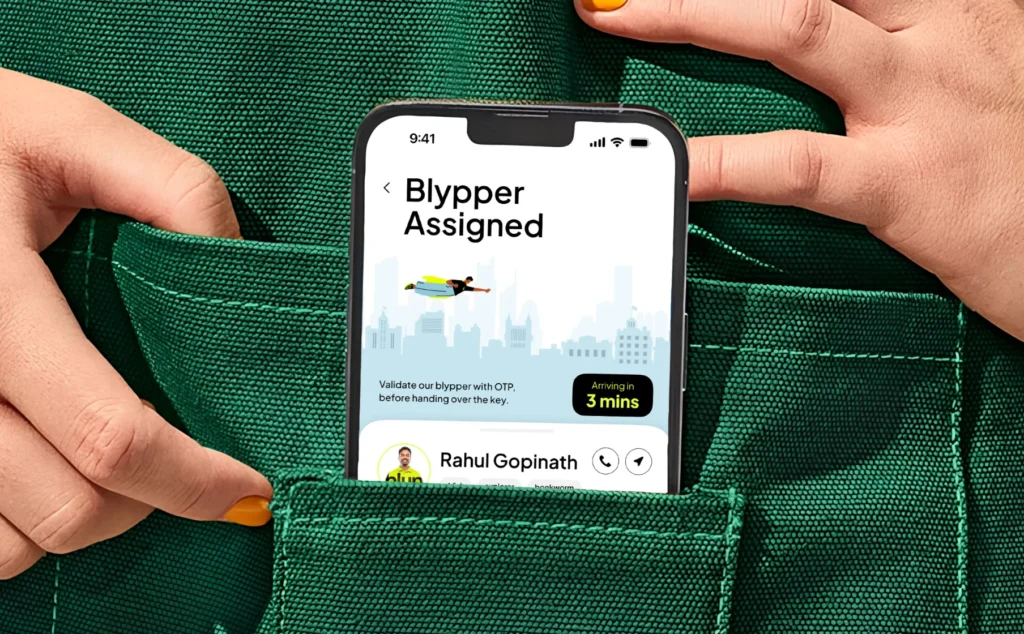
Explore the Branding behind the Blyp.
Signs Your Brand Needs a Brand Audit
Not every business realizes when its brand begins losing effectiveness. Here are some common warning signs.
Declining Sales
If sales continue to decrease despite ongoing marketing efforts, your brand may no longer resonate with your audience.
Customers may:
- Prefer competitors
- Fail to recognize your value
- Feel disconnected from your messaging
A brand audit helps identify the root cause.
Inconsistent Branding
Does your website use different messaging than your social media? Are your logo, colors, or fonts inconsistent across platforms? Do employees describe your business differently? These inconsistencies weaken brand recognition and trust.
Low Customer Engagement
Poor engagement often indicates that customers no longer find your content valuable or relevant.
Watch for:
- Low social media engagement
- Reduced email open rates
- High website bounce rates
- Declining customer inquiries
These metrics may reveal branding issues rather than marketing problems.
Increasing Negative Reviews
Online reviews significantly influence purchasing decisions.
If customers repeatedly mention similar concerns, such as:
- Poor communication
- Misleading expectations
- Inconsistent quality
- Weak customer service
your brand audit should investigate whether these issues reflect broader branding challenges.
Business Growth or Expansion
Companies often evolve faster than their branding.
If you’ve recently:
- Added new products
- Entered new markets
- Changed your business model
- Acquired another company
- Expanded internationally
your brand should evolve alongside your business.
A brand audit ensures your identity reflects your current direction.
Types of Brand Audits
Different businesses require different approaches. The most effective audits typically combine several types.
Internal Brand Audit
An internal audit evaluates how employees understand and communicate your brand.
It examines:
- Company values
- Brand mission
- Employee engagement
- Internal communication
- Brand culture
Employees should consistently represent the same brand values customers experience externally.
External Brand Audit
This focuses on customer perception.
Businesses gather insights through:
- Customer surveys
- Online reviews
- Interviews
- Social media comments
- Brand mentions
The goal is to understand how customers actually view your brand rather than how you believe they see it.
Digital Brand Audit
Modern businesses rely heavily on digital channels.
A digital brand audit reviews:
- Website performance
- Mobile experience
- SEO visibility
- Content quality
- Social media consistency
- Email marketing
- Online advertising
This audit identifies digital opportunities to improve visibility and customer engagement.
Competitor Brand Audit
Understanding competitors helps refine your own positioning.
A competitor audit examines:
- Messaging
- Visual identity
- Pricing
- Customer reviews
- Website experience
- Social media activity
- Content strategy
Rather than copying competitors, the goal is to identify opportunities to stand out.
Key Components of a Brand Audit
A comprehensive brand audit evaluates multiple areas instead of focusing on just one aspect.
Brand Identity
Assess whether your visual identity accurately represents your business.
Review:
- Logo
- Colors
- Typography
- Imagery
- Design style
Ask yourself whether these elements still reflect your company’s personality and target audience.
Brand Positioning
Brand positioning defines where your business fits within the market.
Evaluate:
- Target audience
- Value proposition
- Competitive differentiation
- Pricing strategy
- Brand promise
Strong positioning makes it immediately clear why customers should choose your business over competitors.
Brand Messaging
Your messaging should remain clear and consistent everywhere customers encounter your brand.
Review:
- Website copy
- Advertising
- Product descriptions
- Social media posts
- Email campaigns
- Sales materials
Every message should reinforce the same brand personality and values.
Customer Experience (CX)
Your brand extends beyond your logo and marketing materials, it is defined by every interaction customers have with your business. A positive customer experience builds trust, encourages repeat purchases, and turns satisfied customers into brand advocates.
During a brand audit, evaluate every stage of the customer journey, including:
- Website navigation and usability
- Product or service quality
- Customer support responsiveness
- Purchase and checkout process
- Delivery or service fulfillment
- After-sales support
Ask yourself these questions:
- Is it easy for customers to find information?
- Do customers receive consistent support across all channels?
- Are complaints resolved quickly and professionally?
- Does the overall experience match your brand promise?
If customers consistently encounter friction or disappointment, your brand reputation can suffer regardless of how strong your marketing efforts are.
Website Performance
For many businesses, the website is the first interaction potential customers have with the brand. A poorly designed or outdated website can negatively impact credibility and conversions.
Review key elements such as:
- Website speed
- Mobile responsiveness
- User-friendly navigation
- Clear calls-to-action (CTAs)
- Accessibility
- Content quality
- Security (HTTPS)
- Contact information
A brand audit should also analyze user behavior metrics like bounce rate, average session duration, and conversion rates to identify areas for improvement.
Social Media Presence
Social media plays a major role in shaping brand perception. Customers expect businesses to maintain an active, engaging, and consistent presence across platforms.
Evaluate:
- Profile consistency
- Brand voice
- Posting frequency
- Visual branding
- Audience engagement
- Community management
- Response time to comments and messages
Look for patterns in customer interactions. Positive engagement often indicates a healthy brand, while unanswered questions or recurring complaints may signal opportunities for improvement.
SEO and Content Marketing
Content is one of the most effective ways to establish authority and attract potential customers. During a brand audit, assess whether your content strategy aligns with your business goals and audience needs.
Review:
- Keyword rankings
- Organic traffic
- Blog performance
- Landing pages
- Content quality
- Internal linking
- Meta titles and descriptions
- Content consistency
Ask whether your content answers customer questions and positions your business as a trusted resource.
Online Reputation
A company’s reputation directly impacts purchasing decisions. Prospective customers often read reviews before choosing a product or service.
Analyze your online reputation by reviewing:
- Google Reviews
- Industry-specific review platforms
- Social media comments
- Customer testimonials
- Brand mentions
- Forum discussions
Pay close attention to recurring themes. If multiple customers mention the same issue, it should become a priority in your improvement plan.
Competitor Analysis
No brand exists in isolation. Understanding how competitors position themselves can reveal valuable opportunities.
Compare competitors based on:
- Brand messaging
- Pricing
- Customer experience
- Website quality
- Content marketing
- Social media activity
- Customer reviews
- Unique selling propositions (USPs)
The objective isn’t to copy competitors but to identify gaps where your brand can provide greater value or a more distinctive experience.

Explore the Branding behind the Diamensions.
How to Conduct a Brand Audit (Step-by-Step)
A structured process ensures your audit produces meaningful insights and actionable recommendations.
Step 1: Define Your Objectives
Start by identifying why you’re conducting the audit.
Common objectives include:
- Increasing brand awareness
- Improving customer trust
- Refreshing brand identity
- Strengthening online presence
- Boosting customer loyalty
- Improving marketing performance
- Preparing for business expansion
Clear objectives help determine which data to collect and which metrics matter most.
Step 2: Gather Existing Brand Assets
Collect all materials representing your brand.
These include:
- Logo files
- Brand guidelines
- Marketing brochures
- Website content
- Social media profiles
- Email templates
- Advertising campaigns
- Product packaging
- Sales presentations
Review each asset for consistency in tone, messaging, colors, typography, and visual identity.
Step 3: Collect Customer Feedback
Customer insights provide the most valuable perspective during a brand audit.
Gather information through:
- Customer surveys
- Interviews
- Feedback forms
- Online reviews
- Social media comments
- Customer support tickets
Ask questions such as:
- How would you describe our brand?
- What do you like most about us?
- What could we improve?
- Why did you choose us over competitors?
- Would you recommend us to others?
This feedback helps identify strengths and areas requiring attention.
Step 4: Analyze Your Digital Presence
Review every digital touchpoint where customers interact with your brand.
Evaluate:
- Website performance
- SEO rankings
- Google Business Profile
- Social media profiles
- Online directories
- Email marketing
- Digital advertising campaigns
Ensure branding remains consistent across all channels while delivering a seamless customer experience.
Step 5: Measure Marketing Performance
Analyze the effectiveness of your marketing efforts using key performance indicators (KPIs).
Important metrics include:
- Website traffic
- Conversion rate
- Customer acquisition cost (CAC)
- Return on investment (ROI)
- Social engagement
- Email open and click-through rates
- Lead generation
- Customer retention rate
Compare current performance against previous periods to identify trends and opportunities.
Step 6: Review Competitors
Create a comparison table to evaluate competitors objectively.
Consider factors like:
- Pricing strategy
- Messaging
- Customer reviews
- Website quality
- Brand positioning
- Product offerings
- Marketing channels
This analysis helps determine how your brand can better differentiate itself.
Step 7: Identify Strengths and Weaknesses
Once you’ve collected all the data, organize your findings into categories.
Strengths
Examples include:
- Strong customer loyalty
- High brand recognition
- Positive reviews
- Consistent visual identity
- Effective content marketing
Weaknesses
Common issues include:
- Inconsistent messaging
- Poor website performance
- Low search visibility
- Weak social engagement
- Negative customer feedback
Prioritize improvements based on their impact on customer experience and business goals.
Step 8: Develop an Action Plan
A brand audit is only valuable if it leads to action.
Create a roadmap that includes:
- Immediate improvements (0–3 months)
- Medium-term initiatives (3–6 months)
- Long-term brand development (6–12 months)
Assign responsibilities, set deadlines, and define measurable KPIs to track progress.
While a brand audit reveals what’s working and what needs improvement, turning those insights into a successful brand strategy often requires expert guidance. If you’re looking for professional support with brand positioning, identity design, and long-term brand growth, explore how a branding agency in Mumbai can help transform your audit findings into measurable business results.

Explore the Branding behind the Shivam.
Brand Audit Checklist
Use this checklist to ensure you’ve reviewed every essential area of your brand.
Brand Identity
- Logo consistency
- Color palette
- Typography
- Brand guidelines
- Visual assets
Brand Messaging
- Mission statement
- Vision statement
- Value proposition
- Tone of voice
- Key messaging
Website
- Speed
- Mobile optimization
- Navigation
- User experience
- Conversion paths
SEO
- Keyword rankings
- Technical SEO
- Meta descriptions
- Internal links
- Content optimization
Social Media
- Profile consistency
- Engagement rate
- Posting schedule
- Brand voice
- Customer interactions
Customer Experience
- Support quality
- Response time
- Customer satisfaction
- Reviews
- Retention
Competitors
- Positioning
- Pricing
- Messaging
- Online presence
- Market opportunities
Completing this checklist provides a clear snapshot of your brand’s current health and highlights where improvements will have the greatest impact.
Best Tools for Conducting a Brand Audit
A successful brand audit relies on accurate data. Fortunately, several tools can help you evaluate different aspects of your brand, from website performance to customer sentiment.
01. Google Analytics
Google Analytics provides insights into how visitors interact with your website. It helps you understand:
- Website traffic sources
- User behavior
- Bounce rate
- Average session duration
- Conversion rate
- Top-performing pages
These metrics reveal whether your website supports your branding and business goals.
02. Google Search Console
Google Search Console helps you monitor your website’s visibility in search engines.
It provides data on:
- Search impressions
- Click-through rate (CTR)
- Keyword rankings
- Indexing issues
- Technical SEO errors
If customers can’t find your website online, even the strongest brand messaging won’t reach its audience.
03. SEMrush or Ahrefs
These SEO tools allow you to evaluate your digital presence and compare it with competitors.
You can analyze:
- Organic keyword rankings
- Backlinks
- Competitor traffic
- Content performance
- Site health
- Technical SEO
This information helps identify opportunities to improve your online visibility.
04. Brand24 or Mention
Brand monitoring tools track conversations about your business across the internet.
They help you monitor:
- Brand mentions
- Customer sentiment
- Online discussions
- Media coverage
- Influencer mentions
Understanding public perception allows you to respond quickly to both positive and negative feedback.
05. Hotjar or Microsoft Clarity
These user behavior tools show how visitors interact with your website through heatmaps and session recordings.
They help answer questions like:
- Where do users click?
- Which pages cause confusion?
- Where do visitors abandon the purchase process?
These insights improve both customer experience and conversion rates.

Explore the Branding behind the Blyp.
Brand Audit Example
Let’s look at a simple example.
Company
An online clothing retailer notices declining website traffic and lower sales despite increasing its advertising budget.
Audit Findings
After conducting a brand audit, the company discovers:
- Inconsistent messaging across social media platforms
- Outdated website design
- Slow mobile loading speed
- Poor customer reviews regarding shipping delays
- Weak SEO performance
- Competitors offering a more personalized shopping experience
Action Plan
The business decides to:
- Refresh its website design
- Improve page speed
- Update brand messaging across all channels
- Respond to customer reviews promptly
- Invest in SEO and content marketing
- Improve shipping communication
Results
After six months, the company experiences:
- Higher organic website traffic
- Improved customer satisfaction
- Increased repeat purchases
- Better online reviews
- Stronger social media engagement
- Higher conversion rates
This example shows that a brand audit isn’t just about identifying problems, it provides a roadmap for measurable improvement.
Common Brand Audit Mistakes to Avoid
Even experienced businesses can make mistakes during a brand audit. Avoiding these pitfalls ensures your findings are accurate and actionable.
Focusing Only on Visual Branding
Many businesses think a brand audit is simply reviewing logos, colors, and fonts.
While visual identity matters, your brand also includes:
- Customer service
- Company values
- Brand voice
- Customer experience
- Reputation
- Product quality
A complete audit evaluates every touchpoint.
Ignoring Customer Feedback
Customers often provide the most honest assessment of your brand.
Ignoring reviews, surveys, or support tickets means missing valuable insights that can improve products, services, and customer relationships.
Not Reviewing Competitors
Your brand doesn’t exist in a vacuum.
Without understanding competitor positioning, pricing, and messaging, it’s difficult to identify opportunities to stand out in the marketplace.
Using Assumptions Instead of Data
Effective brand decisions should be based on evidence.
Use analytics, customer feedback, market research, and performance metrics rather than relying on opinions or internal assumptions.
Conducting an Audit Only Once
A brand audit isn’t a one-time exercise.
Markets evolve, customer expectations change, and competitors innovate continuously. Businesses should review their brand regularly to stay relevant and competitive.
Brand Audit Best Practices
To maximize the value of your audit, follow these proven best practices.
Audit Your Brand Regularly
Conduct a comprehensive brand audit at least once a year. If your business is growing rapidly or undergoing major changes, consider reviewing your brand every six months.
Include Multiple Teams
Brand perception affects every department, not just marketing.
Involve teams such as:
- Marketing
- Sales
- Customer support
- Product development
- Human resources
- Leadership
A cross-functional approach provides a more complete understanding of your brand.
Prioritize Customer Insights
Customer opinions should guide your decisions.
Combine quantitative data (analytics, surveys, KPIs) with qualitative feedback (reviews, interviews, testimonials) to build a balanced improvement strategy.
Set Measurable Goals
Every recommendation should include a measurable outcome.
Examples include:
- Increase website conversion rate by 15%
- Improve customer satisfaction score to 90%
- Increase organic traffic by 25%
- Reduce bounce rate by 20%
- Improve social media engagement by 30%
Tracking these metrics helps determine whether your branding efforts are successful.
Turn Insights Into Action
The biggest mistake businesses make is completing an audit without implementing changes.
Create an action plan that includes:
- Priority tasks
- Responsible team members
- Deadlines
- Success metrics
- Regular progress reviews
A brand audit creates value only when its findings lead to meaningful improvements.

Explore the Branding behind the Crypto bean.
Conclusion
A strong brand is one of the most valuable assets a business can have, but it isn’t something you create once and forget. Customer expectations evolve, competitors introduce new ideas, and market trends shift over time. Conducting regular brand audits ensures your business stays relevant, trustworthy, and competitive.
By evaluating your brand identity, messaging, customer experience, digital presence, and market positioning, you gain a clear understanding of what’s working and what needs improvement. More importantly, a brand audit provides a structured roadmap for making informed decisions that strengthen customer relationships and drive long-term growth.
Whether you’re launching a new business, refreshing an established brand, or simply looking to improve marketing performance, investing time in a comprehensive brand audit can reveal valuable opportunities that might otherwise go unnoticed.
Start by defining your goals, gathering customer feedback, reviewing every brand touchpoint, and comparing your business with competitors. Then, turn your findings into a practical action plan with measurable objectives. Over time, these continuous improvements will help build a stronger, more recognizable brand that earns customer trust and supports sustainable business success.
Remember: The most successful brands don’t assume they know how customers perceive them, they measure, evaluate, adapt, and improve. A well-executed brand audit is the first step toward creating a brand that not only stands out in the market but also delivers consistent value to customers year after year.

Akshita Shivani Sundar
Senior Graphic Designer