

Why Do People Choose One Brand Over Another?
Imagine standing in a supermarket aisle choosing between several bottles of water. Although they all serve the same purpose, you’re likely to pick a familiar brand, even if it costs a little more. Why? Because you trust it, recognise it, and associate it with quality.
This is the power of brand psychology. People don’t just buy products; they buy trust, emotions, identity, and the promise of a consistent experience. While businesses compete on features and price, customers often make decisions based on how a brand makes them feel.
What Is Brand Psychology?
Brand psychology is the study of how people’s emotions, perceptions, and behaviours influence the way they interact with a brand. Rather than making decisions based only on price or features, customers are often driven by trust, emotions, and personal experiences. A strong brand creates lasting impressions, builds emotional connections, and shapes customer preferences. Simply put, while a product is what you sell, a brand is how people remember, perceive, and feel about your business.
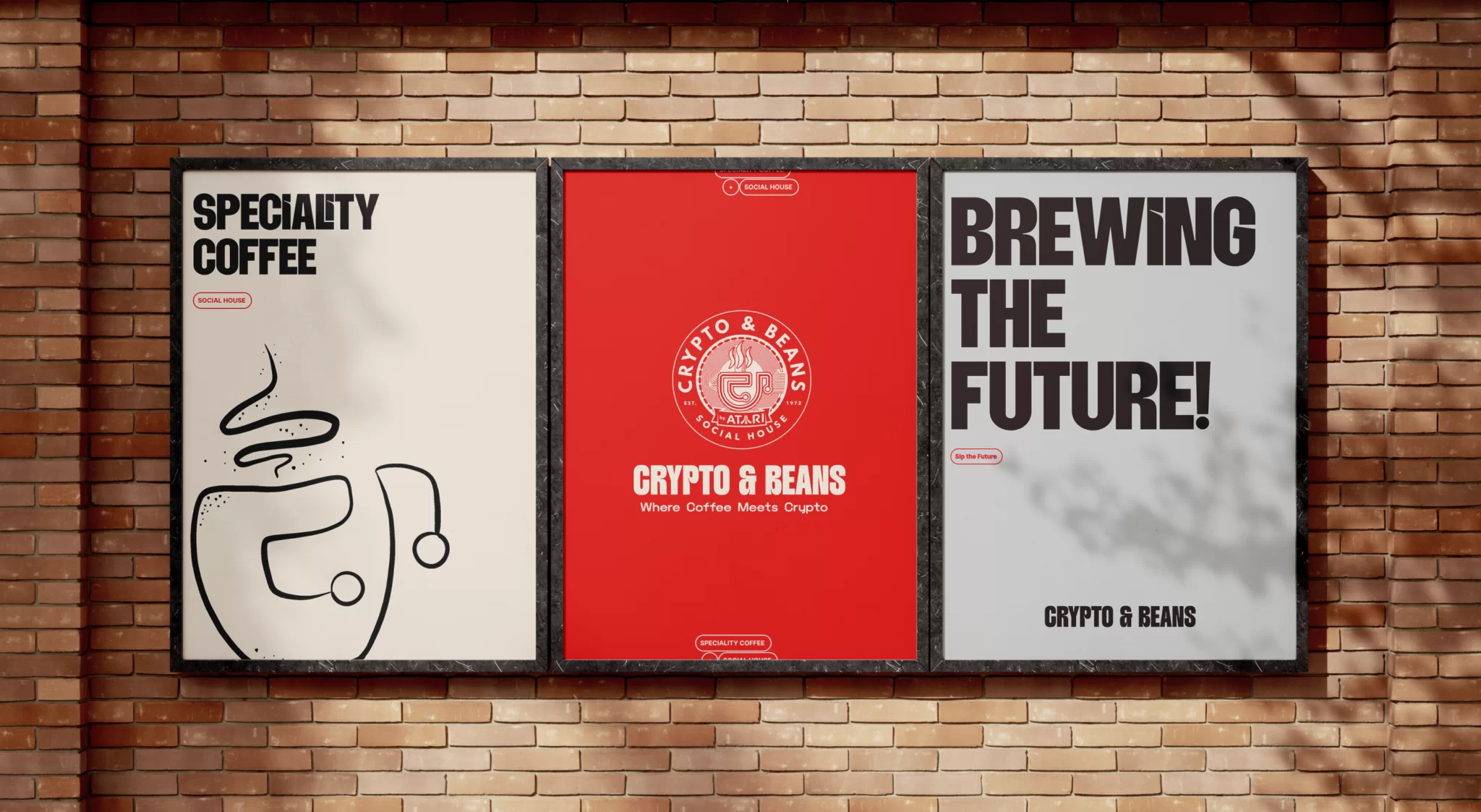
Explore the Branding behind the Crypto bean.
Why Psychology Matters More Than Ever in Branding
- Consumers are exposed to thousands of advertisements, social media posts, emails, videos, and promotional messages every day, making it harder for brands to capture attention.
- Businesses cannot rely only on product quality; they need strong emotional connections to stand out.
- Customers may forget advertisements, but they remember brands that create meaningful experiences and positive emotions.
- Strong brands simplify customer decisions by creating familiarity, trust, and reducing perceived risk.
- People often choose brands they recognise because familiarity makes them feel safer and more confident.
- Consumer decisions are influenced by psychological factors such as:
- Trust
- Emotional attachment
- Social influence
- Cognitive shortcuts
- Strong branding helps businesses achieve:
- Higher customer trust
- Increased brand recognition
- Greater customer loyalty
- Reduced price sensitivity
- Stronger word-of-mouth marketing
- Improved customer retention
- Higher perceived value
- Trusted brands can charge premium prices because customers associate them with reliability, expertise, quality, and prestige, not just the product itself.
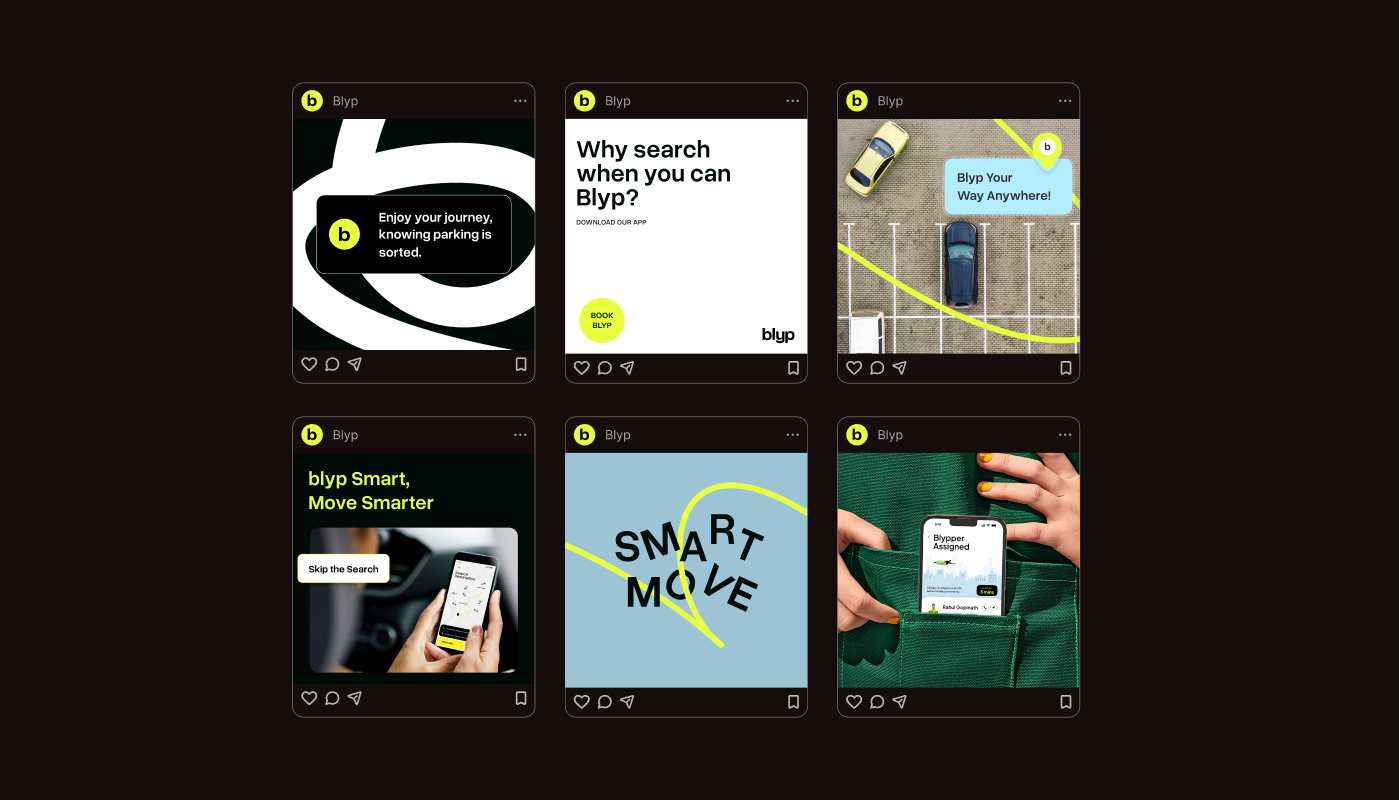
Explore the Branding behind the Blyp.
Understanding How the Human Brain Makes Buying Decisions
Although buying decisions may appear logical, neuroscience suggests that our brains process information in stages. Understanding these stages helps marketers create brand experiences that naturally guide customers toward a purchase.
Stage 1: Attention – Standing Out in a Crowded World
Before customers choose a brand, they must first notice it. Since people are exposed to countless messages daily, the brain filters out anything that feels irrelevant. Brands capture attention through unique visuals, strong headlines, memorable designs, and engaging stories. However, attention alone is not enough, successful brands combine creativity with clear messaging so customers quickly understand their value.
Stage 2: Emotion – Creating an Instant Connection
After gaining attention, emotions influence how people perceive a brand. Customers remember emotional experiences more than facts, which is why powerful brands use storytelling instead of only highlighting features. Brands that create positive feelings, such as happiness, inspiration, or trust, become more memorable and build stronger connections with customers.
Stage 3: Trust – Reducing Perceived Risk
Every purchase involves uncertainty, and customers want to know if a product is reliable and worth their money. Strong brands reduce these doubts through consistent experiences, transparent communication, genuine reviews, dependable customer service, and by keeping their promises. Without trust, even a great product may struggle to build customer loyalty.
Stage 4: Memory – Becoming the First Brand That Comes to Mind
People usually choose the brands they remember most easily. Brand memory is built through repetition and consistency across every interaction, including advertising, packaging, customer service, and social media. Successful brands maintain consistent visuals, messaging, and experiences to create familiarity. Over time, familiarity builds trust, and trust turns into customer preference.
Stage 5: Decision – Choosing the Safest Option
Customers rarely search for the perfect product; they usually choose the option that feels familiar, reliable, and easy to trust. Recognised brands reduce decision-making stress by creating confidence and clear expectations. This is why established brands often attract customers even at higher prices, people are not just buying a product, they are buying trust in the outcome.
The Core Psychological Principles Behind Successful Brands
Every memorable brand leverages psychological principles, whether intentionally or instinctively. Understanding these concepts allows businesses to design experiences that feel authentic while influencing customer behaviour in ethical ways.
01. Emotional Branding: Selling Feelings, Not Features
One of the biggest mistakes businesses make is focusing entirely on product features. Customers rarely become emotionally attached to technical specifications. They connect with how a product improves their lives or makes them feel.
For example, a fitness brand isn’t really selling gym equipment. It’s selling confidence, health, discipline, and the satisfaction of achieving personal goals.
02. The Mere Exposure Effect: Why Familiar Brands Win
Have you ever noticed how a song you didn’t initially like becomes your favourite after hearing it several times? The same psychological principle applies to brands. The Mere Exposure Effect suggests that people naturally develop a preference for things they encounter repeatedly. Familiarity creates comfort, and comfort often leads to trust.
For example, imagine you’re searching for project management software. You repeatedly come across one company’s educational content, helpful webinars, customer success stories, and social media posts. Even if you’ve never used its product, it begins to feel familiar. When it’s finally time to purchase, you’re more likely to consider that brand because it already occupies a place in your memory.
03. Social Proof: People Trust People
Humans are social creatures. When we’re uncertain, we look to others for guidance. This behaviour is known as social proof, and it plays a major role in purchasing decisions.
Before booking a hotel, ordering from a new restaurant, or trying unfamiliar software, most people read reviews, compare ratings, or ask for recommendations. These actions reduce uncertainty and increase confidence.
Brands can strengthen trust by showcasing:
- Customer testimonials
- Online reviews and ratings
- Case studies
- Video testimonials
- User-generated content
- Industry awards and certifications
- Client logos and success stories
The more authentic and specific the proof, the more persuasive it becomes. A detailed customer story explaining how your solution solved a real problem often has more impact than a generic five-star review.
04. Cognitive Fluency: Make Your Brand Easy to Understand
The human brain prefers simplicity. Psychologists refer to this as cognitive fluency, the ease with which information is processed. When something is easy to understand, people perceive it as more trustworthy and credible.
Ask yourself:
- Is your value proposition immediately understandable?
- Can visitors explain what your business does within five seconds?
- Is your website easy to navigate?
- Are your calls-to-action clear?
Brands like Google have built much of their success on simplicity. Their homepage contains very little clutter, making the experience intuitive and effortless.
05. Scarcity and Urgency: Why Limited Availability Increases Value
People naturally assign greater value to opportunities that may disappear. This psychological principle explains why phrases such as “Limited Edition,” “Only 10 Seats Remaining,” or “Offer Ends Tonight” encourage quicker decisions.
Scarcity works because it triggers the fear of missing out (FOMO). However, it should always be genuine. Artificial countdown timers or false claims of limited stock can damage trust if customers realise they’re misleading.
Ethical scarcity can include:
- Early-bird pricing
- Limited product launches
- Seasonal collections
- Exclusive memberships
- Event registration deadlines
Used honestly, scarcity motivates action without manipulating customers.
06. Identity-Based Branding: Customers Buy Who They Want to Become
Perhaps the most powerful principle in branding is identity. People don’t simply purchase products, they purchase versions of themselves.
Someone buying eco-friendly products may want to express environmental responsibility. A runner wearing premium athletic apparel may identify with discipline and achievement. A professional carrying a luxury briefcase may associate it with success and confidence. Your brand should answer an important emotional question:
“Who does this product help me become?”
Brands that align with customers’ aspirations create deeper emotional connections than brands that focus only on product features.

Explore the Branding behind the Shivam.
The Complete Brand Building Process
Understanding psychology is only the beginning. Building a successful brand requires a structured process that translates these principles into consistent action.
Step 1: Define Your Brand Purpose
Every memorable brand begins with a clear reason for existing.
Your purpose answers questions such as:
- Why does your company exist?
- What problem are you solving?
- What positive impact do you want to make?
A strong purpose guides decision-making, shapes company culture, and creates emotional resonance with customers.
Step 2: Research Your Audience
Effective branding starts with understanding the people you want to serve.
Research should go beyond age and location.
Explore:
- Goals and ambitions
- Daily challenges
- Motivations
- Buying behaviours
- Preferred communication channels
- Emotional triggers
- Common objections
The better you understand your audience, the more relevant your messaging becomes.
Step 3: Analyse Your Competitors
Competitor research isn’t about copying others, it’s about identifying opportunities.
Study:
- Their positioning
- Brand voice
- Visual identity
- Customer reviews
- Strengths and weaknesses
Look for gaps where your business can offer a unique perspective or better experience.
Step 4: Develop Your Brand Positioning
Brand positioning defines how you want customers to perceive your business compared to competitors.
A strong positioning statement should communicate:
- Who you serve
- What problem you solve
- What makes you different
- Why customers should believe you
Clear positioning creates consistency across every marketing channel.
Step 5: Build Your Brand Identity
Visual identity reinforces psychological associations.
Key elements include:
- Logo
- Colour palette
- Typography
- Photography style
- Iconography
- Packaging
- Website design
Each element should reflect your brand personality and remain consistent across all customer touchpoints.
Step 6: Create a Distinct Brand Voice
Your words matter just as much as your visuals.
Whether your tone is professional, friendly, innovative, humorous, or authoritative, consistency helps customers recognise your brand instantly.
Create guidelines for:
- Website copy
- Social media posts
- Emails
- Advertisements
- Customer support responses
- Blog articles
Consistency builds familiarity.
Step 7: Deliver Consistent Experiences
Branding doesn’t end after a customer makes a purchase.
Every interaction shapes perception.
Consider every touchpoint:
- Website experience
- Checkout process
- Packaging
- Delivery
- Customer support
- Follow-up emails
- Returns process
A positive experience strengthens trust and encourages repeat business.
Step 8: Build Relationships, Not Just Transactions
Successful brands focus on lifetime customer value rather than one-time sales.
Continue providing value through:
- Educational content
- Helpful newsletters
- Customer communities
- Loyalty programmes
- Exclusive events
- Personalised recommendations
People remain loyal to brands that consistently contribute to their success.
Step 9: Measure Brand Performance
Brand building is an ongoing process.
Track metrics such as:
- Brand awareness
- Website traffic
- Social engagement
- Customer retention
- Net Promoter Score (NPS)
- Customer lifetime value
- Referral rate
- Repeat purchases
Use these insights to refine your messaging and customer experience.

Explore the Branding behind the Diamensions.
Common Brand Building Mistakes
Even excellent businesses can weaken their brands through avoidable mistakes.
Inconsistent Messaging
Changing your tone, visuals, or promises across different platforms creates confusion.
Focusing Only on Features
Customers care more about outcomes than specifications.
Ignoring Customer Experience
A strong marketing campaign cannot compensate for poor service.
Copying Competitors
Imitating successful brands may seem safe, but it makes your business forgettable. Authenticity is a stronger competitive advantage.
Trying to Appeal to Everyone
Brands that target everyone often resonate with no one. Clear positioning attracts the right audience.
Real-World Lessons from Successful Brands
Great brands consistently apply psychological principles.
Apple focuses on simplicity, innovation, and premium experiences. Every product launch reinforces these associations.
Nike rarely advertises shoes. Instead, it tells stories of determination, resilience, and achievement, allowing customers to connect emotionally with its message.
Airbnb transformed accommodation by promoting belonging rather than simply offering places to stay. Its branding centres on experiences and human connection.
Coca-Cola has spent decades associating its products with happiness, celebration, and shared moments, making the emotional experience more memorable than the drink itself.
Although these companies operate in different industries, they share one characteristic: they consistently communicate the same emotional message across every customer interaction.
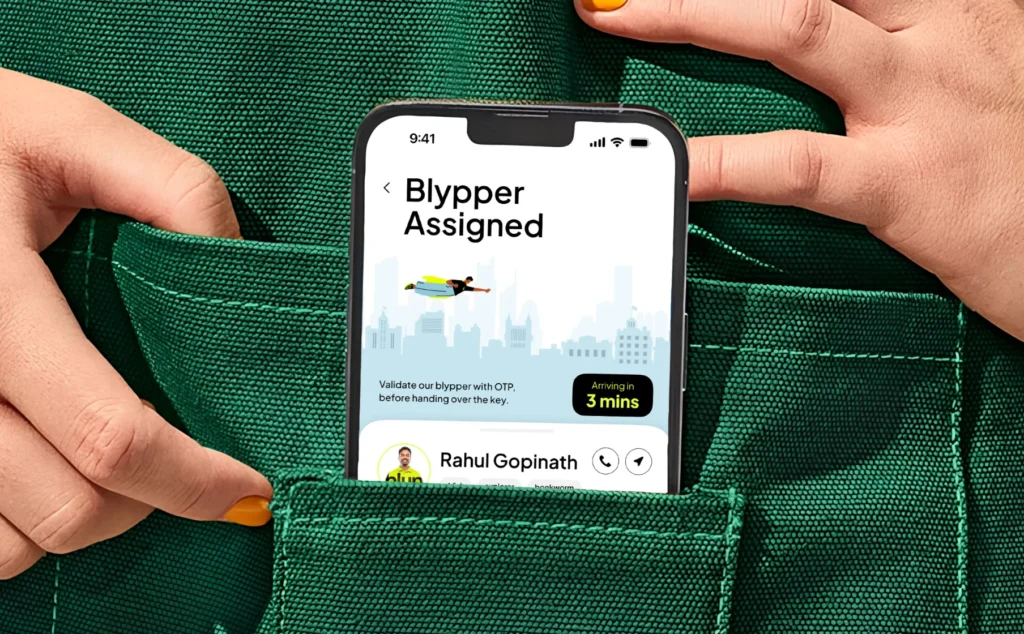
Explore the Branding behind the Blyp.
Practical Tips to Apply Brand Psychology Today
If you’re building or refreshing your brand, start with these actions:
- Define the one emotion you want customers to associate with your business.
- Write a clear value proposition that explains the transformation you provide.
- Keep your visual identity consistent across every platform.
- Use authentic testimonials and case studies to build trust.
- Publish valuable educational content before asking for a sale.
- Simplify your messaging wherever possible.
- Deliver customer experiences that match your brand promise.
- Measure performance regularly and improve based on customer feedback.
Small, consistent improvements often have a greater long-term impact than occasional large campaigns.
Conclusion
Building a successful brand is not just about having a great logo or a big marketing budget; it is about understanding how people think, feel, and make decisions. Customers choose brands they trust, recognise, and connect with emotionally, and every interaction shapes their perception. By using principles like emotional branding, social proof, familiarity, and identity-based marketing, businesses can create meaningful connections and stand out in competitive markets. The strongest brands are not only recognised but also remembered, recommended, and trusted. This trust is built through consistency, authenticity, and delivering value at every stage of the customer journey, turning customers into loyal advocates.

Akshita Shivani Sundar
Senior Graphic Designer