

Product Animation in Automotive Design: A Closer Look
June 23, 2025 ● 13 Mins Read

Table of Contents
Introduction
In the high-stakes world of automotive design, storytelling is as crucial as engineering. Whether it’s unveiling a luxury EV or promoting a new aerodynamic breakthrough, automotive brands today rely on product animation to bridge the gap between technical complexity and customer imagination. With the rise of digital-first brand experiences, 3D product animation has become a powerful medium, not just for visualizing form and function, but for sparking desire.
From immersive websites to micro-interactions and cinematic launch events, here’s a closer look at how product animation is redefining the automotive experience.
Web-Based 3D Animation: From Spec Sheet to Story
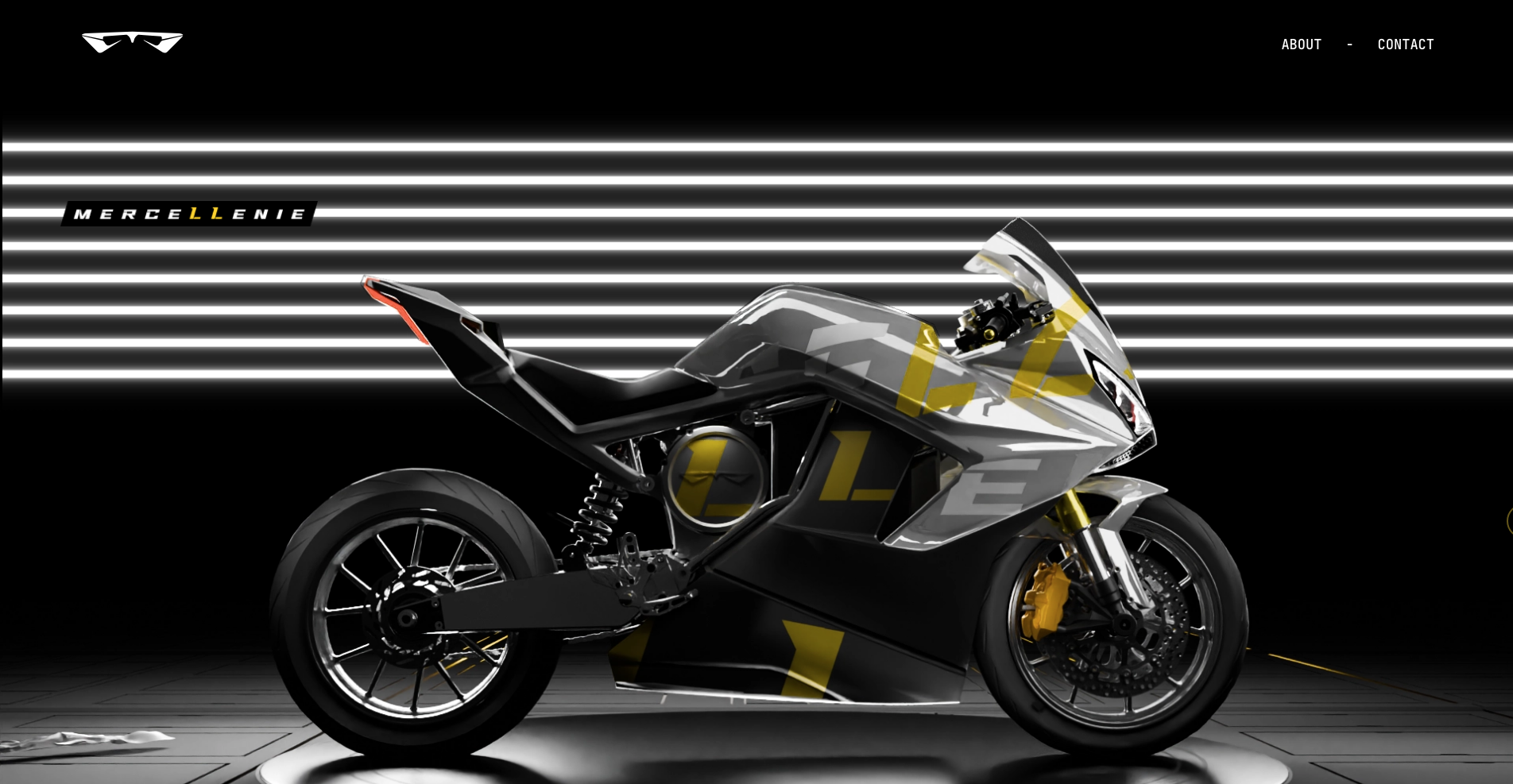
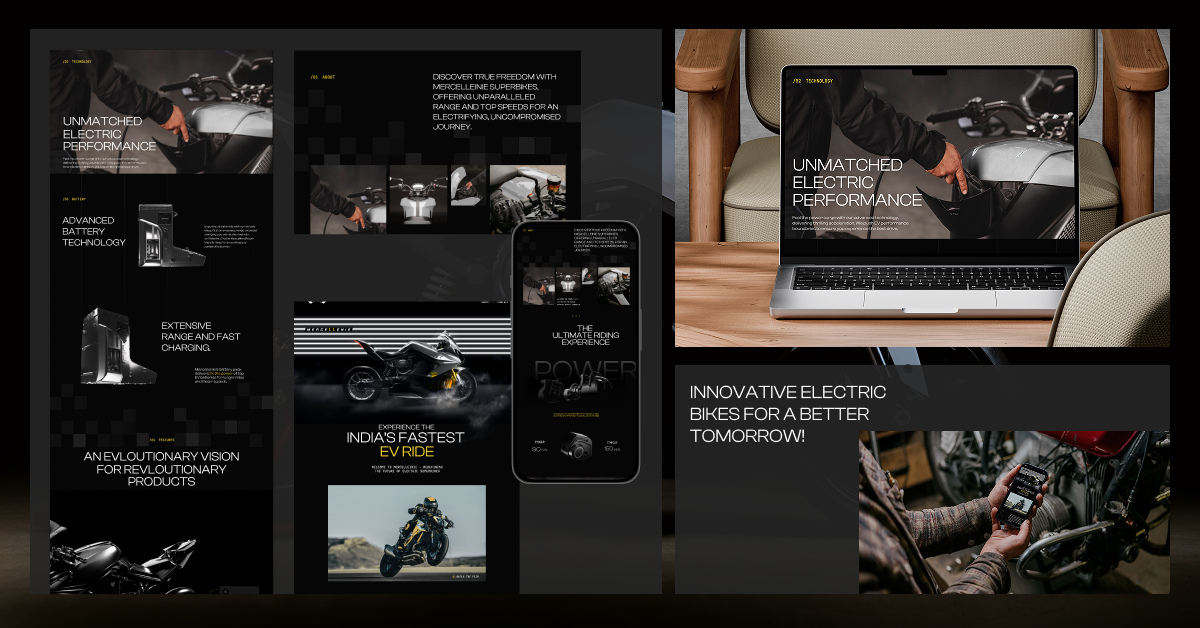
Gone are the days when car buyers had to rely on static photos or dense PDF brochures. Now, they expect to experience a car online. Through real-time 3D rendering and motion design, websites can now animate every detail, the glint of a carbon fiber finish, the seamless shift of a gear system, or even the airflow around the vehicle.
- Interactive Configurators: Customers can rotate, zoom, and customize their car in real-time, visualizing trim levels, paint options, and interior layouts — all rendered with hyper-realistic lighting and motion.
- Feature Explainers: Complex technologies like regenerative braking or adaptive suspension can be communicated through short, dynamic animations embedded on product pages.
- Performance Highlights: From 0–100 km/h acceleration sequences to aerodynamic wind tunnel simulations, 3D animation provides a cinematic way to highlight performance metrics directly within the browsing experience.
This approach not only informs but emotionally engages — encouraging customers to explore, linger, and imagine ownership.
Micro-Animations in the Customer Journey: Building Trust Through Detail
While large-scale animations grab attention, it’s often the micro-animations — subtle, functional movements embedded into digital touchpoints — that shape how a brand feels. In the automotive world, these small motions reinforce precision, quality, and care.
- UI Feedback in Digital Configurators: Hover effects, button animations, and smooth transitions between car models or color options make the user interface feel refined and responsive — echoing the experience of operating the car itself.
- Finance & Feature Walkthroughs: Even serious steps like financing, booking test drives, or comparing trims benefit from motion. Animated progress bars or transitions between selections provide clarity, reduce friction, and maintain a sense of control.
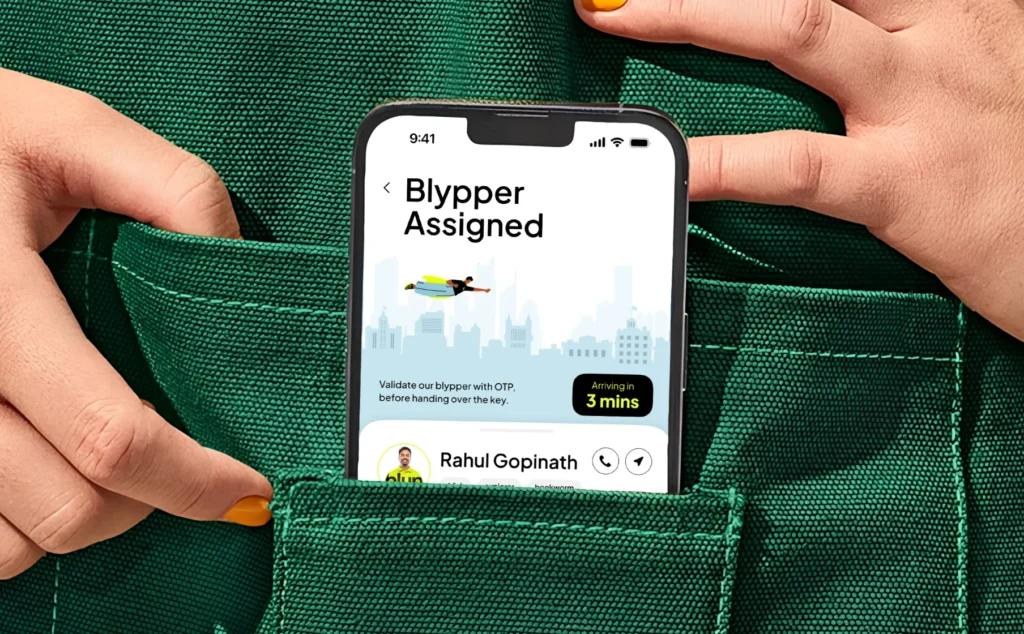
- Mobile App Interfaces: For connected car apps, well-designed animations (like a rotating car when checking tire pressure or a sliding sunroof icon when opening remotely) make the digital twin of the car feel alive and intuitive.
These animations are rarely flashy. Instead, they’re about consistency and character — reinforcing the brand’s design language, reflecting engineering precision, and subtly guiding user behavior. Just as a finely tuned door close says something about a car’s build quality, these micro-movements say something about the digital experience.
Launch Events: From Reveal to Spectacle
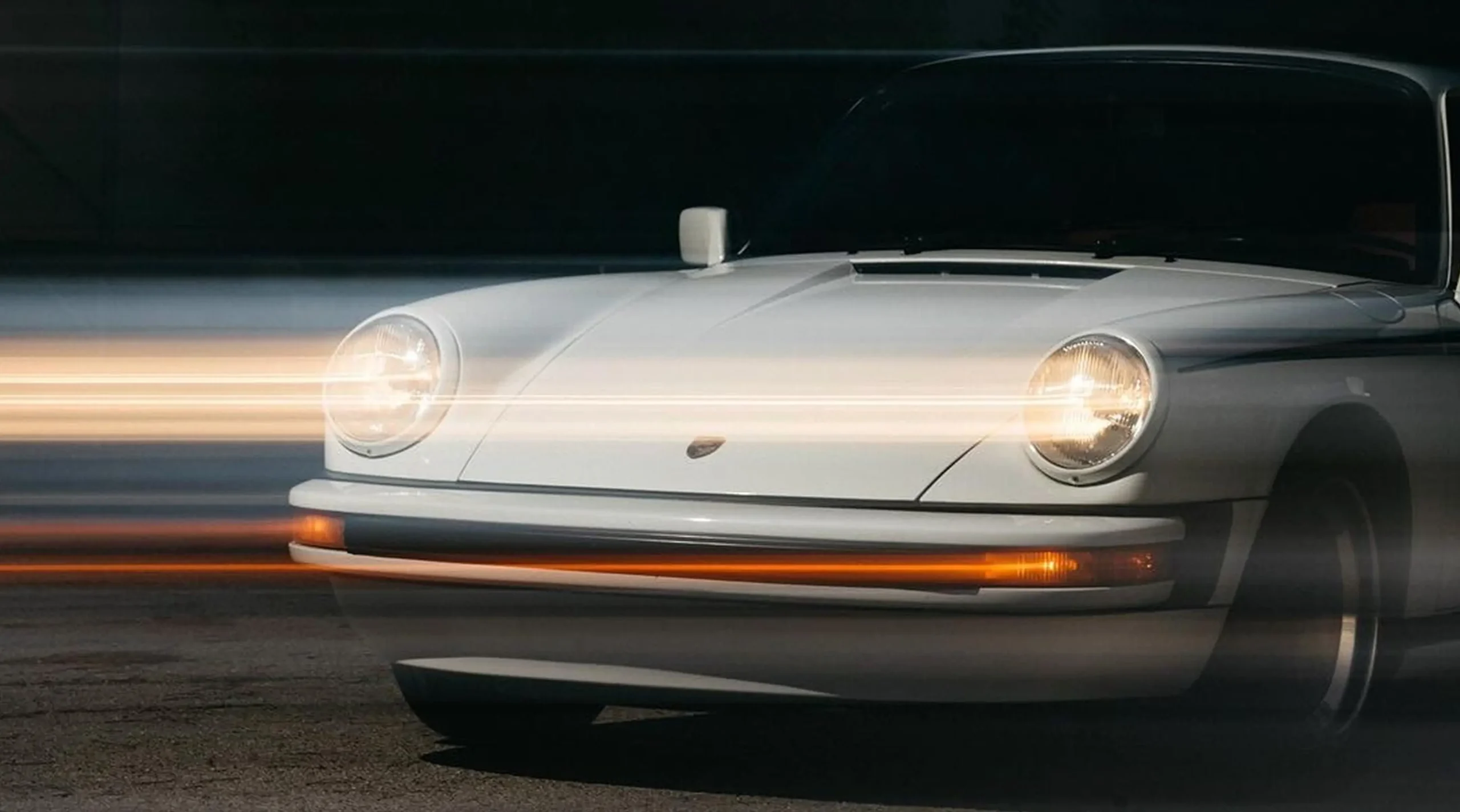
Car launches have always been about showmanship — but today, digital animation is the star of the show. Whether it’s an in-person event or a livestreamed global debut, animation gives brands creative freedom to build tension, highlight innovation, and deliver a wow factor.
- Cinematic Intros: Opening animations set the tone — combining sound, motion, and storytelling to elevate anticipation before the physical car even appears.
- Narrative Sequences: Instead of just stating that a car is “lighter” or “more aerodynamic,” animated storytelling shows why — using metaphor, breakdowns, or side-by-side comparisons.
- AR/VR Extensions: At launch, 3D product animations can also feed into augmented or virtual reality experiences, letting journalists and consumers explore the car in their own digital space — no matter where they are.
In this context, animation is more than visual flair. It’s a narrative engine — sequencing ideas, framing emotions, and giving the audience a multi-sensory experience of the brand’s ambition.
Why Animation Matters More Than Ever in Automotive
In an industry where form, function, and feeling intersect, animation allows brands to:
- De-risk communication: Making technical details clear without oversimplifying.
- Increase accessibility: Letting users of all languages, abilities, or attention spans understand and engage.
- Drive differentiation: Standing out in a sea of sameness with emotionally charged, design-led digital content.
Conclusion
Product animation in automotive design isn’t just about aesthetics; it’s about articulation. In a market that sells not just cars but aspirations, these moving visuals help brands translate engineering into experience, innovation into inspiration. Whether on a website, inside an app, or on a global stage, 3D product animation is now a strategic design tool — as essential as the CAD models that shape the car itself.
As the digital and physical worlds continue to blur, expect motion to become the language of modern automotive storytelling.

Thanseem
Junior UI/UX Designer