


Why Branding Matters in B2B
When people think about branding, they often imagine logos, colors, typography, and advertising campaigns. While these elements are part of branding, a strong business brand goes far beyond visual identity. In the B2B world, branding influences how customers perceive your expertise, reliability, credibility, and value. It shapes the way potential clients experience your business before they ever speak to your sales team.
Imagine two companies offering similar software, consulting services, or technology solutions. Both have qualified employees and competitive pricing. However, one company communicates its expertise clearly, maintains a consistent brand identity, shares useful insights, and demonstrates a strong understanding of its customers. The other company has limited brand recognition and generic messaging.
When potential customers evaluate these businesses, their decisions may be influenced by more than product features and pricing. Trust, perceived expertise, and familiarity can also play a role.
B2B branding is about creating a clear and credible identity that helps your business connect with the right customers.
A strong B2B brand can support marketing effectiveness, sales conversations, customer relationships, and long-term business development. It does not guarantee success, but it can help your business communicate its value more consistently In this blog, we’ll explore what B2B branding means, why it matters, and how businesses can develop a brand that supports sustainable growth.

Explore the Branding behind the Shivam.
What Is B2B Branding?
B2B branding is the process of shaping how a business is perceived by other businesses. It includes the strategy, messaging, visual identity, customer experience, and reputation that influence how customers understand your company. Unlike a consumer brand that may focus on individual purchasing decisions, B2B brands often communicate with multiple stakeholders. These may include business owners, procurement teams, department managers, technical specialists, and senior executives.
Each stakeholder may have different priorities.
For example:
- A finance manager may focus on cost and return on investment.
- A technical team may evaluate functionality and integration.
- A business leader may prioritize growth and reliability.
- A procurement team may assess contracts, compliance, and supplier requirements.
Effective B2B branding helps communicate your value to the audiences that matter to your business.
Branding Is More Than a Logo
Your logo and visual identity help customers recognize your business. However, your brand is also shaped by:
- How you communicate
- What your company stands for
- How you solve customer problems
- How consistently you deliver your services
- What customers say about your business
- How your sales and support teams interact with clients
A visually attractive brand with poor customer service may struggle to build long-term trust.
Similarly, a business with excellent expertise may miss opportunities if its messaging fails to communicate that expertise clearly.
Branding works best when the identity you communicate aligns with the experience you deliver.
Why Branding Is Essential for B2B Businesses
B2B purchasing decisions often involve multiple interactions, longer sales cycles, and significant financial or operational considerations Customers may research your business before contacting your sales team. They might visit your website, review your case studies, compare competitors, or ask for recommendations. Your brand influences how they interpret these interactions.
01 Building Trust and Credibility
Trust is important when customers are considering a business relationship. A potential client wants to know whether your company understands their requirements and can deliver what it promises.
Branding can support credibility through:
- Consistent communication
- Clear service descriptions
- Relevant case studies
- Professional customer experiences
- Demonstrated expertise
- Transparent information
However, branding alone cannot establish genuine trust. Your business must support its claims through reliable performance and customer service.
02 Creating Market Recognition
A recognizable brand can make it easier for customers to identify your business across different marketing channels. Consistent visual elements, messaging, and brand voice help reinforce recognition. For example, when customers repeatedly encounter your company through LinkedIn, industry events, email newsletters, and your website, a consistent identity can make those interactions feel connected.
Recognition does not automatically translate into sales, but it can support familiarity during the buying process.
03 Supporting Differentiation
Many B2B companies offer similar services. Consider the consulting industry. Multiple firms may provide strategy, implementation, or technology services If every company communicates using generic phrases such as “innovative solutions” and “exceptional service,” customers may struggle to understand the differences. A clear brand position helps your business communicate what makes its offering relevant to a particular audience.
04 Strengthening Customer Relationships
B2B branding continues after a customer signs a contract. The way your business communicates, delivers services, handles problems, and supports customers contributes to the overall brand experience. Consistent customer experiences can support stronger relationships and long-term retention.
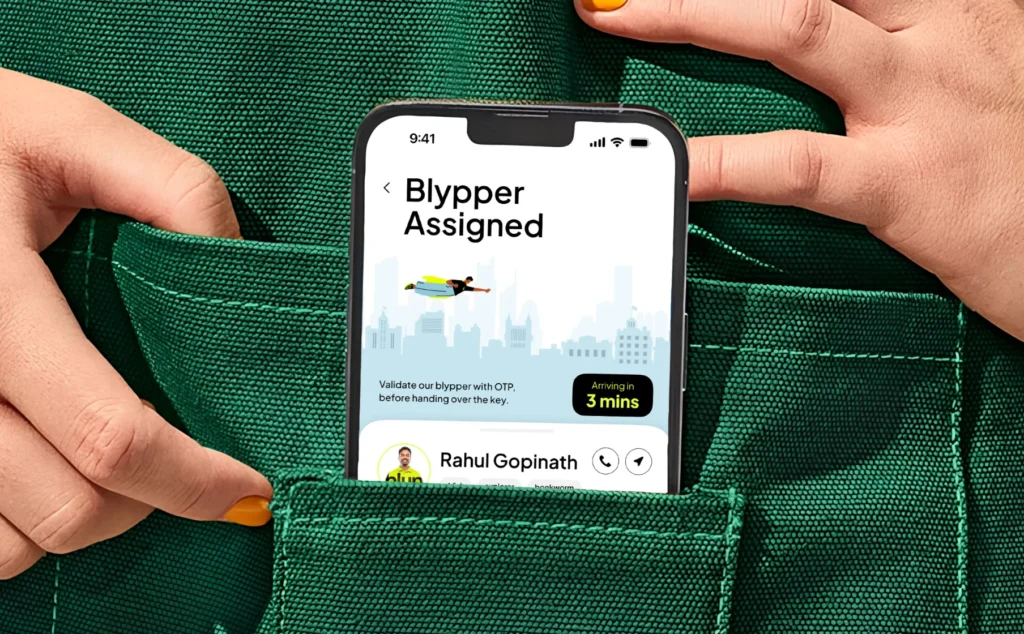
Explore the Branding behind the Blyp.
The Key Elements of a Strong B2B Brand
A successful B2B brand requires alignment between strategy and execution.
Here are the major elements to consider.
Brand Positioning
Positioning defines how your business is presented in relation to competitors and customer needs.
It answers questions such as:
- Who are your ideal customers?
- What problems do you solve?
- What makes your approach different?
- Why should customers consider your business?
Strong positioning helps you focus your messaging on a relevant audience.
Brand Identity
Your visual identity includes:
- Logo
- Color palette
- Typography
- Design elements
- Photography and imagery
- Brand guidelines
These elements should create a consistent visual experience across your website, presentations, social media, and other customer touchpoints.
Brand Messaging
Your messaging explains what your business offers and why it matters.
It includes your:
- Value proposition
- Website copy
- Sales presentations
- Marketing campaigns
- Service descriptions
- Thought leadership content
Effective messaging should be clear, relevant, and supported by what your business can deliver.
Brand Voice
Brand voice defines how your business communicates. For example, a cybersecurity company may use a clear, professional, and educational tone. A creative technology agency may use a more conversational and expressive style.
Your voice should reflect your audience, industry, and brand personality.
Customer Experience
Your brand is also shaped by what customers experience.
A consistent brand promise should be supported by the quality of your interactions and delivery.
How to Build Clear B2B Brand Positioning
Brand positioning is one of the most important parts of a B2B branding strategy. Without clear positioning, your marketing may become too broad, making it difficult for customers to understand why your business is relevant.
Identify Your Target Audience
Start by defining who you want to serve.
Instead of targeting every business, consider the customer groups that best align with your capabilities.
Ask:
- Which industries do we understand?
- What business sizes do we serve?
- What challenges do our customers face?
- What buying factors matter to them?
- Which customers benefit most from our offering?
For example, a software company might serve businesses across several industries. Alternatively, it could focus its marketing on a particular industry where it has specialized knowledge.
The appropriate choice depends on the business model and market opportunity.
Understand Customer Pain Points
Your positioning should reflect real customer needs. Conduct customer interviews, review sales conversations, and analyze feedback to understand what your audience values. A company selling enterprise software might discover that customers are particularly concerned about implementation complexity, integration, or operational continuity
These insights can inform more relevant messaging.
Define Your Value Proposition
A value proposition explains the benefit your business provides to a specific audience.
A useful structure is:
We help [target audience] solve [specific problem] through [your offering or approach].
For example:
“We help growing manufacturing companies improve operational visibility through integrated business software.” This is an illustrative example, not a guarantee of performance. A good value proposition should be specific enough to communicate relevance while remaining accurate.
Differentiate Your Business
Differentiation can come from:
- Industry specialization
- Technical expertise
- Service methodology
- Customer support
- Product capabilities
- Implementation approach
- Experience in a specific business environment
The difference should matter to your customers and be supported by evidence.
The Role of Trust and Credibility in B2B Branding
B2B customers often evaluate the risks associated with selecting a provider. A poor decision may result in financial losses, operational delays, compliance concerns, or disruption to business processes.
For this reason, companies may look for evidence that a potential partner can meet their requirements. Branding can help organize and communicate that evidence.
Use Case Studies
Case studies show how your business worked with a customer and what was achieved.
A useful case study can explain:
- The customer’s initial challenge
- The approach your business took
- The work delivered
- The outcomes observed
- Relevant lessons or insights
Avoid presenting unsupported claims or implying that one customer’s results are guaranteed for everyone.
Demonstrate Expertise
Thought leadership can help your business communicate its knowledge.
Examples include:
- Industry reports
- Educational blog posts
- LinkedIn articles
- Webinars
- Research-based insights
- Technical guides
The content should provide genuine value rather than simply promoting your services.
Maintain Consistency
Customers encounter your brand through multiple channels Inconsistent information, outdated messaging, or conflicting service descriptions can create confusion. Review your website, social profiles, sales decks, and marketing materials to ensure they communicate a coherent brand identity.
B2B Branding Strategies That Support Business Growth
Branding becomes more effective when integrated into your broader marketing strategy.
Content Marketing
Content marketing helps businesses communicate their expertise and address customer questions.
Examples include:
- Industry-specific blog posts
- Educational guides
- Customer success stories
- Solution comparisons
- Research reports
- Practical how-to content
Focus on the problems your target audience is trying to solve.
For example, an IT services company might publish content about cloud migration planning, cybersecurity practices, or infrastructure management.
The topics should reflect its actual expertise.
LinkedIn Branding
LinkedIn can be an important channel for B2B companies. Your company page and employee profiles contribute to how customers perceive your business. Effective LinkedIn branding may include:
- Consistent company messaging
- Relevant industry insights
- Employee expertise
- Customer success stories
- Educational content
- Engagement with industry discussions
Avoid treating LinkedIn as a channel for promotional content alone.
Website Branding
Your website is often an important part of the B2B buying journey.
It should help visitors understand:
- What your company does
- Who you serve
- What services you provide
- Why your business is credible
- How to contact you
Clear navigation, relevant content, and consistent design contribute to a better brand experience.
Align Marketing and Sales
Your marketing team may communicate one value proposition while your sales team presents another.
This inconsistency can make your positioning less clear.
Align both teams around:
- Target audiences
- Core messaging
- Brand guidelines
- Customer pain points
- Product or service benefits
- Sales enablement materials
Common B2B Branding Mistakes to Avoid
Even businesses that invest in branding can make strategic mistakes.
Mistake 1: Focusing Only on Visual Design
A professional logo is valuable, but branding requires more than design.
Your positioning, messaging, and customer experience must also support your brand.
Mistake 2: Using Generic Messaging
Statements such as “We deliver innovative solutions” may not clearly explain what your business does differently.
Replace broad claims with specific information about your audience, offering, and approach.
Mistake 3: Trying to Appeal to Everyone
Broad messaging can make it difficult to connect with specific customer segments.
Consider whether your communication reflects the needs of the customers you want to attract.
Mistake 4: Ignoring Customer Experience
Brand promises should align with actual service delivery.
If your marketing emphasizes responsiveness but your support process is consistently slow, customers may experience a disconnect.
Mistake 5: Inconsistent Brand Communication
Using different messaging, design elements, or positioning across channels can weaken recognition and clarity.
Develop brand guidelines that your teams can follow.

Explore the Branding behind the Diamensions.
How Strong Branding Supports B2B Pricing Power
Branding and pricing are closely connected through perceived value.
When customers understand your expertise and differentiation, they may have more information to consider beyond the lowest price.
However, strong branding does not automatically justify premium pricing.
Pricing depends on several factors, including:
- Customer needs
- Competitive alternatives
- Product or service quality
- Business costs
- Market conditions
- Perceived value
Communicate Your Differentiation
Suppose two consulting firms offer similar services. One communicates a broad promise of quality. The other explains its specialization, methodology, and relevant experience with a particular customer segment. The second firm may give prospects more information to evaluate its offering. Whether customers are willing to pay more depends on the actual value they perceive and other purchasing considerations.
Move Beyond Feature Comparisons
A strong brand can help frame your offering around customer needs and business outcomes.
For example, instead of focusing only on the technical features of your software, explain how those features address the operational challenges your target customers face. Ensure that any outcome-related claims are credible and appropriately supported. How to Measure the Success of Your B2B Branding Strategy Branding results can be difficult to measure through a single metric. A combination of qualitative and quantitative indicators can provide a more complete view.
Brand Awareness
You can assess whether more people in your target audience recognize your company through:
- Brand surveys
- Direct traffic trends
- Search visibility
- Relevant audience reach
These metrics should be interpreted within their limitations.
Lead Quality
Review whether your marketing attracts customers who match your target audience.
Relevant indicators may include:
- Qualified lead volume
- Lead-to-opportunity conversion
- Customer segment fit
- Sales feedback
Website Engagement
Monitor how visitors interact with your website.
Potential metrics include:
- Relevant page visits
- Engagement with key content
- Conversion actions
- Contact form submissions
Avoid assuming that more traffic automatically means better branding results.
Customer Retention
Customer retention can provide insights into the relationship between your brand promise and actual delivery.
Consider retention alongside service quality, customer satisfaction, pricing, and other relevant factors.
Brand Consistency
Conduct regular reviews of your marketing materials, website, and sales assets.
Check whether your brand identity and messaging remain aligned.

Explore the Branding behind the Blyp.
A Step-by-Step Guide to Building a Strong B2B Brand
If you’re developing or refreshing your B2B brand, use the following process.
Step 1: Conduct a Brand Audit
Review your current brand identity, messaging, customer experience, and competitive positioning.
Identify strengths, inconsistencies, and areas for improvement.
Step 2: Define Your Audience
Document your ideal customer segments and their key needs.
Use customer research rather than assumptions wherever possible.
Step 3: Develop Your Positioning
Define your value proposition, differentiation, and core brand messages.
Make sure these reflect your actual capabilities.
Step 4: Create Your Brand Identity
Develop your logo, typography, colors, imagery, and brand guidelines.
Ensure that the visual identity supports your strategic positioning.
Step 5: Align Your Marketing and Sales
Train relevant teams to communicate consistent messages.
Review website content, presentations, and sales materials.
Step 6: Measure and Improve
Track relevant indicators and gather customer feedback.
Brand development is an ongoing process rather than a one-time project.
Conclusion: Build a B2B Brand That Customers Trust
B2B branding is more than creating an attractive logo or publishing marketing content
It is about establishing a clear identity, communicating relevant value, and delivering experiences that support your brand promise. A strong B2B brand can help businesses improve recognition, communicate differentiation, and build relationships with potential and existing customers. However, branding should work alongside a valuable offering, reliable delivery, and a clear business strategy.
The most effective approach begins with understanding your audience Identify their needs, communicate your strengths, demonstrate your expertise, and maintain consistency across customer touchpoints.
Your brand should help customers understand not only what your business offers, but also why your offering is relevant to them.

Nandin
Design Lead