

A technology company is selling possibilities. A real estate developer is selling a sense of place. A financial services brand is asking people to trust its decisions, while a manufacturing business is demonstrating the strength of its capabilities. Although these businesses operate in entirely different worlds, they share one important requirement: the need to communicate their value clearly.
Yet, many businesses approach their digital presence with similar layouts, familiar messaging and predictable interactions. The result is a collection of websites that look and feel interchangeable, even when the businesses behind them are anything but.
The next evolution of digital design is not about making every website look more impressive. It is about understanding what makes each industry different and translating that understanding into a meaningful digital experience.
Design Should Begin With the Business, Not the Screen
Every industry operates within a different ecosystem. Its customers, decision-making cycles, commercial priorities and competitive pressures influence how a brand should communicate. These factors should shape the digital experience long before the first design element is introduced.
Consider an aerospace company. Its digital presence must communicate engineering expertise, technical capabilities and credibility to a highly specialised audience. A consumer lifestyle brand, on the other hand, needs to create an emotional connection through visual storytelling, brand personality and product discovery.
The difference goes beyond aesthetics. It influences the entire experience, from the information presented on the homepage to the way visitors navigate services, evaluate products and make decisions.
Good digital design recognises these distinctions and builds around them.
Five Industries, Five Different Design Priorities
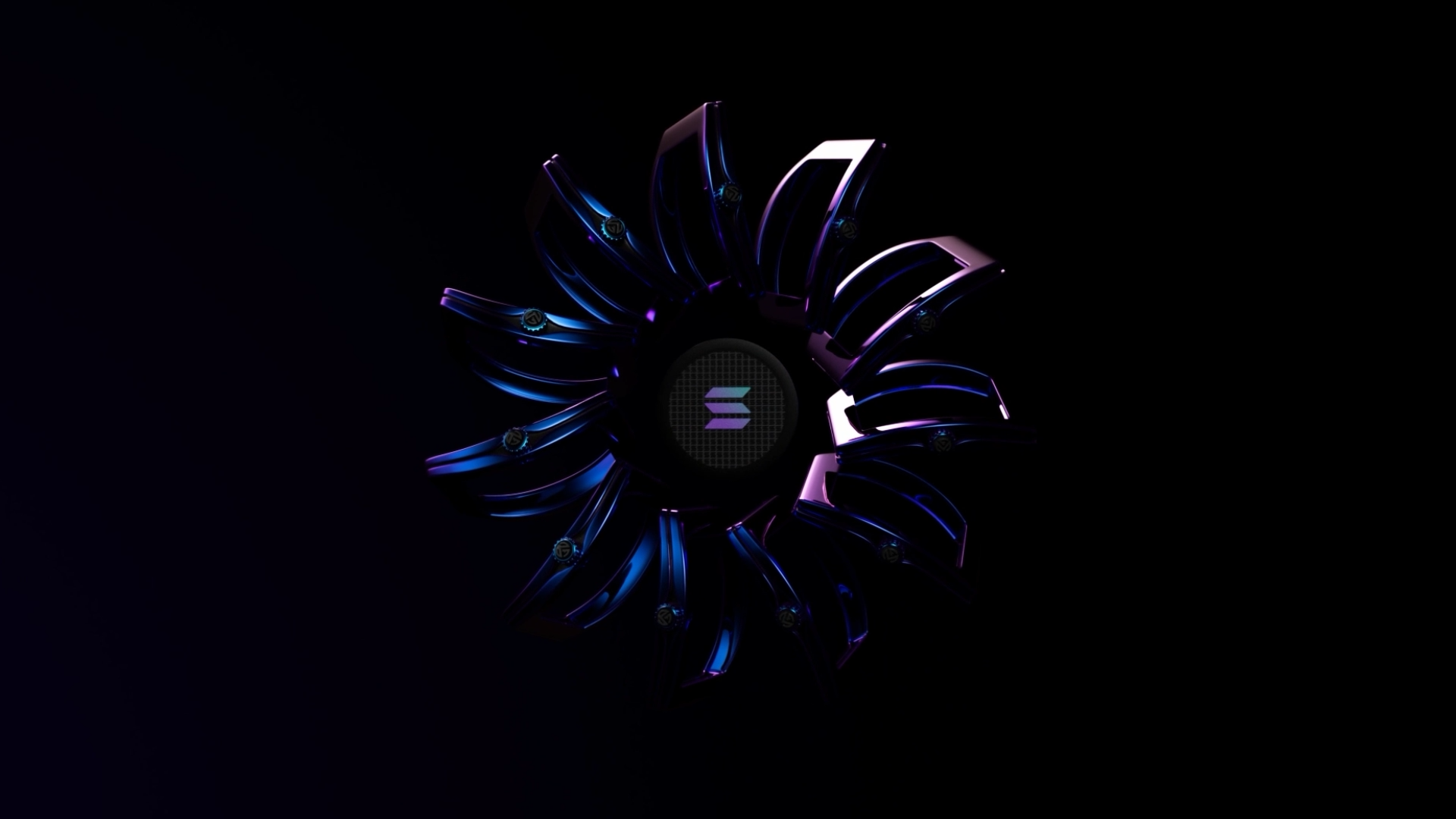
1. Aerospace: Making Complex Capabilities Understandable
Aerospace businesses operate in a world of advanced engineering, precision and specialised expertise. Their websites need to translate complex capabilities into information that different stakeholders can understand. Structured content, technical storytelling and confident visual systems help communicate scale, innovation and credibility without overwhelming visitors.
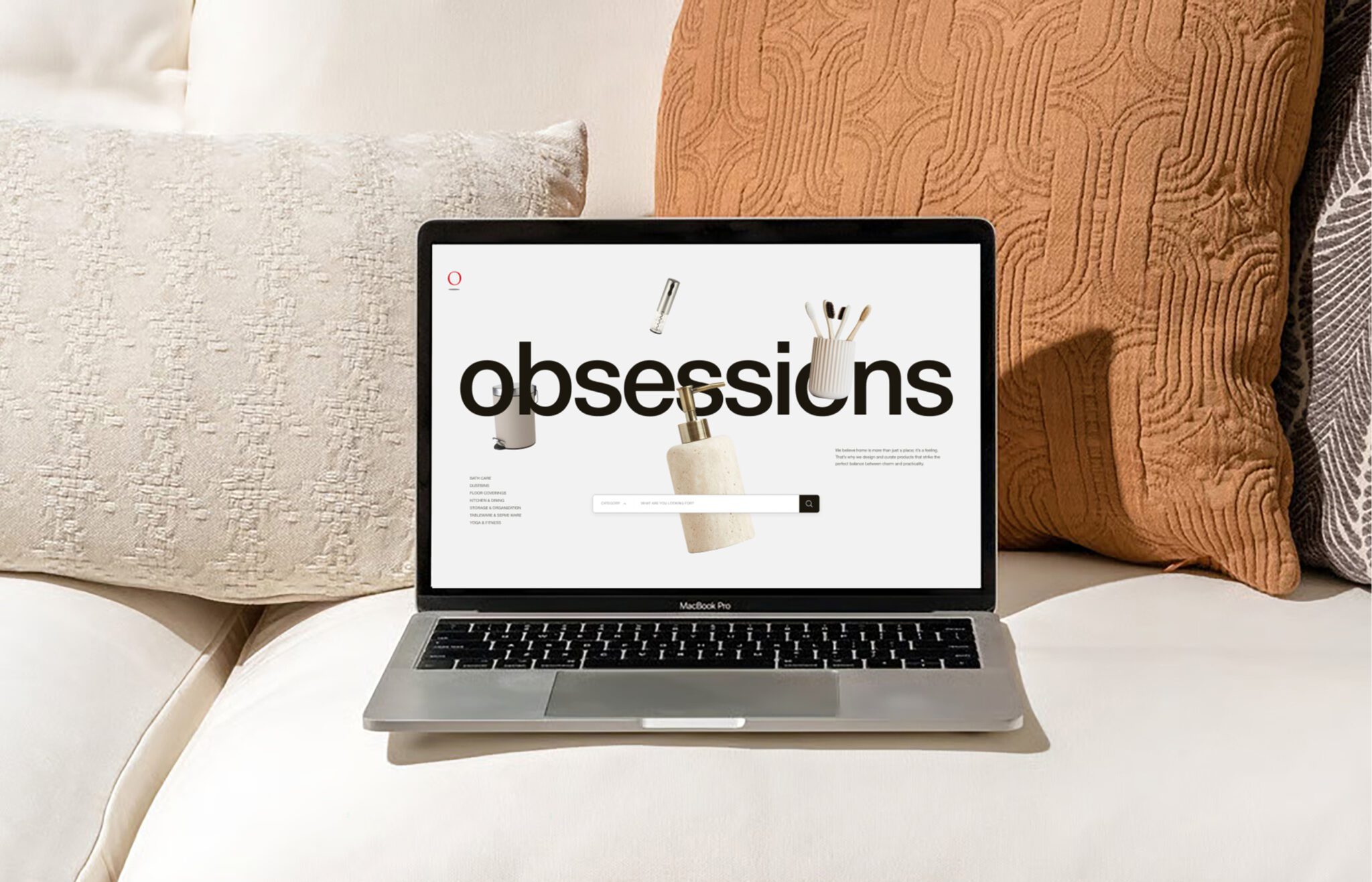
2. Real Estate: Turning Spaces Into Experiences
Real estate is an industry where perception plays a significant role in decision-making. A digital experience should communicate the atmosphere, architecture and lifestyle associated with a development, not simply display project specifications. Immersive imagery, intuitive project discovery and considered storytelling can help prospective buyers connect with a development before visiting it.
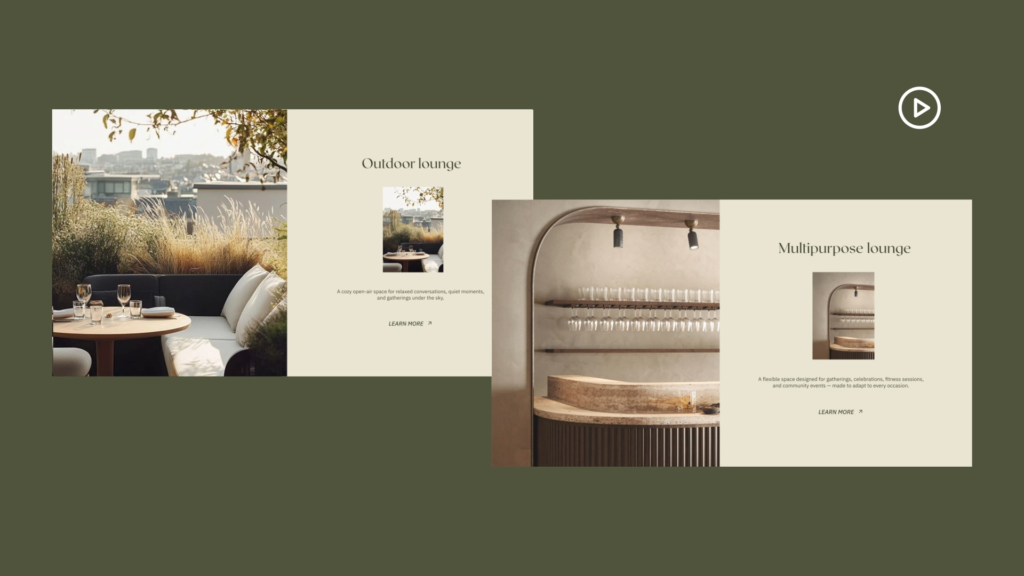
EVOS – Real Estate Website Design, Chennai, India
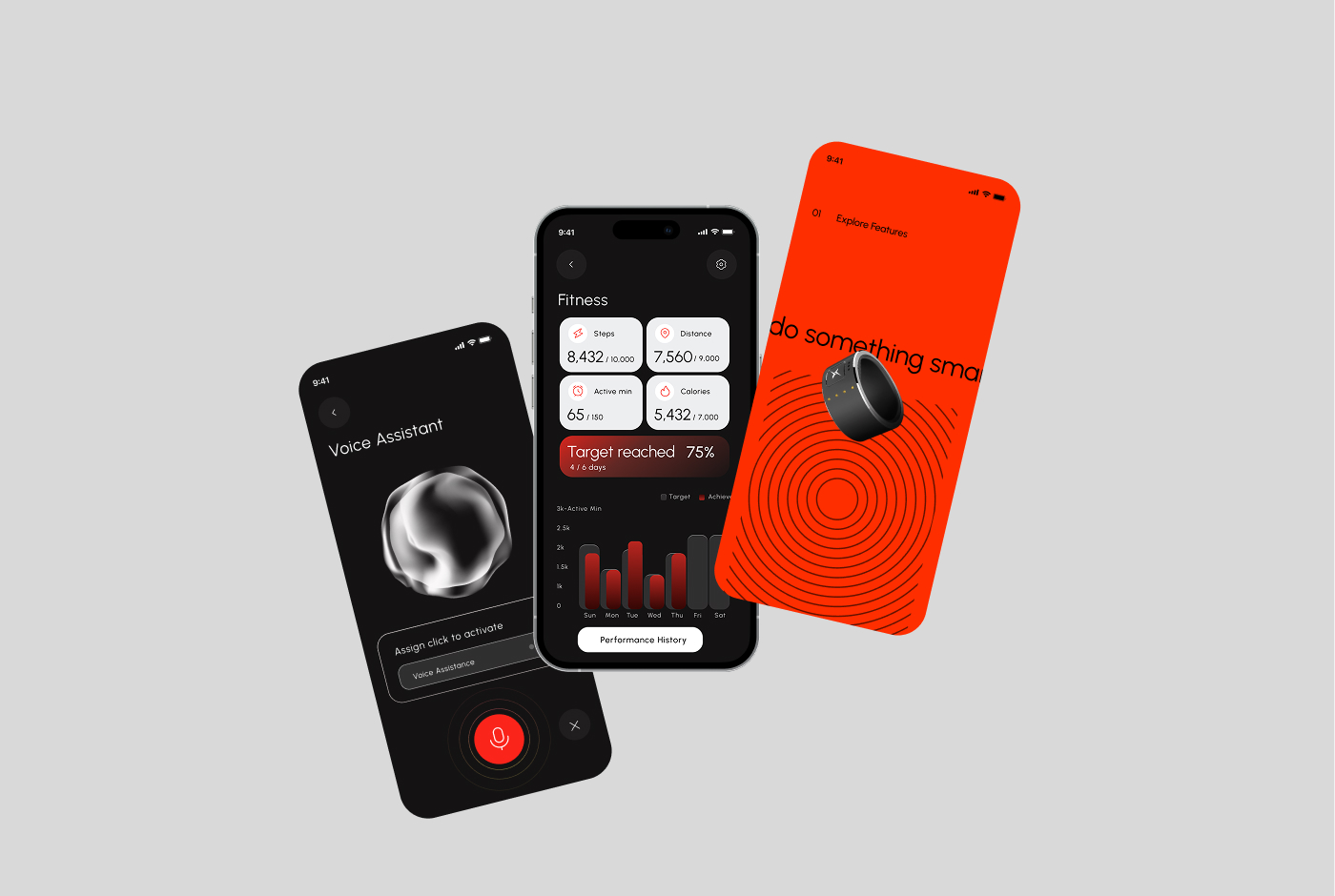
3. Fintech: Designing for Confidence and Clarity
Financial technology has transformed how people manage money, make payments and access financial services. But innovation alone does not guarantee adoption. Customers need to understand what a platform does, how it works and why they should trust it. UX design must reduce friction, simplify complex processes and make important information accessible.
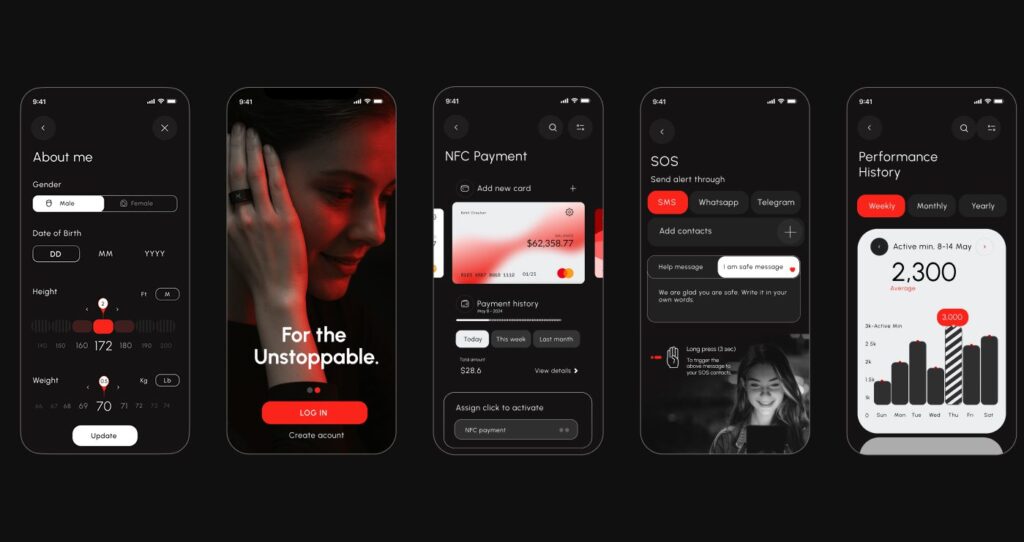
XENXO – Mobile App UI/UX Design
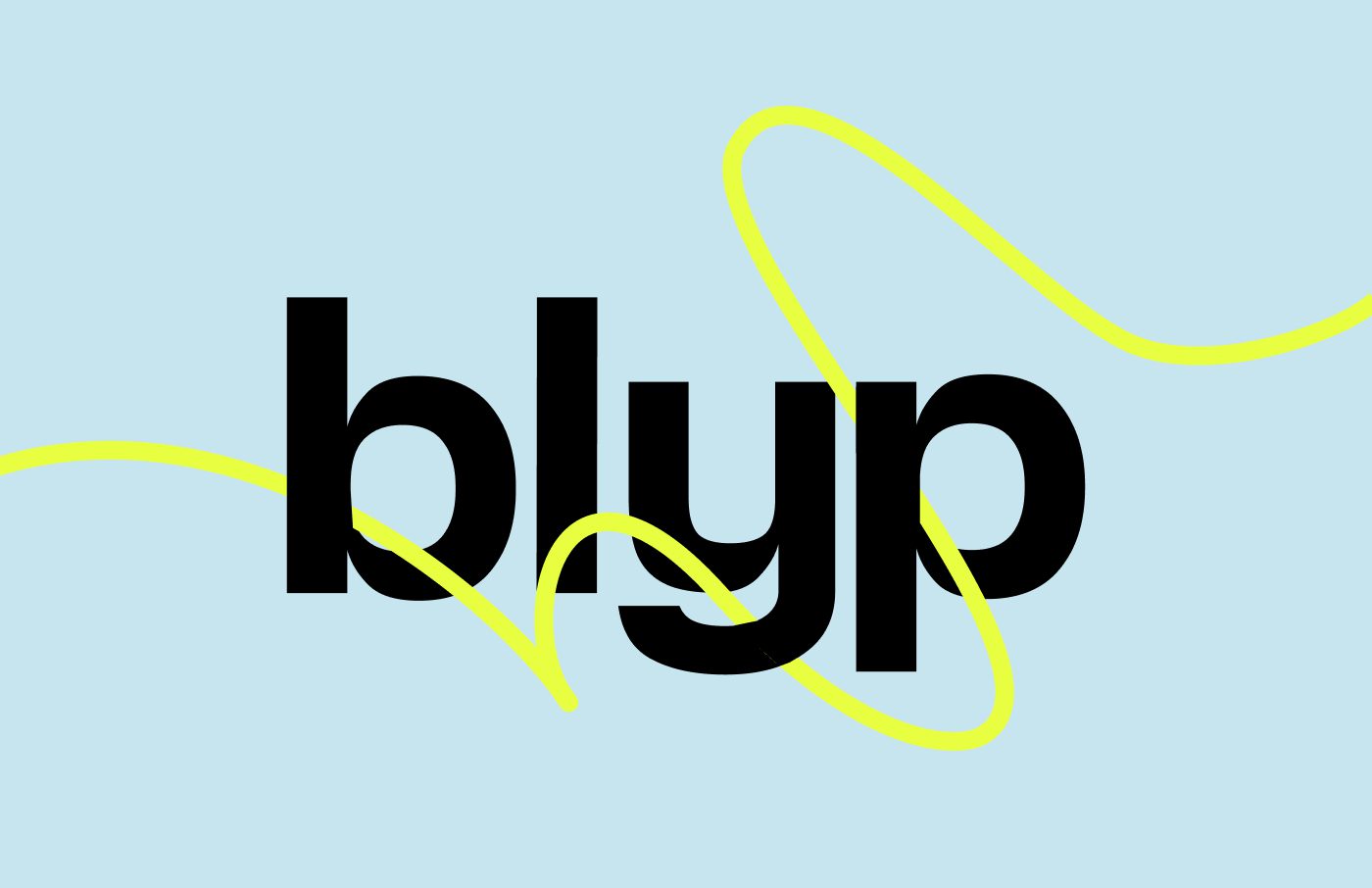
4. Smart Mobility: Communicating a New Way Forward
Electric mobility and emerging transportation technologies are changing how people think about movement. Brands in this space need to communicate both technological advancement and practical value. Strong digital storytelling, product-focused experiences and distinctive visual identities help make new mobility concepts more tangible and memorable.
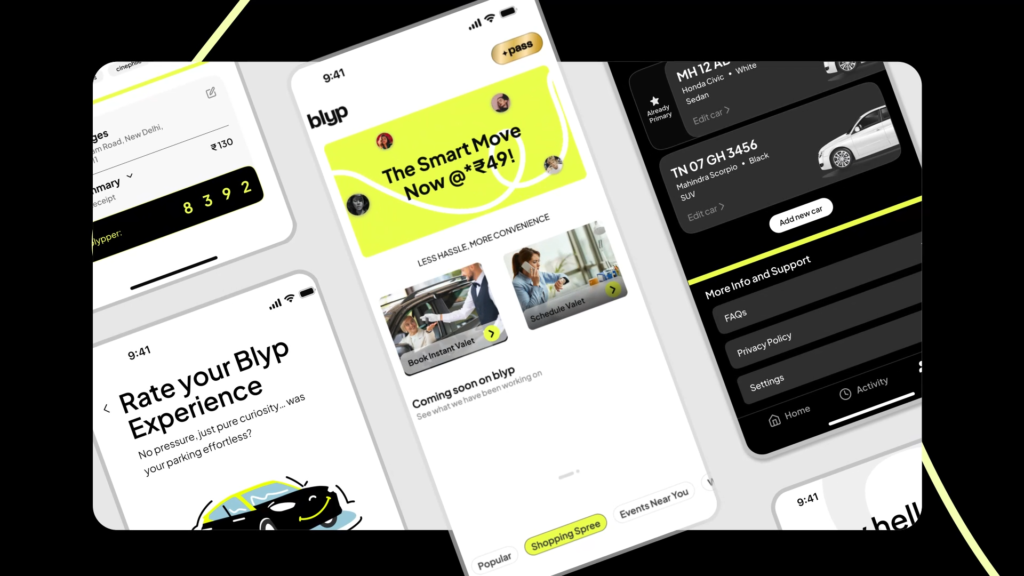
BLYP – Branding & Smart Mobility, Delhi, India
5. FMCG: Creating Recognition in a Crowded Market
In fast-moving consumer goods, brands compete for attention across multiple touchpoints. Packaging, identity, digital storefronts and campaign experiences must work together to create a recognisable presence. Consistency matters, but so does differentiation. The challenge is to build a brand experience that remains distinctive even when customers have countless alternatives.

The Most Important Design Decision Happens Before Visual Design
A successful digital project is rarely defined by how many animations it contains or how visually elaborate its interface appears. Its effectiveness depends on whether the experience solves the right problem.
This requires asking better questions. Who is the primary audience? What information influences their decisions? What makes the business different from its competitors? Which interactions should feel effortless? What should visitors remember after leaving the website?
These questions help establish the foundation for information architecture, content strategy, visual direction and development. They also prevent businesses from investing in features that look impressive but contribute little to the actual user experience.
The strongest digital platforms are built around a clear understanding of the business and the people it serves.
Where Strategy Meets Digital Craft
At Wings Design, the approach to digital experiences extends across industries, business models and audience expectations. From branding and UI/UX design to website development, the focus is on translating business complexity into clear, purposeful digital experiences.
Its work spans sectors including aerospace, artificial intelligence, fintech, robotics, real estate, FMCG, automotive, natural resources and smart mobility. Each presents a different design challenge, requiring its own understanding of users, communication priorities and business objectives.
Explore Wings Design’s industry experience to discover the sectors it works across.
The Future of Digital Design Is Contextual
As businesses adopt new technologies and customer expectations continue to change, digital experiences will need to become more relevant to the environments in which they operate.
The same design principles cannot be applied identically to every business. What works for an enterprise technology platform may not work for a consumer brand. What creates confidence in financial services may not create excitement in automotive or lifestyle.
The opportunity for businesses is to stop treating their websites as standard digital deliverables and start viewing them as extensions of their strategy, positioning and customer experience.
Because great digital design is not about following what every industry is doing. It is about understanding what your industry needs next.