


Introduction
Brands no longer exist within the boundaries of business cards, brochures and physical advertisements. Today, they appear across websites, mobile applications, social media platforms, digital campaigns, email communications, presentations and countless other touchpoints. Each interaction contributes to how people recognise, understand and perceive a business. With so many channels shaping brand perception, maintaining a consistent identity has become both more important and more challenging.
This shift raises an interesting question: are traditional brand guidelines still relevant in a world where digital platforms, audience expectations and design trends continue to evolve? The answer is yes, but their role has changed. Brand guidelines are no longer static documents created simply to establish logo placement, colour palettes and typography. They need to function as adaptable systems that help businesses maintain a recognisable identity while responding to different platforms, formats and experiences.
Why Brand Guidelines Still Matter
A brand is built through repeated interactions. Whether someone visits a website, sees a social media advertisement, receives an email or interacts with a product, each experience contributes to their understanding of the business. When these interactions feel disconnected, the brand loses a degree of recognition and credibility. Consistency creates familiarity, helping audiences identify a business and develop confidence in what it represents.
Brand guidelines establish the foundation for that consistency. They provide a shared reference for how a brand communicates, looks and behaves across different environments. This becomes particularly important as businesses expand their marketing activities, introduce new products, enter different markets or work with multiple creative teams. Without a clear framework, individual interpretations can gradually move the brand away from its intended positioning.
For growing businesses and established organisations alike, guidelines also reduce unnecessary decision-making. Teams do not need to repeatedly determine which logo variation to use, how typography should be applied or what tone of voice suits a particular communication. Instead, they can work within an established identity system, allowing creative efforts to focus on execution rather than repeatedly redefining the brand.
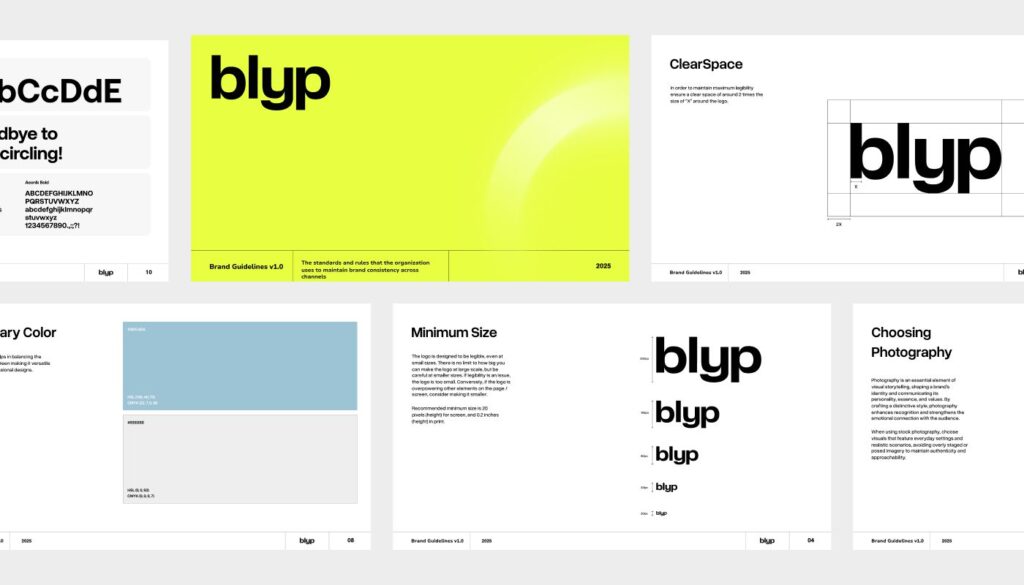
Explore Wings Design’s branding and digital experience work for Blyp in Delhi, India.
The Shift from Static Brand Manuals to Dynamic Identity Systems
Traditional brand guidelines were often created as comprehensive PDF documents. They outlined logo specifications, colour codes, typography, imagery and basic applications. While these elements remain important, the way brands operate today requires a broader approach. A visual identity designed primarily for print applications may not translate effectively to a mobile interface, a responsive website or a fast-moving social media campaign.
Modern brand guidelines need to account for how an identity adapts across different digital environments. A logo must remain recognisable at multiple screen sizes. Typography needs to work across devices and interfaces. Colours must maintain sufficient contrast for accessibility without compromising the brand’s visual character. Imagery and graphic elements need to accommodate different content formats while retaining a consistent visual language.
This is where the concept of a brand identity system becomes valuable. Rather than prescribing a fixed design for every possible application, it establishes a set of principles, components and rules that guide creative decisions. The system provides enough structure to protect brand recognition while leaving room for designers and marketing teams to respond to changing requirements.
What Modern Brand Guidelines Should Include
A useful set of brand guidelines should reflect the actual ways a business communicates with its audience. Beyond defining visual elements, it should explain how the identity works in practice and provide direction for the teams responsible for bringing it to life.
1. A Clear Brand Strategy and Positioning
Visual consistency begins with strategic clarity. Before defining colours, typography or graphic elements, businesses need to establish what the brand stands for, who it serves and how it wants to be perceived. This includes its purpose, values, positioning, personality and key differentiators.
These strategic foundations influence every creative decision that follows. A brand targeting enterprise decision-makers may require a different visual and verbal approach from one connecting with younger, lifestyle-oriented audiences. When the underlying strategy is clearly documented, teams can make design and communication decisions that reinforce the same positioning across different channels.
2. A Flexible Visual Identity System
A modern identity system needs to work across both physical and digital applications. Logo variations, responsive usage, colour palettes, typography, iconography, imagery and graphic elements should be documented with practical examples.
For digital applications, this also means considering how visual elements behave within different layouts and screen sizes. A logo that works beautifully on a desktop homepage may need a simplified variation for a mobile navigation bar. Typography should remain legible across different resolutions, while colour combinations need to work for both visual appeal and accessibility.
The objective is not to create endless variations of a brand identity. It is to establish a coherent visual language that can adapt without losing its defining characteristics.
3. A Consistent Tone of Voice
A brand’s identity is not limited to what people see. It is equally influenced by what they read and hear. Website copy, social media captions, email communication, advertisements and customer support interactions all contribute to how a business sounds.
Brand guidelines should therefore define the brand’s tone of voice, communication principles, vocabulary and preferred writing style. They should also provide examples of how the brand communicates across different contexts. A website headline, for instance, may require a more considered approach, while a social media caption can be more conversational without losing the brand’s personality.
A consistent voice helps businesses communicate with greater clarity and makes their identity recognisable beyond visual design.
4. Digital Applications and Interface Principles
Websites and applications are often among the most important brand touchpoints. Unlike static marketing materials, digital products involve continuous interaction. Navigation, buttons, forms, icons, animations, layouts and feedback messages all contribute to the overall brand experience.
Brand guidelines should establish how the visual identity translates into these interfaces. This can include design principles, component usage, spacing systems, interaction behaviour, accessibility considerations and visual hierarchy. These elements help designers and developers create digital experiences that feel connected to the wider brand.
For businesses with multiple digital products or platforms, documenting these principles becomes especially valuable. It creates a consistent foundation without requiring every interface to look identical.
5. Social Media and Content Guidelines
Social media has introduced a level of visual variation that traditional brand manuals rarely anticipated. Brands now communicate through reels, stories, carousels, short-form videos, campaign creatives and platform-specific content formats. Each channel has different dimensions, audience behaviours and creative expectations.
Instead of enforcing identical layouts across every platform, guidelines should define the visual characteristics that make content recognisably part of the same brand. This could include typography treatments, colour usage, photography direction, graphic devices, motion principles and content hierarchy.
Clear examples and reusable templates can help internal marketing teams and external agencies produce content efficiently while maintaining a consistent identity.
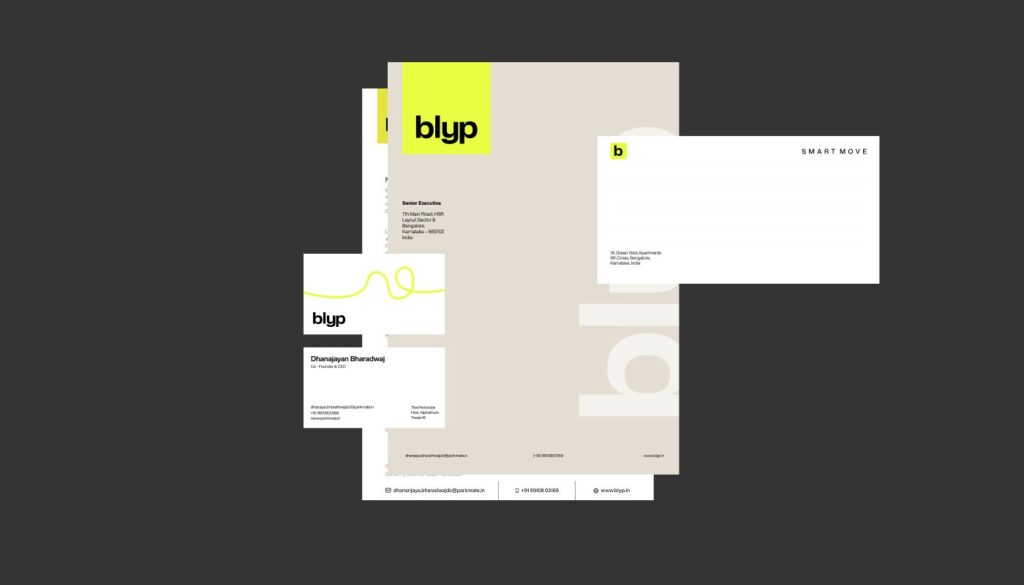
Consistency Does Not Mean Everything Must Look the Same
One of the biggest misconceptions about brand guidelines is that they restrict creativity. In reality, effective guidelines should make creative execution more purposeful. They establish what needs to remain consistent while identifying where experimentation is possible.
A brand may use different campaign concepts, photography styles or content formats without losing its identity. The key is to retain recognisable elements such as its visual language, tone of voice, design principles and strategic positioning. These elements create continuity even when individual executions look different.
This distinction is important in digital environments, where audiences expect brands to communicate in ways that suit each platform. A LinkedIn campaign may require a more professional presentation, while an Instagram campaign could benefit from a more expressive visual approach. Both can belong to the same brand when they are guided by a shared identity system.
The goal is not uniformity across every touchpoint. It is coherence across different experiences.
The Role of Technology in Modern Brand Management
As businesses adopt more digital tools, managing brand consistency has become a collaborative process. Marketing teams, designers, developers, content creators and external agencies may all contribute to how a brand appears in the market. This makes accessibility and organisation just as important as the guidelines themselves.
Digital brand portals, shared asset libraries, collaborative design platforms and reusable templates can make brand resources easier to access and apply. Instead of searching through outdated documents or requesting logo files from different departments, teams can work with a centralised source of approved assets.
Technology can also help businesses maintain consistency at scale. Design systems, reusable components and documented UI patterns allow digital teams to apply brand principles across multiple pages, products and interfaces. As a result, brand management becomes part of everyday operations rather than an occasional exercise in reviewing creative output.
However, technology cannot replace strategic direction. Tools can make assets easier to distribute, but they cannot determine whether an identity accurately represents the business. That still requires thoughtful brand strategy and design decisions.
When Should a Business Revisit Its Brand Guidelines?
Brand guidelines should evolve alongside the business. A document created several years ago may no longer reflect its current positioning, audience, products or digital presence. This does not necessarily mean the entire identity needs to be redesigned, but it does indicate that the existing system may require a review.
A review becomes particularly relevant when a business enters new markets, launches new services, undergoes a repositioning exercise or expands its digital presence. Frequent inconsistencies across marketing materials, outdated visual assets and conflicting interpretations of the brand are also signs that the guidelines need attention.
The review should consider both strategic and practical requirements. Are the guidelines aligned with the current business direction? Do they account for modern digital applications? Can different teams use them without constant clarification? Do they provide enough flexibility for new campaigns and communication channels?
Answering these questions helps businesses identify whether they need minor updates, a more comprehensive brand identity system or a complete rebranding exercise.
Building a Brand Identity That Can Adapt and Scale
The strongest brands are not necessarily those with the most detailed brand manuals. They are those with a clear identity, a well-defined strategy and a system that allows people to apply both consistently. This requires an understanding of how the business operates, how its audience interacts with it and where its identity needs to appear.
For growing businesses, investing in a considered brand identity system early can prevent inconsistencies as the organisation expands. For established companies, revisiting existing guidelines can help align different teams, products and digital experiences under a more unified brand direction.